Built for Daily Oven Work
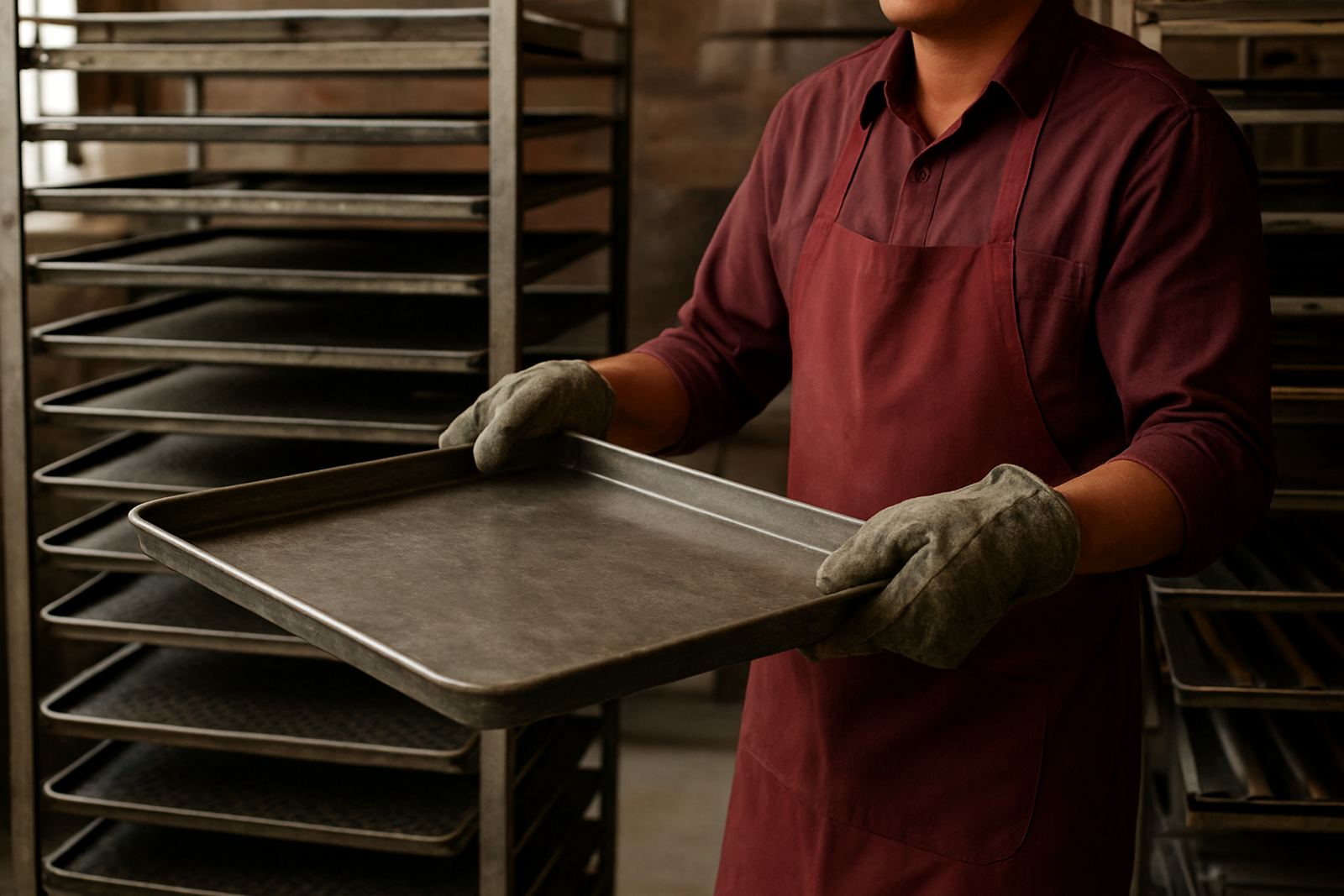
The heavy oven tray is made for high-turnover baking where lighter trays start to buckle. In a busy bakery, trays are loaded, unloaded and stacked many times a day, so the steel has to hold its shape under heat and weight. Our trays are built in Alrode for that kind of work, with a proper rim, even corners and a flat baking surface that stays steadier in the oven.
These trays suit bread production, roll lines, savoury baking and general kitchen use. They are practical for bakeries in Johannesburg South, Germiston, Alberton, Boksburg and Midrand where production schedules can not stop for warped trays or damaged edges.
Sizes, Gauge Choices and Tray Options
We make heavy oven trays in sizes to match common bakery racks and oven chambers. Standard sizing can be matched to your current equipment, or we can work from a sample tray if you need a copy for the same fit. If your oven runners are already set, the width and depth must be checked properly so the tray slides without binding.
- Standard rectangular oven trays for bakery use
- Heavy gauge steel options for repeated daily cycling
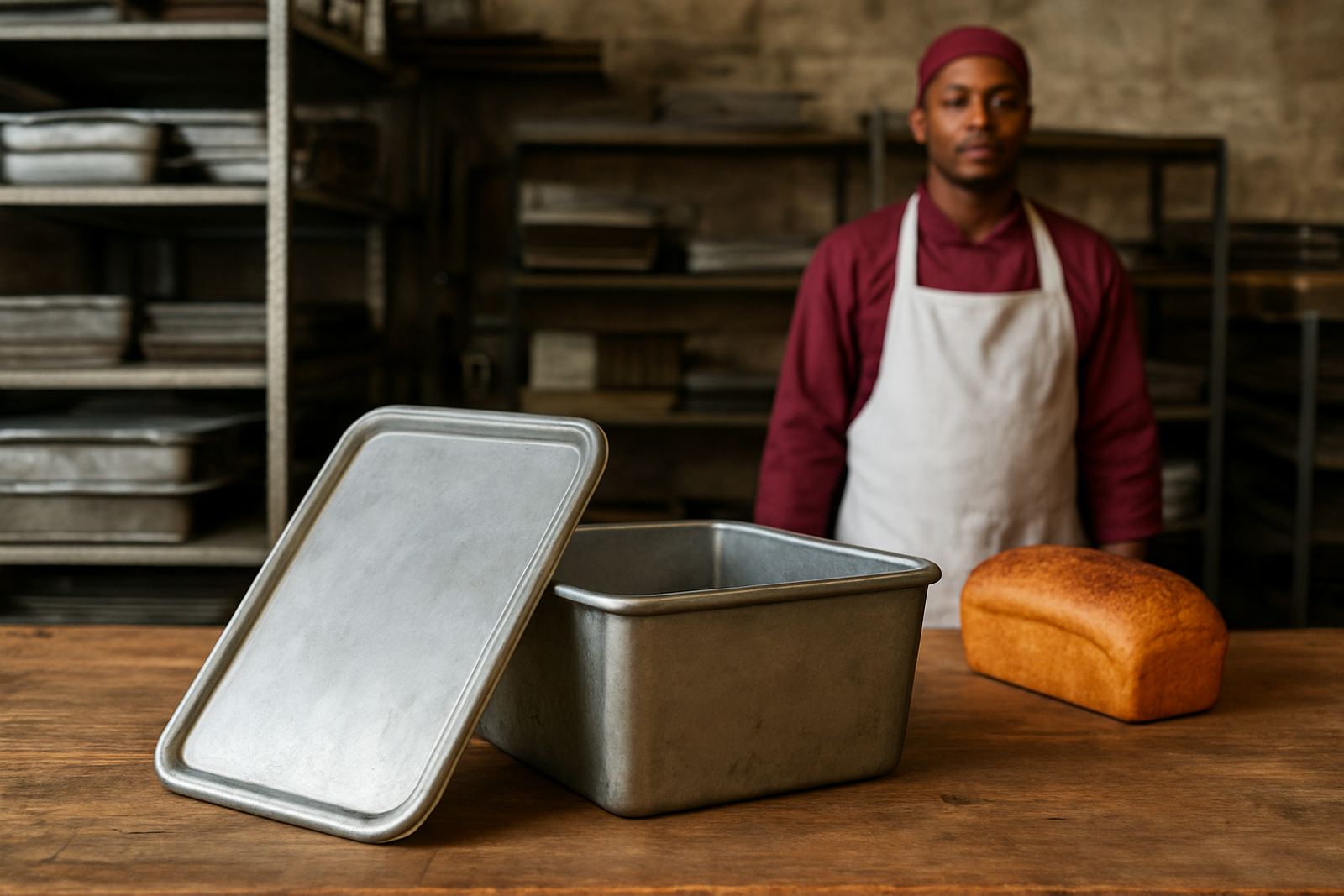
- Raised rim trays for dough, rolls and mixed batches
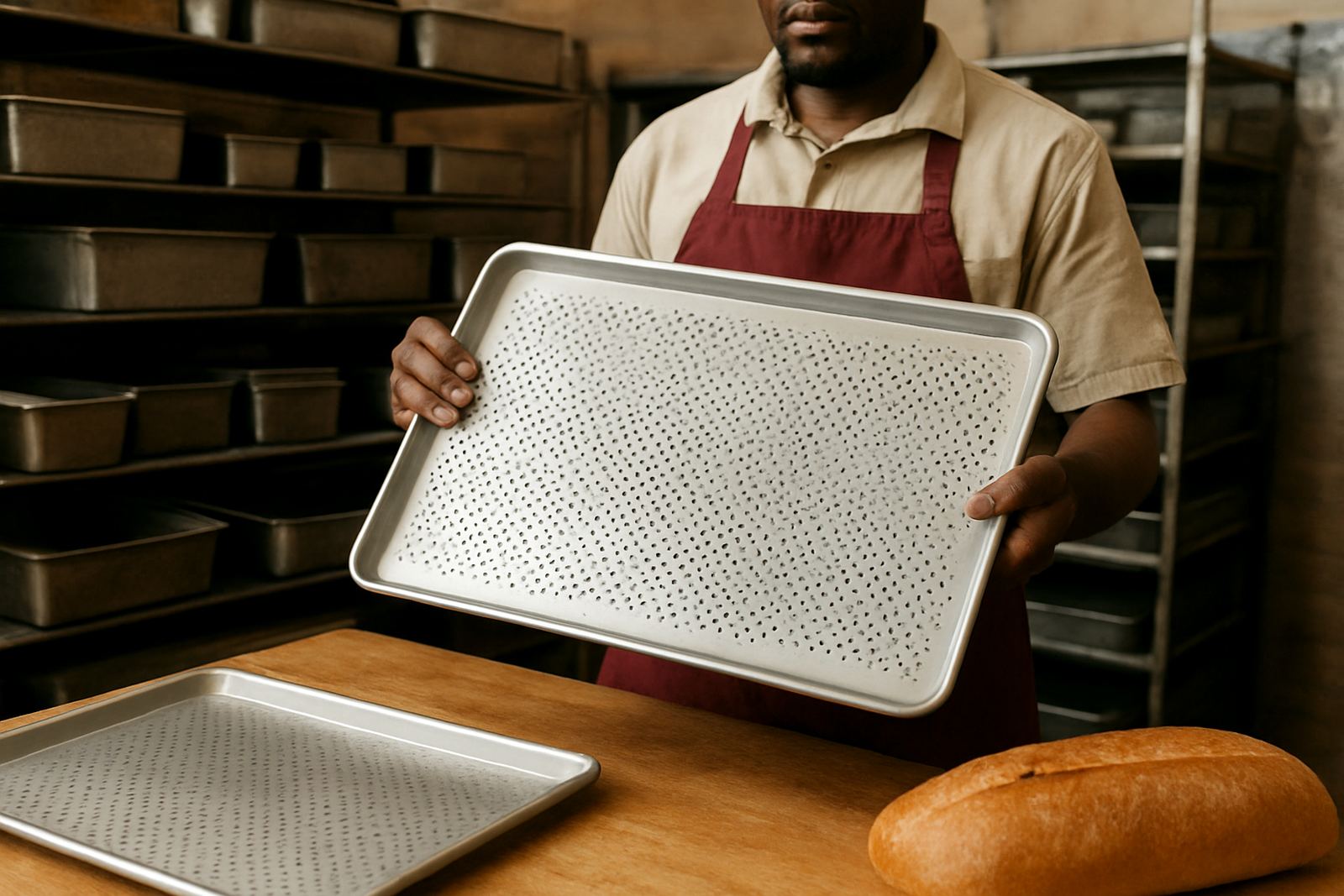
- Plain or perforated formats depending on the product
- Custom length and width to match racks, trolleys or oven shelves
For factories and bakeries running several shifts, we can keep repeat sizes on record for batch reorders. That saves time when the same tray is needed again after wear or expansion of the production line.
Where the Tray Works Best
This tray is suited to bakeries that bake in volume and need consistent tray strength from one shift to the next. It works well for bread proofing and baking support, buns, rolls, fat cakes, savouries and other products that need a flat, strong base. In damp coastal air or in warm inland kitchens, the heavier build helps reduce flexing and keeps the tray easier to handle.
It is also useful where trays are stacked onto trolleys and moved between prep, proofing and oven areas. If your staff are working through load-shedding schedules, generators or gas-fired ovens, the tray still needs to cope with stop-start production and hot handling. A lighter tray may last, but not for long if it gets rough handling every day.
- Commercial bakeries with continuous baking runs
- School kitchens, canteens and catering prep rooms
- Food plants that need repeatable tray sizing
- Independent bakeries replacing bent or thin trays
Fit for Your Oven, Rack or Trolley
Getting the fit right is important before ordering. The tray must suit the shelf spacing, runner depth and trolley width, otherwise it becomes awkward to load and can damage edges over time. We can match trays to your existing setup, or build from measurements if you are starting fresh or changing oven layout.
There is no electrical or gas connection needed for the tray itself, but the tray must suit the heating method in use. In electric ovens the tray should clear the element space and allow air movement. In gas ovens it must sit properly on the runners and not catch on the flame path or side walls. If the bakery runs different oven types on one site, the tray spec should be checked separately for each unit.
- Measure internal oven opening and runner spacing
- Check trolley lip height and loading clearance
- Confirm product size if the tray carries dough pieces or tins
- Allow space for heat movement, especially on wider trays
Care, Cleaning and Long Service Life
Heavy trays last longer when they are cleaned and stored properly. After service, remove dough, sugar build-up and baking residue before it hardens. Harsh soaking and rough scraping can damage the finish, so use the cleaning method that suits your kitchen process. In bakeries with constant production, trays often get set aside too quickly, then corrosion starts from moisture sitting in corners.
For general servicing, check for rim damage, twist, cracked corners and worn surfaces. If a tray is starting to bow, it may still be usable for light work, but it should not stay in a main production line where the fit must remain even. Stack trays carefully so the weight does not press a bend into the next one.
- Dry trays fully before stacking
- Do not leave them in wash areas overnight
- Rotate trays through use so wear is spread
- Inspect edges and corners during routine maintenance
What to Check When You Place an Order
Before ordering, check the exact size, tray depth, gauge and quantity needed. If you want the tray to match an existing unit, send measurements or a sample for size matching or pan copying. If you need repeat production, it helps to note whether the tray is for bread, rolls, pastries or general oven support. That information affects the final build and the way the tray is finished.
Ask about heavier builds if the tray will be loaded often or moved between sites. For bakeries in Alrode, Soweto, Alberton and Germiston, we also look at turnaround times for batch reorders so production does not run short. If the order is going into a new oven room, it is worth checking the shelf spacing before fabrication starts, rather than after the first test run.
- Exact outside and inside measurements
- Required quantity and reorder plan
- Any special shape, rim or perforation
- Oven type, trolley type and loading method
Local Supply from Alrode to the Greater Gauteng Area
We work from Alrode in Johannesburg South and supply bakery and catering customers across Gauteng. Our team handles enquiries, production and dispatch in-house, which helps when a site needs a straight answer on fit, timing or a repeat order. For bakeries dealing with order changes, equipment upgrades or shift work, it is easier when the tray maker understands the day-to-day pressure on the floor.
If you need a heavy oven tray for a bakery, plant kitchen or food production site, we can discuss the use case, confirm the measurements and prepare a practical build. Email orders@bakerycateringequipment.co.za with your size details, photos or a sample reference and we will work from there.
Key facts
| Product | Heavy Oven Tray |
|---|---|
| Material | Heavy gauge mild steel |
| Use | Daily bakery baking and oven handling |
| Sizes | Standard and custom to sample or measurement |
| Finish | Plain or perforated options |
| Area supplied | Alrode, Johannesburg South and Gauteng |