

Choosing bakeware for the way you bake
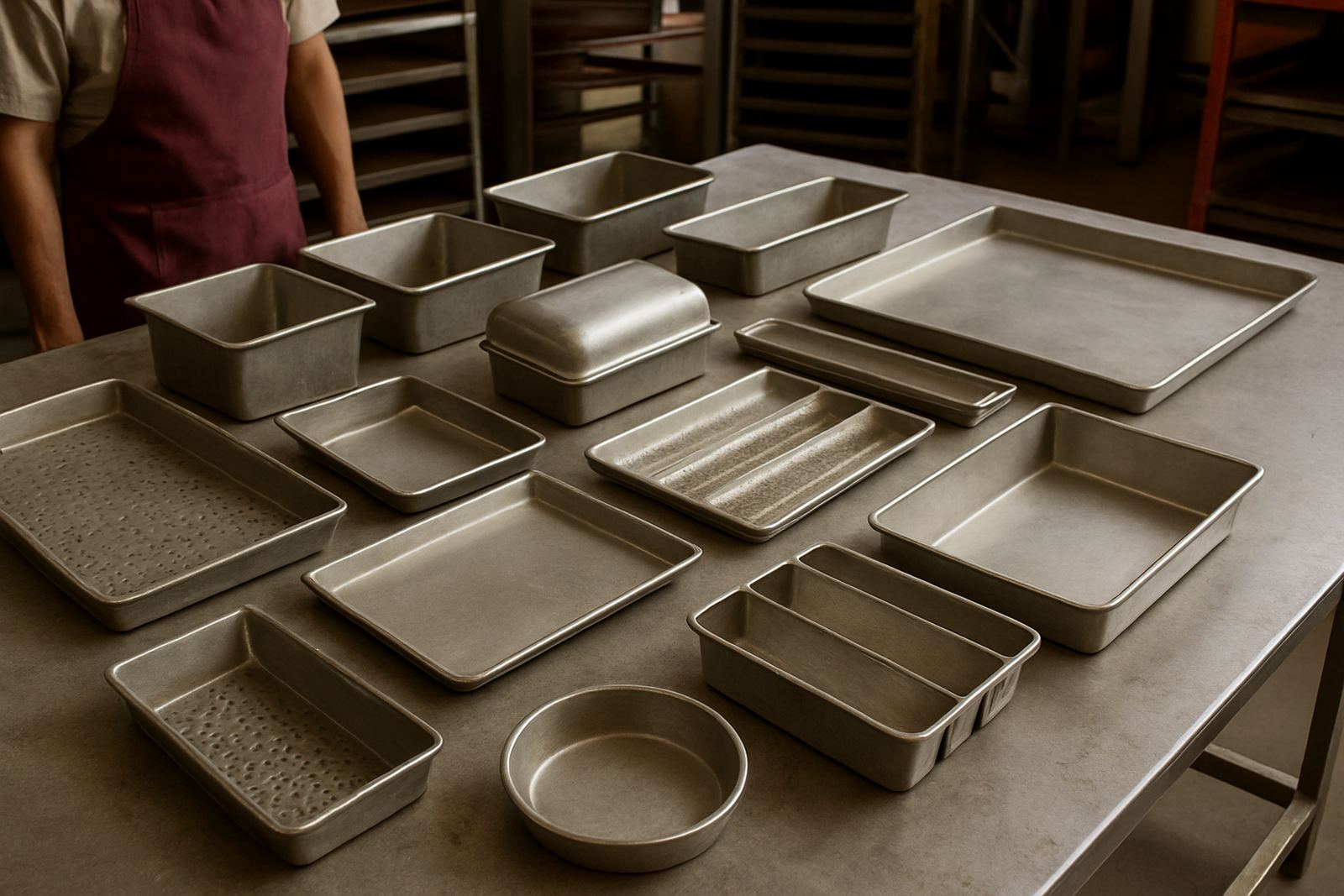
Every bakery works a little differently. Some run daily white and brown loaves, others push smaller rolls, baguettes, or mixed tray bakes, and some need a combination that changes through the week. The right pan depth, tray length, perforation pattern and lid fit all affect how dough behaves in the oven and how quickly product moves through the shop.
From our base in Alrode, Johannesburg South, we supply bakeware for bakeries that need repeatable sizes and practical handling. If you are working with older deck ovens, fan ovens, proving rooms, or a mix of manual and batch production, the starting point is usually the same: match the pan or tray to the product weight, bake time, and your usual turnover. That saves fuel, reduces sticking, and keeps the bake more even.
Bread bakeries with regular loaf production
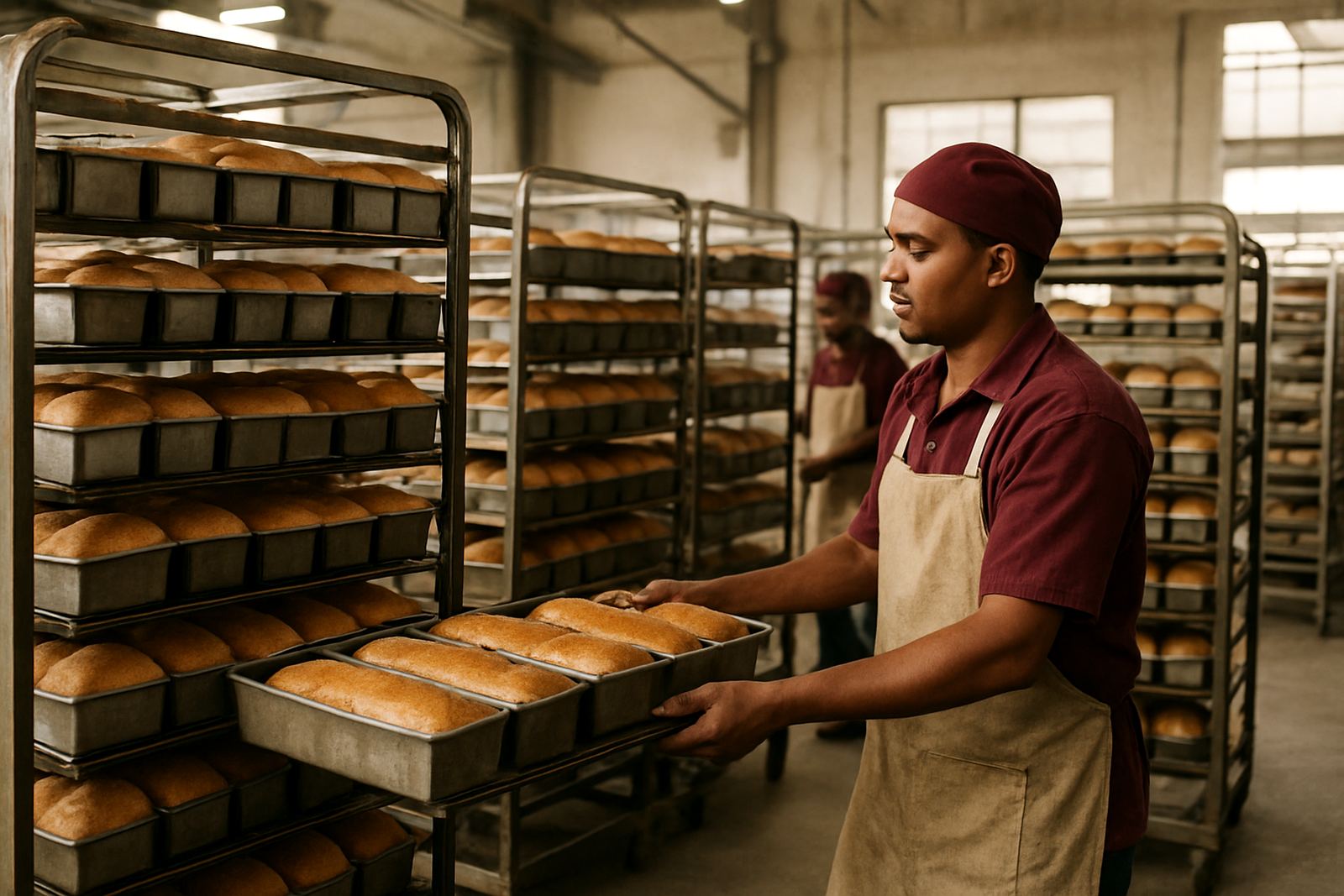
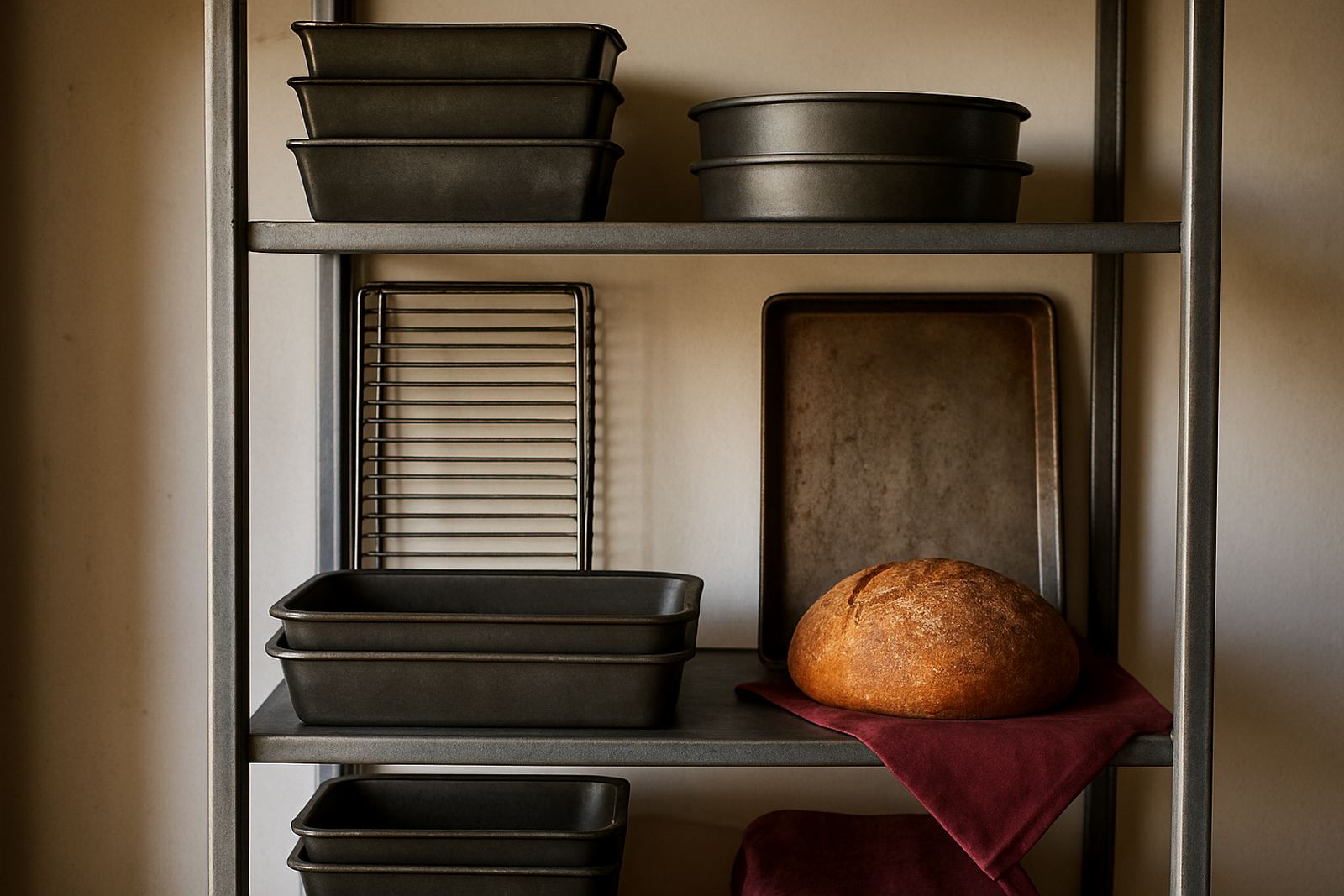
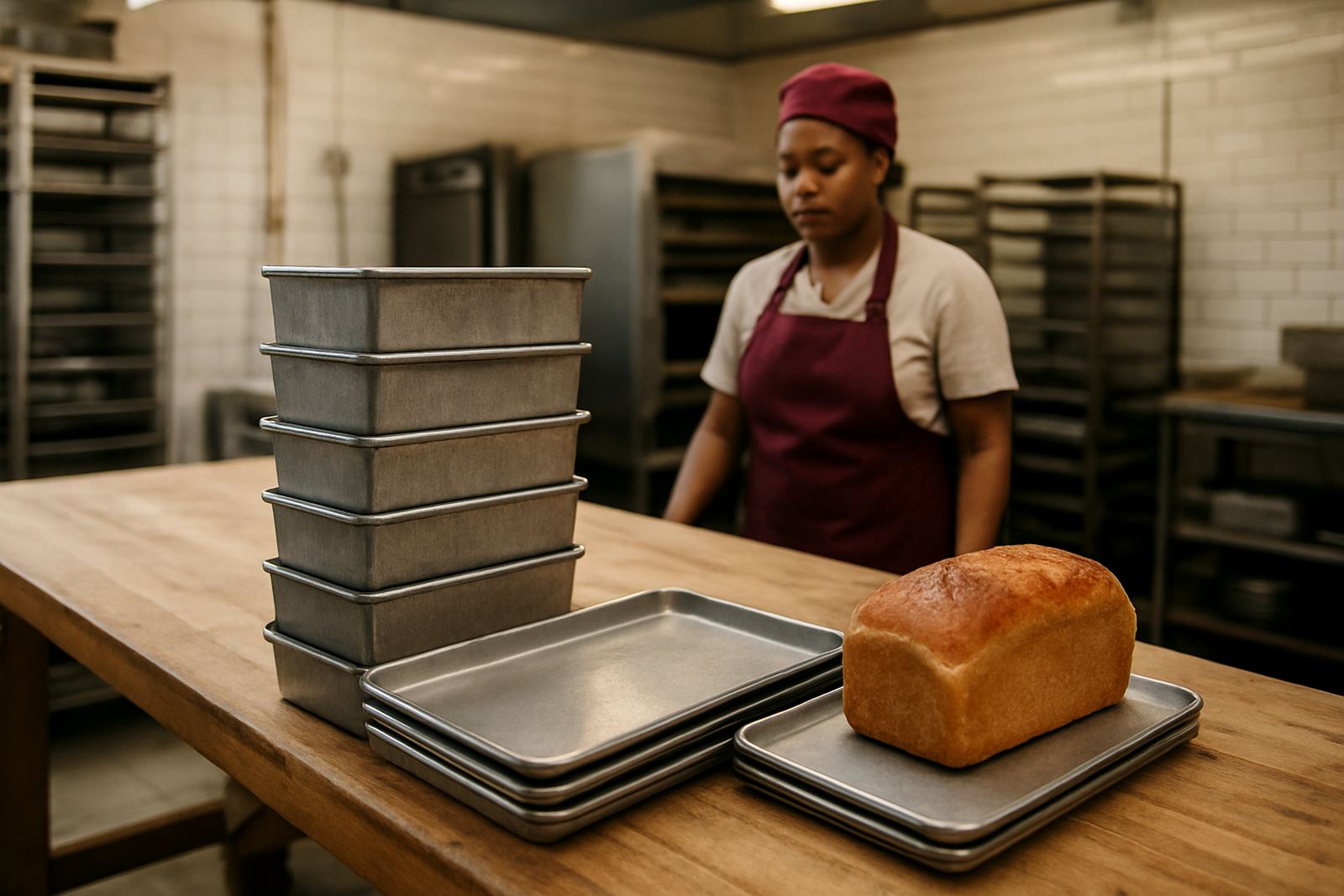
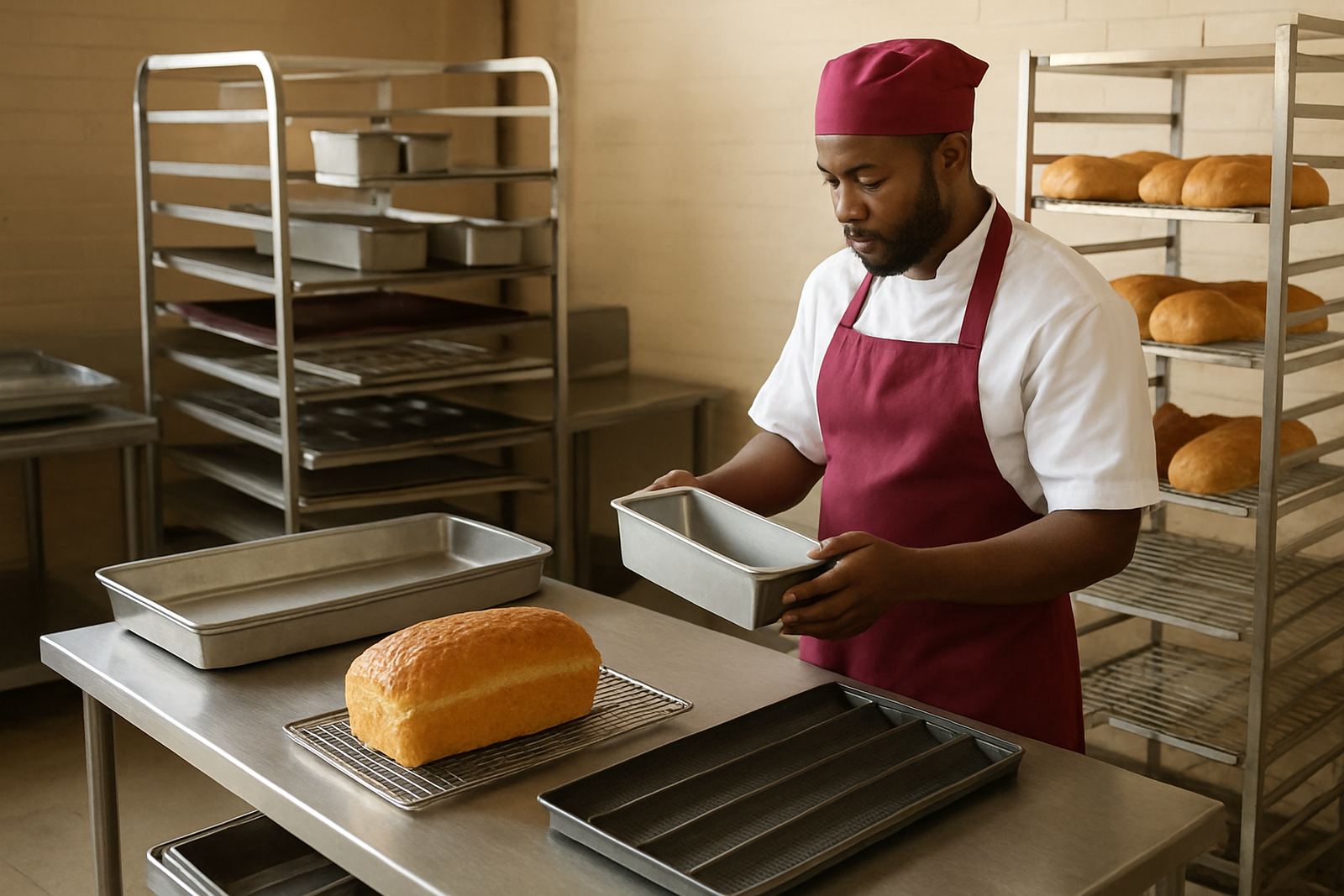
Bread bakeries need pans that hold shape, release cleanly, and stand up to daily use. Standard bread pans and lids are used for sliced loaves, sandwich bread, and heavier doughs that need a controlled rise. We make mild steel pans for routine production, plus heavier gauge options where the loading is high or the pans are handled often.
For bakeries in places like Germiston, Boksburg, Midrand, and Soweto, consistency matters because deliveries, school orders, and retail supply all run on fixed times. A pan that copies an existing size can keep production steady if you are replacing old stock, while a fitted lid helps maintain loaf height and top finish. If the current pan is dented or the seam has shifted, it can throw off the whole line.
- Standard bread pans for daily loaf output
- Lids for controlled top shape and crust finish
- Heavy gauge builds for busier shifts
- Size matching for replacement pans and older ovens
Bakeries focused on rolls, buns, and smaller portions
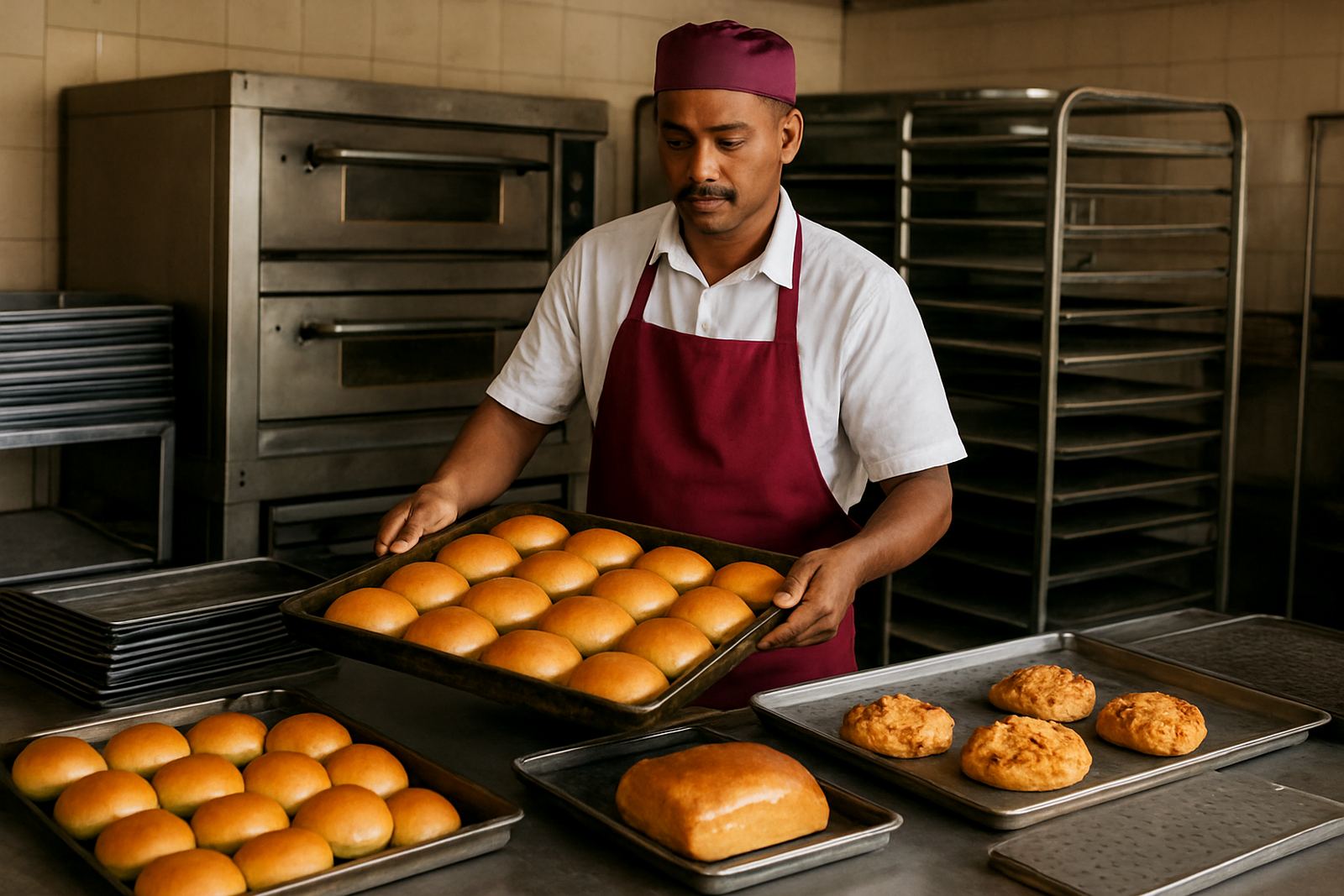
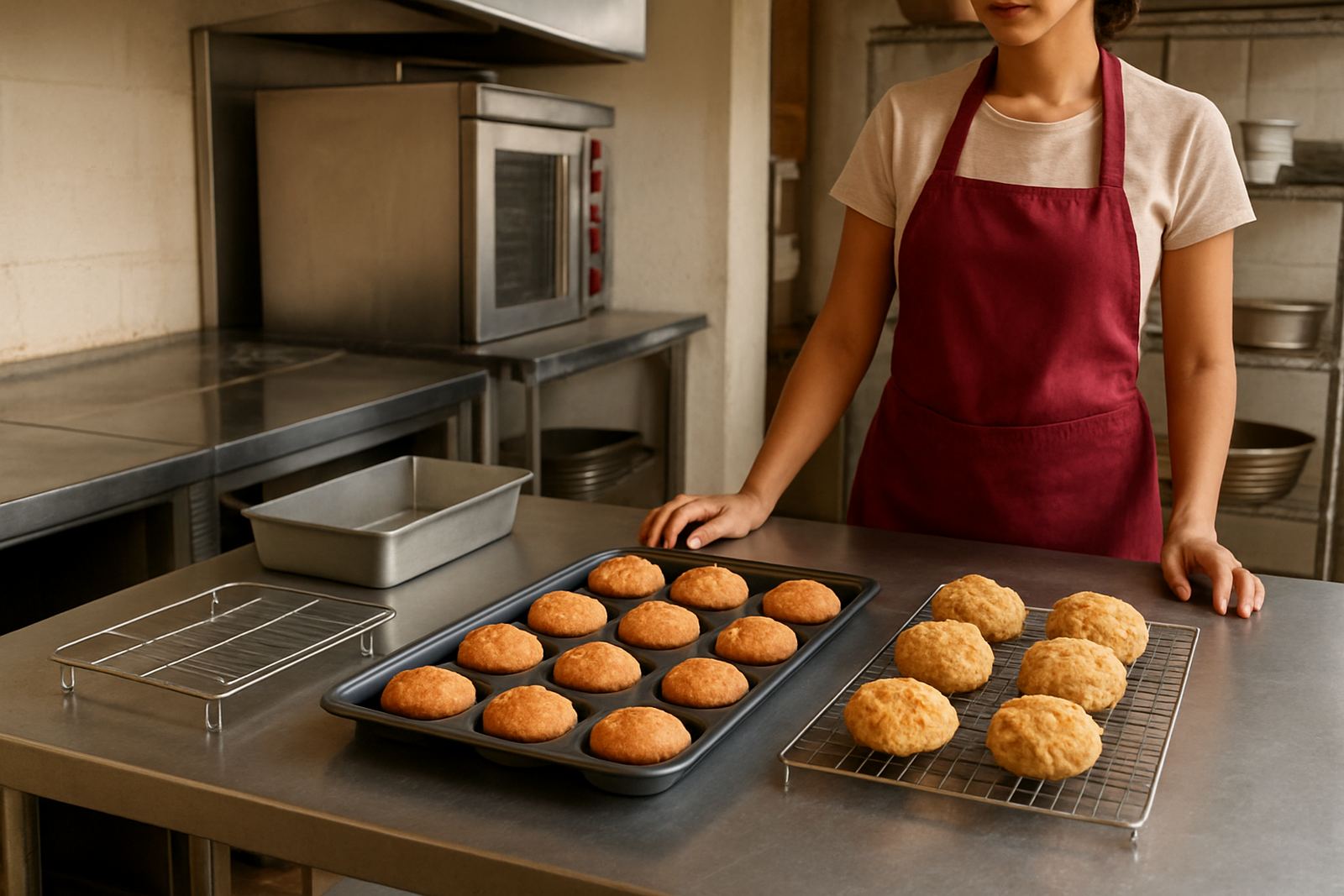
Roll and bun bakeries often need broader tray coverage rather than deep pans. The aim is to get clean spacing, good heat flow, and easy handling between proofing and baking. Tray layout also matters when the team is moving fast and loading many items at once, especially during peak mornings or after load-shedding interruptions when the oven schedule shifts.
Perforated trays can help with airflow under lighter products, while divider inserts are useful where portion control is important. If your bakery sells mixed packs, or if you bake a few different roll sizes on the same run, the tray setup should let staff keep order without slowing down. It also helps with cooling, because product can be moved off the tray sooner and stacked with less risk of soft bottoms.
Baguette production and crust work
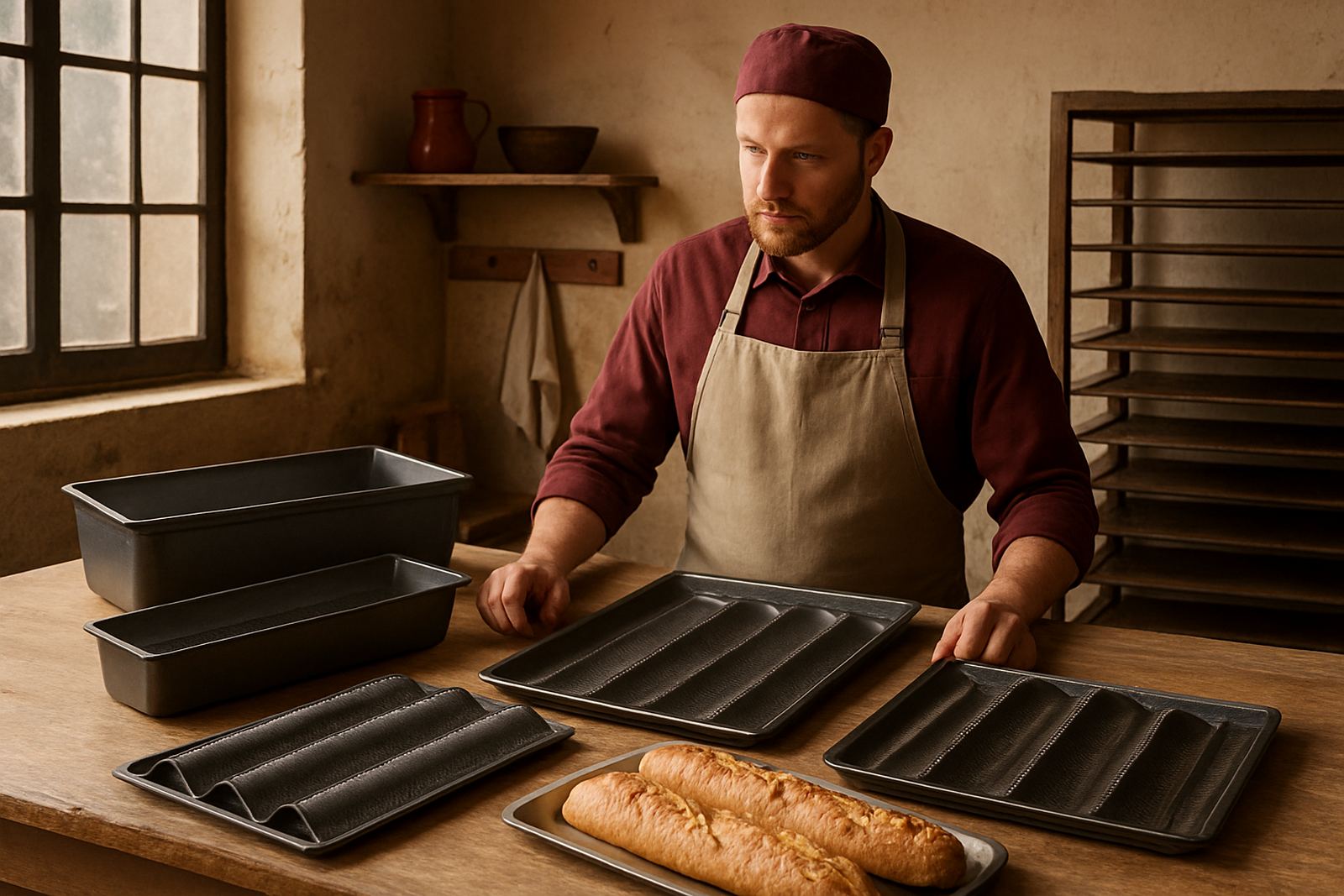
Baguette trays are used where shape and crust matter as much as volume. A formed tray keeps the dough aligned and supports the side profile through proving and bakeout. Perforated baguette trays can improve airflow, which is useful when you want a drier base and a cleaner finish. That is especially helpful in humid coastal conditions, but it also suits inland bakeries that need a more even bake from batch to batch.
We can form trays to suit your output goals, from smaller retail batches to larger production runs. If the dough is sticking or the tray is wearing faster than expected, the solution may be a different gauge or a revised perforation pattern rather than a complete change of process. Small changes here can make a real difference, and save time on the line.
- Baguette forming for shaped dough support
- Perforated trays for better airflow
- Tray copies for replacing older equipment
- Prototype runs before full batch orders
Mixed bakeries with more than one product line
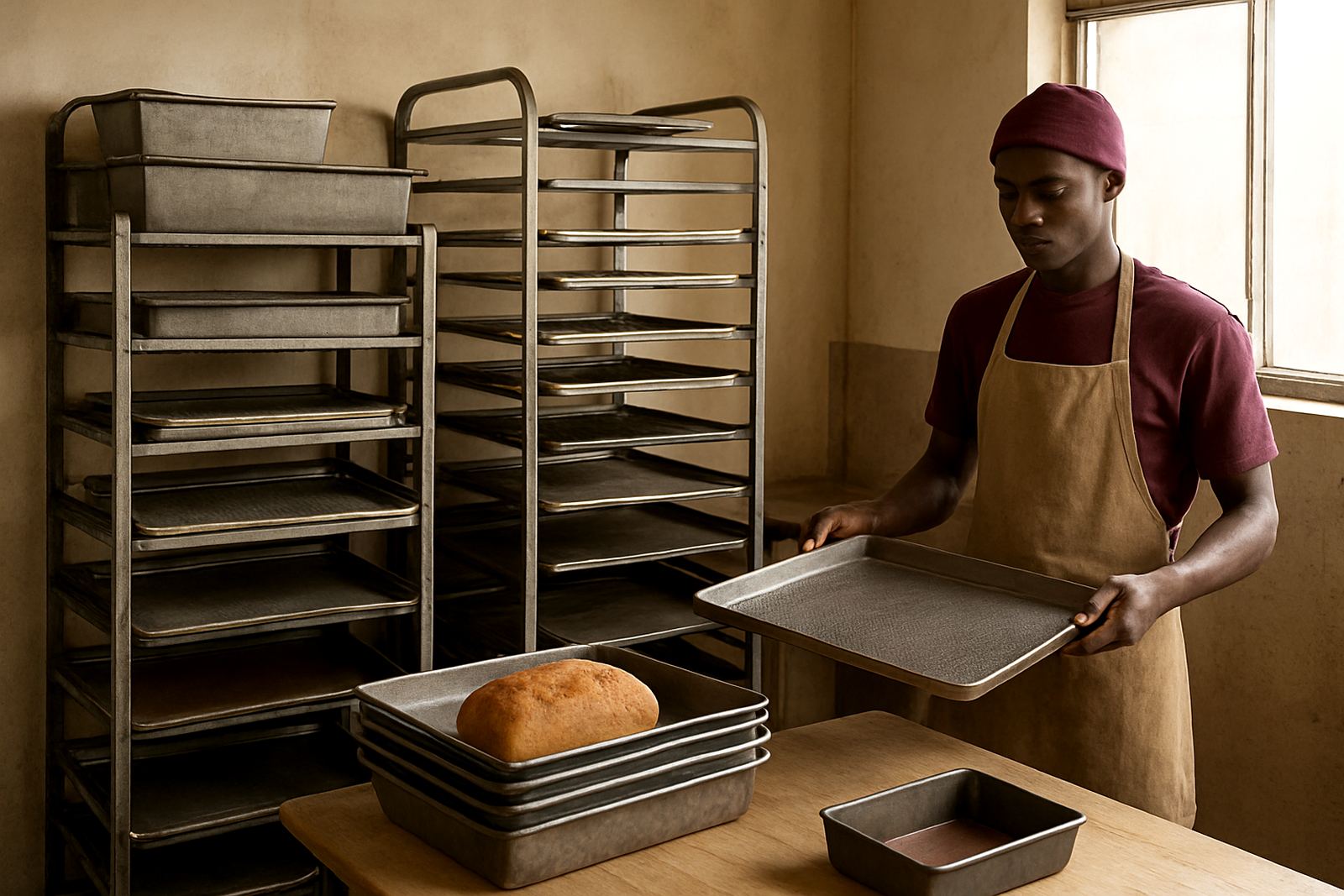
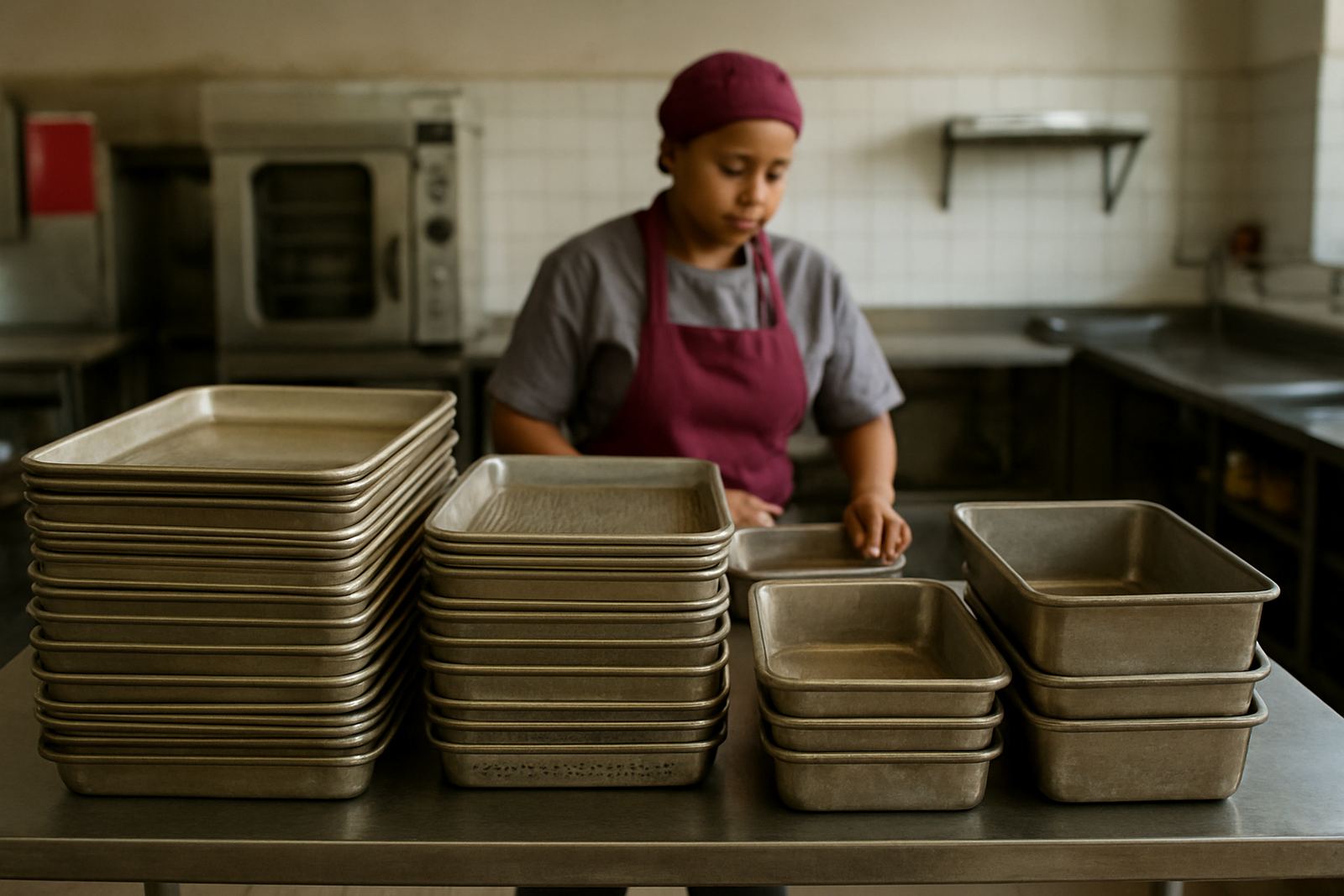
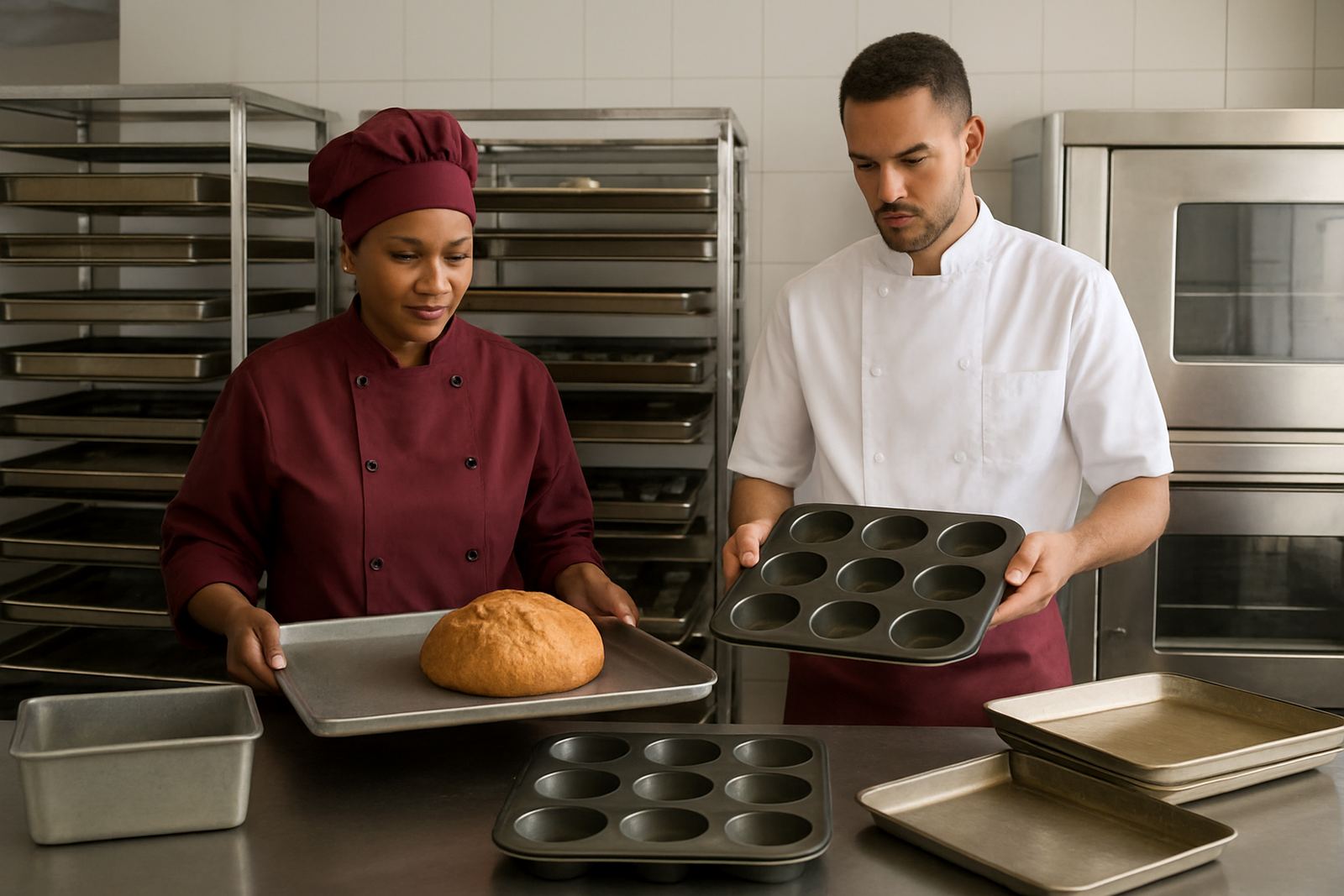
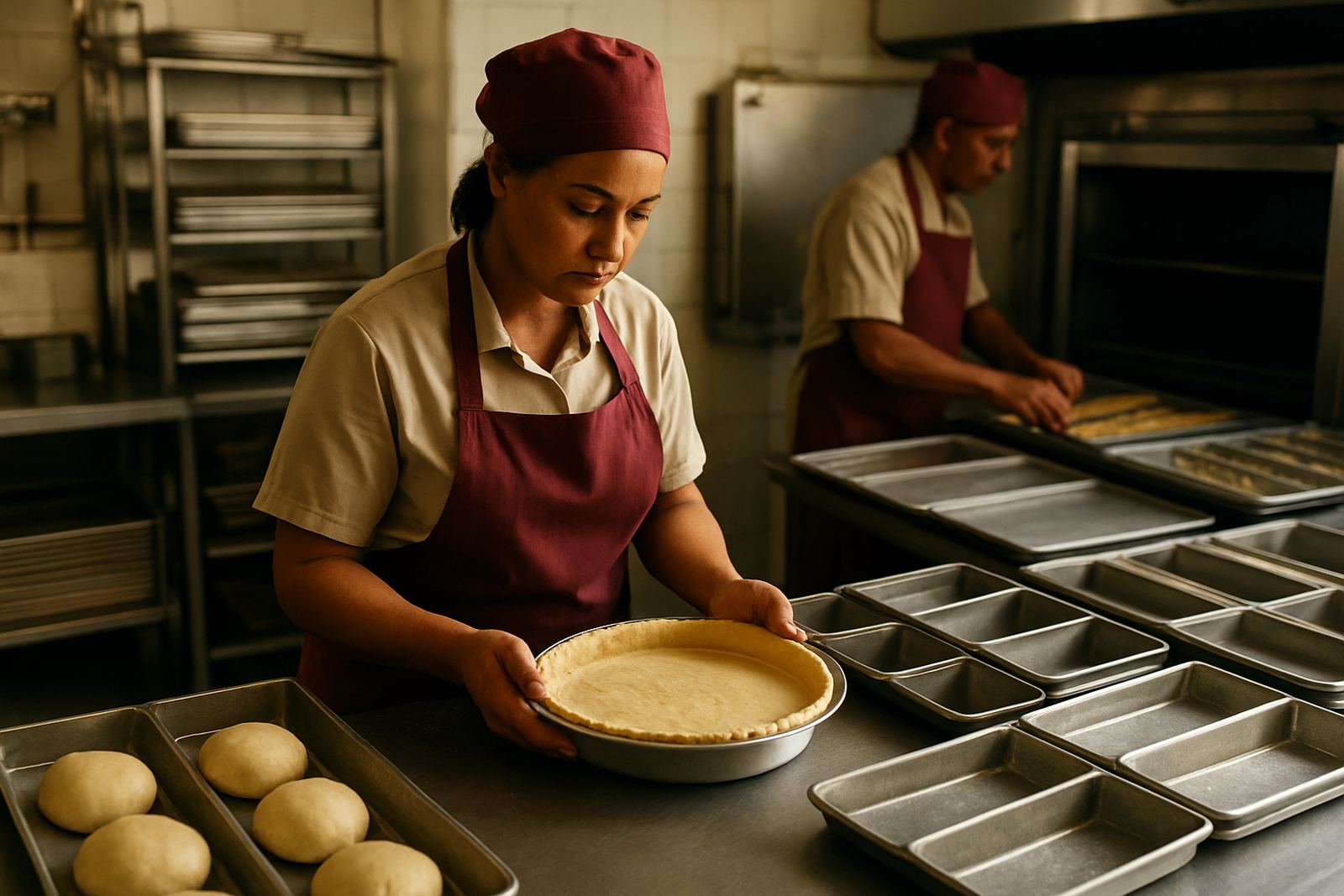
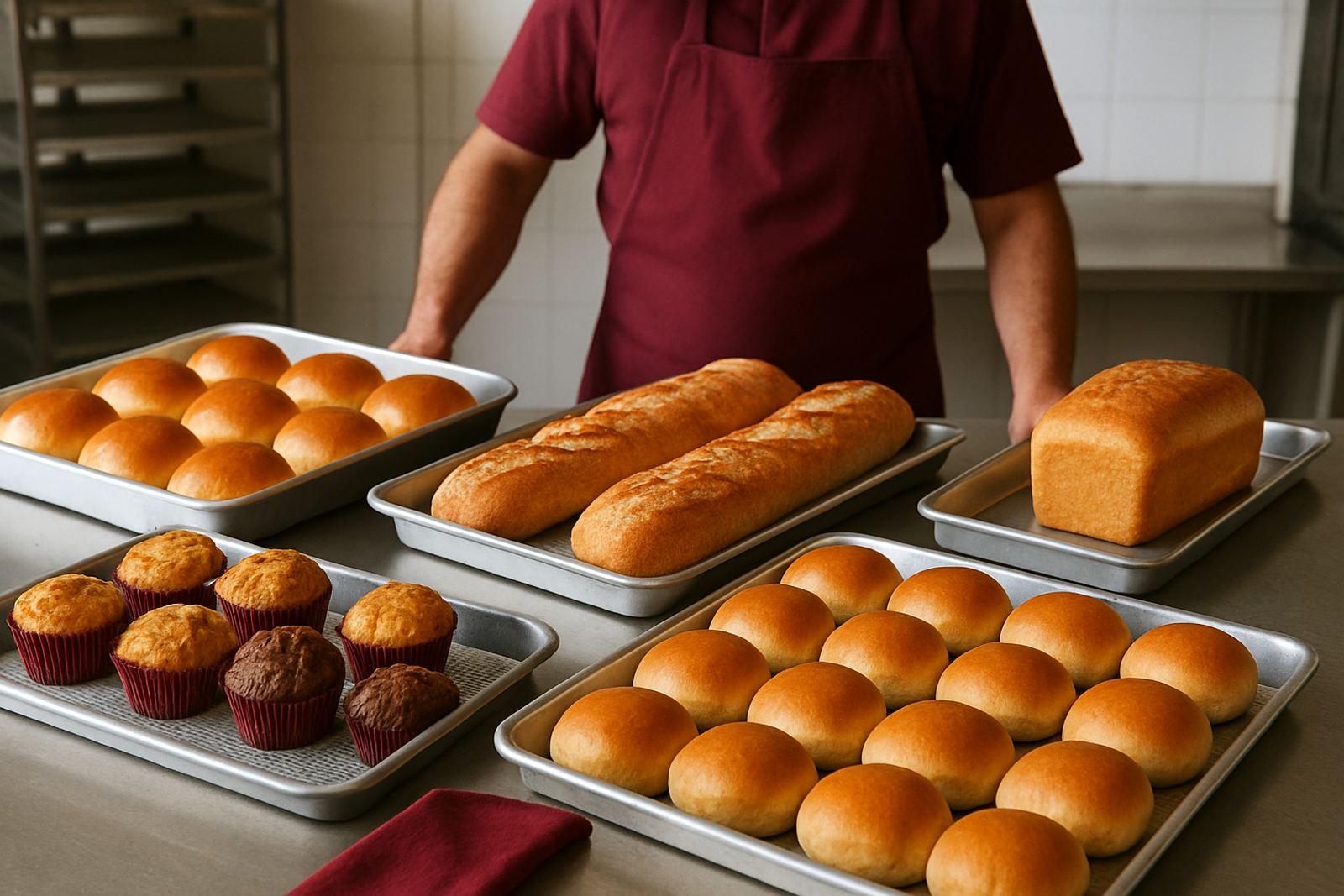
Many bakeries do not make only one product. They may run bread in the morning, rolls at midday, and tray bakes or specialty loaves later in the day. In those cases, the bakeware has to work across more than one production style without creating confusion for the team. Clear sizing, sensible stacking, and dependable fitting all help keep the shift moving.
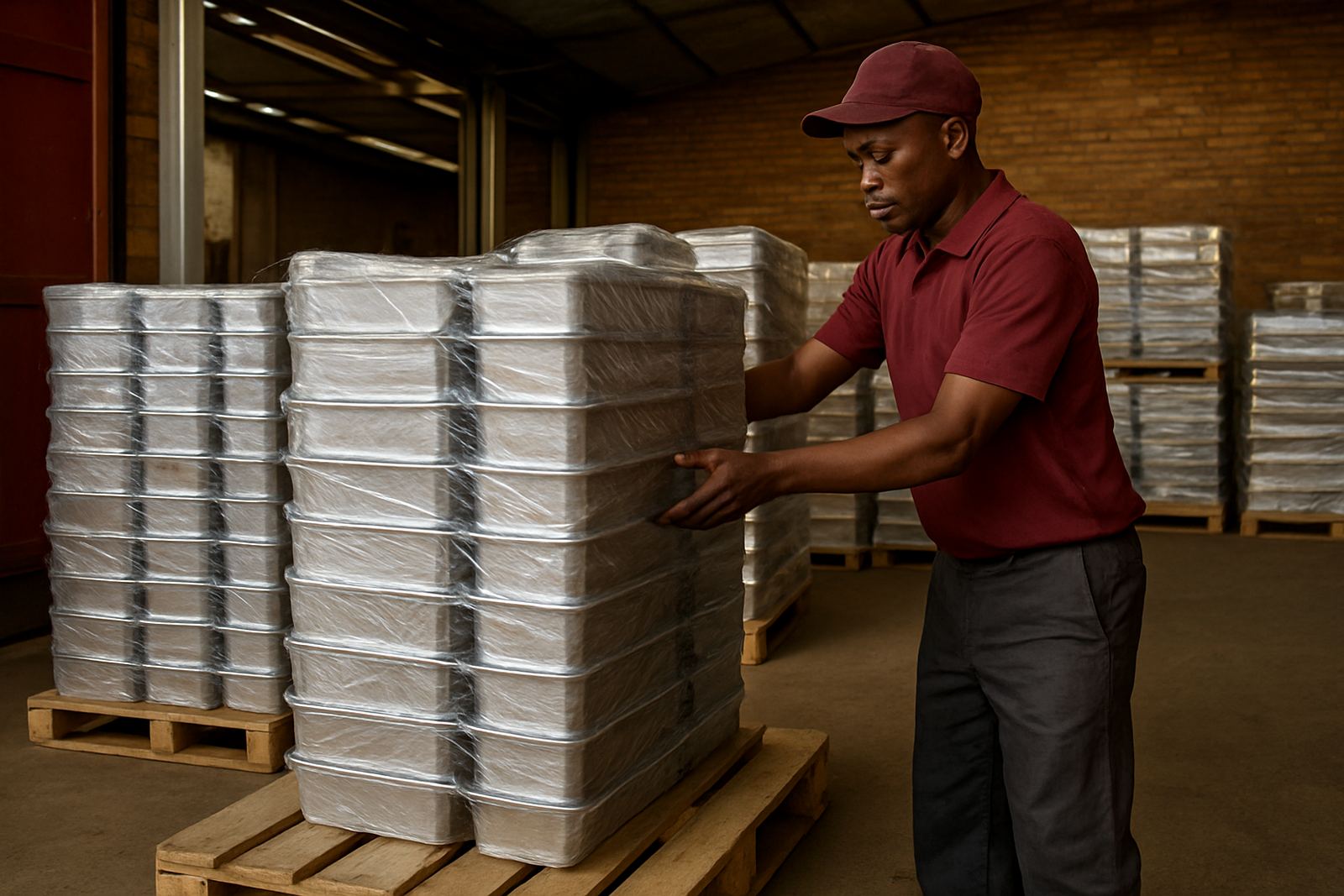
Our factory consultation service is useful when you are planning a new line or reworking an old one. We look at how trays are stored, loaded, cleaned, and dispatched, then suggest a practical setup. That can include batch reorders, pan copying, or a mix of standard sizes and custom items. For businesses in Alrode, Alberton, and the surrounding Gauteng industrial areas, local support keeps lead times manageable.
How to choose the right bakery type page
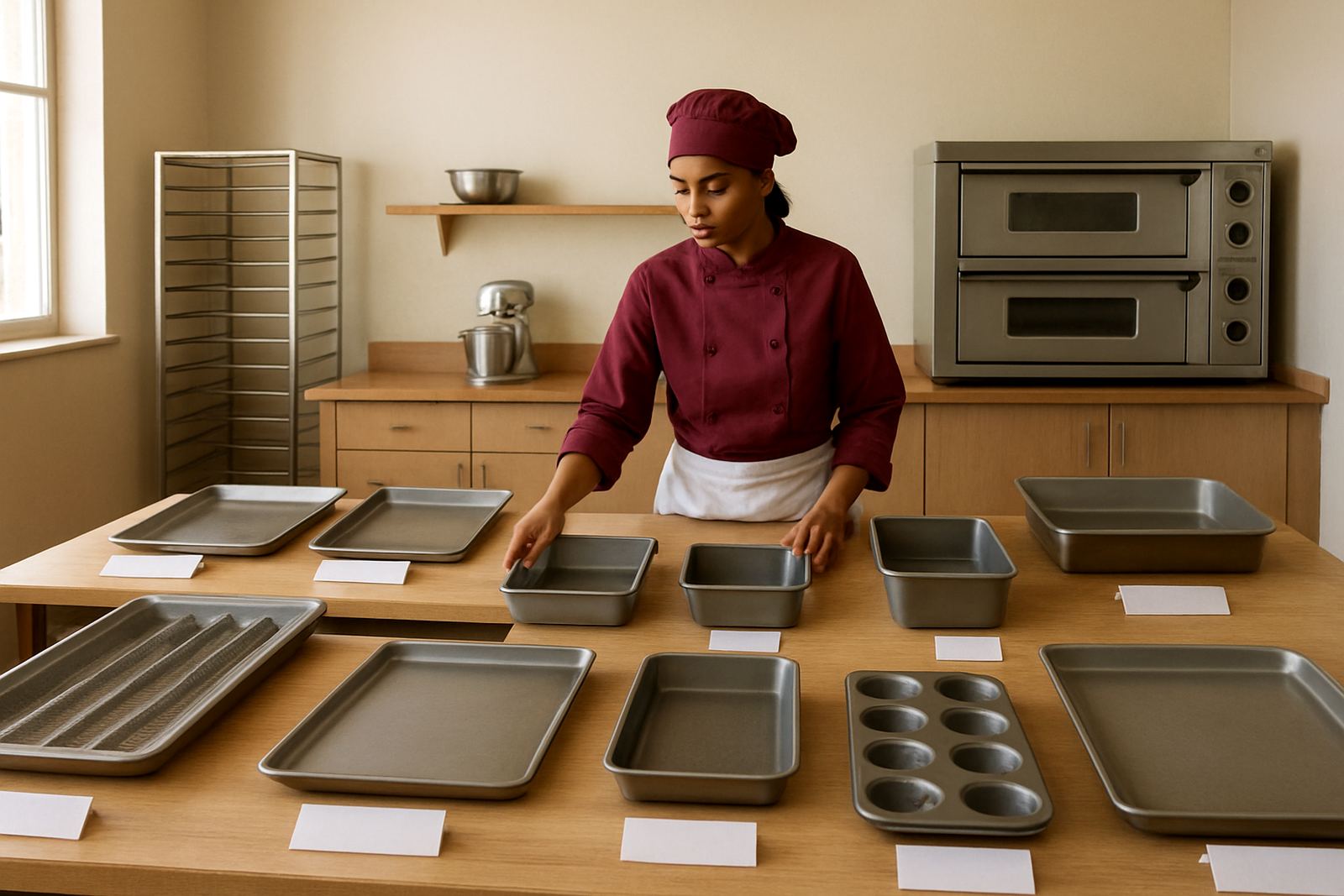
If you are comparing bakery types, start with the product itself. Ask what you bake most often, how many pieces you need per shift, what oven space is available, and whether the product must be shaped, perforated, lidded, or divided. Then look at handling. A tray that is fine in a small test run can be awkward once the bakery is pushing higher numbers every day.
These pages group our bakeware by production style so you can narrow down the best fit before placing an order. If you already have an old pan or tray, we can work from that sample and match the size closely. That is often the quickest way to keep production moving without changing the rest of the line too much.
- Match the bakeware to the product and oven
- Check handling, stacking, and cleaning needs
- Use samples for accurate copying and fitting
- Plan for daily use, not only the first run