



How to choose the right care guide for your bakeware
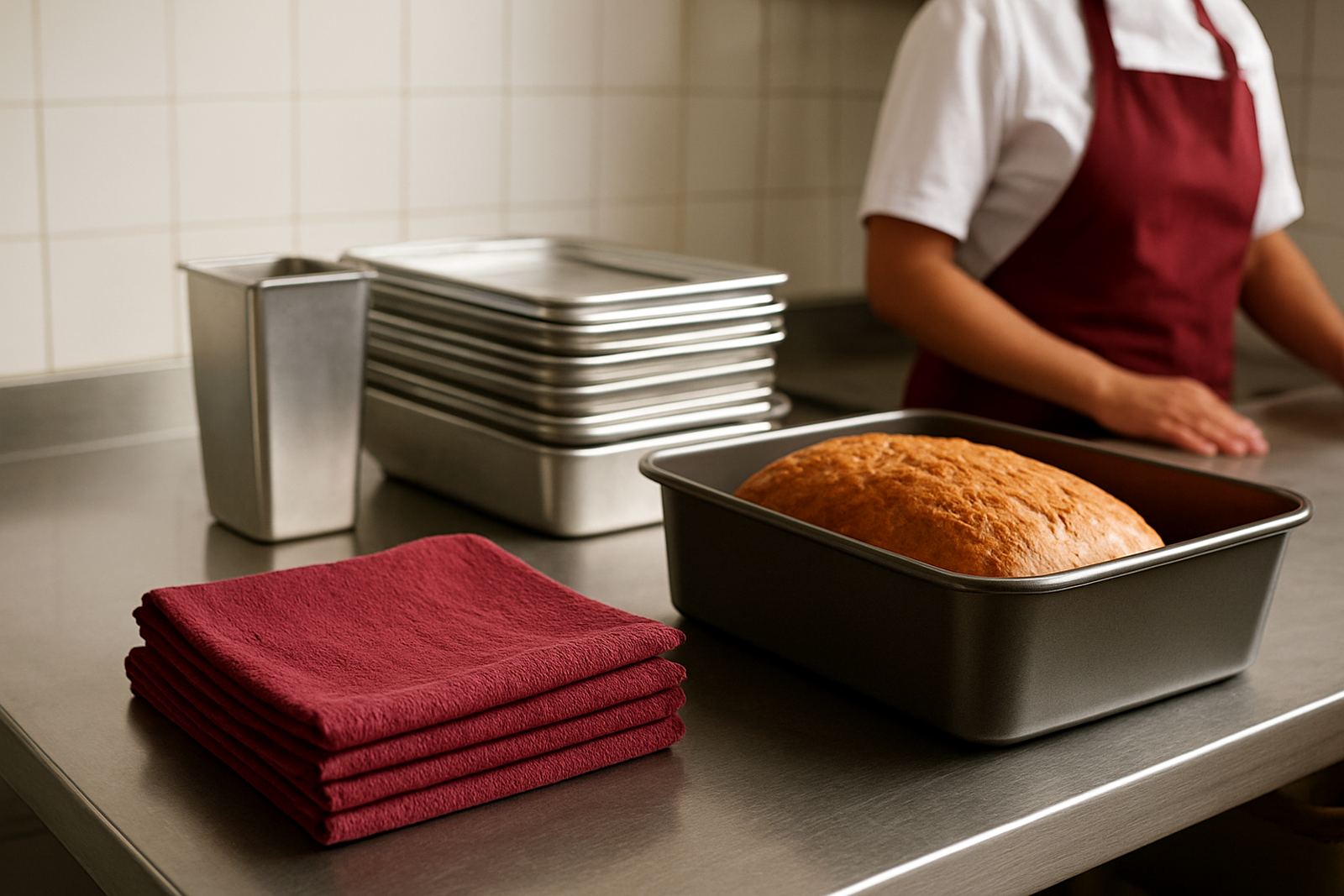
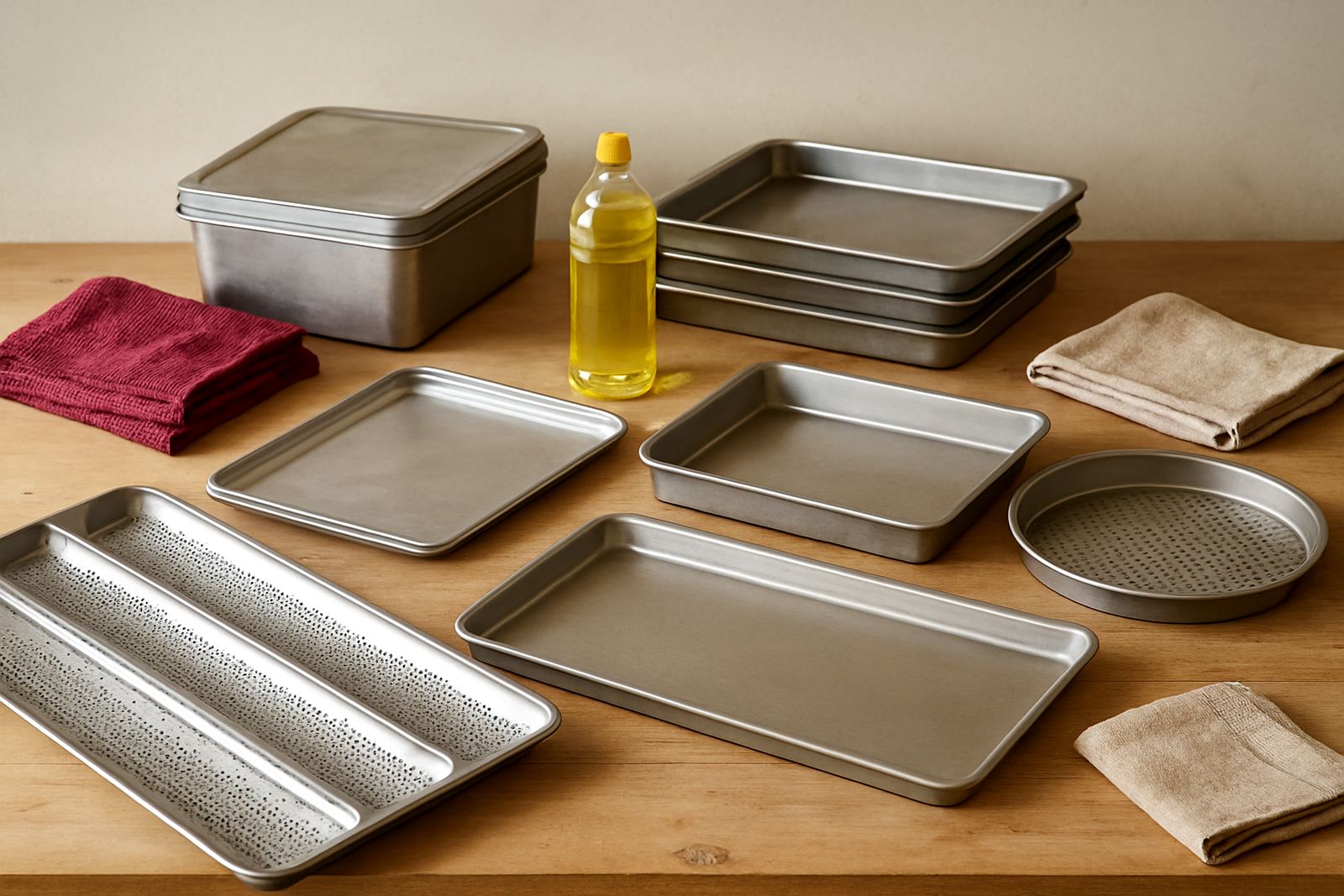
Not every pan, tray or lid needs the same handling. A mild-steel bread pan in a hot production room behaves differently to a perforated tray or a baguette tray with formed channels, so the right routine depends on the item, the finish and how often it is used. If your bakery runs long shifts, shares equipment between teams, or works in coastal humidity, small habits make a real difference.
Use these guides as a starting point. They help you match the care method to the item, whether you are dealing with BO3, BO4 or BO5 pans, lids, divider inserts or batch reorders. If you are unsure, check the item dimensions, wall thickness and fitting style before you place the next order.
Daily handling habits that save pans and trays
Most damage starts at the line, not in the workshop. Dropping trays, stacking wet pans, scraping with sharp tools and forcing lids on the wrong pan will shorten service life fast. In busy sites around Alrode, Germiston and Soweto, the best results usually come from simple controls that every shift can follow.
- Let items cool before washing, especially heavy gauge pans.
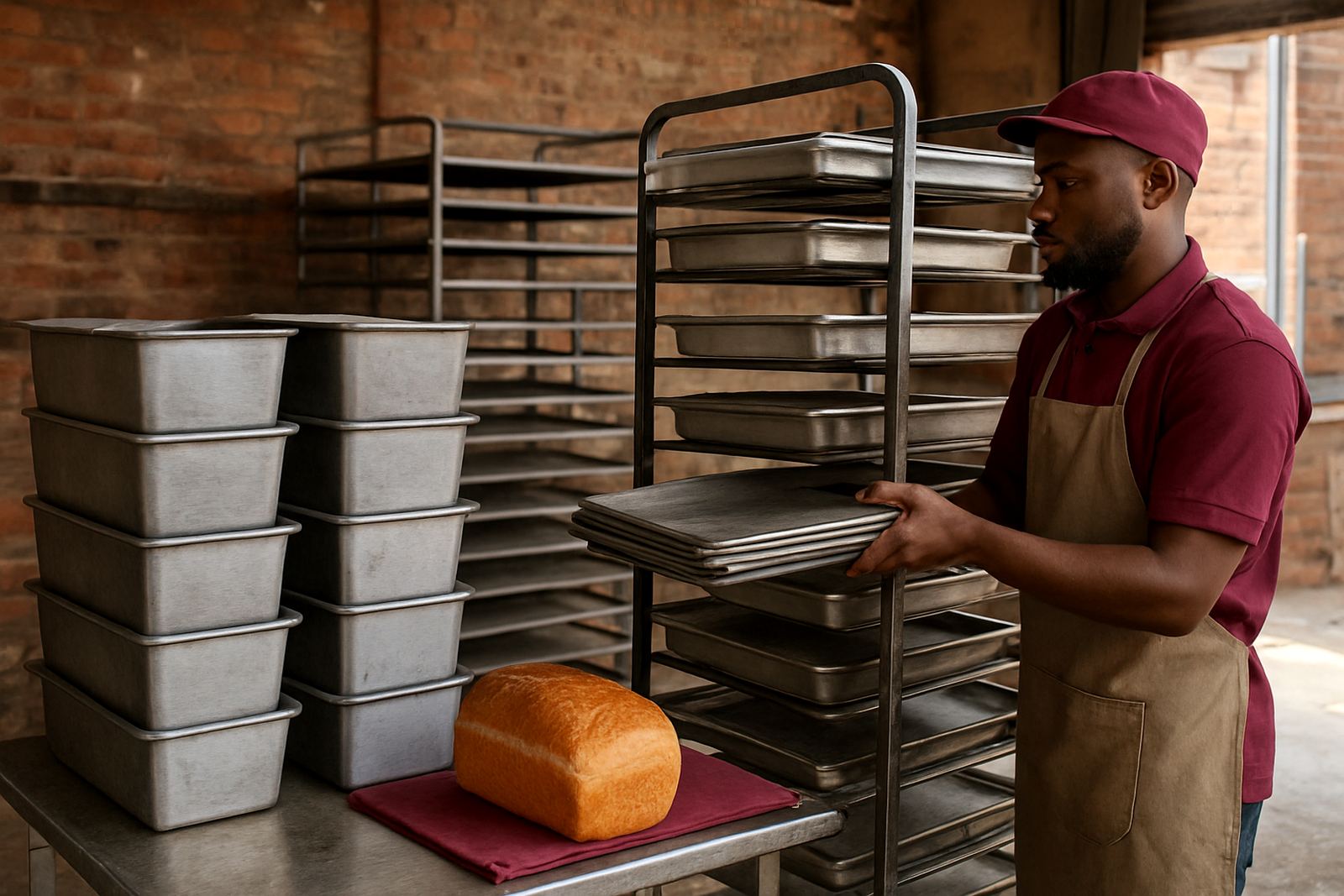
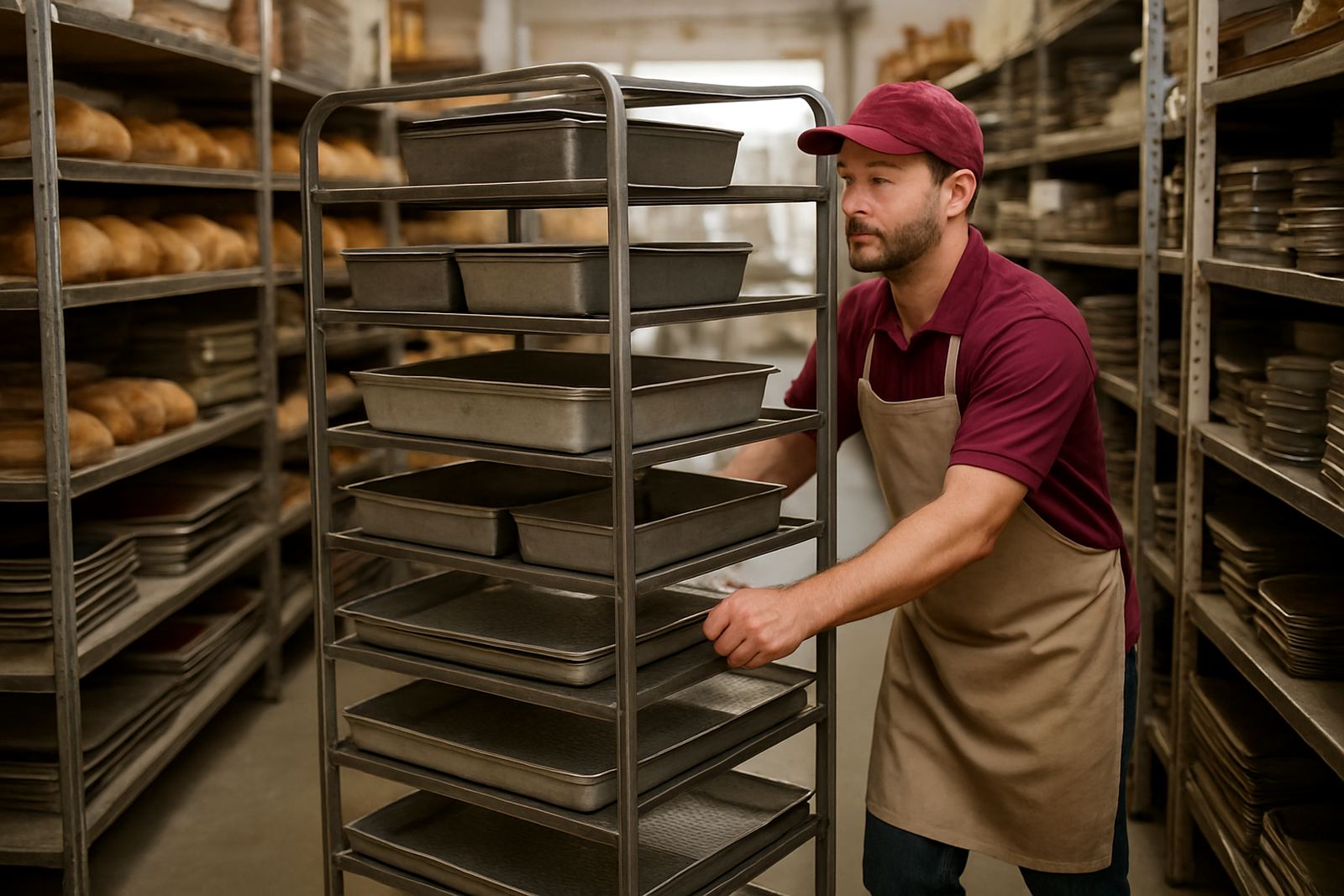
- Lift and place, do not drag, across steel benches or racks.
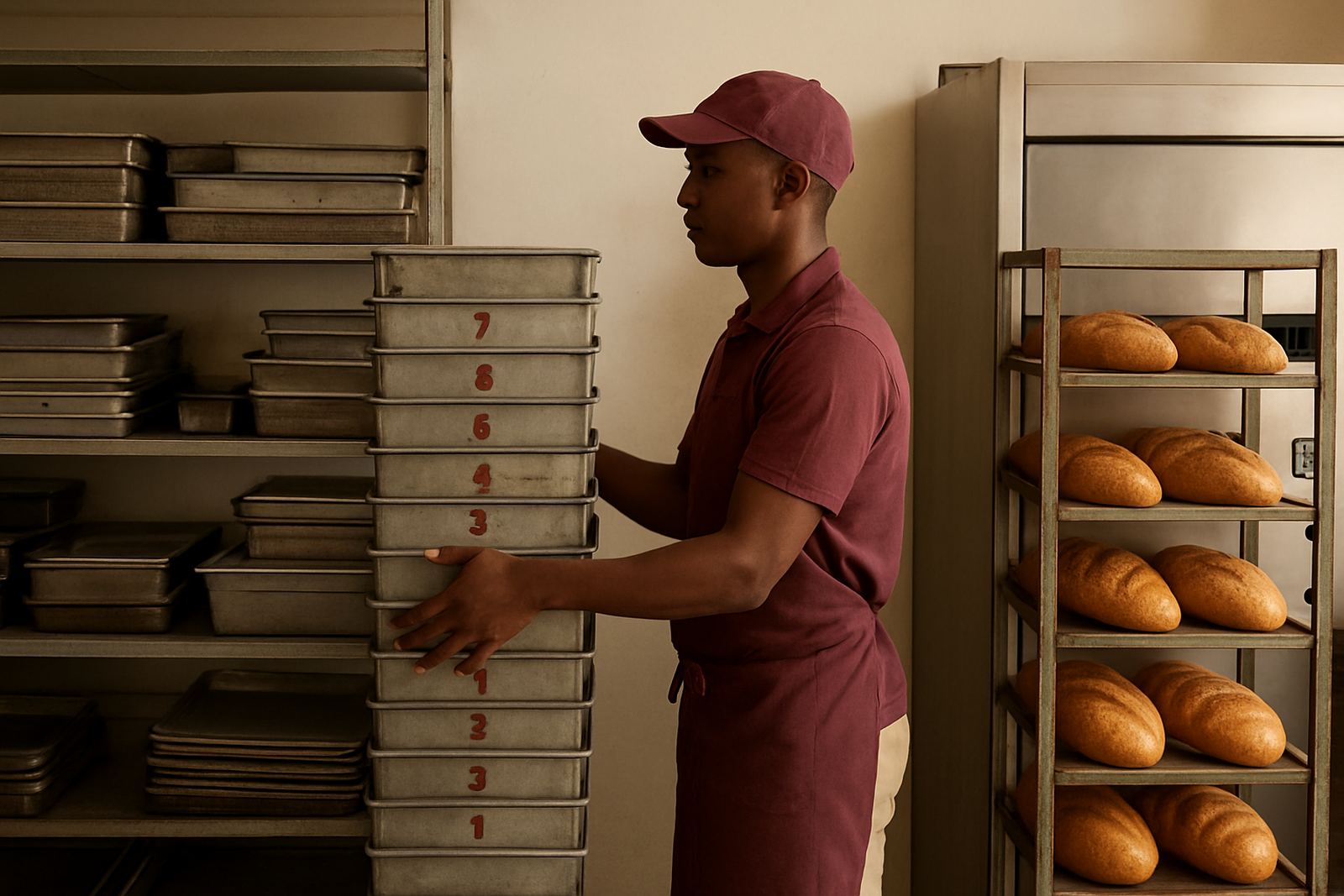
- Stack in the correct size order so rims do not bend.
- Keep lids and pans matched by size and fit, not by guess work.
- Separate damaged items for repair or replacement before they affect production.
Cleaning methods for mild-steel bakeware and perforated trays
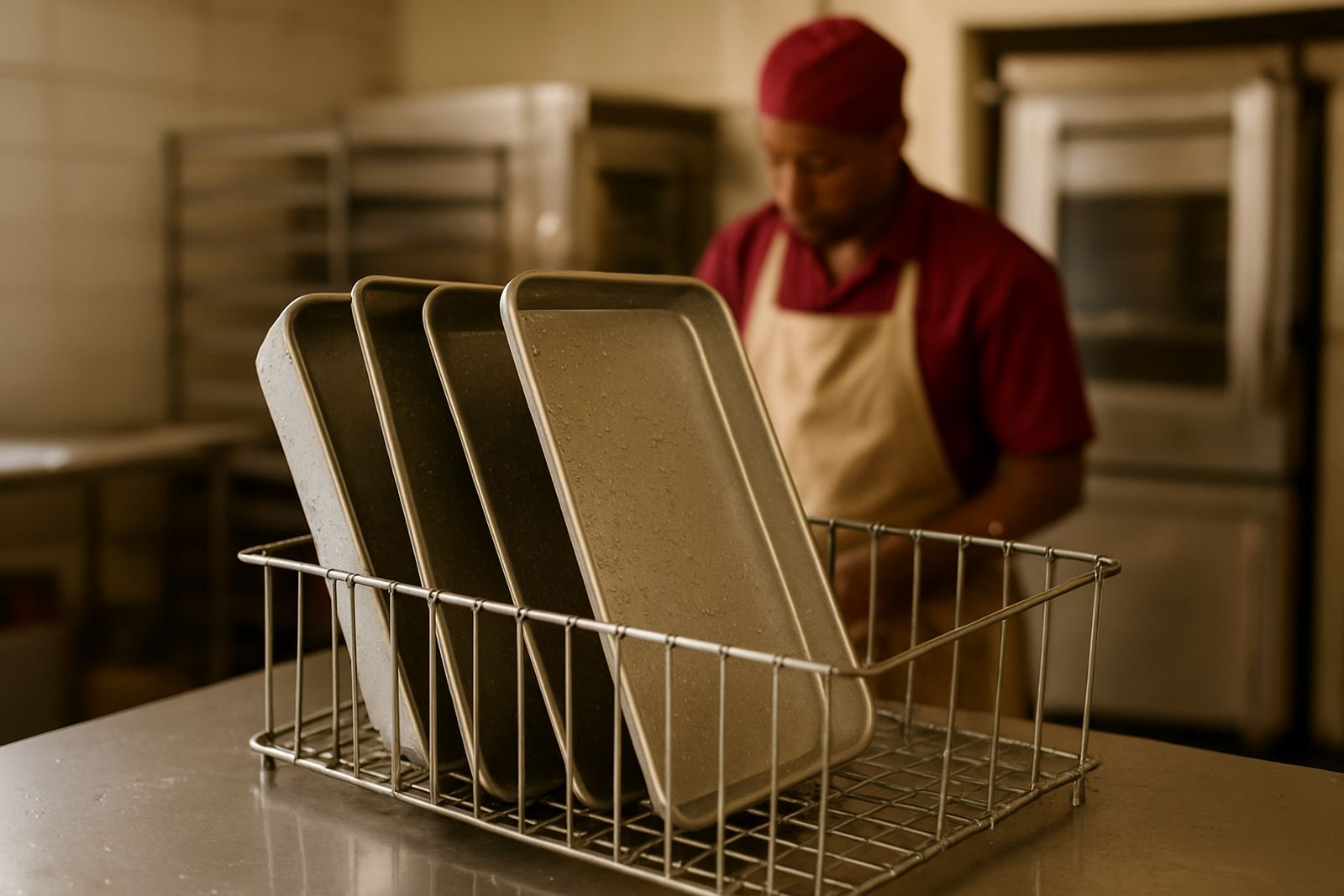
Cleaning needs to remove dough, flour and oil without stripping the surface or warping the metal. Harsh soaking, overlong exposure to water and aggressive scrubbing can cause rust spots, lifting edges and poor release. A short wash cycle is better than leaving trays in a wet sink overnight, which happens more often than people admit.
For perforated and baguette trays, clear the holes and channels fully so residue does not bake in on the next run. Dry every item before stacking, including corners and folds. In humid conditions, even a clean pan can show surface oxidation if it goes back on the shelf damp. That is a small slip that becomes a bigger repair later.
Storage checks for heat, humidity and load-shedding downtime
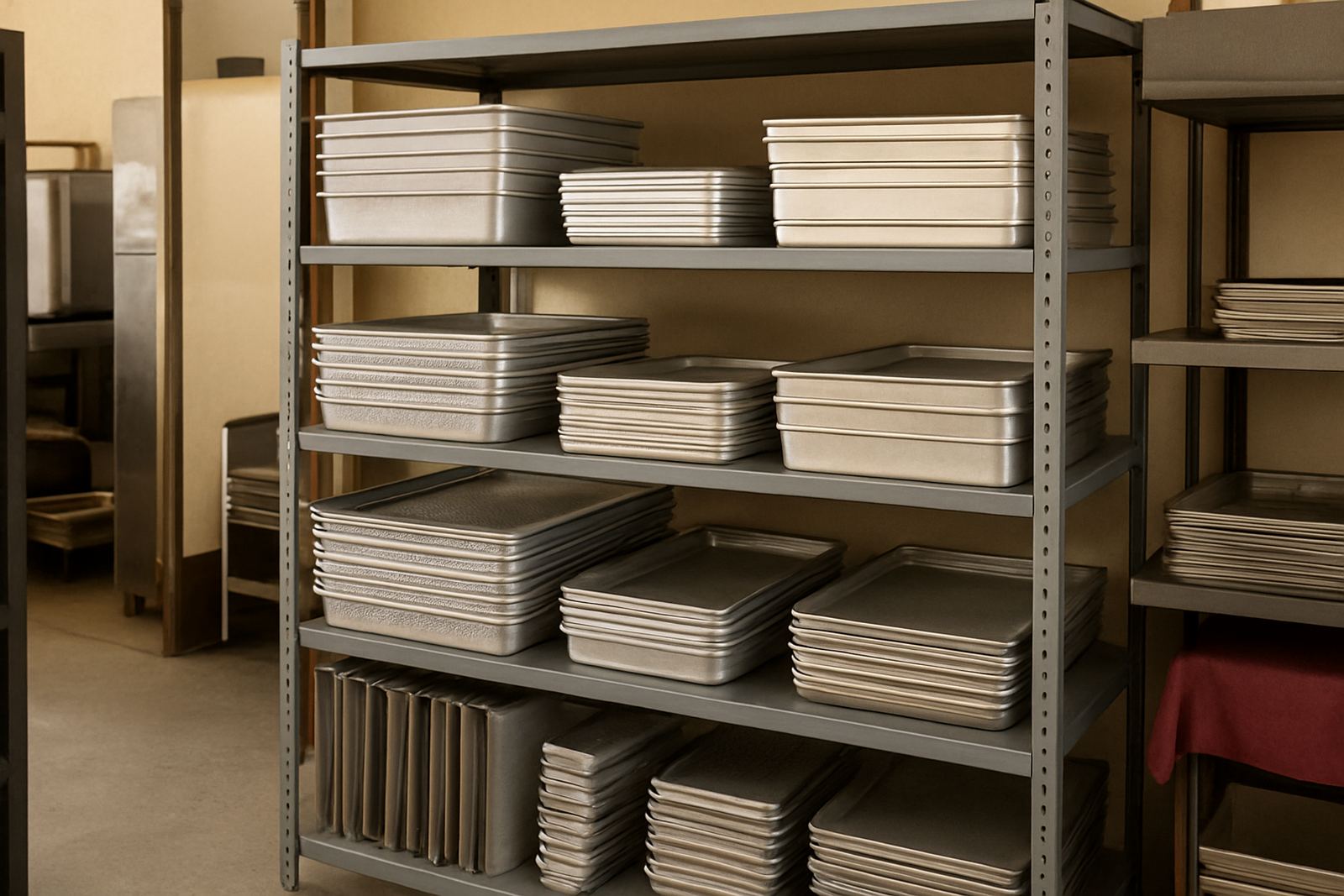
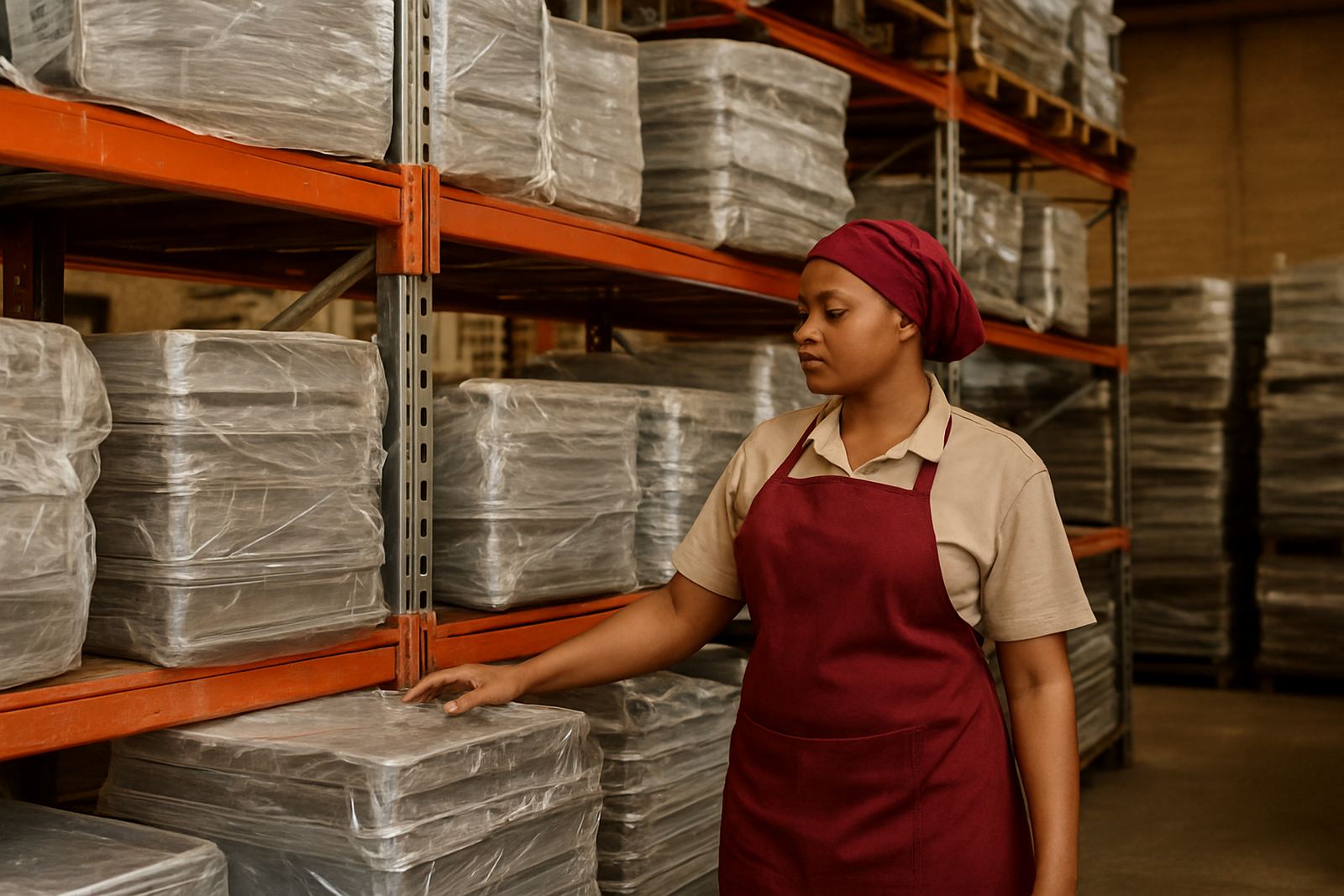
Storage matters when a bakery runs through load-shedding or closes up for the night. Warm metal left in a humid room can pick up condensation, and stacked trays can trap moisture between contact points. If your site has limited ventilation, add a simple storage check to the end of shift.
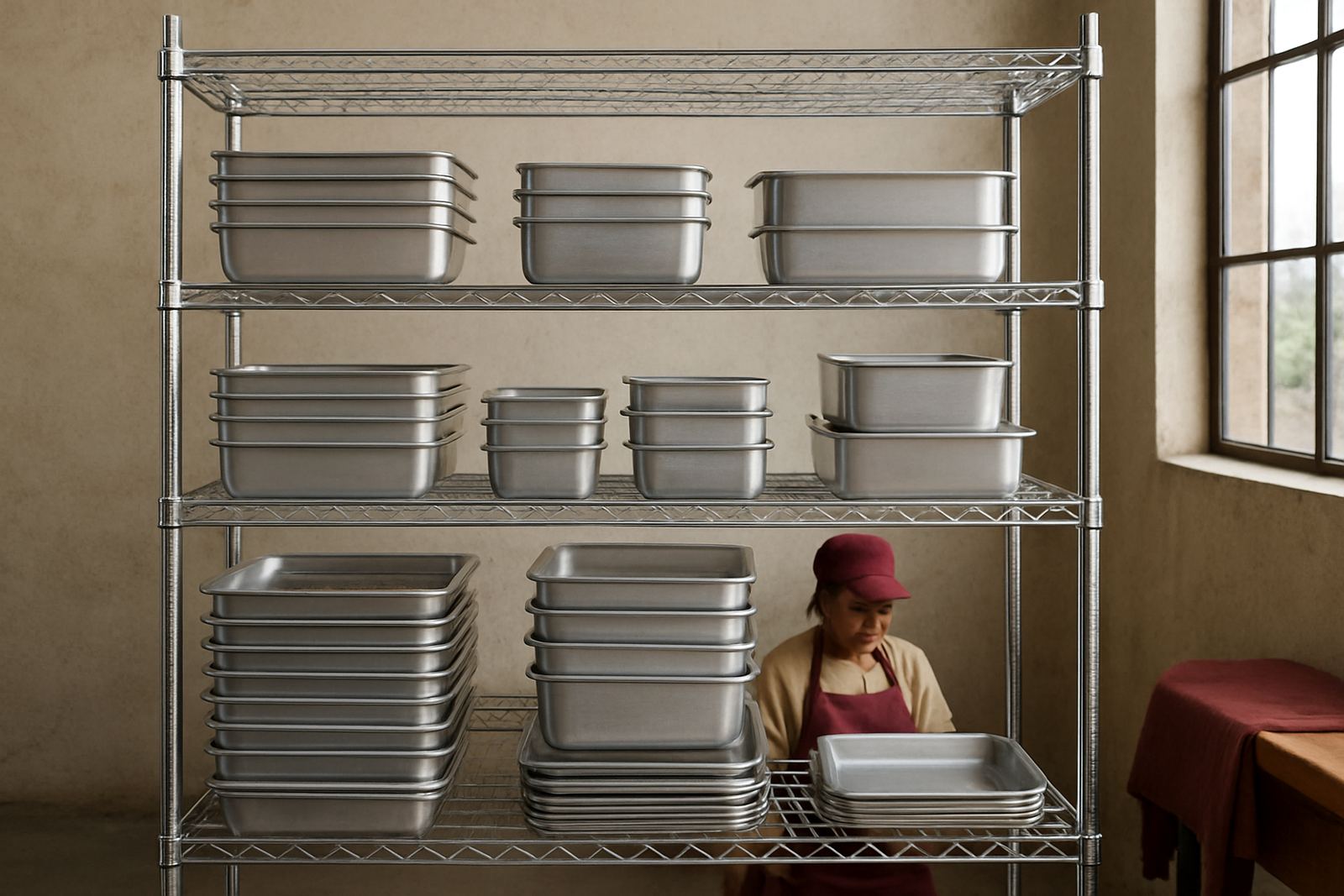
- Store pans and trays on open racks where air can move around them.
- Keep them off wet floors, chemical corners and wash bay splash zones.
- Do not cover warm items tightly, allow them to cool fully first.
- Check for rust marks, bent lips and loose fittings after power cuts or rushed shutdowns.
When to recheck sizes, lids and divider inserts
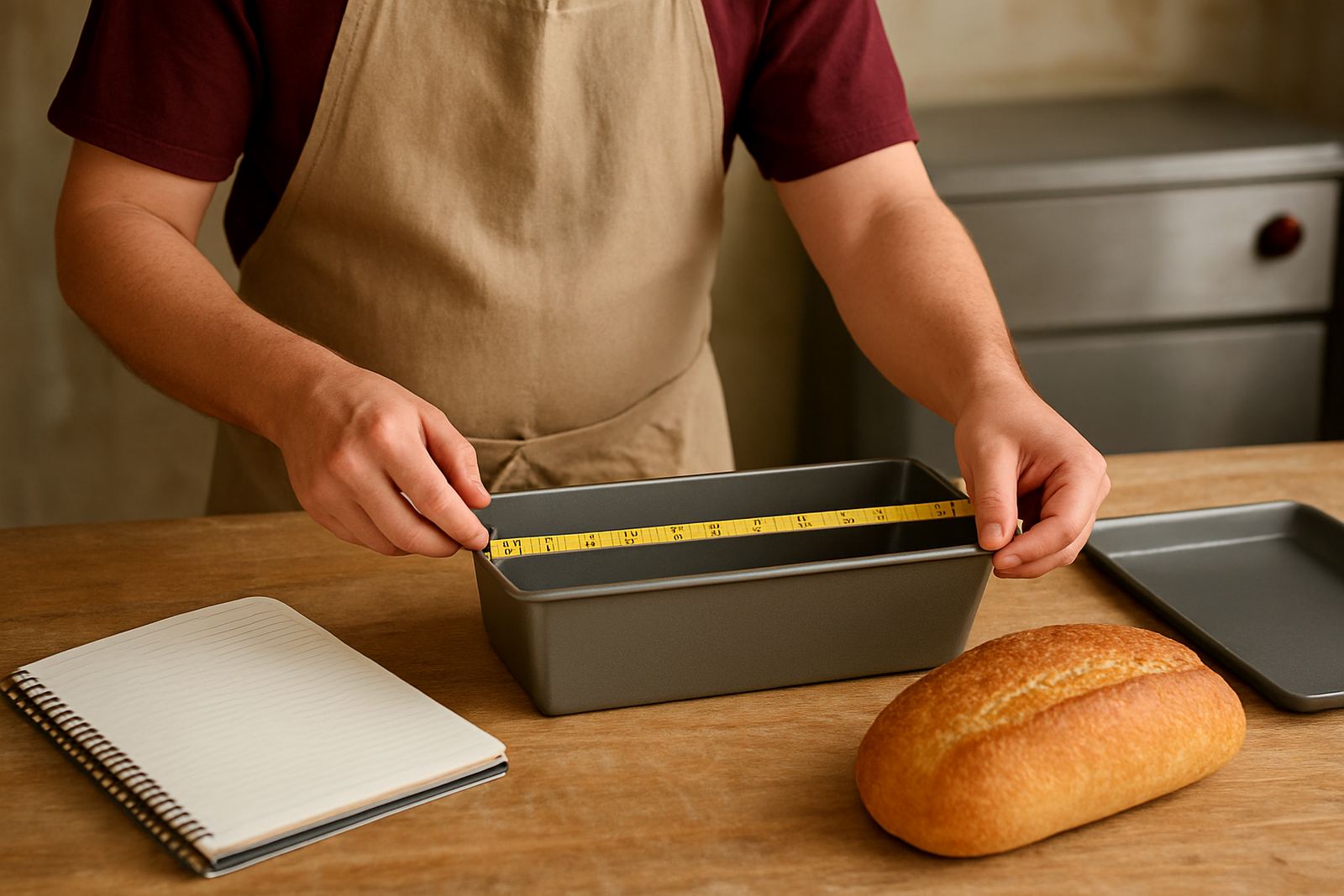
Ordering the right size is just as important as cleaning the right way. A lid that sits proud, a divider insert that shifts, or a tray that no longer matches the oven rail can slow the whole line. Before reordering, measure the working size, not only the outer frame. If a pan has been repaired, copied or used heavily, its fit may have changed slightly.
Use a quick recheck when you are replacing broken stock, planning prototype runs or changing bakery layouts. Keep notes on the pan code, depth, lip style and any special fittings so your next order matches the item already in use. That saves time for teams in Midrand, Boksburg and Alberton who need repeatability across shifts.
Signs a pan, lid or tray should be repaired or replaced
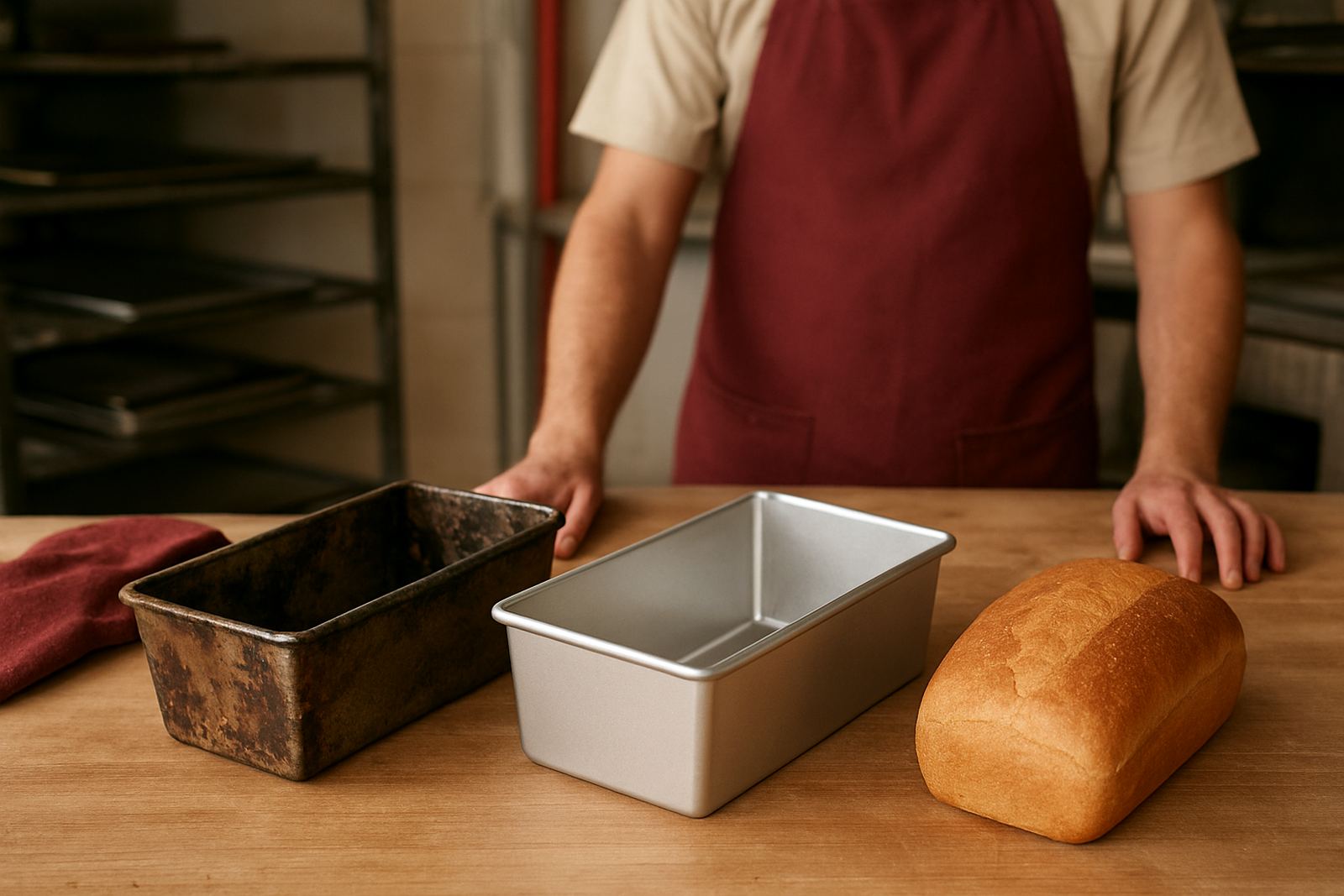
Some wear is normal, but there are clear signs that equipment is past routine care. If the base is bowed, the corners are split, the lid no longer seats properly, or the tray has hot spots from repeated distortion, production quality will suffer. Warped items can also create uneven browning and handling issues on the rack.
Watch for these warning signs:
- Rust that returns after cleaning and drying.
- Seams opening up at stress points.
- Visible twist in the frame or tray body.
- Loose inserts, handles or formed sections.
- Repeated sticking even after normal prep.
Ordering notes for batch reorders and factory consultations
Good care also means keeping your ordering details in order. When bakery teams send clear measurements, photos and old sample pieces, it becomes easier to match the next batch and avoid delays. That matters for bakeries that need steady supply, not trial and error.
If you are planning a batch reorder or want a new size copied from an existing pan, send the dimensions, the quantity needed and any special requirements such as perforation, heavier gauge steel or fitted lids. A short factory consultation can prevent a long string of returns, and it helps keep your stock consistent from one production run to the next.