What a proofing tray does in daily bakery work
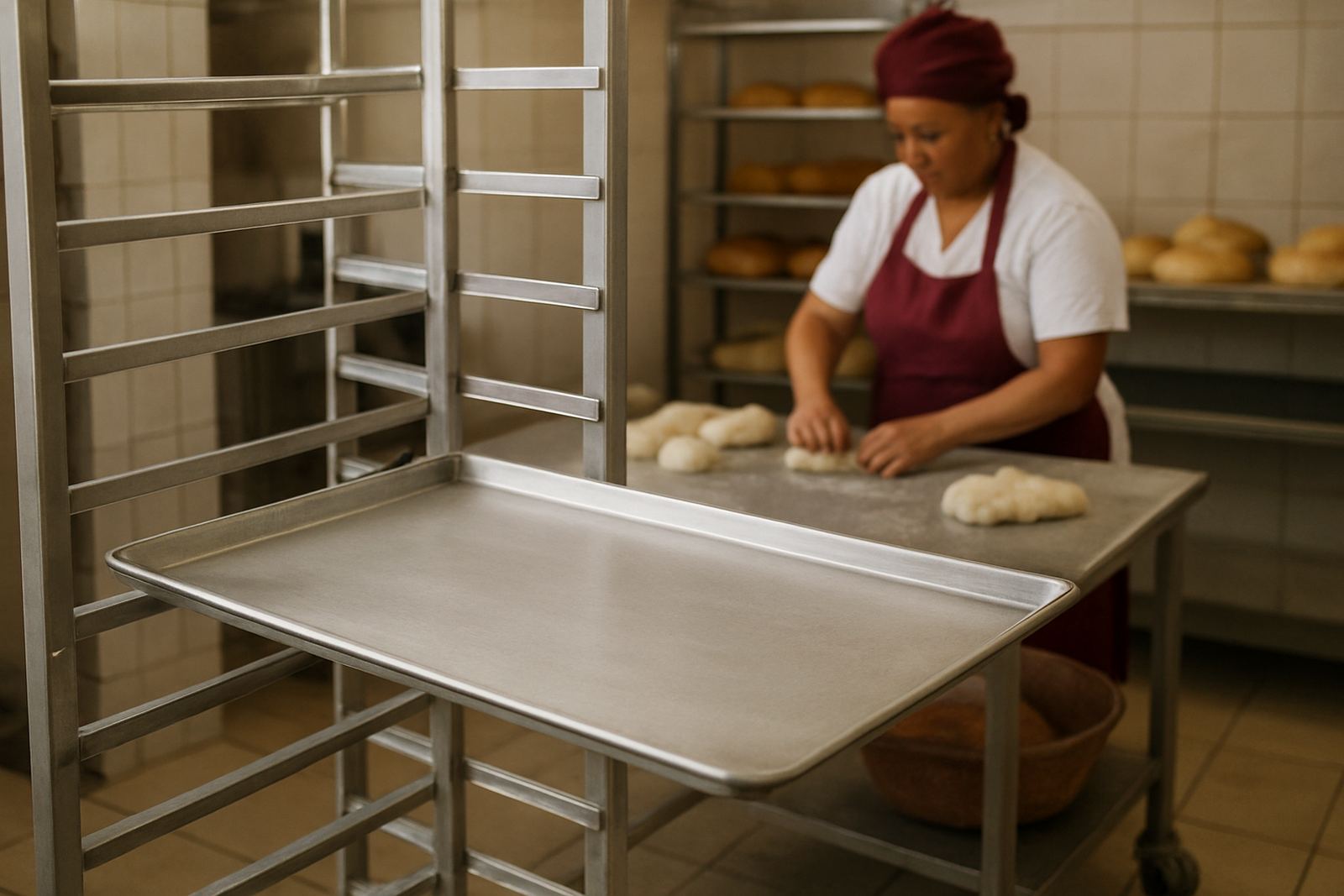
A proofing tray is a handling tray for dough pieces that still need time to rest, rise or be moved between stages. It keeps portions together, reduces handling damage and helps staff move product faster from bench to trolley to proofing area. In busy bakeries this matters, because once dough has been divided and rounded you want a tray that sits flat, stacks neatly and does not twist under load.
We make proofing trays for bakery use in mild steel construction, with options for perforation where air movement is needed. The tray can also be made to suit different bakery sizes, from smaller batch work to higher volume daily production. If you are replacing old trays, we can copy an existing piece and adjust the fit if the old one has warped or picked up wear over time.
Sizes, build options and common tray formats
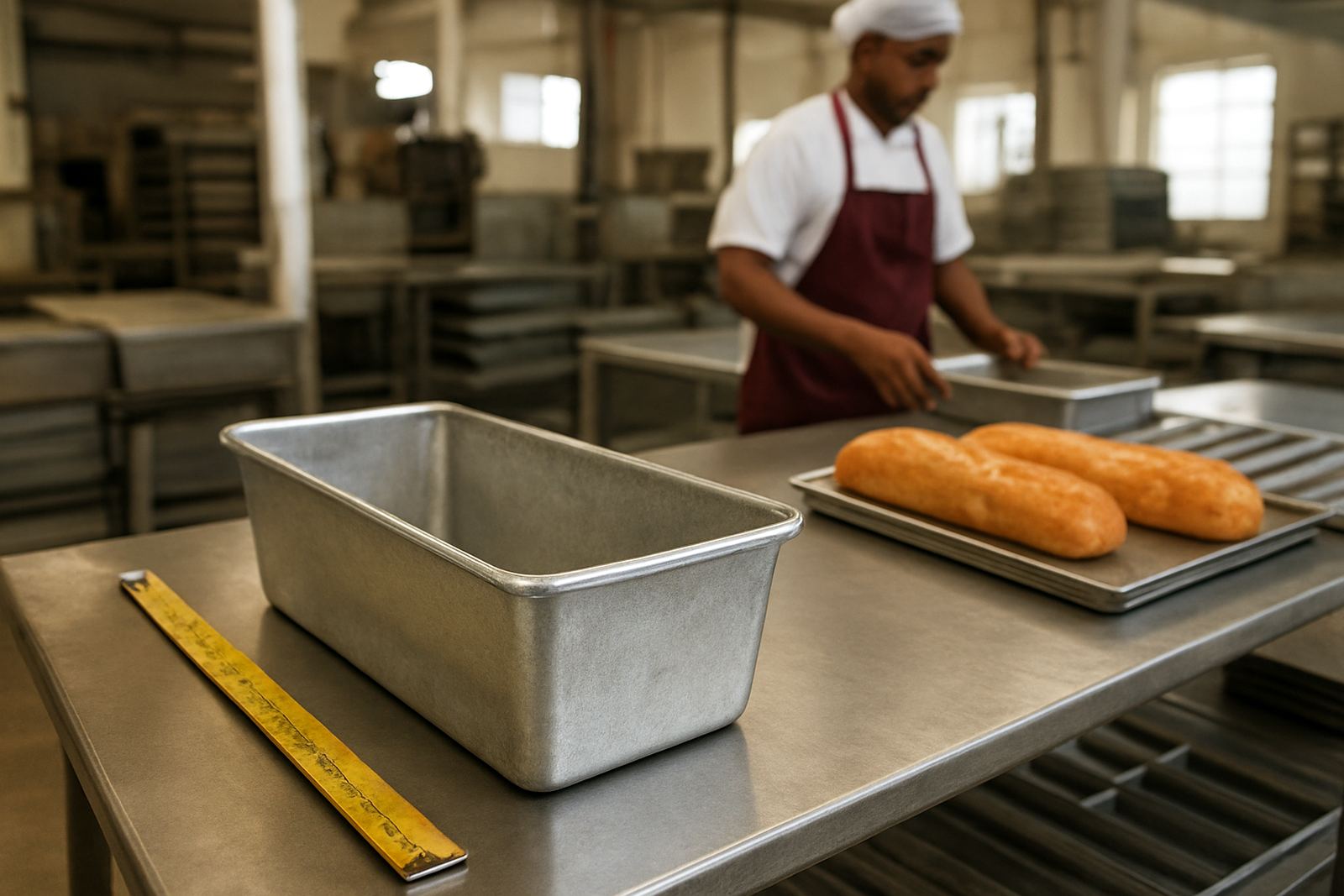
Proofing trays are usually specified by the equipment they must fit, not only by the dough size. That means we look at the internal rack width, tray lip height, stacking clearance and the number of trays the staff need to move at once. A tray that is 2 mm too wide can slow production, and one that is too shallow can let product slide when the trolley hits uneven paving or a rough floor.
- Custom sizes to match existing racks, trolleys or proofing cabinets
- Mild steel build for general bakery handling
- Perforated tray options for improved air flow under the dough
- Plain tray options where a solid base is preferred
- Raised edges for safer carrying and stacking
- Heavy gauge builds for repeated daily use
Where required, we can make the tray to suit batch reorders so a bakery can keep the same fit over time. For operations in Germiston, Boksburg or Midrand, that consistency matters when different shifts are using the same kit and need the same stacking pattern every day.
Where a proofing tray suits best
This tray suits bakeries that handle rolls, buns, rolls for retail packs, shaped dough for par-baking, and products that need transfer without smearing or overworking the dough. It is used in production rooms, prep areas, proving rooms and dispatch staging areas. It also suits bakery suppliers who need to move product between a cold room and a warmer proving area, especially in winter when indoor temperatures across Gauteng can drop and proof times shift.
In coastal areas moisture can build up on tools and trays if they are not dried properly, so a tray with the right finish and a simple cleaning routine is important. If you are running early morning production in Alberton or Soweto, the tray should be easy to wipe down, stack and return to service quickly. No special power or gas connection is needed, just a suitable handling setup and enough rack space for the load.
Installation and production setup on site
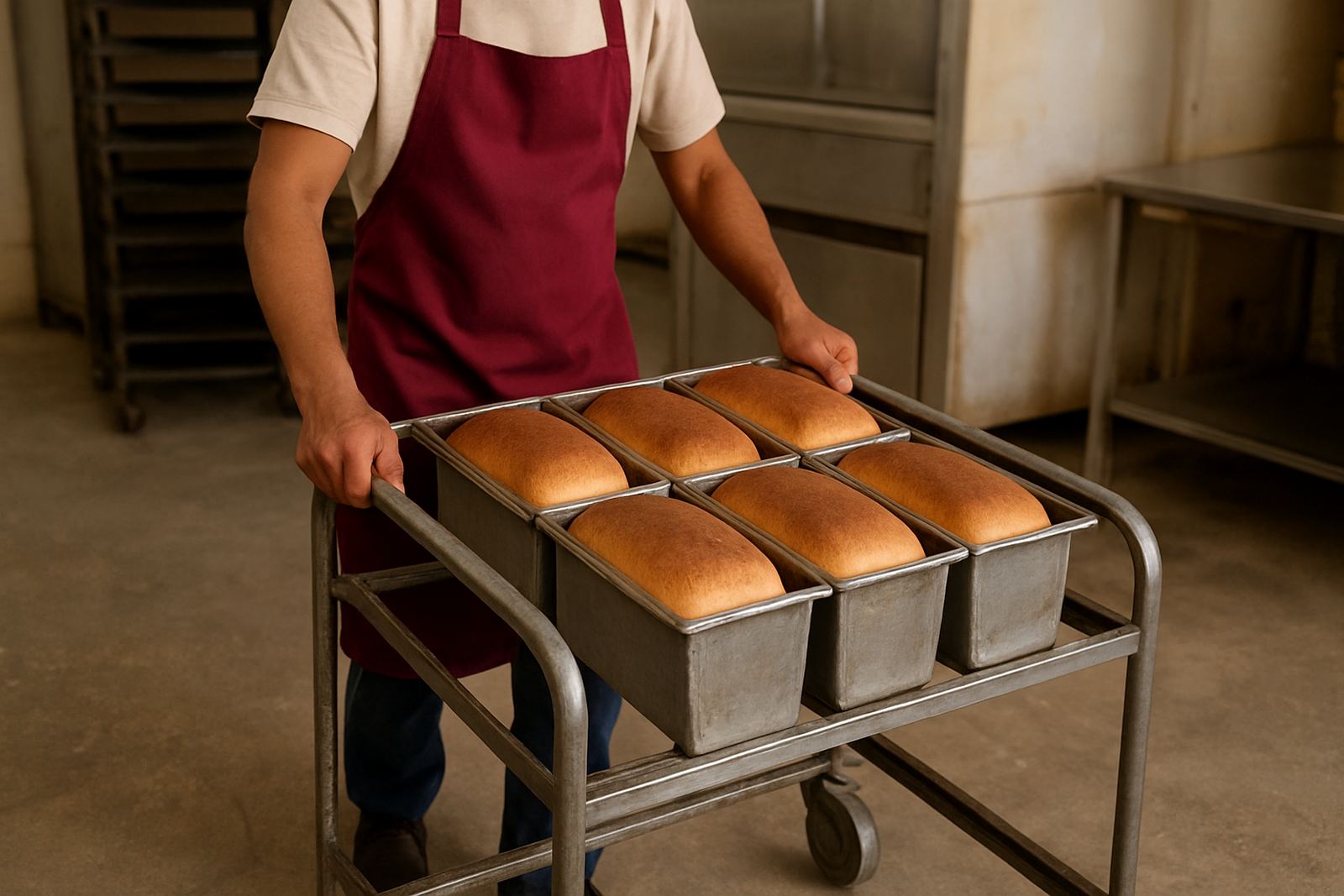
Proofing trays do not need electrical installation, gas lines or municipal approval on their own. The main requirement is correct physical fit within the bakery layout. That means checking trolley width, shelf spacing, doorway clearance and whether the tray will be lifted by hand or moved in batches on racks. If the tray is too deep, staff may struggle to stack it under a low shelf, and if it is too light it may flex under a full load of dough pieces.
When we do a factory consultation, we look at how trays move through the room, where product is resting, and where the handling points cause delays. In some bakeries the issue is not the tray itself but the path from bench to proving room, especially when floors are wet after cleaning or during load shedding when lighting is reduced. A tray with the correct grip and edge height reduces dropped product and keeps the line moving.
- Measure the internal rack opening, not only the outer rack frame
- Check stacking height against your shelves and trolley handles
- Confirm whether the tray must pass through narrow doors or lift gates
- Tell us if the tray will carry heavy dough loads or lighter proofed pieces
Care, cleaning and service life
A proofing tray lasts longer when it is cleaned soon after use and dried before storage. Dough residue, flour dust and moisture can cause surface wear over time, especially in warm bakeries where trays are stacked while still damp. Mild steel trays need a proper cleaning routine and should not be left standing in wash water. If the bakery is near the coast, extra care helps prevent corrosion and keeps the finish in better condition.
For regular maintenance, staff should check for bent corners, loose edges, uneven stacking or tray bottoms that have started to bow. If a tray no longer sits level, it can affect how dough pieces rise and how safely the tray is carried. We can assist with replacement runs, heavier gauge versions and repairs where the frame is still usable. A quick inspection each week saves bigger problems later and keeps the bakery from losing time on small faults.
What to check before you order
To quote correctly, we need the tray dimensions, the material preference, the number of trays required and the exact use in your process. It helps to know whether the tray is for raw dough, proofed dough, carrying between rooms or stacking in a cooler. If you have an old sample, bring it in or send clear measurements and photos so we can copy it properly. That avoids errors and keeps the new tray aligned with your existing equipment.
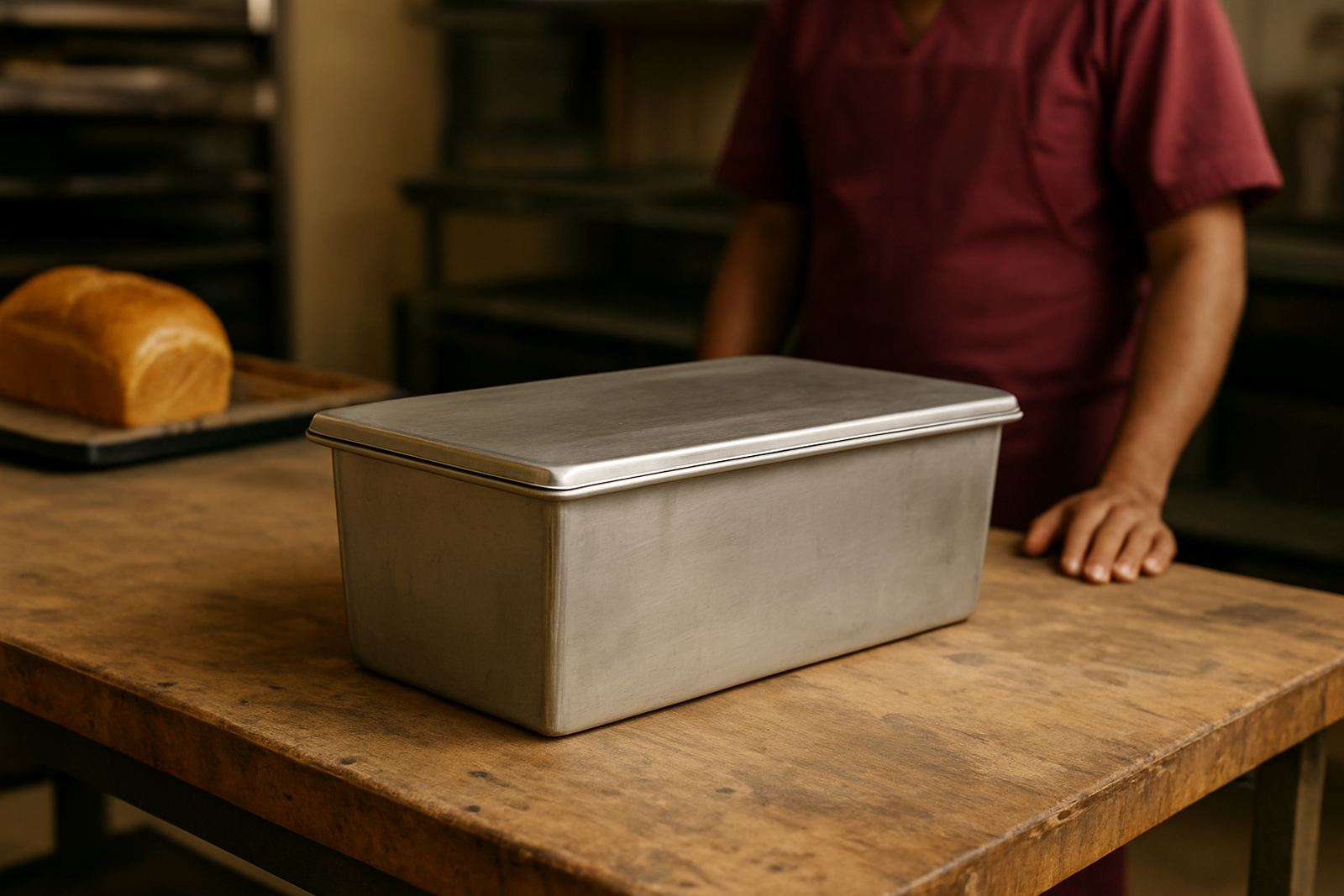
Also tell us about your bakery conditions, such as heat, humidity, frequent wash down, or heavy daily turnover. A tray for a small shop in Alrode may need a different build to one used in a larger production room in Germiston or Boksburg. If you need matching lids, divider inserts or related bakeware at the same time, we can plan the order together so the whole set works as one system.
- Overall length, width and depth
- Quantity needed per batch or per rack
- Plain or perforated base
- Heavy duty or standard gauge build
- Use case, such as proofing, transport or staging
- Need for copying an existing tray or fitting to current racks
Key facts
| Product type | Proofing tray for bakery handling and dough movement |
|---|---|
| Material | Mild steel |
| Construction options | Plain or perforated base, standard or heavy gauge |
| Sizing | Custom made to suit racks, trolleys and bakery line layout |
| Power or gas | Not required |
| Use areas | Proofing rooms, prep rooms, staging areas and bakery transport |