BO3 lid matching for daily bakery use
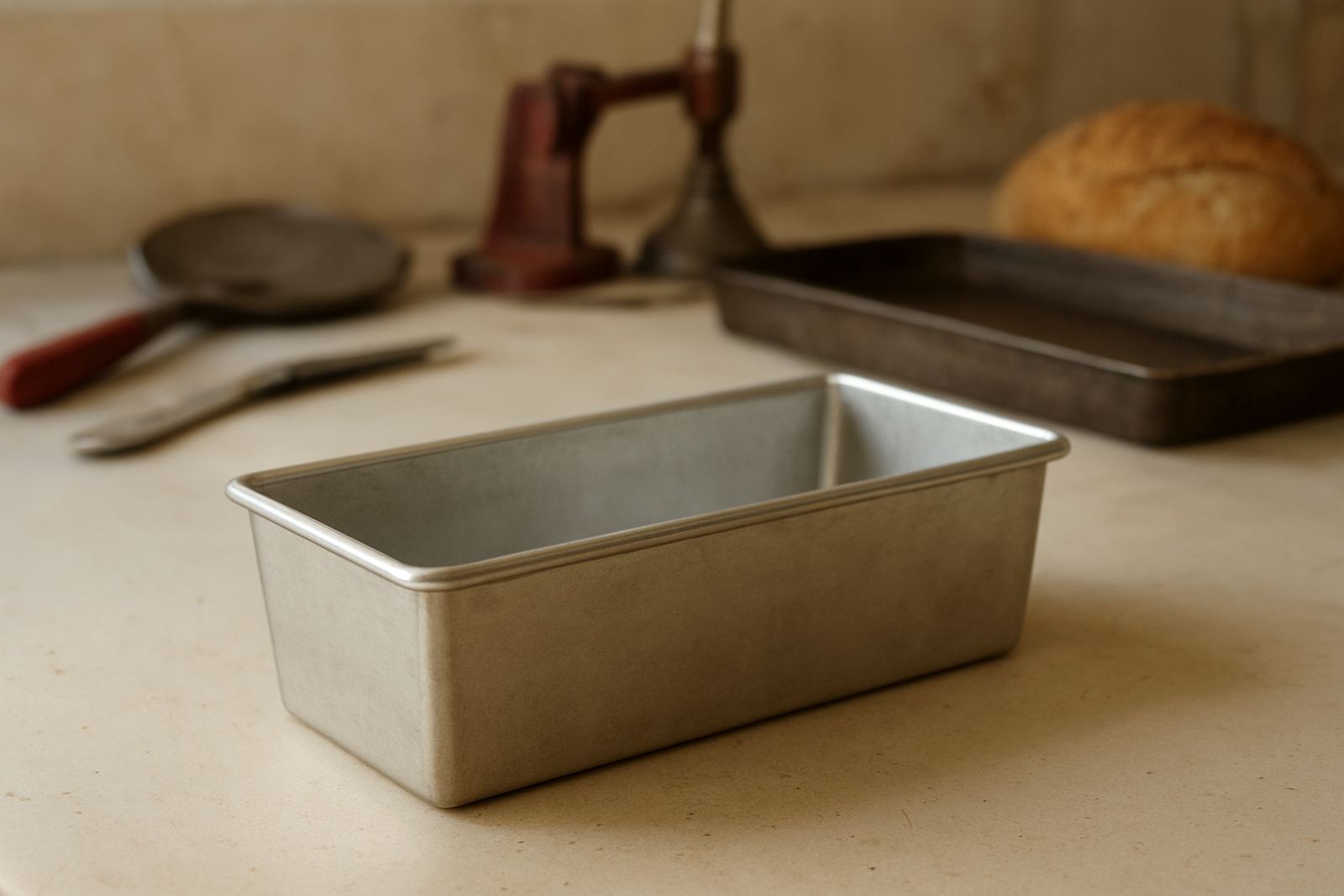
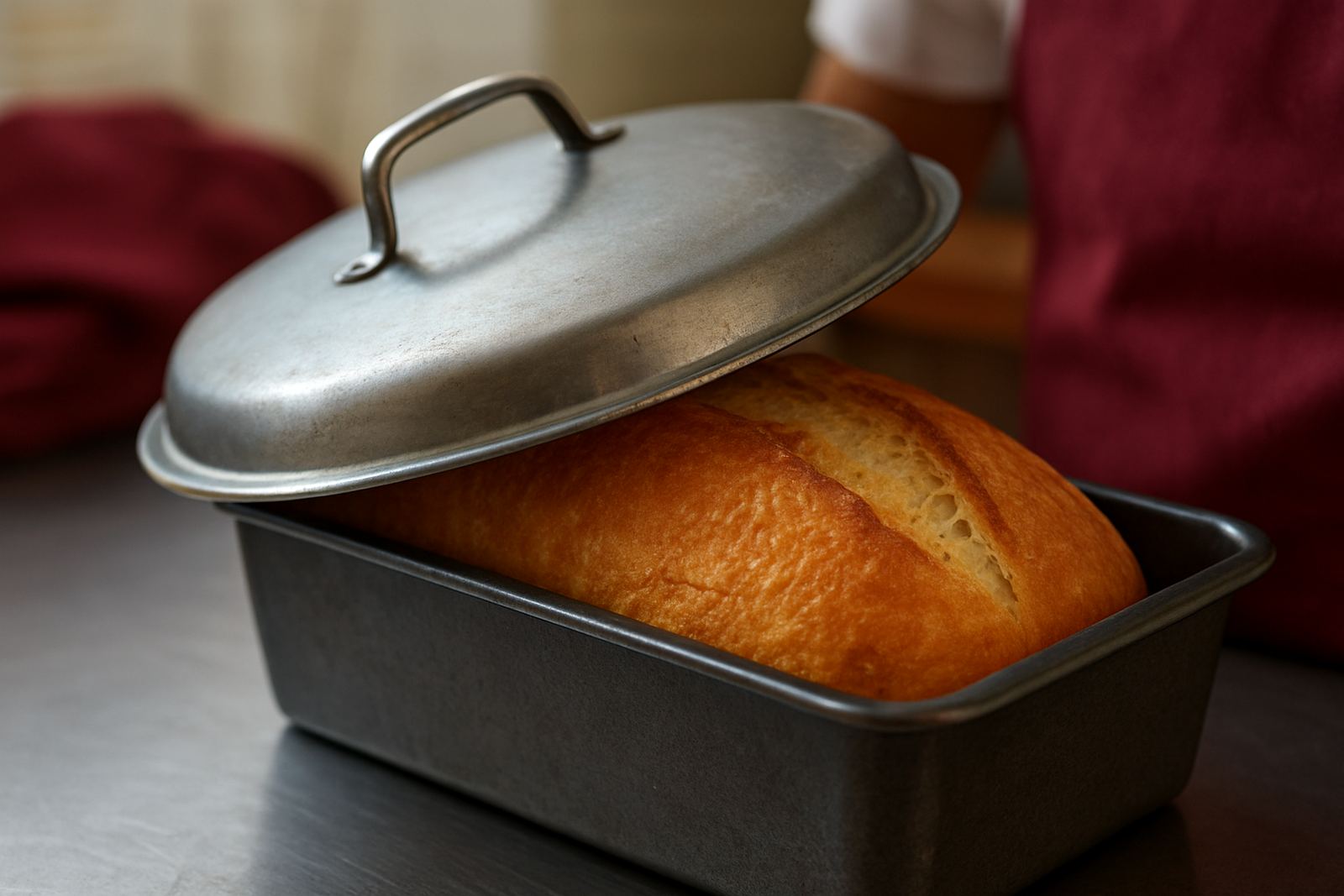
A BO3 lid is the matching top used with a BO3 bread pan to help form a neat loaf and support even baking through the full tray length. In a busy bakery, that fit matters. When the lid sits properly, the loaf keeps its shape better, steam is managed more evenly, and the pan stack is easier to handle from proofing to oven loading.
We make BO3 lids for bakery teams that want consistent output without fuss. The lid is formed to suit standard BO3 pan dimensions, with allowance for repeated heating, washing and general plant handling. It is a practical item for bakeries in Johannesburg South, Germiston, Alberton, Boksburg, Midrand and Soweto where daily batch work and quick turnarounds are part of the job.
For older pans, or pans that have had years of wear, we can also check fit against the pan before production. That helps avoid lids that are too tight, sitting off-centre, or leaving gaps that affect the loaf finish.
Sizes, fit and build options
The BO3 lid is made to suit the BO3 pan profile, but fit can still be affected by the condition of the pan body, rolled edges and any previous rework. We normally confirm the pan length, width, lip profile and handle position before making a replacement lid. If you are matching lids for a mixed set of older and newer pans, bring a sample pan or clear measurements so we can match properly.
- Standard BO3 fit for matched bread pan use
- Heavy gauge option for harder handling and frequent cycling
- Plain sheet finish or formed with practical handle points, depending on the application
- Batch production for single replacements or multiple lids at once
- Copying from an existing lid where the original is worn, bent or missing
For bakeries that run in coastal humidity or near damp prep areas, material choice and finish are important. A lid that is formed too light can distort sooner, while a heavier build can last longer under normal bakery use. If your pans are stored in warm rooms or moved between chill and ambient areas, let us know. It helps us advise on the right build.
Where the BO3 lid suits best
This lid suits bread bakeries, school kitchens, central production kitchens, and catering operations that use pan baked loaves for sliced bread or sandwich lines. It is also suitable where the same pan is reused many times a day and the team needs the loaf to release cleanly with less handling damage.
Typical uses include:
- White loaf and brown loaf production
- Sandwich bread lines
- Small to medium bakery runs with repeated oven cycles
- Kitchen production where standardised loaf size is needed
- Replacement parts for older bakery pan sets
If you are running gas ovens or electric ovens, the lid itself has no power need, but the baking process does depend on even heat and correct oven loading. A fitted lid should not interfere with tray movement, door clearance, or oven rack spacing. If the oven has hot spots, poor seals, or uneven airflow, those issues should be sorted too, because the lid can only do its part.
Installation, oven loading and line handling
BO3 lids are fitted by placing them squarely onto the matching pan so the edges sit evenly all round. Before first use, check that the lid closes without forcing and that there is no bowing at the centre. If the lid is too tight, the pan may have changed shape and the fit should be reviewed before production starts. If it is too loose, the loaf may lose shape and the top finish can suffer.
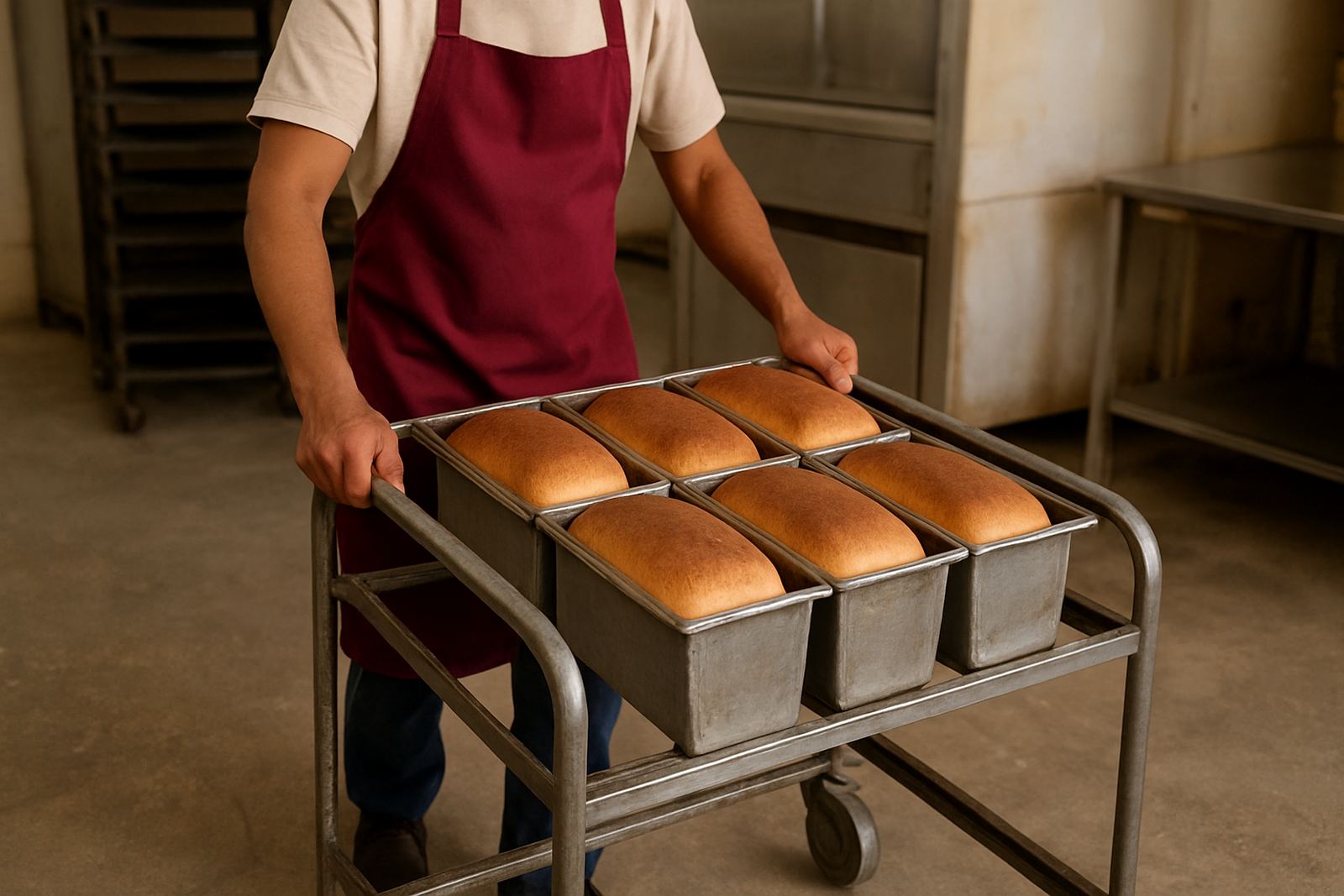
For loading, the pans should be set level on the tray or conveyor and handled with dry gloves where possible. Wet hands or steam-soaked cloths can make the lid harder to handle and may shorten service life in the long run. In bakeries working through load-shedding or generator changeovers, stack pans in a way that keeps the lids stable and easy to move once power is back on.
- Check lid alignment before the first production run
- Do not force a lid onto a warped pan
- Keep pan and lid sets together where possible
- Allow safe cooling before cleaning or restacking
Care, cleaning and longer service life
For daily cleaning, remove loose crumbs and wash with warm water and a mild detergent. Dry fully before storage to reduce surface marking, especially in humid areas and near wash bays. If the lid is left damp in a closed rack, rust spots can start quicker than expected, even on well-used bakery gear.
A light food-safe coating may be used where appropriate if the lid is stored for a while. Avoid harsh scouring pads, because they can mark the surface and make the lid harder to clean later. If there are burnt-on residues from heavy production, soak first rather than scraping hard. That keeps the form cleaner and helps the lid keep its fit over time.
We also recommend checking lids during routine bakery maintenance. Look for bends, cracked corners, loose formed edges and signs that the lid is no longer sitting true. A small problem at the edge can turn into poor loaf shape across a full batch.
What to check before you order
To make sure you get the right BO3 lid, send the pan details with as much information as you can. If you only have an old sample, that works too. We can work from an existing lid or pan and confirm the fit before fabrication. This is especially useful for bakeries with older stock, mixed suppliers, or pans that have been repaired over time.
- BO3 pan size and internal measurements
- Length, width and depth of the pan body
- Edge profile and any rolled lip detail
- Whether you need one lid or a batch order
- Material preference, standard or heavier gauge
- Any special handling points or stack clearance needs
If the lid is for a repeated reorder, keep the approved sample on file. That makes later batch work quicker and cuts down on mistakes. For bakery teams around Alrode, Alberton and Germiston, we can often assist with size matching and practical advice before production starts, which saves time when stock is needed urgently.
Key facts
| Product | BO3 Lid |
|---|---|
| Match | Made for BO3 bread pan fit |
| Material | Mild steel |
| Use | Bread loaf production and pan baking |
| Finish options | Standard or heavier gauge, depending on order |
| Order type | Single replacements, batch reorders, or copied from an existing sample |