What a Display Bake Tray does in a working bakery
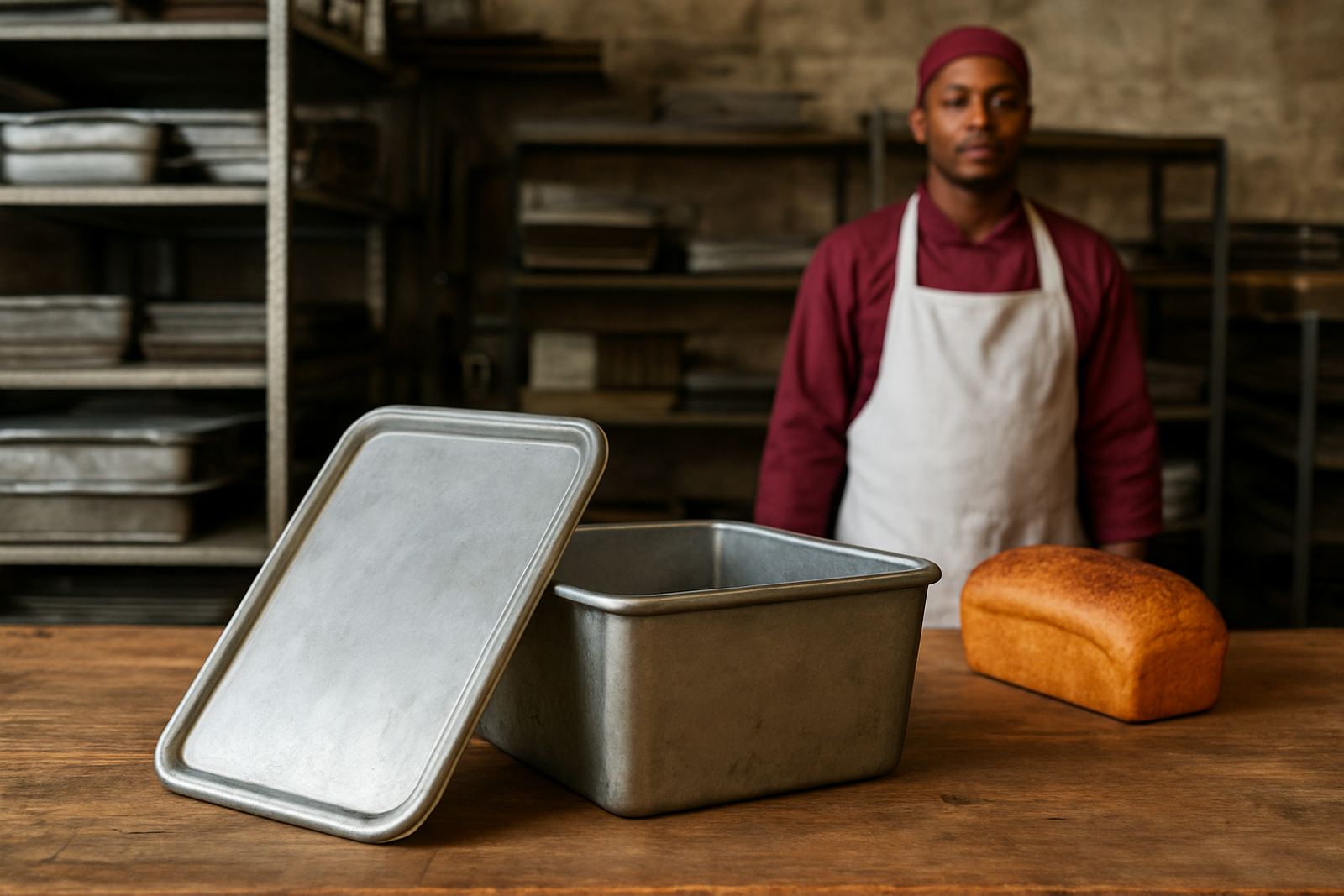
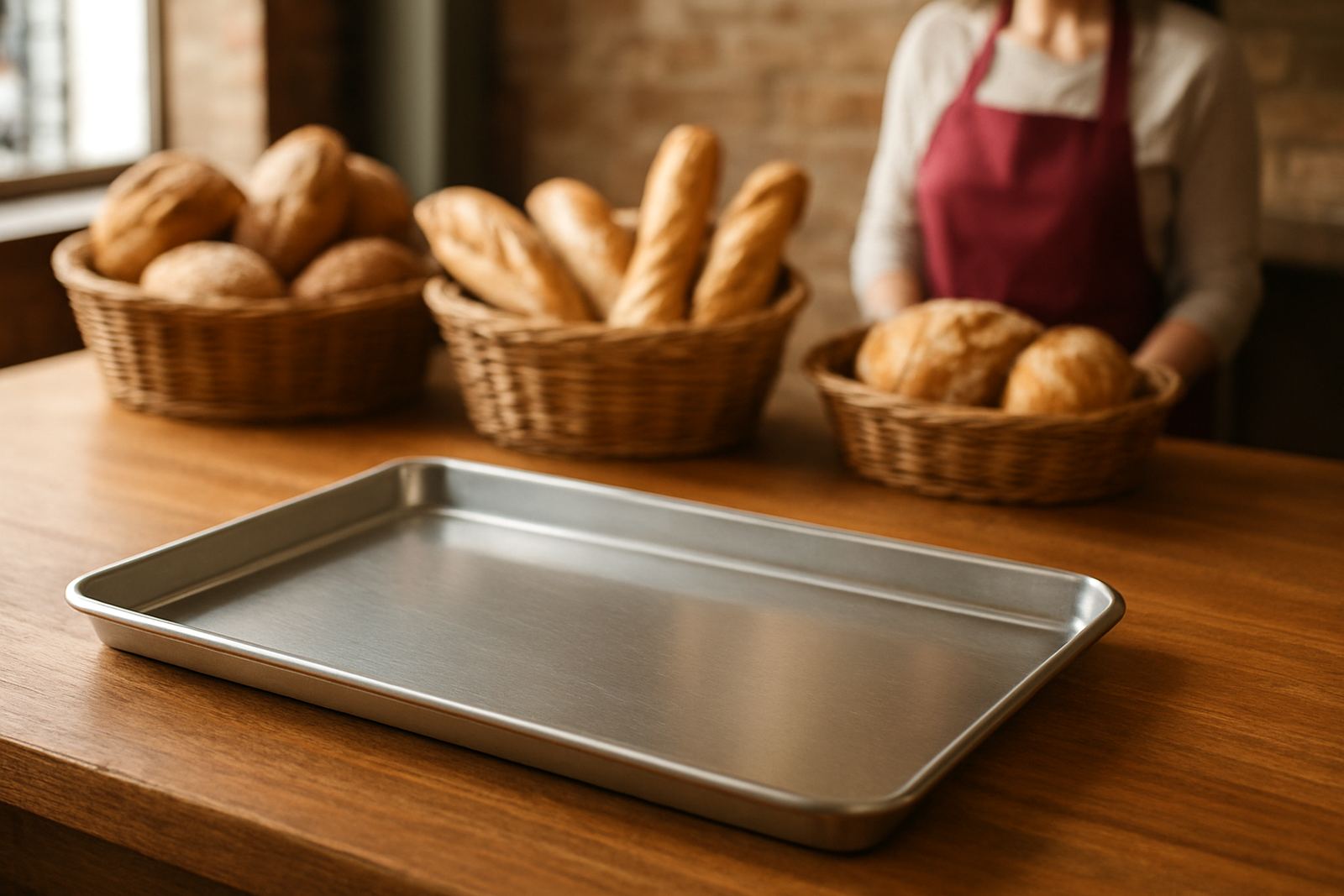
A display bake tray is made for bakeries that need a neat tray with a clean finish, good handling and a flat baking surface. It is commonly used for rolls, small loaves, sliced products, savoury items and light pastry lines where the same tray may move from prep to oven to display. The tray is built for daily use in South African bakeries where temperature swings, fast turnaround and repeated loading matter more than looks alone.
In practical terms, this tray helps keep products organised. It gives a uniform base for baking and it also presents better than a battered tray when you are setting goods on a counter, rack or service shelf. For bakeries in Johannesburg South, Alberton and Germiston, that matters during busy morning trade when staff need to move product quickly and keep the front area looking orderly.
Depending on your operation, the tray can be supplied in mild steel or with a cleaner finished surface for easier wiping. It suits bakeries, deli counters, school kitchens, church groups, canteens and small catering teams that want a reliable tray without unnecessary extras.
Sizes, tray styles and practical options
Display bake trays are usually made to suit your oven racks, shelving and handling routine. Standard options can be copied from an existing tray or built to a required footprint, which is useful when your oven spacing is fixed and you do not want wasted movement around the tray edges. We also make batch repeats when a bakery wants every tray to match for stacking and rotation.
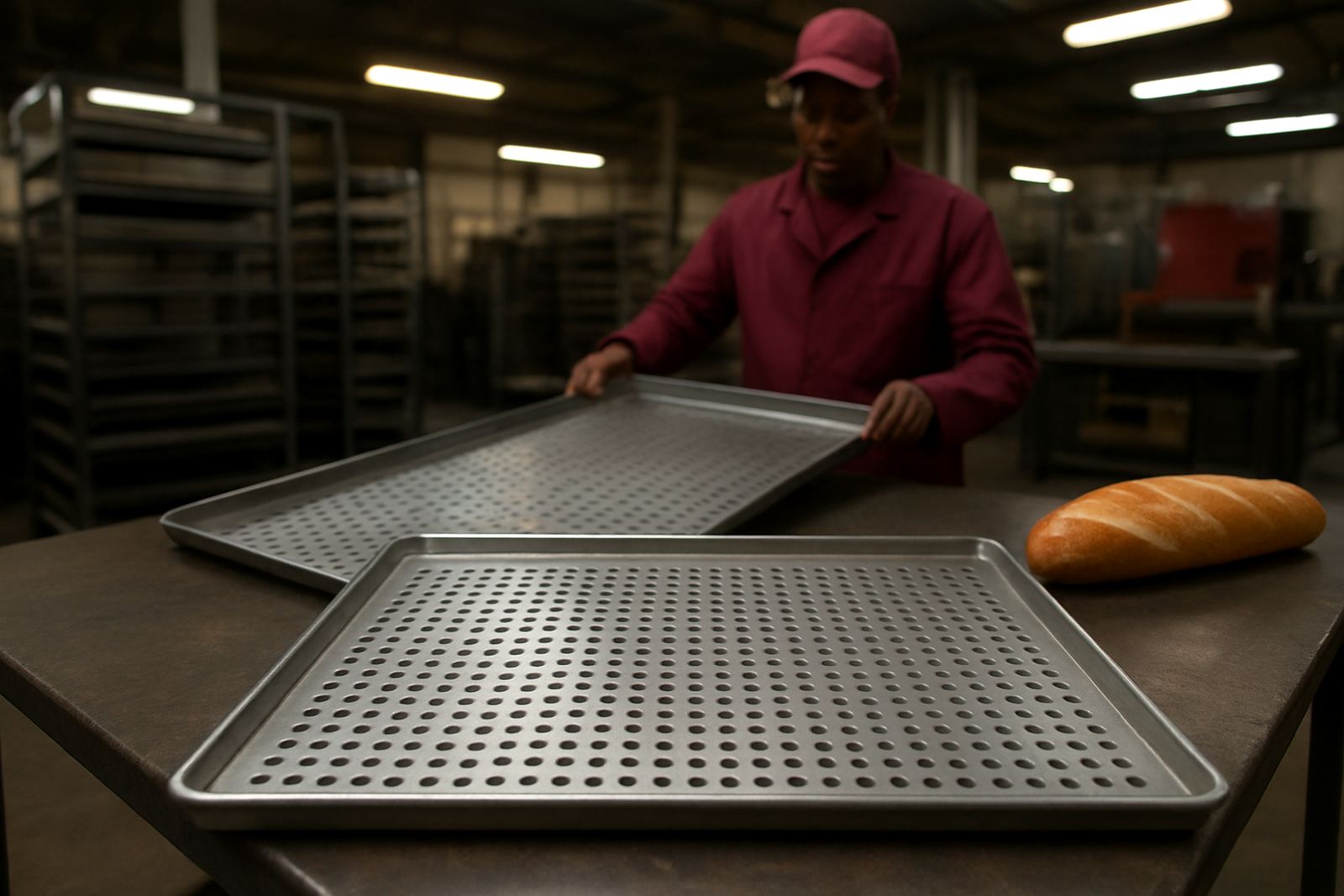
Common options include plain flat trays, shallow-sided trays and perforated versions where airflow is needed under the product. If you are baking lighter items, a perforated pattern can help with even heat movement and reduce soggy bases. For heavier product or wetter doughs, a solid tray is usually the better choice.
- Typical tray sizes can be matched to 600 mm x 400 mm systems, smaller half-size trays or custom footprints.
- Sheet depth can be kept low for display use or raised slightly for product that needs a bit of containment.
- Edge finishing can be square, rolled or folded depending on how the tray will be handled.
- Perforated or plain base options are available for different bake results.
If you are replacing old trays, bring one sample in for size matching. That saves time and avoids guessing on rack fit, especially where older ovens have uneven clearances from years of use.
Where the tray suits best
This tray suits bakeries that need something simple and presentable for everyday production. It is a good fit for bread rolls, buns, mini loaves, vetkoek preps, savoury pastries, brownies, scones and other products that are taken straight from oven to cooling and then to a counter or display area. In smaller shops, one tray can do the job from early-morning bake through to the last sell-out, which keeps handling down.
It also works well in catering prep rooms where trays must be stacked, carried and cleaned often. If your operation is near the coast, for example in areas with higher humidity, a cleaner finish and regular drying after wash-down will help reduce surface staining. In inland Gauteng, the main concern is heat, dust and busy daily use, so the tray needs to stay straight and easy to handle.
For front-of-house use, the tray gives a tidy presentation for products that are not iced or decorated. It is not a showpiece display stand, but it does the practical job properly and looks far better than a rough old tray when service staff are working quickly.
Oven fit, handling and power or gas notes
There is no separate power requirement for the tray itself, but it must suit the oven type and heat pattern you are using. Check whether your oven is electric or gas fired, and whether the tray will sit on racks, rails or shelves with enough space for air movement. A tray that is too large can catch on rack guides, while a tray that is too deep can block heat flow and affect bake colour.
If you use gas ovens, allow for the hotter side of the chamber and be aware that tray placement can affect browning. On electric ovens, even spacing matters more. In both cases, the tray should be loaded and removed with proper gloves or peels, because the clean finish is still a metal tray and it will hold heat.
- Check internal oven width and rack depth before ordering.
- Leave space for expansion when the oven reaches full temperature.
- Confirm whether the tray must fit a trolley, rack or proofing cabinet as well.
- If product is oily or sugary, ask for a surface that cleans easily after cooling.
For bakeries in industrial areas like Alrode or Boksburg, it is worth checking power availability and backup routines around load-shedding if the tray is part of a larger baking shift. The tray itself needs no installation, but your bake schedule may depend on oven recovery time and staffing when power is interrupted.
Care, cleaning and longer life
Good tray care starts with routine cleaning after use. Let the tray cool, remove crumbs and baked-on residue, then wash with a suitable cleaner that will not attack the metal finish. Do not leave wet trays stacked for long periods, especially in coastal or humid conditions. Dry them properly before storage to avoid staining and surface wear.
If the tray is used for oily product, a light film can build up over time and affect release. That can usually be managed with regular washing and dry storage. Avoid harsh scraping tools that can bend the tray edges or damage perforations. A tray that stays square will sit better on the rack and give more even results.
We can also help with batch reorders if your team wants trays replaced in groups so the whole set matches. That is useful when older trays have warped, or when one line has been expanded and you need the same fit across more racks.
What to check before you order
Before placing an order, measure the internal space of your oven, racks and storage area. Note the length, width and depth you need, plus the product weight and how often the tray will be lifted in a shift. If you are copying an existing tray, check whether the corners are square and whether the current tray has been bent by heat or rough handling. A tray that looks standard can still be a few millimetres off, which causes trouble later.
It also helps to tell us what you bake most often. A tray for simple counter presentation may differ from one used for long proofing or heavy loads. If you need divider inserts, heavier gauge builds or a special perforation pattern, we can work from that information and quote properly. We can also do factory consultations for bakeries in Johannesburg South and nearby areas when a full tray set has to be planned around existing equipment.
- Measure rack opening, not just the oven outer size.
- Confirm whether you need plain, perforated or shallow-sided trays.
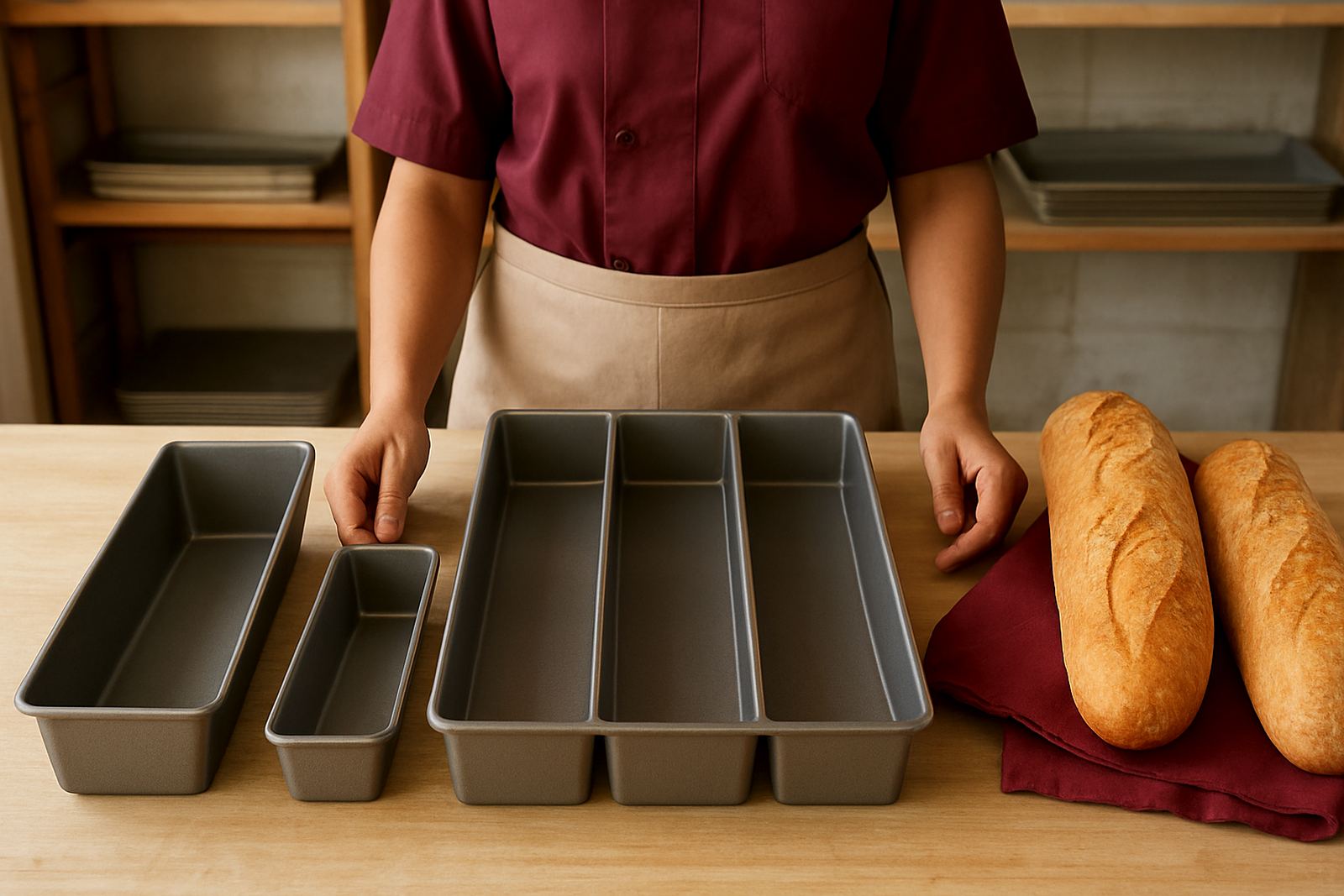
- Tell us if the tray must stack inside each other for storage.
- Share a sample or clear dimensions if you want a copy made.
Clear ordering details save time and keep rework down. The more exact the measurements, the better the final fit and the less hassle on the floor.
Key facts
| Product type | Display bake tray for bakery baking and simple counter presentation |
|---|---|
| Material options | Mild steel or cleaned finish option, depending on use |
| Base options | Plain flat base or perforated base |
| Common sizes | Made to match existing racks, including 600 mm x 400 mm and custom sizes |
| Use areas | Baking, cooling, stacking, and front counter display |
| Care | Wash after use, dry fully, and store flat to reduce warping |