What a Danish tray is used for in a bakery
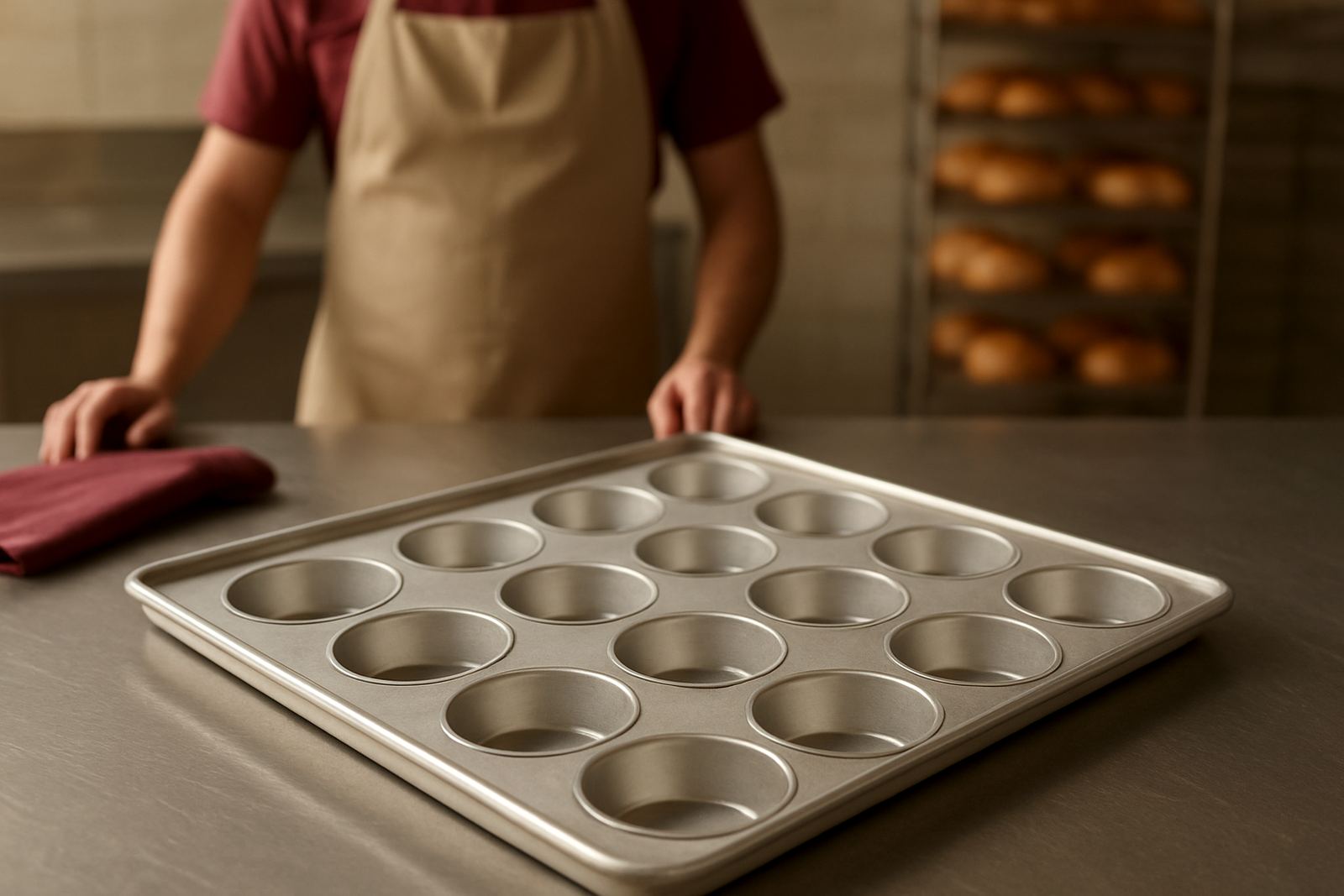
A Danish tray is a bakery tray made to carry shaped Danish pastry pieces through proofing, loading and baking with less movement and better spacing. The tray helps keep portions even, which matters when a bakery is pushing early-morning runs, school orders, hotel packs or counter stock that must look the same all day.
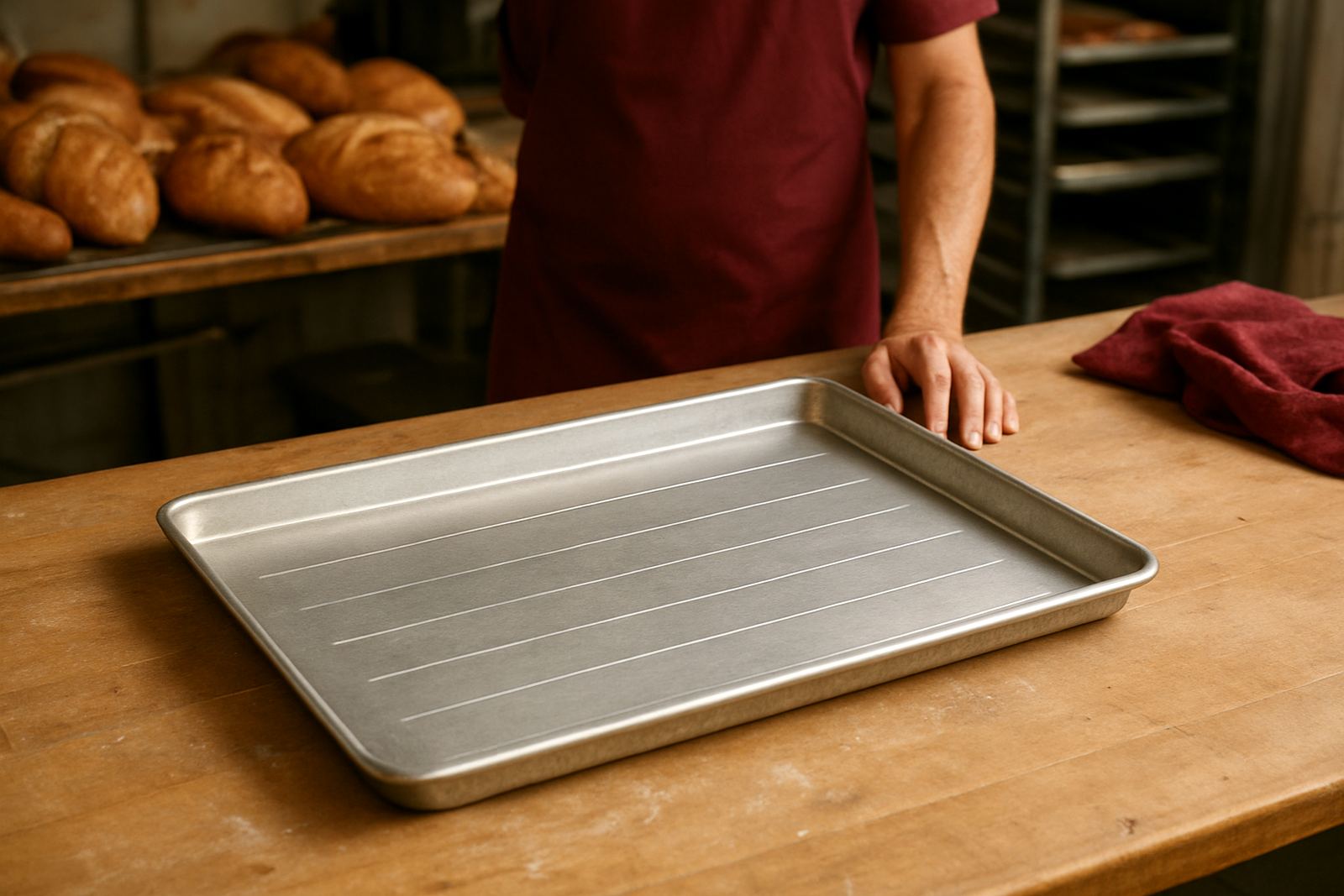
For bakeries in Gauteng, the main value is consistency. A good tray gives a flat, stable base, holds shape under heat, and makes handling quicker when staff are moving between the prep bench, prover and oven. In humid coastal conditions or in hot rooms with limited ventilation, the right tray also helps reduce sticking and warping.
Sizes, build options and common tray formats
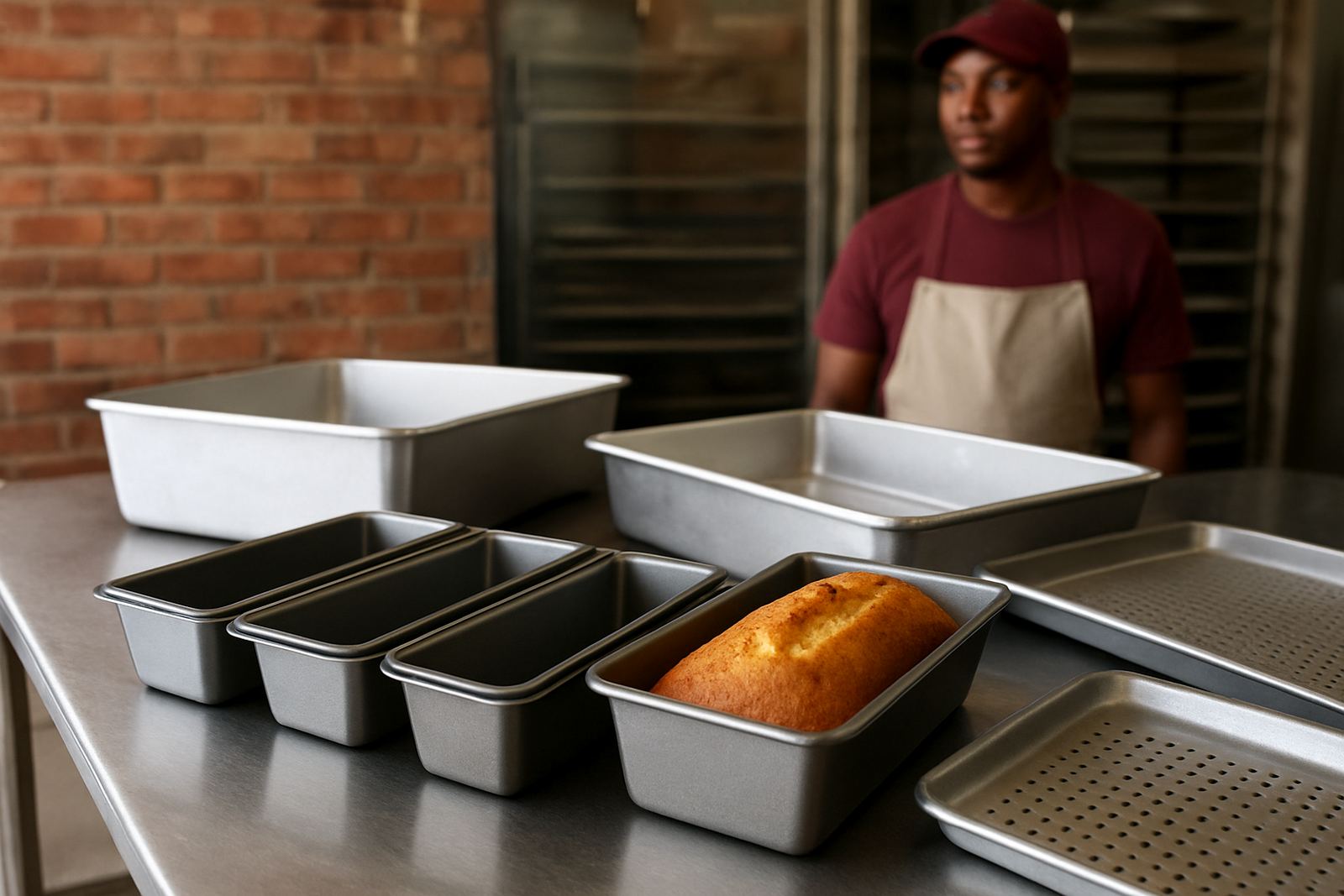
We make Danish trays in working sizes to suit standard bakery handling and oven spacing. The exact size depends on your oven, trolley and product layout, but the tray is normally supplied to match commercial bakery use rather than domestic baking.
- Standard flat sheet or formed tray formats for Danish pastry lines
- Mild steel construction for regular commercial use
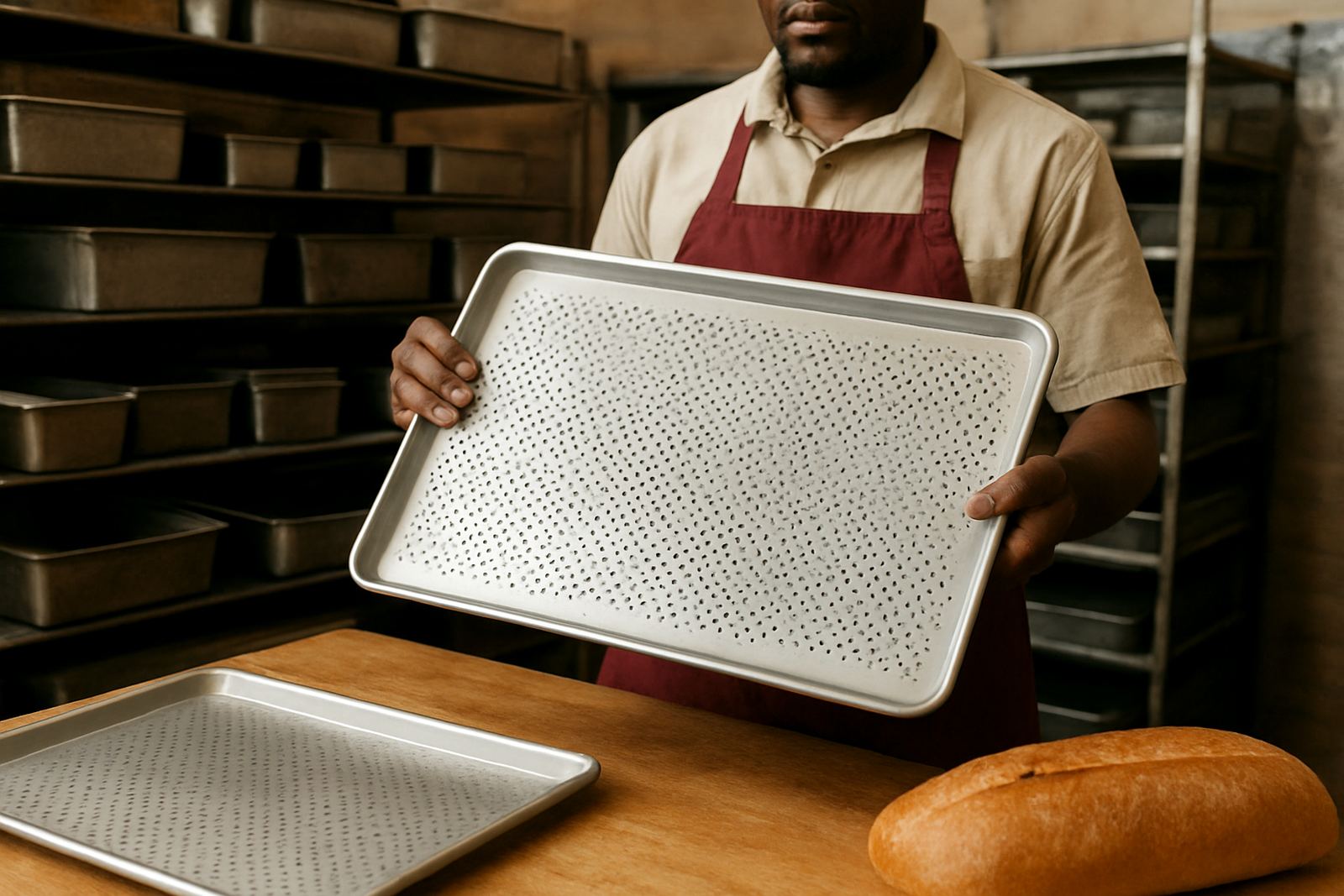
- Perforated options where faster heat transfer and moisture release are needed
- Heavy gauge builds for higher traffic bakeries and repeated trolley movement
- Custom dimensions to suit existing racks, trolleys and oven bays
Typical tray choices include shallow formed edges for easier handling, or a flatter profile when a bakery wants fast loading and simpler stacking. If you already use trays on a particular rack size, we can match the footprint so the new trays slot into the same workflow without reworking the whole line.
Where the tray suits best in production
Danish pastry work needs trays that behave well in the full cycle, from proofing to bakeout and cooling. This tray suits plant bakeries, small commercial bakeries, retail bakery backrooms and catering kitchens that bake in batches through the day. It also works well for bakeries that do mixed pastry production and need one tray type that can keep up with changing orders.
It is especially useful where trays are handled often and time is tight, such as:
- Morning production runs for cafés and coffee shops
- Retail bakeries with counter refill requirements
- Hospitality kitchens baking to order
- Factories and wholesalers preparing batch stock for distribution
Because the tray is built for repeated use, it suits operations in Alrode, Boksburg, Soweto and Midrand where tray movement, stacking and return cycles happen all day. On busy lines, small differences in tray shape can slow down loading, so we focus on a fit that keeps the team moving.
Oven fit, proofing and equipment requirements
The tray itself does not need power or gas, but it must suit the equipment it will be used with. Before ordering, check your oven deck width, rack spacing, trolley rails and whether the tray must pass through a prover, blast area or cooling rack. A tray that is too wide, too deep or too soft can cause handling issues and wasted time.
For bakeries using convection or deck ovens, the tray should allow enough airflow around the product for even colour and lift. If the bakery uses gas-fired ovens, the tray must tolerate repeated heat cycles without buckling. In premises with load-shedding backup plans, tray stability becomes even more important because stop-start production can put extra strain on equipment and staff handling.
- Measure the internal rack size, not just the outside trolley size
- Check how many trays must fit per oven load
- Confirm clearance for gloved handling and tray removal
- Ask whether perforation is needed for your product style
Care, cleaning and servicing on a busy bakery floor
To keep the tray in good order, clean it after use and do not leave sugar, butter or dough residue sitting overnight. Regular wiping helps avoid build-up that can stain the surface or affect release on the next run. In high-volume bakeries, trays should be inspected for twist, edge damage and surface wear during normal wash-down.
For mild steel trays, avoid harsh soaking and dry the trays properly after washing. This matters more in damp coastal air and in bakeries where wash areas are not well ventilated. A little care goes a long way because bent trays create uneven bake results and make stacking unsafe.
We also assist with batch reorders, replacement matching and factory consultations when a site needs the same tray again later. If a tray starts to fail early, we can look at the gauge, the folding and the handling pattern so the next batch lasts longer.
What to check before you place the order
When ordering a Danish tray, the most useful details are practical ones. If you send clear measurements and a sample or drawing, we can match the tray to your bakery process and reduce delays. This is especially important where the tray must work with existing pans, lids, divider inserts or a fixed oven layout.
Please check the following before you order:
- Required external tray size and usable baking area
- Number of pieces per tray and spacing between them
- Material preference and gauge if heavy use is expected
- Perforated or solid base requirement
- Any handle, edge or stacking needs for your team
- Delivery destination and whether site access is tight for dispatch
If your bakery already runs standardised production, we can size match to your current system. If not, we can work from a sample tray or do a prototype run before a larger batch. That keeps the order proper from the start, and avoids back-and-forth after the first delivery.
Key facts
| Product | Danish tray for commercial pastry production |
|---|---|
| Material | Mild steel, with heavy gauge options |
| Tray style | Solid or perforated, depending on use |
| Typical use | Proofing, loading and baking Danish pastry |
| Customisation | Size matching, tray copying and batch reorders |
| Base | Alrode, Johannesburg South, Gauteng |