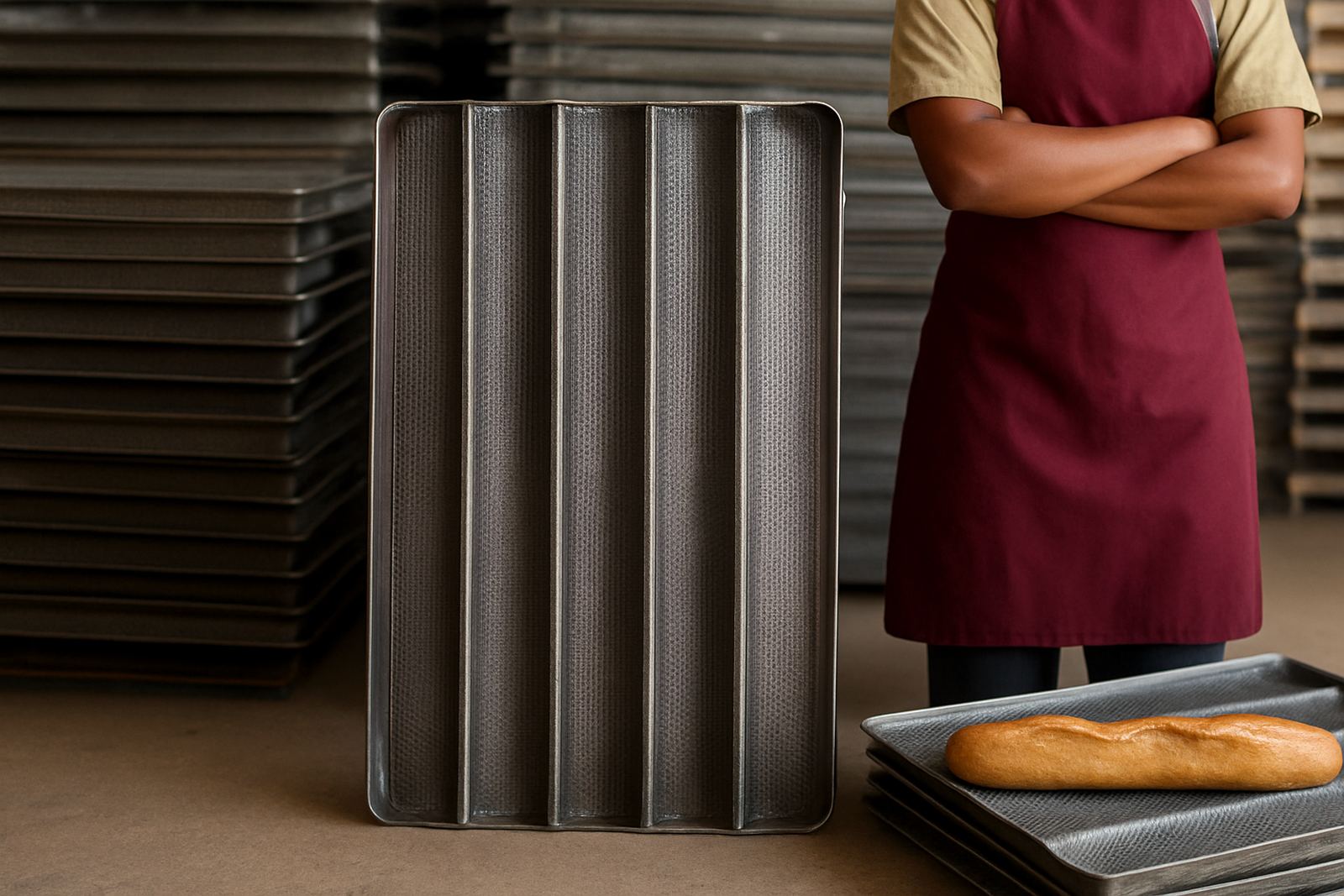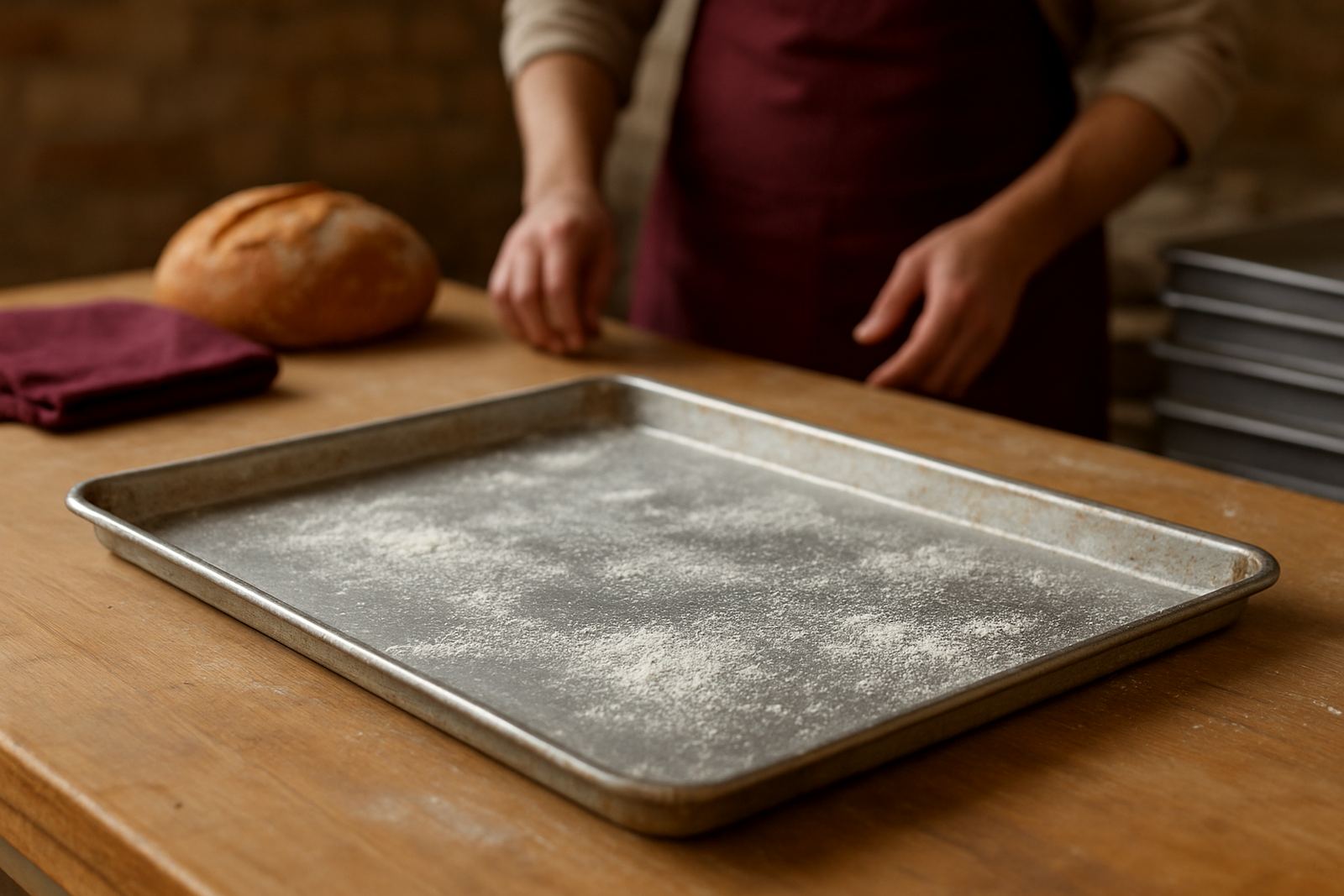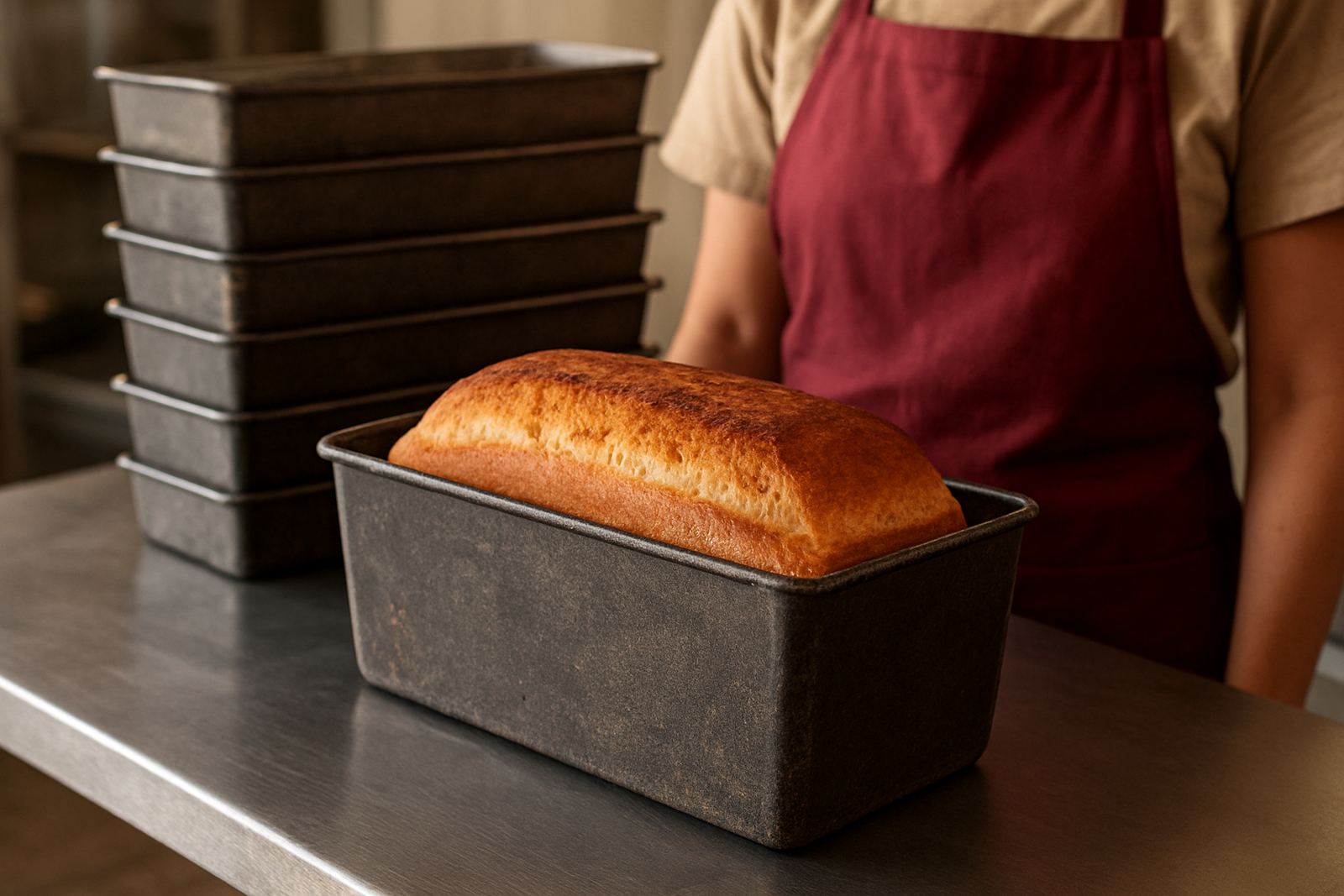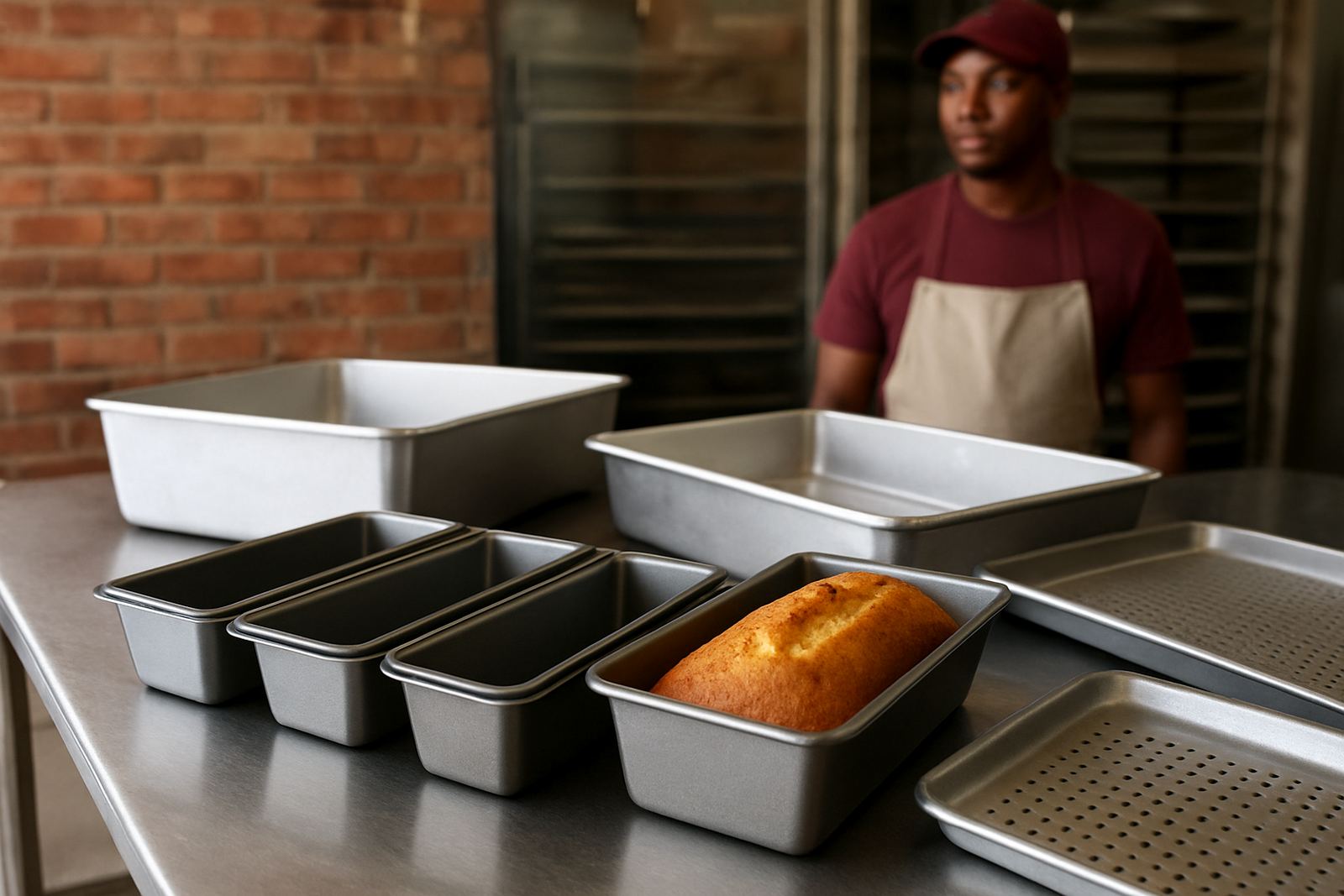
Mini loaf pan for small-format bread runs
A mini loaf pan is a small rectangular bread pan used for short loaves, sampling portions and speciality bakes. It gives you a consistent rise and a tidy side wall so the loaf can be packed, sliced or wrapped with less breakage. For bakeries in Johannesburg South, Alberton and Germiston, that means cleaner presentation and less waste on smaller product lines.
These pans are made for bread dough, sweet dough and enrichment styles that need a firm mould while baking. They are also useful when you want to trial a new recipe before moving into larger trays or standard loaf sizes. The compact shape helps with portion control, and it works well when your oven space is limited or you need mixed batches in one shift.
- Suitable for mini loaves, sample loaves and gift packs
- Helps with uniform bake shape and handling
- Can be made in standard or copied sizes
Sizes, materials and build options
We manufacture mini loaf pans in mild-steel construction, with material thickness matched to your usage and handling. For regular bakery use, a heavier gauge helps the pan keep its shape during daily loading and cleaning. If the pan is moving through high-volume production, we can build to suit your line speed and the weight your staff are comfortable handling.
Mini loaf pans can be supplied as single pans or in batch quantities for repeat orders. Where needed, we can copy an existing pan and match the inside dimensions, rim style and depth. That helps when you are replacing old stock, standardising across branches or extending a line that already sells well.
- Mild-steel body for bakery baking
- Standard and custom sizes available
- Heavy gauge builds available for harder service
- Batch reorders for stable production runs
Where mini loaf pans work best
This pan suits bakeries that make speciality breads, tasting loaves, breakfast loaves and compact retail items. It is also practical for hotels, catering kitchens and small retail bakeries that need neat, portioned products for counter display. In Midrand and Boksburg, where mixed menus are common, a mini loaf pan gives you a flexible bake format without taking too much oven space.
Because the product is small, it is useful for test bakes and seasonal ranges as well. You can run a sample loaf for a coffee counter, a packed lunch item or a giveaway pack, then adjust the recipe before ordering a larger batch. For shops dealing with shorter shelf rotation, the smaller size also helps with stock control.
- Speciality breads and sample loaves
- Hotel and catering kitchen use
- Retail packs for counters and deli sections
- Recipe trials before full production
Oven fit, loading and plant requirements
Mini loaf pans do not need special power or gas by themselves, but they must fit your oven, trolleys and handling routine. Check your shelf spacing, pan count per tray and whether your oven doors clear the loaded rack comfortably. If you are running in a bakery with load-shedding backup, it helps to know how the pan behaves in both electric and gas ovens because recovery times can affect colour and bake time.
For tunnel ovens, deck ovens and convection ovens, the main issue is repeat spacing and airflow around the pan. A tighter layout may increase bottom heat and change the crust. In coastal areas too, humidity can affect dough proofing and pan release so lining, oiling and tray rotation need to be planned properly.
- Check oven shelf size and rack spacing
- Confirm loading weight for staff handling
- Allow for airflow around each pan
- Plan for gas, electric or backup power conditions
Care, cleaning and service life
For longer service life, keep the pan clean and dry after use. Mild-steel bakeware should be washed with care, dried fully and stored where it will not rust from damp air. In places like Durban or coastal parts of the Western Cape, humidity can leave marks quickly if pans are stacked while still wet. A light oiling routine may help, but use what suits your bakery method and product finish.
If a pan starts to twist, lose shape or wear unevenly, it can affect loaf volume and release. We can look at replacement batches, copy a working pan, or supply a stronger build when your current set is no longer holding up. Regular inspection helps, especially where pans are used across several shifts.
- Wash, dry and store properly after use
- Inspect for warping, rust and worn corners
- Ask for replacement batches when needed
What to confirm before you order
Before you place an order, check the loaf size you need, the inside length and width, depth, and how many pans must fit per oven rack. If you already use an existing pan, send the sample or measurements for size matching. That saves time and reduces the risk of ordering a pan that looks right but bakes differently.
It also helps to confirm whether you need plain sides, a fitted lip or a specific edge for handling and stacking. If you are planning future reorders, keep the same spec on file so production stays consistent. For branch bakeries in Soweto, Alrode and Germiston, that makes stock control simpler and it keeps product appearance steady across sites.
- Inside length, width and depth
- Gauge or thickness required
- Number of pans per batch order
- Need for copying, fitting or prototype runs
Key facts
| Product type | Mini loaf pan for speciality breads and sample loaves |
|---|---|
| Material | Mild-steel bakeware |
| Build options | Standard or heavy gauge |
| Sizing | Standard and custom size matching |
| Use | Bread, sweet dough, tasting loaves, compact retail lines |
| Supply | Single units, batch orders, copied patterns and reorders |