What a Divider Loaf Pan Does in Daily Baking
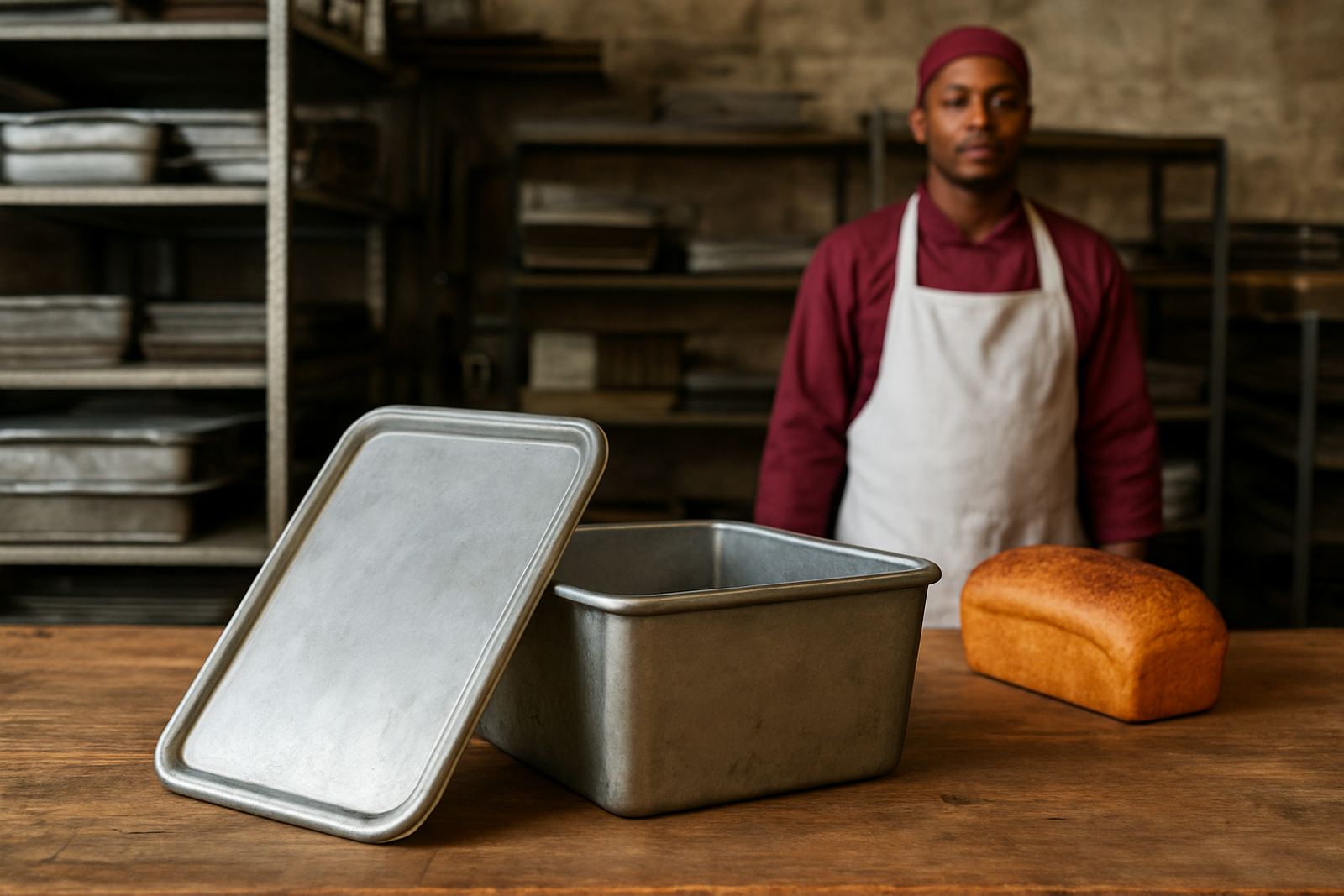
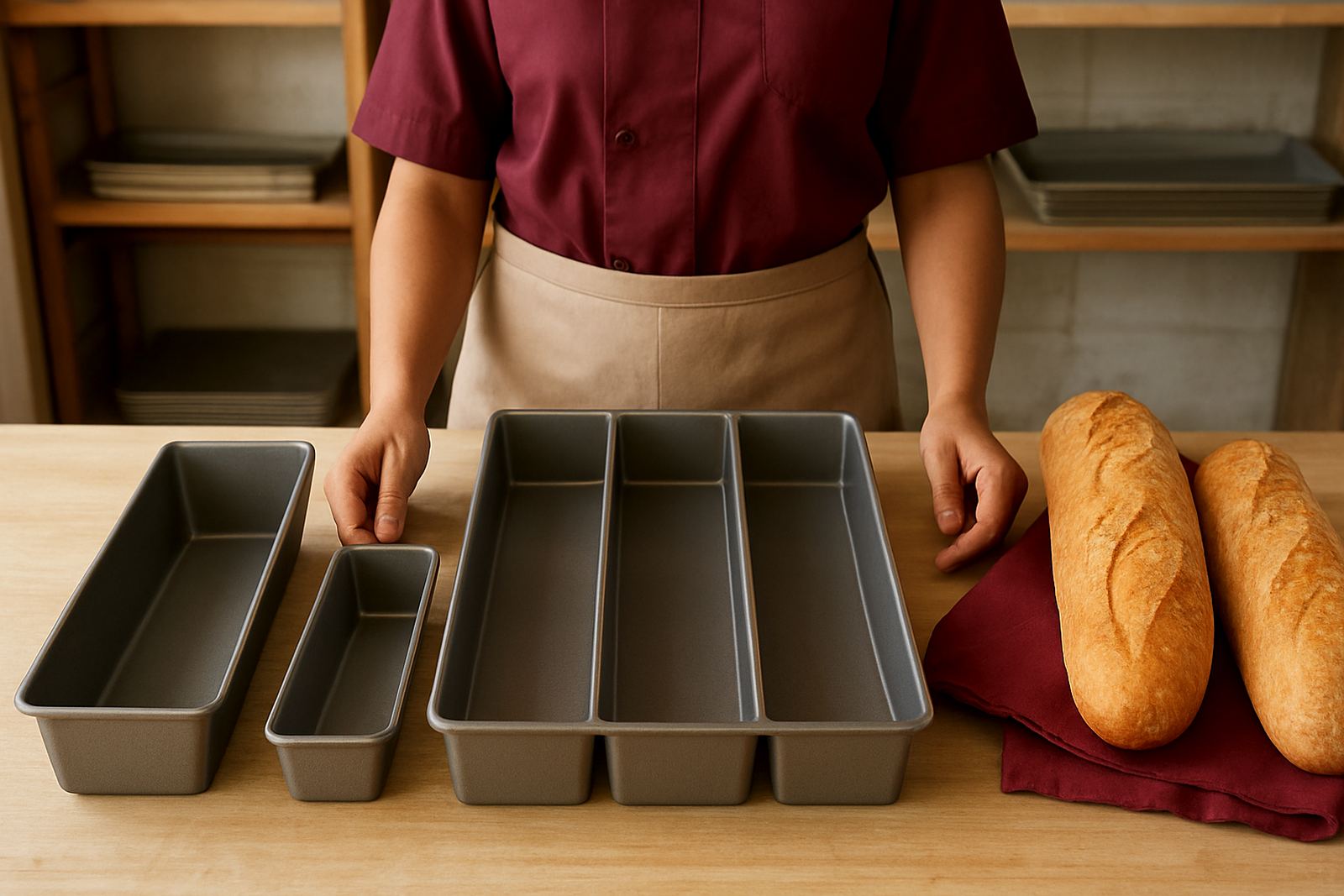
A divider loaf pan is built with fixed sections inside one outer pan, so the dough bakes as separate portions but still sits in a single unit. It is useful where you want steady loaf sizes, less hand shaping, and a more controlled finish from tray to tray. Many bakeries use them for lunch packs, school supplies, tuck shop orders, and smaller retail loaves where even portioning matters.
Because the pan keeps each portion in its own bay, the dough holds shape better during proving and oven spring. That means less spreading on the tray and a neater edge once baked. In busy bakeries around Alrode, Alberton, Germiston and Boksburg, this also helps when staff must move quickly during morning production. You get fewer handling steps and a more predictable result, even when the mix changes a bit between batches.
We manufacture divider loaf pans for practical use, not for show. The focus is on clean folds, straight sides, easy release where requested, and dimensions that suit your oven and rack spacing. If you need a copy of an existing pan, we can measure it and build to match. If the old pan has warped or the divider spacing is off, we can adjust the pattern for your current recipe and bake time.
Sizes, Divider Layouts and Material Options
Divider loaf pans can be made in a range of lengths, widths and compartment counts, depending on how many portions you need per cycle. Common requests include 2, 3, 4, 6 and 8 section layouts, but we also make custom units where the oven opening or the product size needs something else. If you are working with a specific dough weight, bring that figure as it helps with divider sizing and proofing allowances.
We build in mild steel as standard, with heavier gauge options for hard daily use, longer runs and factories that prefer less flex. For bread applications, the finish can be left practical for easy maintenance, or made with a smoother surface if your handling team needs faster release. Where required, we can add divider inserts, strengthened corners, reinforced rims and taller side walls. If your bakery is near the coast or in a damp storeroom, a care plan matters because moisture will shorten the life of any bare steel item.
- Single pan with fixed internal dividers
- Two to eight portion layouts, depending on size
- Standard and heavy gauge build options
- Custom width, depth and wall height on request
- Copying from an existing sample or damaged pan
For bakery groups that reorder in batches, we can keep your size on record for repeat supply. That helps when a tray wears out mid season and you need replacements without starting from scratch again.
Where Divider Loaf Pans Suit Best
These pans suit bakeries that sell the same loaf format every day and need predictable output. They are useful for retail counters, catering kitchens, school food programmes, and production lines where staff must work under time pressure. In mid-morning production, when ovens are already loaded and the team is pushing to meet dispatch, a divider pan can save time on handling and tray counting.
They also suit sites that run more than one oven type or have uneven power supply. In parts of Gauteng, load-shedding means production windows can be short, so a tray that gives multiple portions in one bake can improve planning. If you are working in Soweto, Midrand or Germiston and balancing batch sizes against available oven space, the divider layout can make a real difference.
These pans are often chosen where municipal water is limited for washing down and where grease build-up must be managed carefully. A divider pan that is easy to inspect and clean helps keep the bakery floor cleaner and reduces wasted product from sticking or tearing. They are not just for big plants either, smaller bakeries use them when they want a neater, repeatable loaf without adding extra forming equipment.
Installation, Oven Fit and Energy Requirements
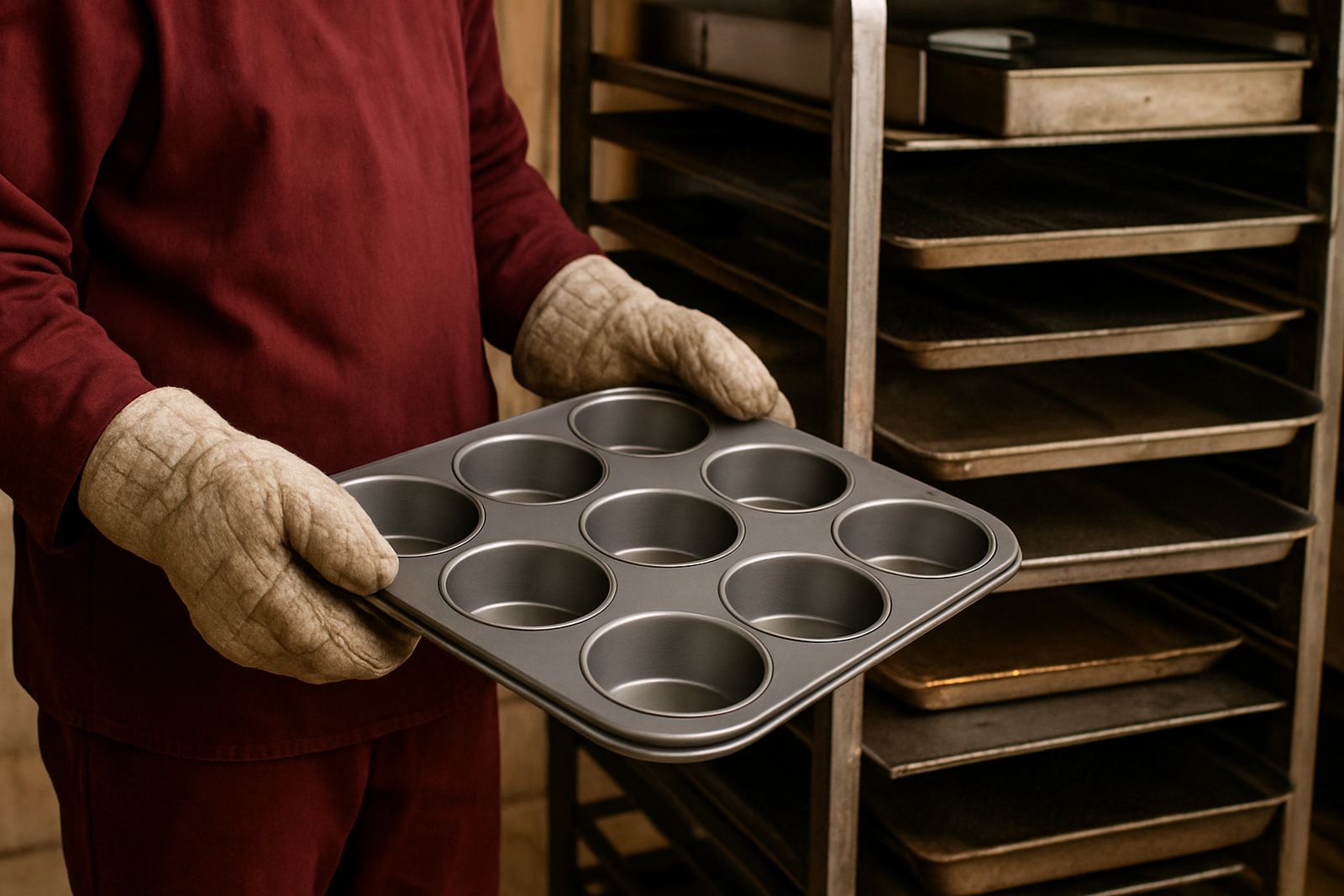
A divider loaf pan does not need power or gas itself, but it must fit the oven, rack and handling system you already use. Before ordering, check the internal oven width, tray runner spacing, shelf depth and the clearance needed for loading and removal. If the pan is too wide or too deep, staff will struggle with hot handling and you can lose time at the oven door.
We always recommend checking the pan height against your proofing process as well. Some doughs rise more than expected and can touch the top of the divider if the walls are too low. If you use fan ovens, convection units, deck ovens or a mixed line, tell us the heat pattern and the bake time. That way we can advise on wall thickness, divider spacing and any support ribs needed to keep the pan steady.
- Check oven opening, runner width and tray depth before ordering
- Confirm whether the pan must slide on rails or sit on a flat shelf
- Allow space for gloves, tongs and safe hot removal
- Tell us if the oven has hot spots or uneven heat across the chamber
- Share dough weight and rise height so the divider depth is correct
For bakeries using batch runs between power interruptions, it is worth planning the number of pans against the actual bake cycle. That way you can get the most from each heating period without overloading the oven or overhandling the product.
Care, Cleaning and Servicing Between Runs
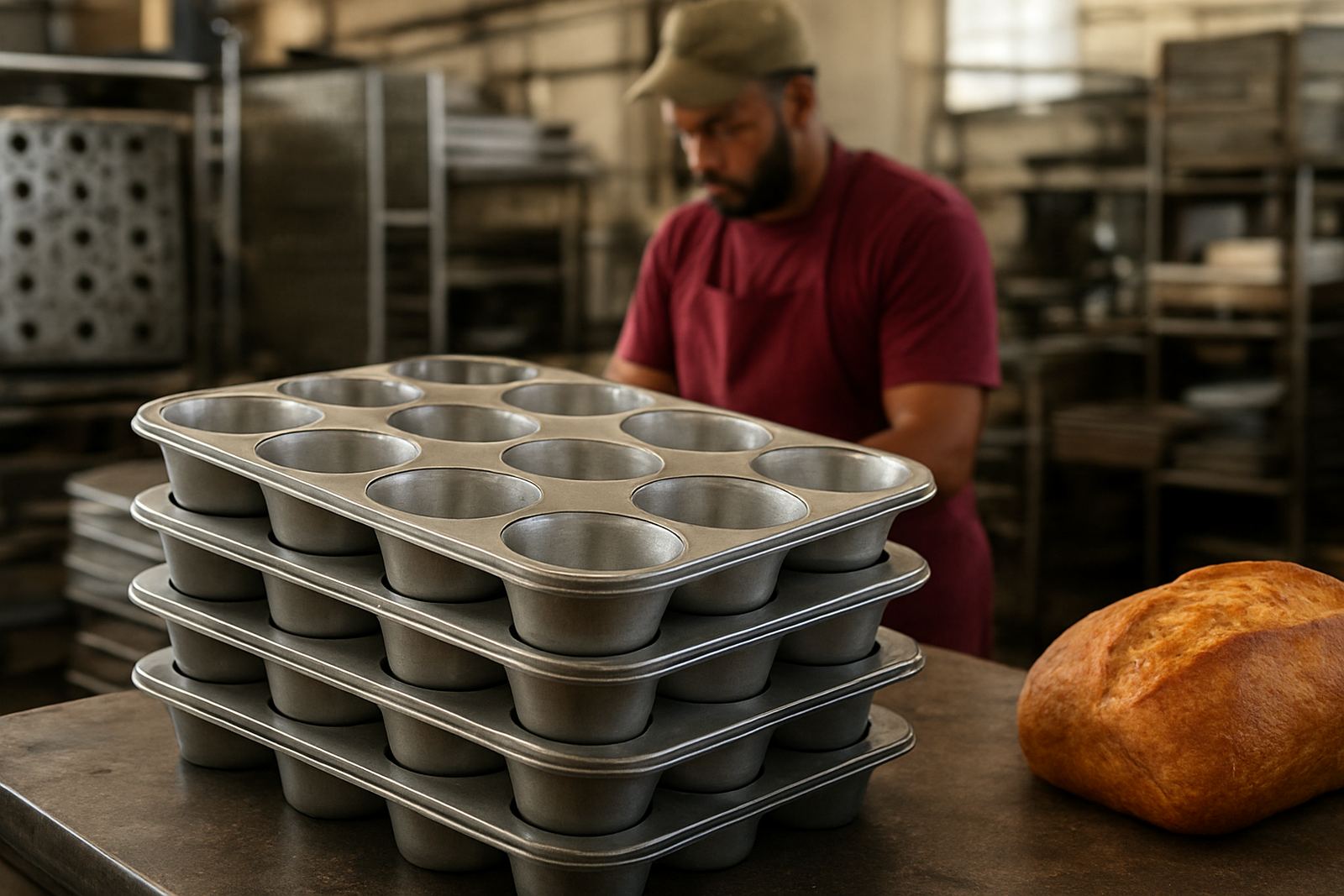
Divider loaf pans need regular cleaning, drying and inspection if you want a long service life. Leftover fat, flour dust and moisture will cause staining and can lead to pitting on mild steel. After use, allow the pan to cool, remove crumbs, wash with the right cleaner and dry fully before stacking. Do not leave wet pans nested in a warm store room, especially in humid coastal conditions or in a busy bakery with little airflow.
If you use release agents, keep the coat light and even. Too much oil attracts dirt and makes the pan harder to clean later. Check the divider joints, corners and rims for bending or fatigue, because repeated loading and unloading can open gaps or distort the shape. A small bend now often becomes a sticking issue later, so early repair is cheaper than full replacement.
We can assist with servicing advice, replacement builds and repeat batch supply when your current pans start to wear. For bakeries in Gauteng, that support is useful when production cannot pause for long. If a pan has a cracked corner or a warped side, send the measurements and a clear sample if possible, and we will advise on the best fix or remake.
What to Check When Ordering Your Divider Loaf Pan
When ordering, the best starting point is the finished loaf size you need on the shelf or in the delivery crate. From there, work backwards to the dough weight, proofing space and oven fit. If you are matching an old pan, bring the outside measurements, wall height, divider count and any photos of the damage or wear. That saves time and avoids guesswork.
Also tell us how the pan will be used. A bakery with one morning shift may need a lighter build, while a plant in Alrode or Boksburg doing repeated daily cycles may prefer a heavier gauge pan with reinforced edges. If you need batch reorders, prototype runs, or a copy of a sample pan, we can handle that. If the pan must work with existing racks, ask us to size it against your current set-up so there is no surprise at dispatch.
- Finished loaf dimensions and target dough weight
- Number of divider sections required
- Oven type, rack size and available shelf space
- Mild steel or heavy gauge preference
- Any need for copying, fitting or prototype adjustments
Good ordering details keep production moving and help the pan last longer. It also keeps your team from wasting time on trays that almost fit but not quite, which is a problem nobody needs on a Monday morning.
Key facts
| Product type | Divider loaf pan for multiple portions in one bake cycle |
|---|---|
| Material | Mild steel, with heavy gauge option available |
| Divider layout | Custom 2 to 8 section builds, more on request |
| Build options | Standard, reinforced rim, higher side walls, divider inserts |
| Use area | Bread production, catering kitchens, retail bakehouses, school supply |
| Service area | Alrode, Alberton, Germiston, Boksburg, Soweto, Midrand and wider Gauteng |