What a muffin tray does in a working bakery
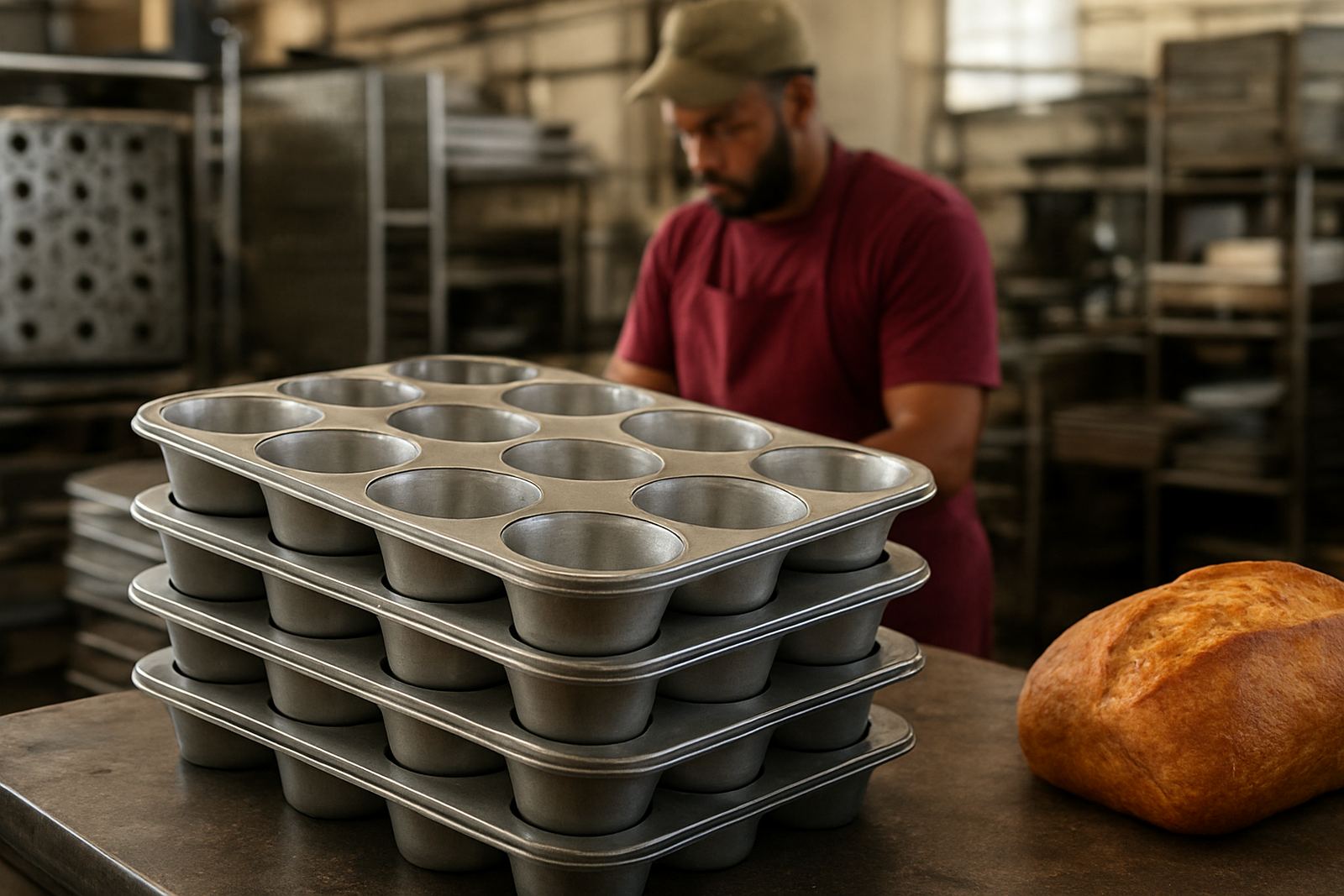
A muffin tray is a multi-cup bakeware sheet used for portioned products that need even baking and a neat finished shape. In bakery kitchens it is used for muffins, cupcake style batter, egg bakes, savoury snack portions and catering items that need a consistent size from tray to tray.
Our trays are made for regular shop-floor use, with cup spacing and sheet strength set up to handle busy cycles in Gauteng bakeries, school kitchens and food prep areas that run from early morning through to late collection. If you are baking in Alrode, Germiston or Soweto, the tray must fit your oven rails and still leave enough airflow between the cups for even colour and lift.
We manufacture trays for practical use, not display. That means cleaner edges, repeatable cup depth and options that suit hand filling or depositor use. For bakeries working through load-shedding and generator changeovers, a tray that moves smoothly from proof area to oven and then to cooling racks saves time and heat loss.
Sizes, cup counts and build options
Muffin trays can be made in standard cup counts or to a size you need for your own tins, ovens and packaging. The cup diameter, depth and sheet size all affect batter yield, bake time and the final product weight, so it helps to match the tray before you commit to a batch order.
- Common cup counts: 6, 12, 24 and custom layouts for production lines
- Cup depth: shallow, medium and deep options depending on batter rise
- Material: mild steel or heavier gauge sheet where more rigidity is needed
- Finish: plain metal, perforated sections or fitted inserts where specified
- Tray edges: folded or strengthened edges to help with handling and repeated use
- Special forms: rounded cup profiles or matched copies from an existing tray
We also supply matching work for bakeries that want tray sets kept consistent across branches. If you are running one spec in Midrand and another in Boksburg it causes waste, so size matching and copy work are useful when you want the same portion and bake time across more than one site.
Where muffin trays suit best
These trays suit bakeries that bake in volume but still need a neat retail finish. They are commonly used in supermarket prep areas, coffee shops, small plant bakeries, school kitchens, hotel kitchens and catering teams that need portions ready for service boxes or counter display.
They are a good fit for sweet muffin mixes, fruit mixes, chocolate bakes, cheese and herb portions, corn style savouries and egg based breakfast items. In humid coastal areas the batter and tray care need a little more attention, but the tray itself still performs well if it is cleaned and dried properly after use.
- Bakery production lines with repeat daily bakes
- Catering kitchens supplying functions and office lunches
- Retail counters that need neat, portioned products
- Trial batches for new recipes and seasonal specials
- Operations that want a tray shape matched to a packaging size
Oven fit, handling and power or gas needs
Muffin trays do not need power or gas themselves, but they must suit the heat source and the oven space around them. If your oven runs on gas, electricity or a combination, the key point is even heat and easy tray handling. A tray that is too wide for the rails or too deep for the chamber can affect bake colour and operator safety.
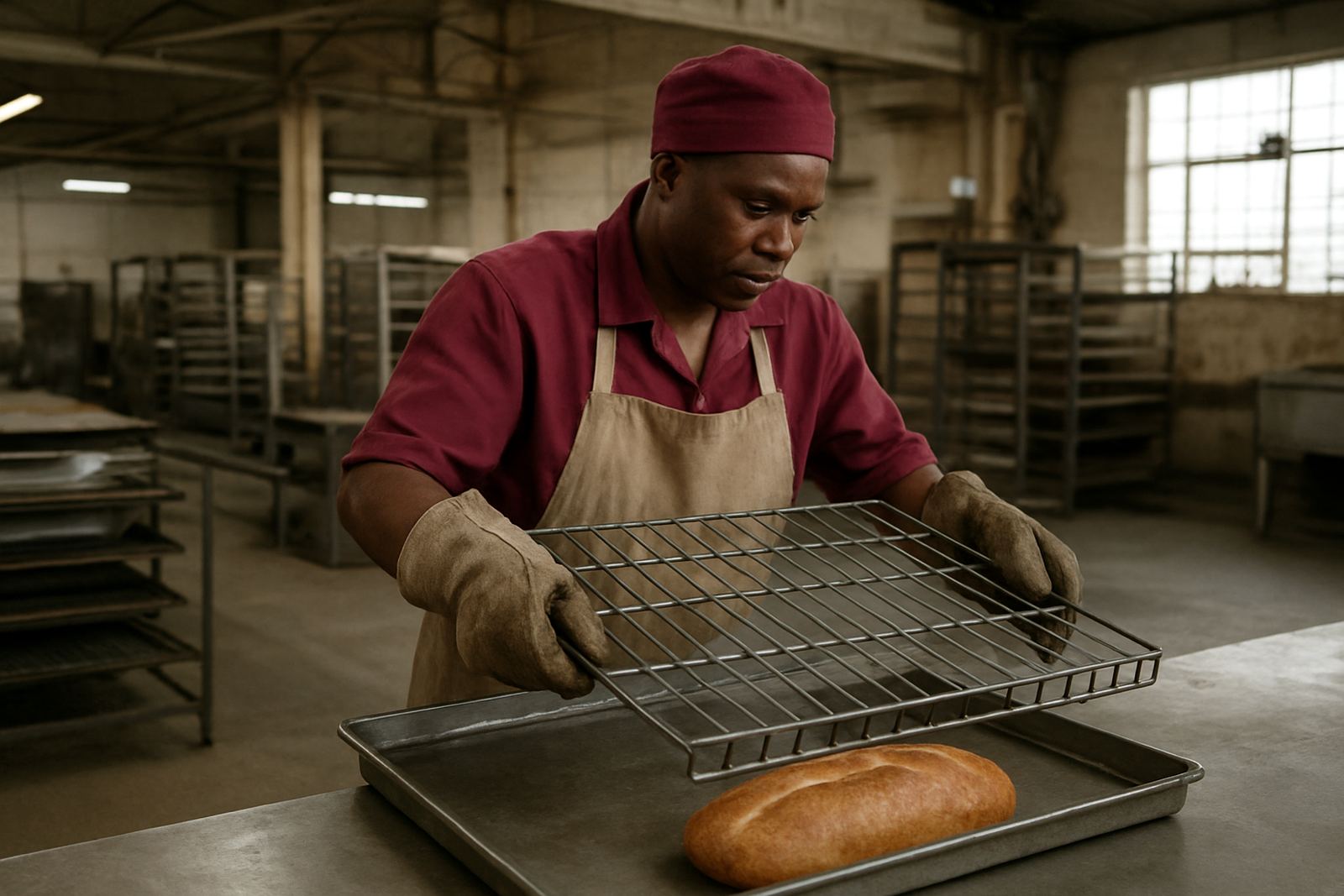
Before ordering, check the inside oven width, rack spacing and how many trays you need per bake cycle. In smaller bakeries, a tray with the wrong footprint means lost time on every rotation, especially when you are managing peak orders and water or power interruptions. A tray should also allow safe glove handling, with enough edge to grip without burning fingers.
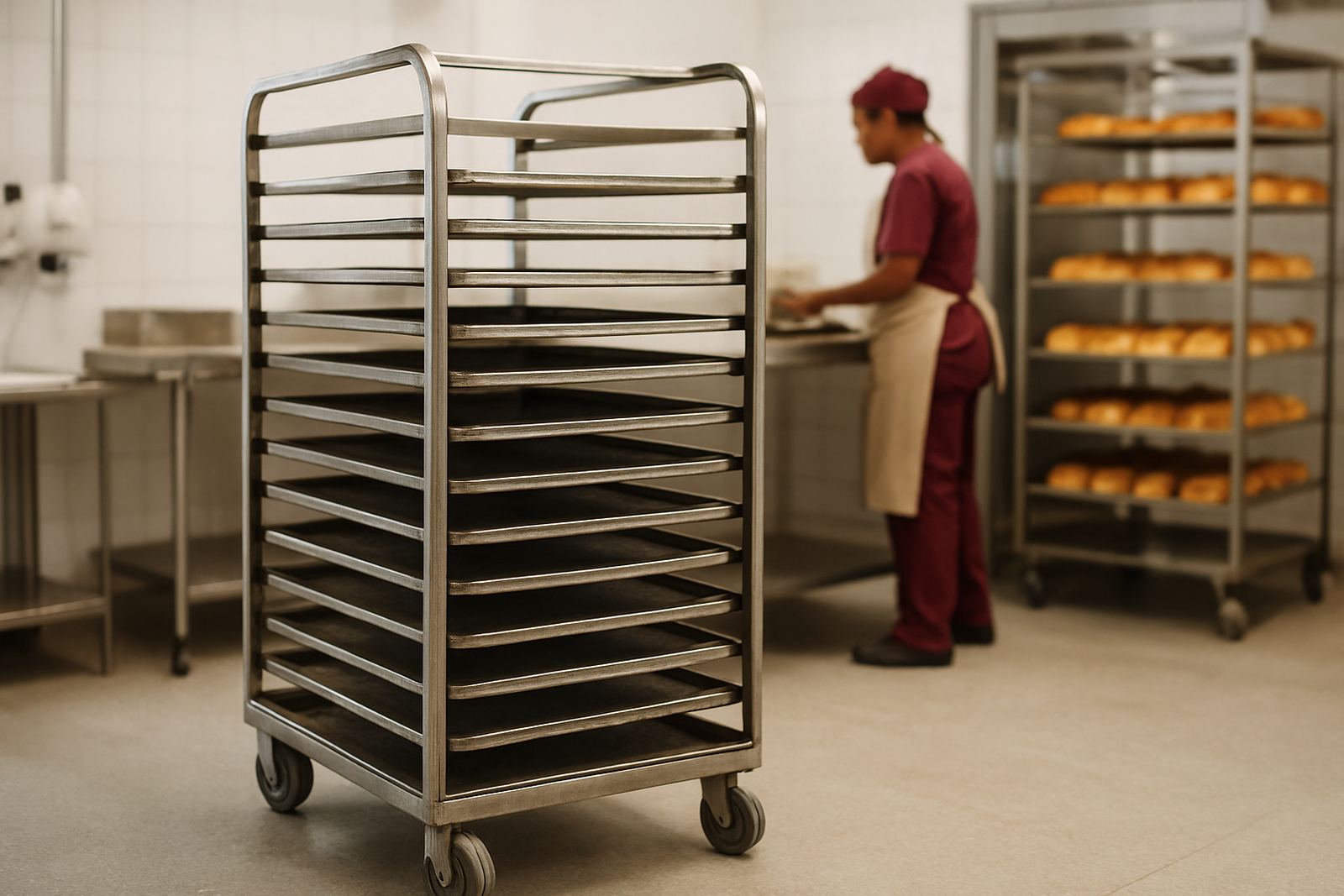
If your kitchen has limited prep space, ask for a tray size that stacks properly and moves from bench to oven to cooling rack without snagging. It sounds simple but it saves a lot of work over a full week.
Care, cleaning and long life in busy kitchens
Good care starts with cleaning the trays while they are still warm enough to release crumbs, but not so hot that operators rush the job. Remove batter build up, wash with suitable detergent, rinse well and dry fully before stacking. Leaving moisture between trays can cause staining, and in a coastal store it can lead to faster surface rust on untreated sheet.
For bakeries that use the trays every day, a simple inspection routine helps. Check the cup rims for dents, the sheet for warping and any sharp edges around the corners. If trays are copied from old samples, it is worth checking the original sample too because worn trays can pass on the same fault to a new batch.
- Do not leave soaked trays sitting overnight
- Dry fully before stacking to prevent marking
- Keep harsh abrasives away from finished surfaces
- Store flat where possible to avoid bending
- Separate damaged trays from working stock for repair or replacement
What to check when ordering muffin trays
When you place an order, the best result comes from clear measurements and a simple description of what the tray must do. If you already have a tray that works well, we can work from that sample. If not, send the oven size, required cup count and the product weight you want in each cup.
- Overall tray size in millimetres
- Number of cups and cup diameter
- Desired cup depth and batter volume
- Material thickness or heavy gauge requirement
- Whether the tray must copy an existing unit
- Any special handling need, such as strengthened edges or stack fit
We also recommend confirming whether the tray will be used for sweet, savoury or mixed product lines. That affects depth, spacing and cleaning requirements. If you are based in Alberton, Germiston, Boksburg, Soweto or Midrand, we can discuss the spec before production so the first batch is right and there is no waste from guesswork.
Key facts
| Product type | Multi-cup muffin tray for bakery and catering use |
|---|---|
| Typical use | Sweet muffins, savoury muffins, cupcake style bakes and portioned egg dishes |
| Material options | Mild steel or heavier gauge sheet on request |
| Size options | 6, 12, 24 cup and custom layouts |
| Custom work | Size matching, pan copying, prototype runs and batch reorders |
| Base area | Alrode, Johannesburg South, with supply into Gauteng and surrounding areas |