What a scone tray does in the oven
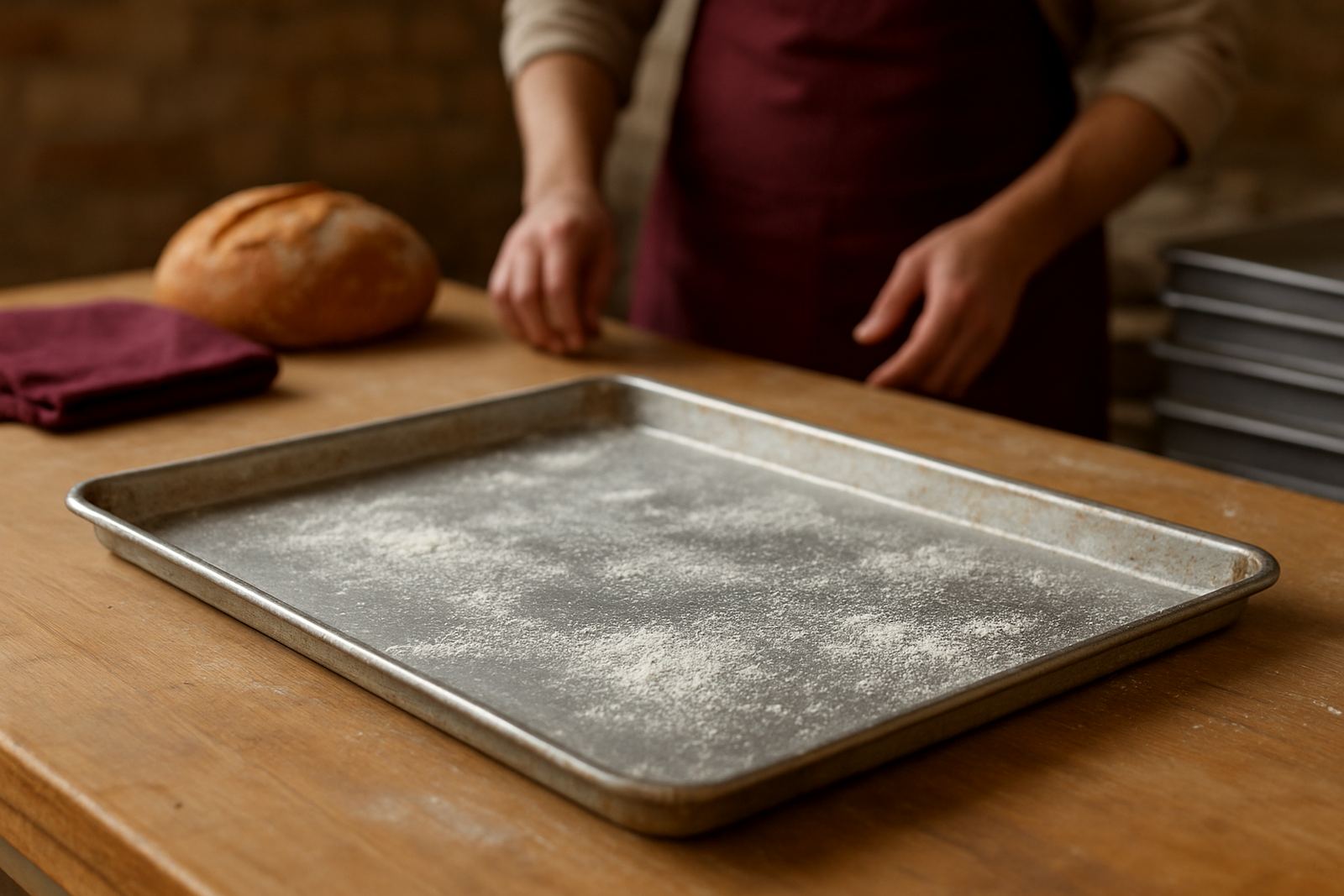
A scone tray is a flat baking tray used for scones and other hand-cut baked goods that need support from the bench to the oven. It helps keep the pieces together during loading and gives a cleaner bake than placing dough directly on oven floors or thin, warped trays.
For bakeries in Johannesburg South, Germiston and Boksburg, this is a practical piece of bakeware for morning production and daily reorders. It also suits catering kitchens that need steady output for functions, school tuck shops, coffee shops and local retailers. The tray can be made in mild steel for general use or in a perforated form where more bottom heat and airflow are wanted.
Sizes, gauge choices and tray layout
Scone trays are normally made to suit your oven shelf size and your preferred batch count. We can work from an existing tray, a sample pan or your own measurements. If you already have a production pattern, we can match the size closely so your loading and cooling trolleys stay consistent.
Common build choices include standard rectangular tray formats, heavier gauge builds for daily bakery use and lighter trays for smaller runs. Where required, we can add a formed edge for easier handling and better rigidity. If your bakery is using gas ovens, electric deck ovens or convection ovens, the tray dimensions should match the available shelf space and airflow, because a tray that is too tight can affect bake colour and turnaround time.
- Standard rectangular sizes for scones and hand-cut squares
- Custom dimensions to suit your oven shelf or trolley rack
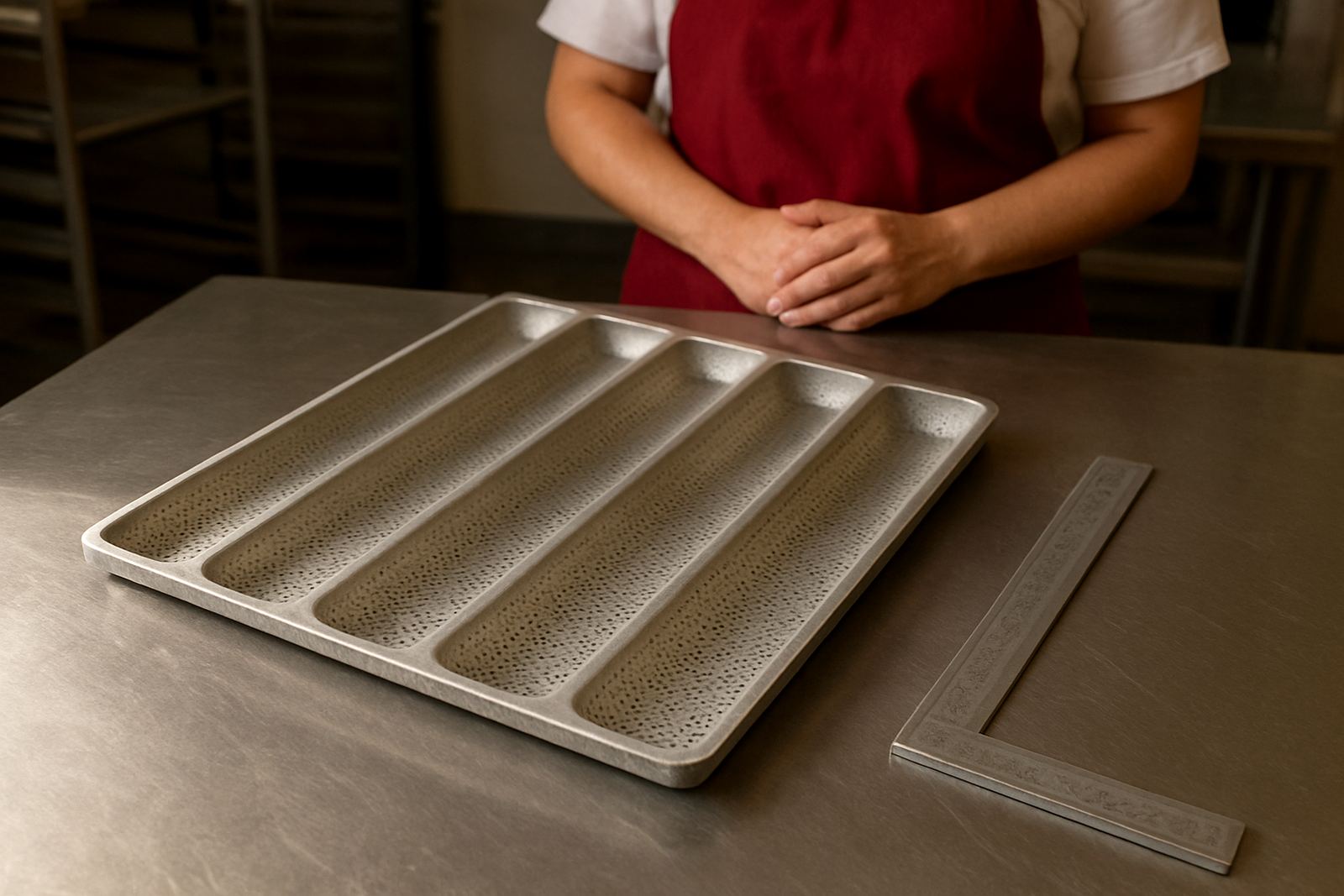
- Perforated options for improved base heat
- Heavy gauge options for regular production and less flexing
Where the tray suits best
This tray suits bakeries making plain scones, fruit scones, savoury cheese scones and similar hand-cut items. It also works well for biscuit lines, shortbread fingers, coconut squares, tea-time trays and cut bars that need even support. In coastal areas like Durban or the South Coast, tray material and storage matter because humidity can shorten the life of thin sheet if it is left wet or stacked badly.
For schools, church groups, caterers and smaller manufacturing kitchens, one tray type can often be used across several products. That saves storage and makes batch work simpler. If your production changes through the week, for example from scones on Monday to tray bakes later in the week, the same tray can still be used as long as the dough format is suitable.
- Bakeries with morning scone runs
- Caterers producing finger bakes and snack trays
- Coffee shops and farm stalls selling fresh batches
- Training kitchens and small food production rooms
Oven fit, handling and power or gas needs
The tray itself does not need power or gas, but it must suit the oven system you are using. Check shelf size, oven width, rack clearance and whether the tray must pass through a proofer, retarder or holding cabinet before baking. If you use convection ovens, leave enough side clearance for air movement. In gas ovens, avoid overloading the tray with dough that is too close together, as hot spots can give uneven colour.
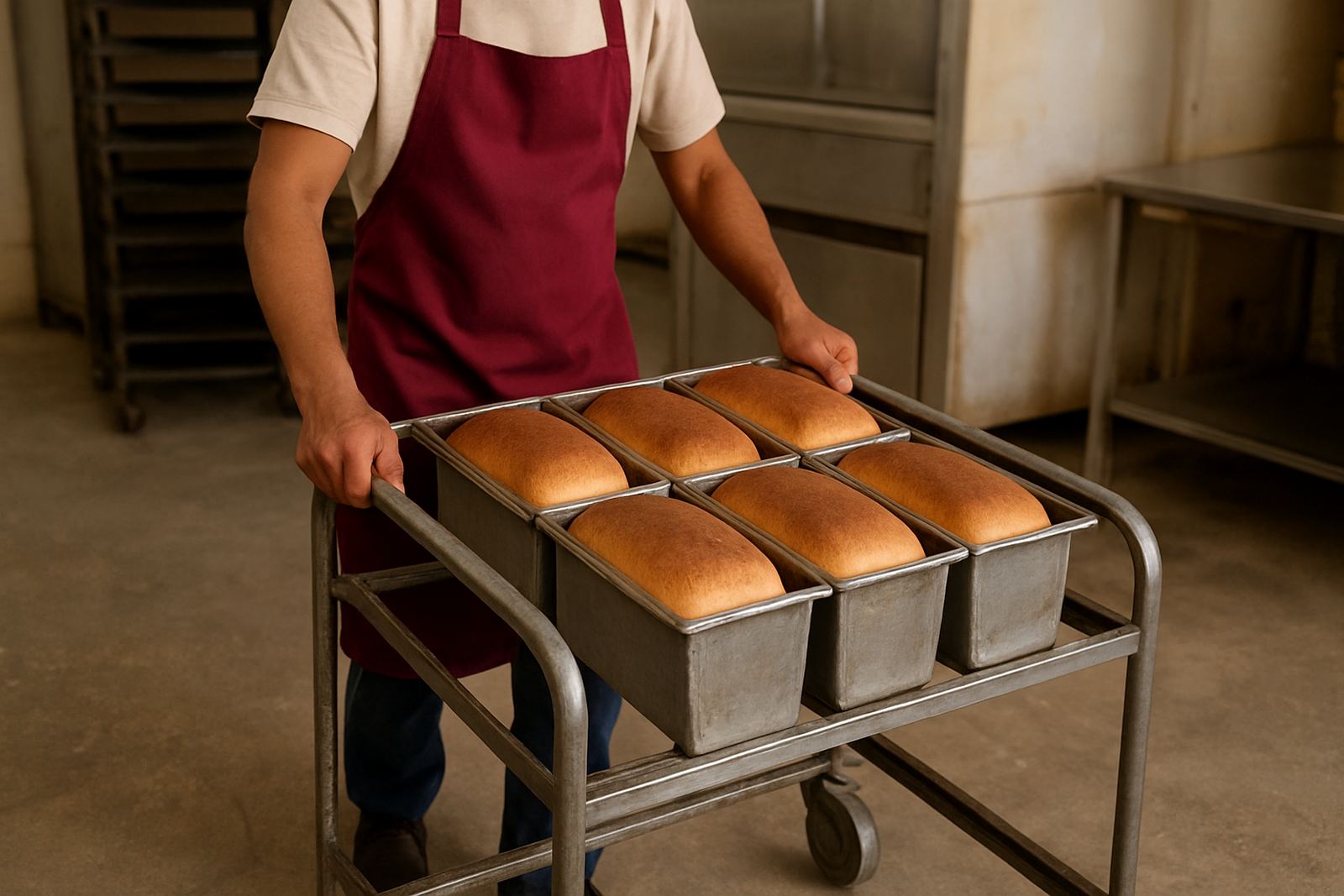
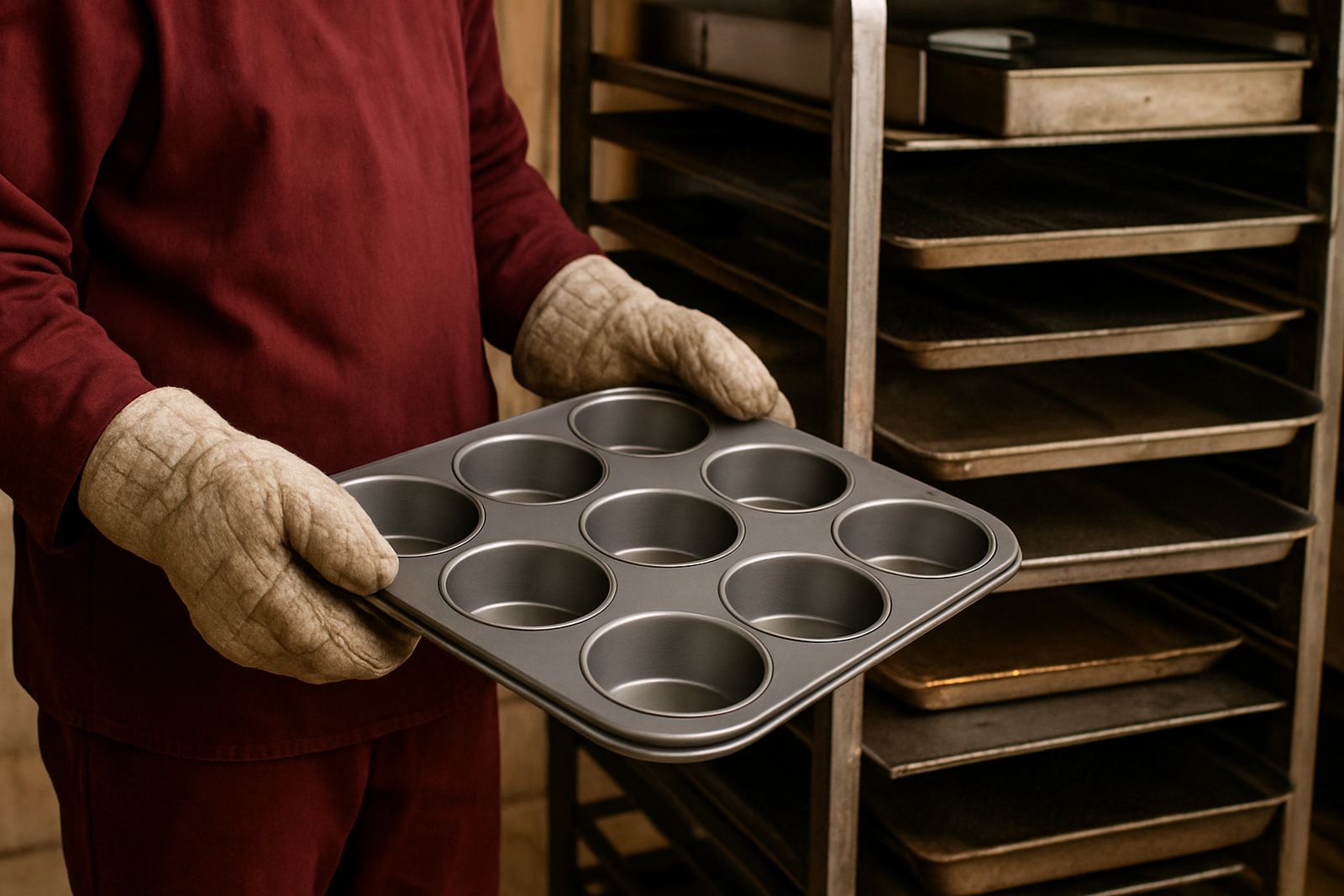
If you are loading by hand, a tray with a clean edge and sensible weight is easier for staff to handle. In Johannesburg and the East Rand, many bakeries run fast shifts with limited labour, so a tray that stacks neatly and slides without snagging makes a real difference. If you are fitting into existing racks, measure the internal clear opening, not just the outside cabinet size.
Care, cleaning and longer service life
To keep scone trays in service for longer, scrape off residue while the tray is still warm, then wash with a non-abrasive cleaner and dry it fully before stacking. Water left on mild steel can lead to surface rust, especially in humid conditions or when trays are stored near wash-up areas. Do not leave heavy dough build-up to burn on because that affects heat transfer and can leave rough patches.
For bakeries with load-shedding, the tray may sit idle for periods between bake cycles. That makes storage even more important. Keep trays flat, dry and stacked so they do not twist. If a tray starts to bend or the edge opens up, it should be checked before it becomes a handling problem in daily production.
- Clean after every shift, not later in the week
- Dry fully before stacking
- Store away from damp floors and sinks
- Check for flex, rust spots and worn edges during routine servicing
What to check before you order
Before ordering, decide how many scones or cut pieces you want per tray, what oven shelf size you have, and whether you want a standard or perforated base. It also helps to know if your bakery needs the same tray copied from an existing sample, or whether a new layout is needed. If you are in Alrode, Alberton, Midrand or Soweto, sending clear measurements saves time and avoids back-and-forth on the first batch.
Please also confirm the gauge you want, the height of the edge if any, and whether the tray must fit into a specific rack or proofing cabinet. For repeat production, batch reorders are easier when the original spec is kept on file. If you are not sure about the exact fit, we can work from a sample and sort the dimensions before fabrication starts.
- Tray length, width and any required edge height
- Number of scones or portions per tray
- Oven type and shelf clearances
- Material preference and gauge
- Need for perforation or a solid base
Key facts
| Product type | Flat baking tray for scones and hand-cut baked goods |
|---|---|
| Material | Mild steel, with perforated option available |
| Typical use | Scones, shortbread, tea-time tray bakes, cut bars and biscuit lines |
| Build options | Standard size, custom size, heavy gauge, perforated base |
| Oven compatibility | Suitable for gas, electric deck and convection ovens |
| Maintenance | Wash, dry and stack flat to reduce rust and warping |