How to send a custom enquiry
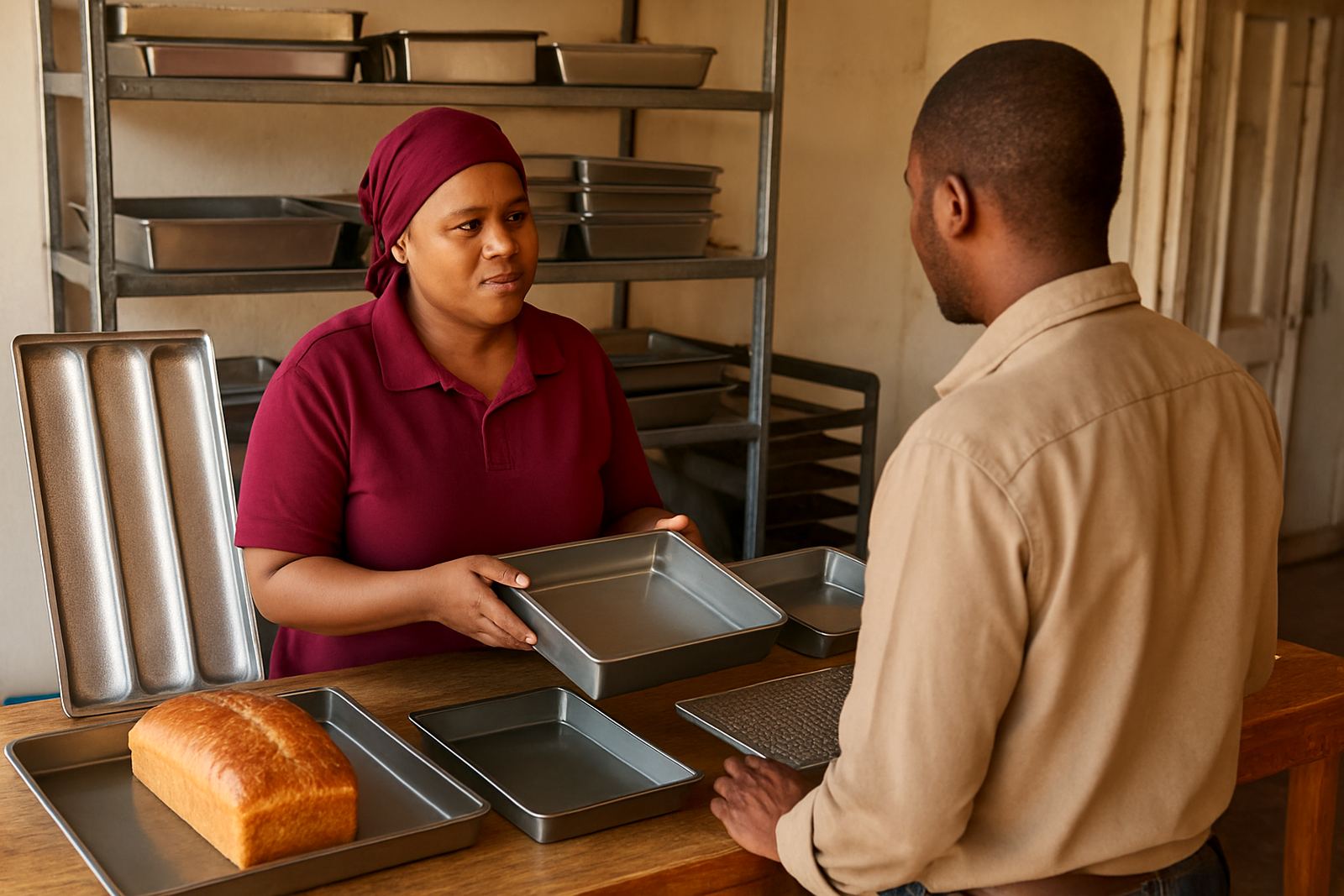
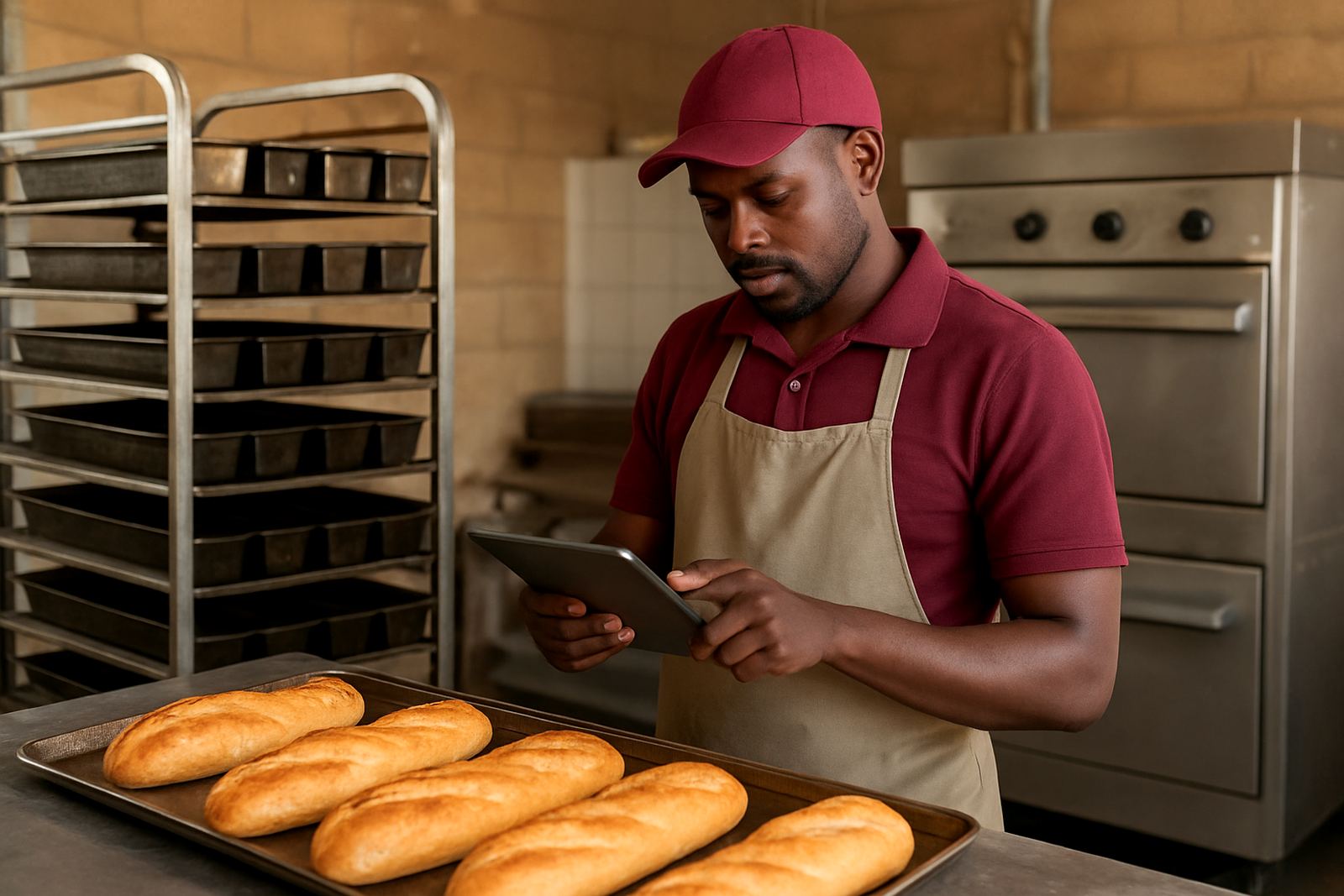
The quickest way to start is to send us your measurements, a photo of the current item, or a physical sample if you are nearby in Alrode, Alberton, Germiston or Boksburg. Include the product type, the internal size or outside size, the metal thickness if you know it, and the quantity needed.
If the item must work with an existing oven rack, trolley, divider or lid, mention that early. Small changes in lip height or corner shape can affect how the pan sits, especially where bakeries are running tight tray gaps and high daily output.
- Product name and use, for example bread pan, lid, tray or baguette tray
- Length, width and depth in mm or metres if it is a large set-up
- Photos from the top, side and base
- Quantity required for batch orders or repeat runs
- Town or suburb for delivery planning
What we need to assess the job properly
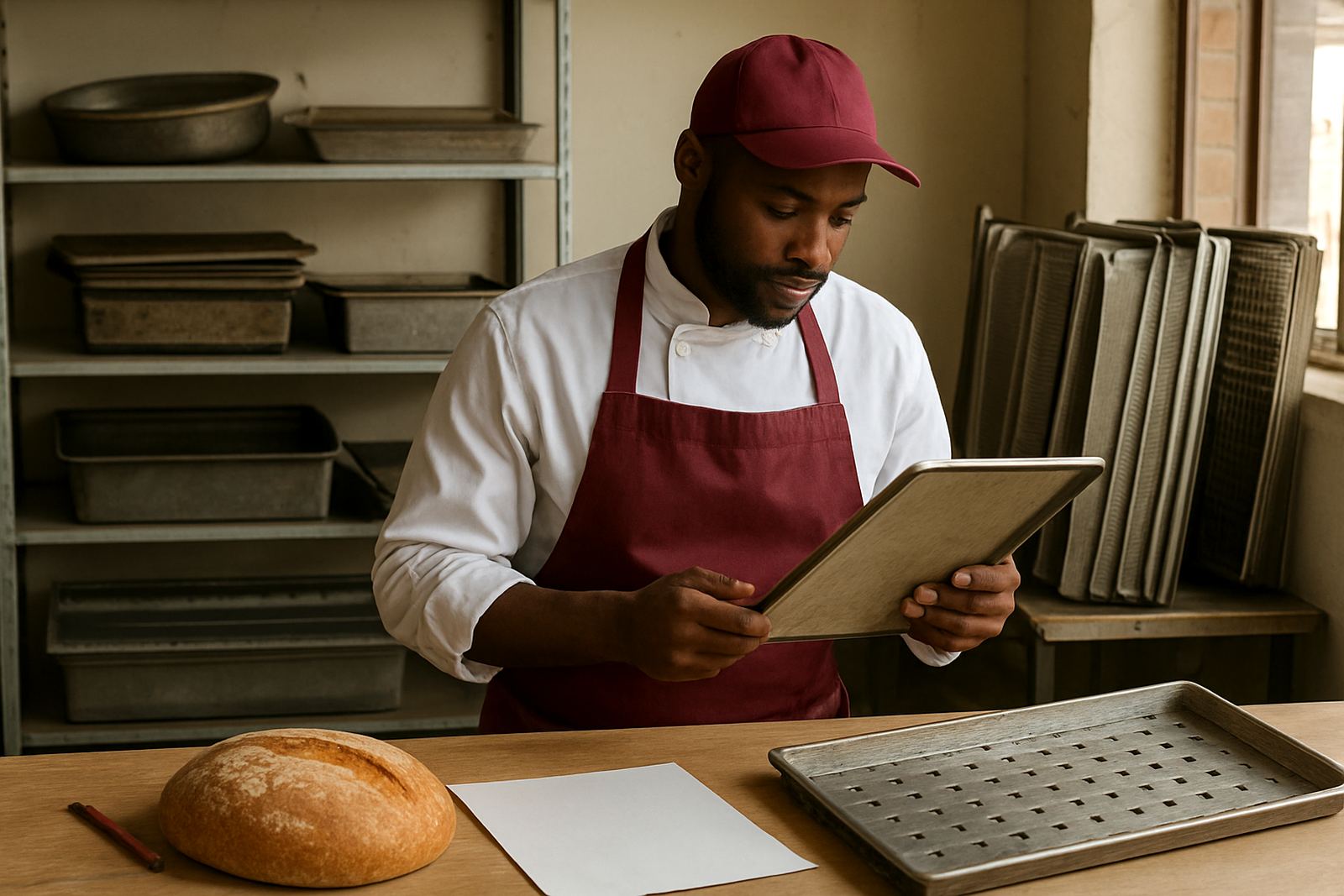
A clear sketch with a few measurements is often enough to begin. If you are copying an existing pan, send the sample with any damage marked out so we can separate wear from the original shape. That helps when a lid no longer fits because the old tin has bent over time.
For custom bakeware, we also look at where the item will be used. A bakery on the coast may need different material choices to manage humidity and storage, while a plant dealing with load-shedding may ask for thicker builds that hold shape better during repeated handling. We can advise on that before anything is cut.
- Whether the item is for baking, proofing, storage or transport
- Heat exposure and cleaning method
- Need for perforations, handles, reinforcements or divider inserts
- Any existing rack spacing or conveyor limits
Copying a sample or correcting an old design
Many enquiries start with a worn pan that still works, but not quite as it should. We can copy the original item, then adjust weak corners, loose seams or shallow sides so the next batch performs better. If the old design has inconsistent sizes, we will point that out before production begins.
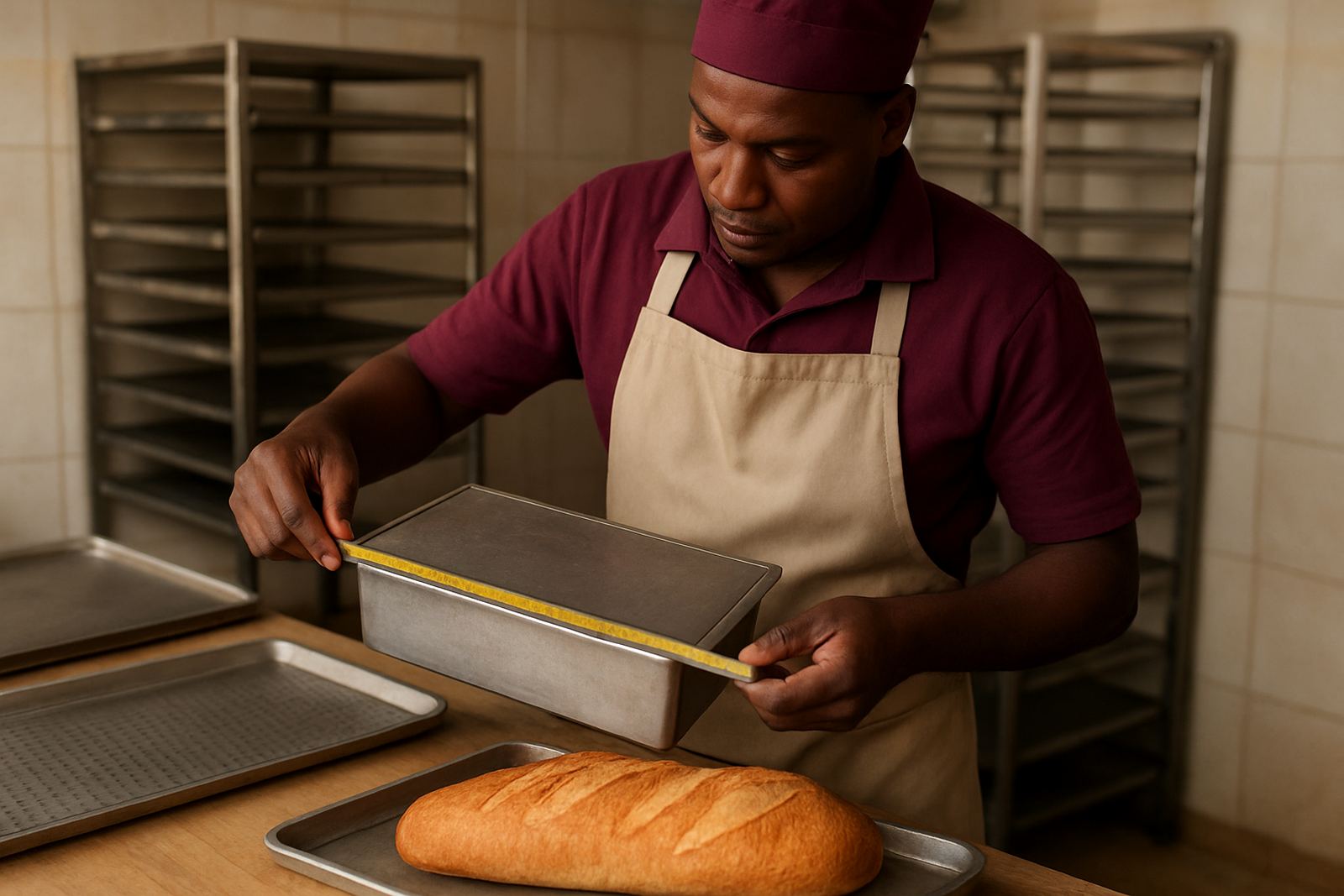
This is useful for bakeries replacing discontinued tins, or when a tray was made to fit a specific oven and the supplier is no longer available. Bring the sample in, or send detailed photos with a ruler in the frame so we can judge scale accurately. A little extra detail saves alot of back and forth later.
- Bring one clean sample if possible
- Mark damaged areas with tape or pen
- Tell us if you want an exact copy or a stronger revision
From sketch to prototype run
Once we have the details, we can confirm whether the job is suitable for a one-off prototype or a full batch. Prototype runs are useful when you are testing a new product line, changing loaf weight, or introducing a new tray layout for production efficiency.
We will check the drawing against practical fabrication limits, then confirm timing and material choice. If the item needs perforating, baguette forming or a heavy gauge build, we will advise on what is realistic before cutting starts. That keeps the order clear and avoids surprises at dispatch.
- Sketch review and size matching
- Prototype confirmation before full production
- Batch reorders once the design is approved
Material, fit and day-to-day use
Not every bakeware item needs the same construction. Some bakeries want lighter trays for easier handling, while others need heavier gauge pans that keep their shape under frequent use. We can also fit lids, add divider inserts, or form baguette trays to suit your workflow and oven capacity.
Tell us how the item will be cleaned, stacked and stored. If it will be washed often, moved on trolleys, or stacked in a humid area, those conditions matter. A good fit on paper is not enough if the item rattles, twists or traps moisture once it is in daily use.
Collection, delivery and next steps
Customers from Soweto, Midrand, Alberton and the wider Gauteng area often send measurements first, then drop off a sample once the sizing is confirmed. If you are outside the area, we can still work from clear photos and written dimensions and arrange the next step from there.
When your enquiry comes in, keep the message simple: what you need, how many, and when you need them. We will come back with the assessment and let you know if anything needs to be measured again before we proceed.
- Email or send photos with measurements
- Include your contact number and location
- State whether the job is urgent or part of a repeat order