What café kitchens usually need first
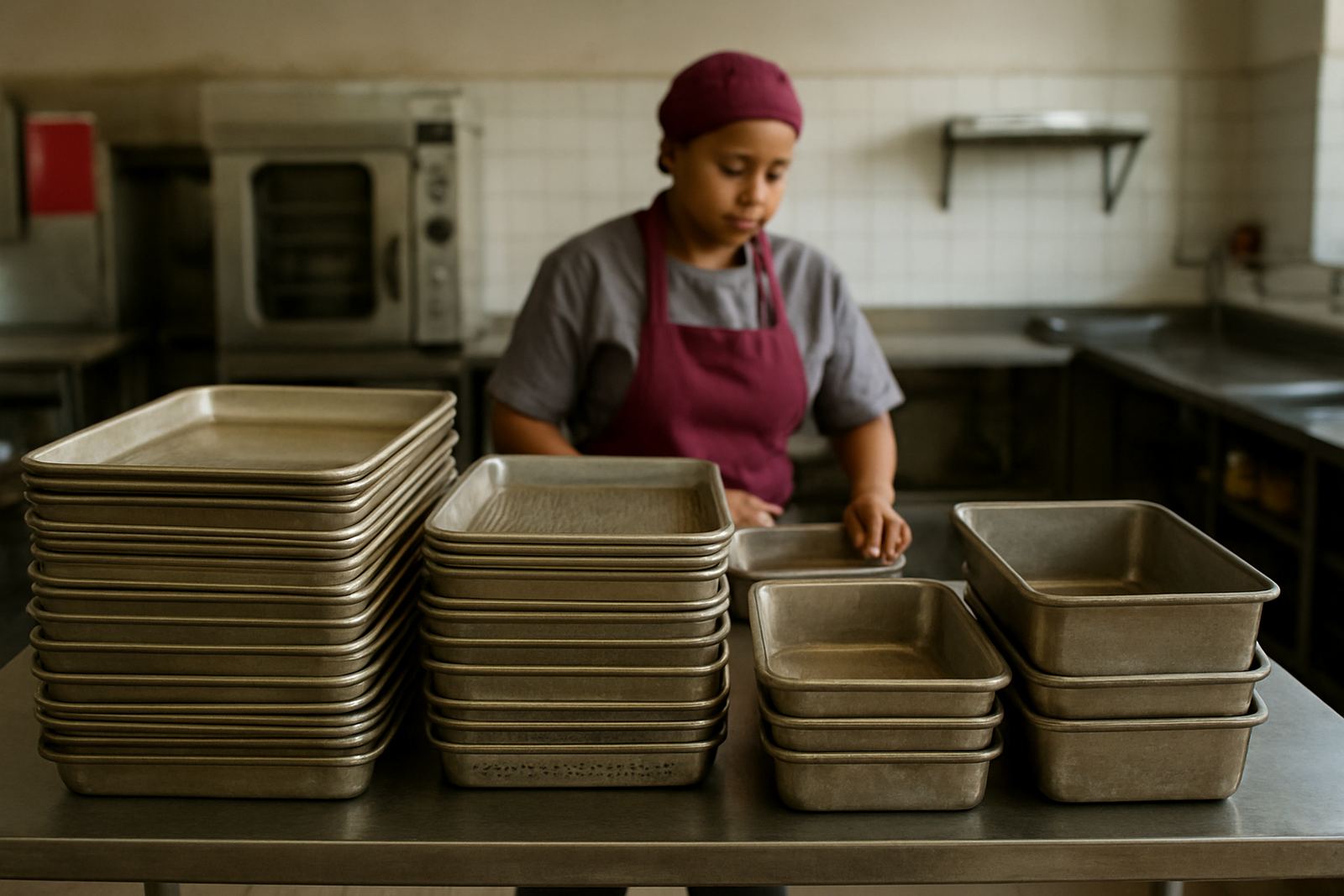
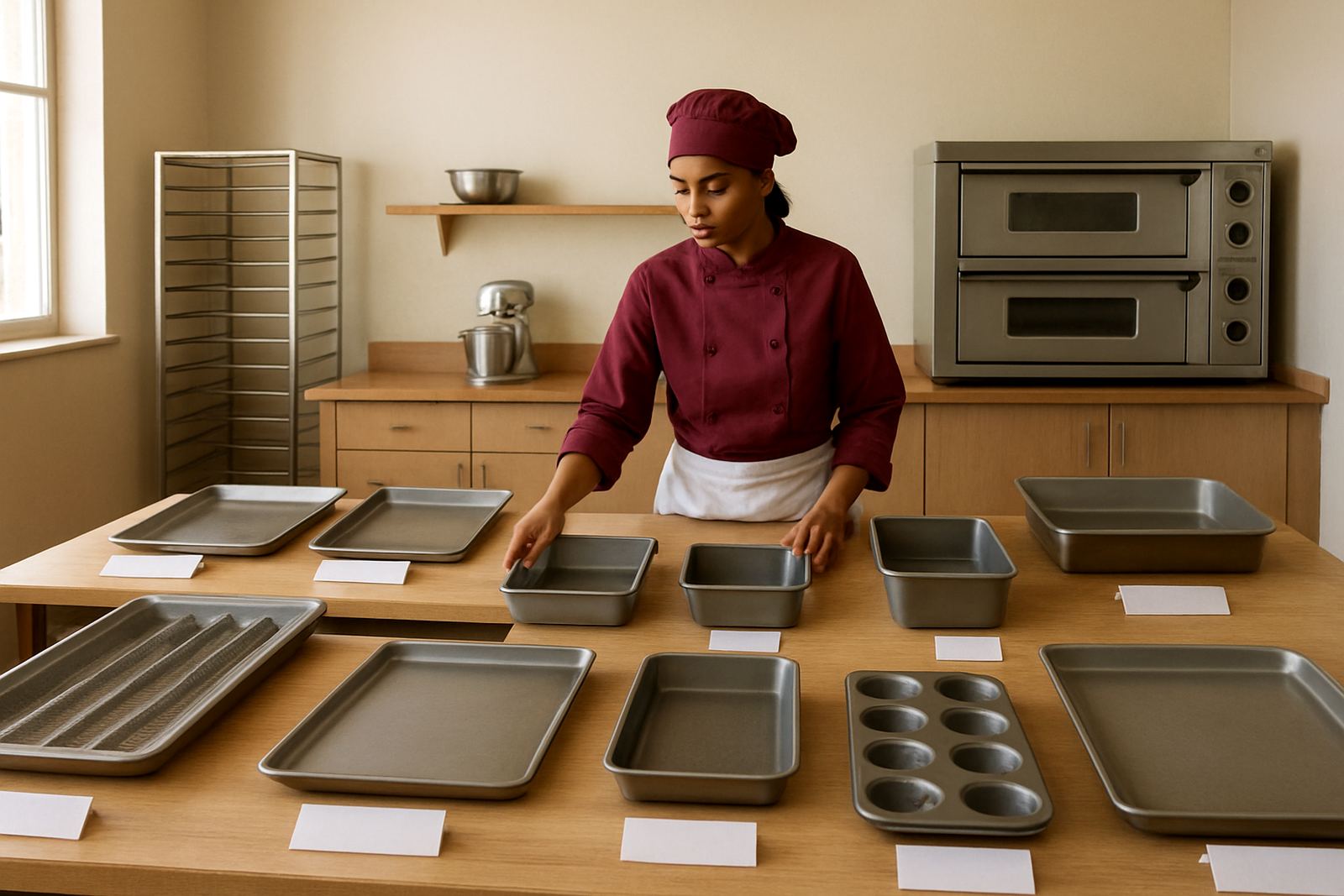
A café kitchen often starts with a small oven, a prep table, one mixer and a few tray sizes that must do more than one job. If you are baking for breakfast trade, school rushes and early lunch, the best setup is usually a mix of muffin trays, open baking trays, loaf tins and a few perforated trays for faster heat flow.
In Alrode, Germiston and Midrand we often see the same pattern. The menu grows first, then the baking list grows with it, and the old tins begin to warp or the tray count is just too low for back to back bakes. Good planning from the start helps keep the pass moving and stops product from being held too long in the oven when a second batch should already be proofed.
- Muffin trays for sweet and savoury muffins
- Open trays for rolls, cheese scones and filled snacks
- Loaf tins for banana bread, seed loaves and sliced specials
- Perforated trays for better airflow on denser doughs
- Baguette style trays for sandwich loaves and house rolls
Typical tray and tin sets for café menus
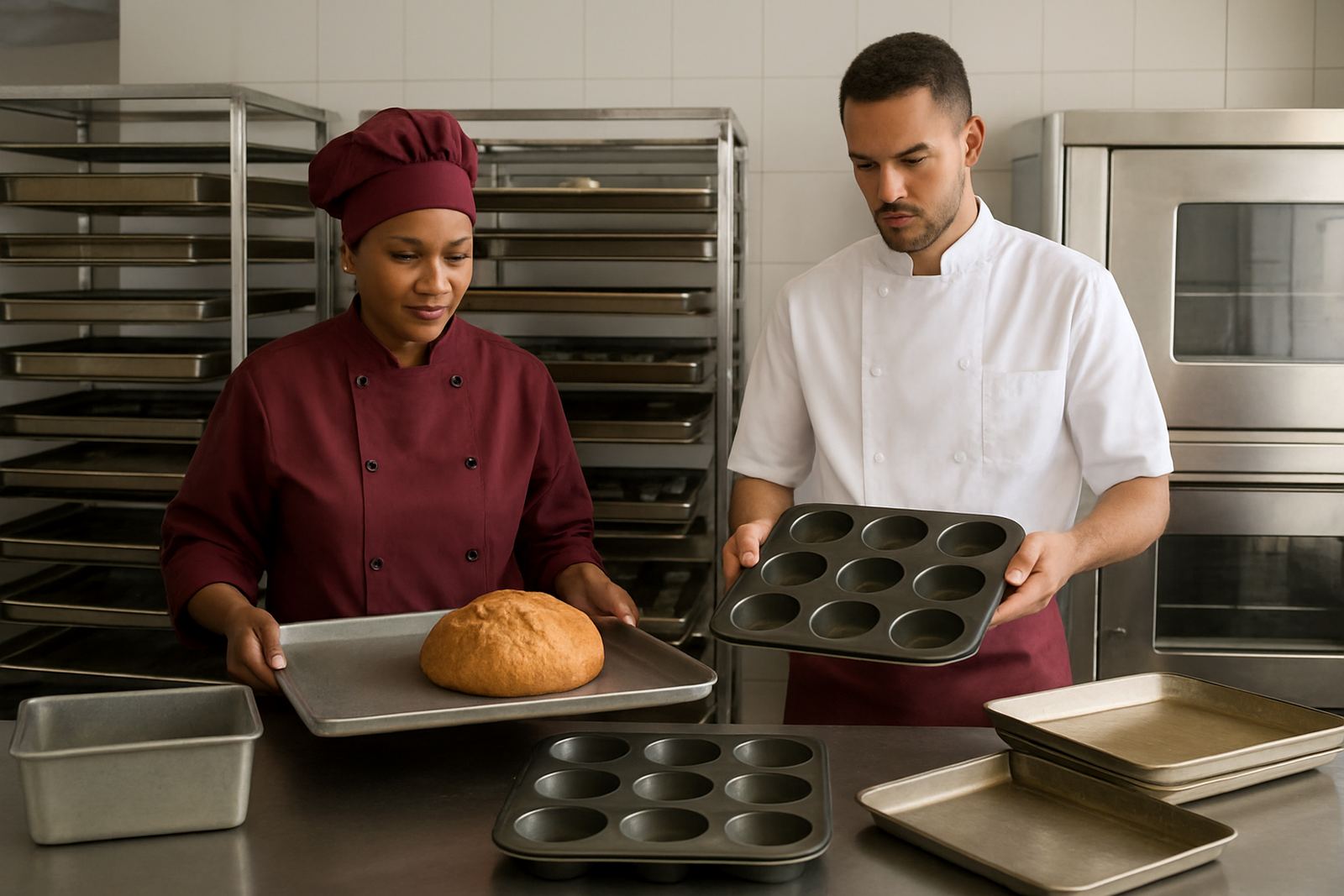
For most cafés, the right mix is not about buying the most pieces, it is about choosing the right sizes and a sensible batch count. If you are baking for a counter display and a small breakfast menu, you may only need 6 to 12 of one tray type to keep service steady. If you are supplying a few nearby offices or weekend markets, that count rises quickly.
Our standard bread pans and lids are suited to bakeries and café kitchens that want repeatable results. For snack baking, many cafés ask for mild steel trays with formed edges because they handle daily use and stack well after washing. Perforated trays are useful when you want a drier base on items like savoury buns or seeded rolls, especially in humid areas along the East Rand where slower drying can be a problem.
- BO3, BO4 and BO5 bread pans for sliced loaves and batch bread
- Lids where a closed shape or uniform rise is needed
- Perforated trays for rolls, buns and some pastry items
- Baguette trays for narrow loaves and sandwich products
- Divider inserts for mixed fills and consistent portioning
Layout advice for small café kitchens
Tray choice matters, but so does how you move product through the kitchen. A café with one oven and no clear resting point often loses time between proofing, loading and cooling. If the layout is tight, keep one area for raw dough, one for panning up, and one clean landing spot for baked product before it goes to the counter or slicer. It sounds basic, but it saves a lot of walking.
We usually advise cafés to measure the oven cavity, rack spacing and door clearance before ordering. A tray that is 5 mm too wide becomes a daily irritation. Also check whether the oven takes full-size pans, half-size trays or a custom arrangement. In many Johannesburg South kitchens, the biggest issue is not oven power, it is poor fit. Once the trays are right, the whole bake cycle becomes easier to manage.
- Measure internal oven width, depth and shelf spacing
- Leave space for gloves, cooling racks and safe turning
- Keep heavier trays lower if staff are loading quickly during rush times
- Plan for cleaning water, drying space and storage racks
- Allow for load shedding if you rely on proofing boxes or electric holding equipment
Common mistakes cafés make with bakeware
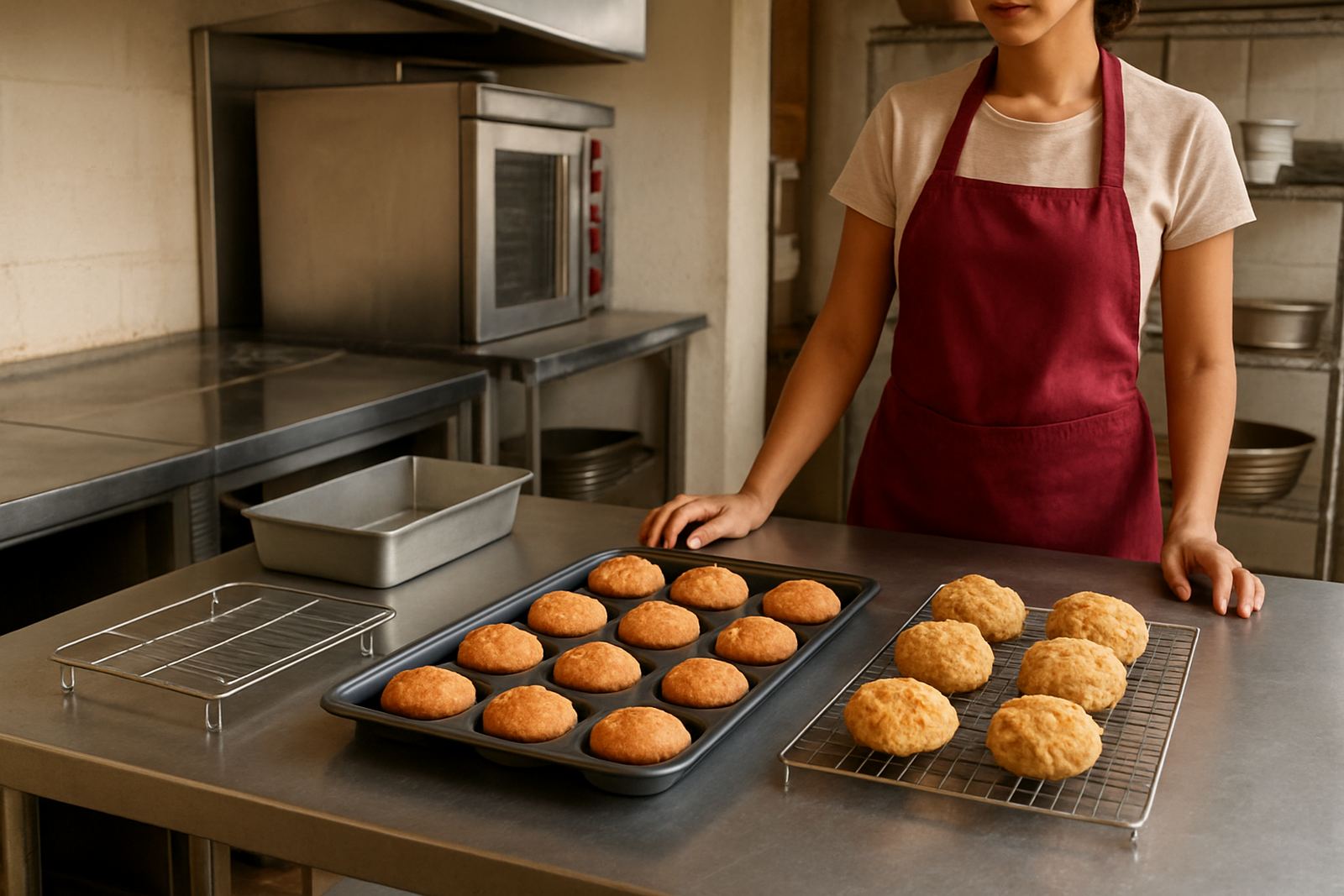
One common mistake is buying trays for the menu you want in six months, not the menu you need next week. Another is using the same tray for every product and then wondering why the muffins brown too fast while the rolls stay pale. Different items need different heat transfer and, in some cases, different tray perforation.
We also see café owners ordering by guesswork. They count products, but forget the bake cycle. If one batch takes 18 minutes and cooling takes another 10, the actual tray count must cover that timing gap. A small kitchen can still run well, but only if the batch plan is honest. It is a simple point, yet it gets missed often.
- Buying oversize trays that do not fit the oven shelves properly
- Using bent tins that cause uneven rise and wasted product
- Under-ordering trays, which creates bottlenecks at peak trade
- Ignoring cleaning and storage space after service
- Choosing thin material when daily use needs a heavier build
Custom sizes, copying and fitting for existing tins
If you already have a pan that works well, we can copy the size and pattern so your kitchen does not have to change its method. That is useful for cafés expanding from one site to another in Alberton, Boksburg or Soweto, where the current product must stay the same but the order volume is growing. We also assist with lid fitting, tray perforating and divider inserts where the product line needs more control.
For custom work, the best starting point is a sample tin or a clear measurement of the inside and outside dimensions. If the item is worn, bring two examples if possible. Small differences in side wall angle or depth can affect how dough settles and how the finished item releases. A careful copy saves time later, and it avoids the trial and error that can cost a café a week of service.
Our production team in Alrode handles size matching and prototype runs for repeat orders, so when a café grows from 20 loaves a day to 60, the bakeware can grow with it. This helps keep the same look on the shelf, which matters when customers expect the same slice, the same crumb and the same portion every morning.
Budget ranges for café bakeware in Rand
Budgets depend on size, thickness, finish and how many pieces you need. For a small café doing muffins, buns and a few loaf specials, a starter order may sit in the low thousands. A larger order for multiple ovens or a second branch can move into a different range quickly, especially if custom sizes or heavier gauge builds are needed.
As a working guide, a small tray and tin package for a single café can start from about R3 500 to R8 500, depending on the mix. A more active café with custom pans, perforated trays and divider inserts might budget from R9 000 to R22 000. If you are fitting out a new site or replacing a full worn set, allow a bit more for spare pieces so service does not stop when one tray is out for cleaning or repair. It is better to plan that in from the start, not after the first busy weekend.
- Starter set for one small café: about R3 500 to R8 500
- Growing café with custom pieces: about R9 000 to R22 000
- Heavier gauge or larger batch counts: quote based on size and volume
- Batch reorders can reduce unit pressure when the same spec is repeated