Repeat production needs bakeware that stays consistent
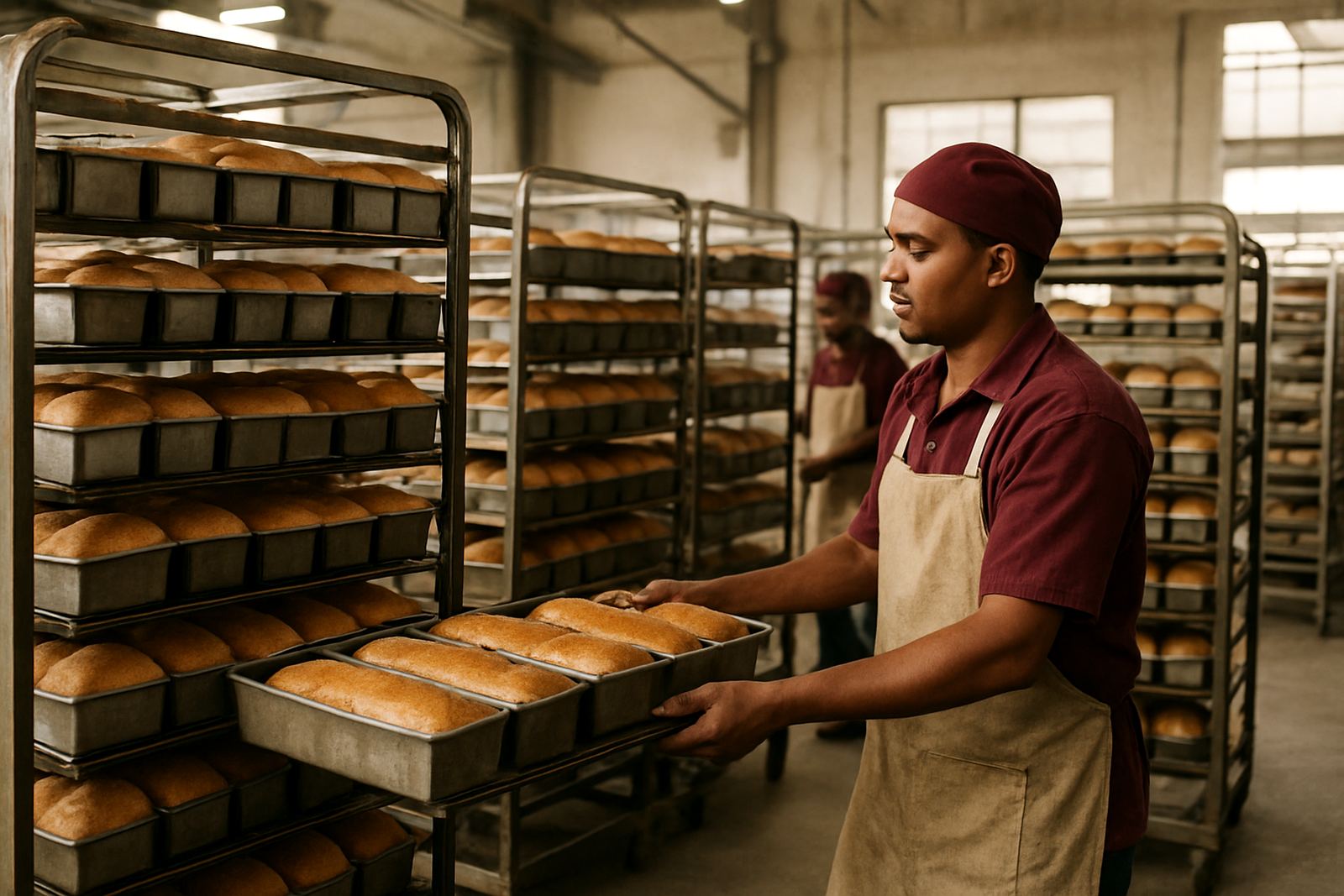
Contract bakers work to tighter tolerances than a retail bakery. If the loaf size changes, the slice count changes, packing changes and the customer notices it straight away. That is why the pans, lids and trays must stay the same from one batch to the next, even when you are running early morning shifts in Alrode, Germiston or Midrand.
We make standard BO3, BO4 and BO5 bread pans, plus lids and related trays for steady repeat production. For contract work, the main thing is not fancy extras, it is repeatability. A pan that fits one oven deck properly today must fit the same deck six months later after a reorder. If your client chain wants one specific loaf height or crust finish, we can match the pattern and keep the runs consistent.
Typical equipment set for outside-order baking
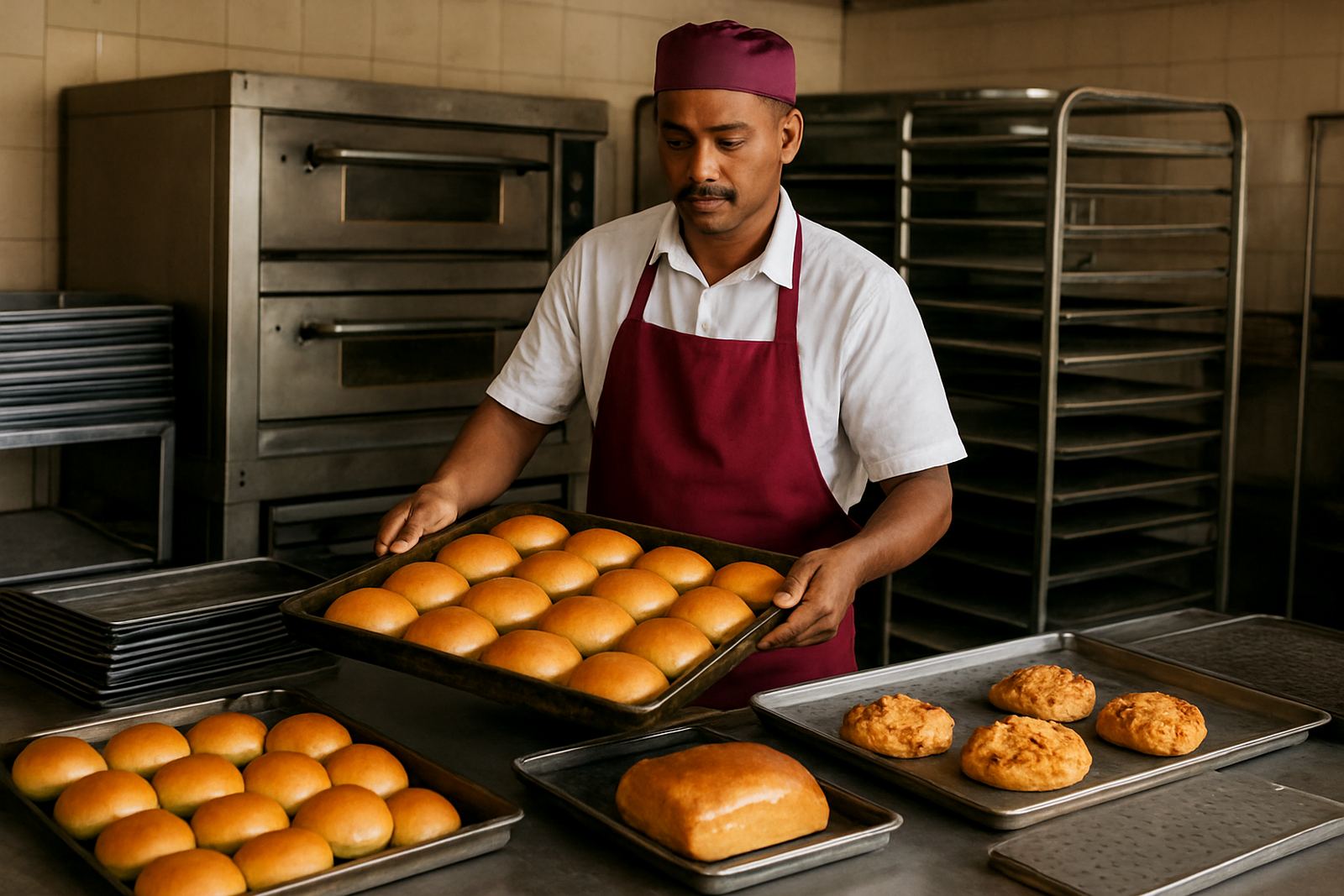
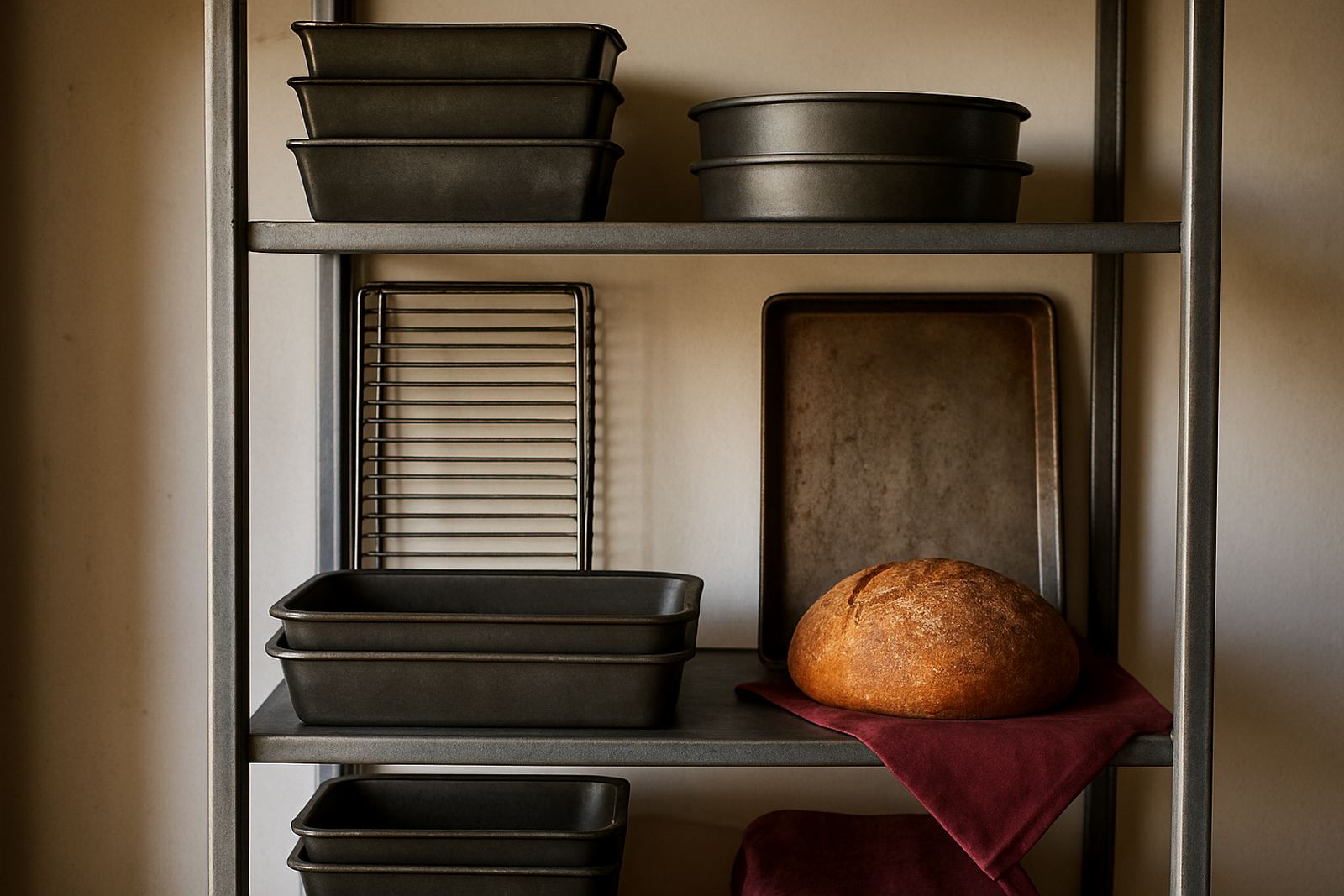
Most contract bakeries do better when the bakeware set is planned as a system, not as separate items. A common setup includes bread pans for everyday loaves, lids for tin bread, perforated trays for better heat flow, baguette trays for long loaves and divider inserts where portion control matters. Some bakeries also need heavy gauge builds for long production cycles and rough handling in busy packing areas.
- Standard bread pans in BO3, BO4 and BO5 sizes
- Lids for tin bread and special loaf profiles
- Perforated trays for airflow and even bake
- Baguette trays for long loaves and batch work
- Divider inserts for portion control and repeat sizing
- Heavy gauge options for high-volume production
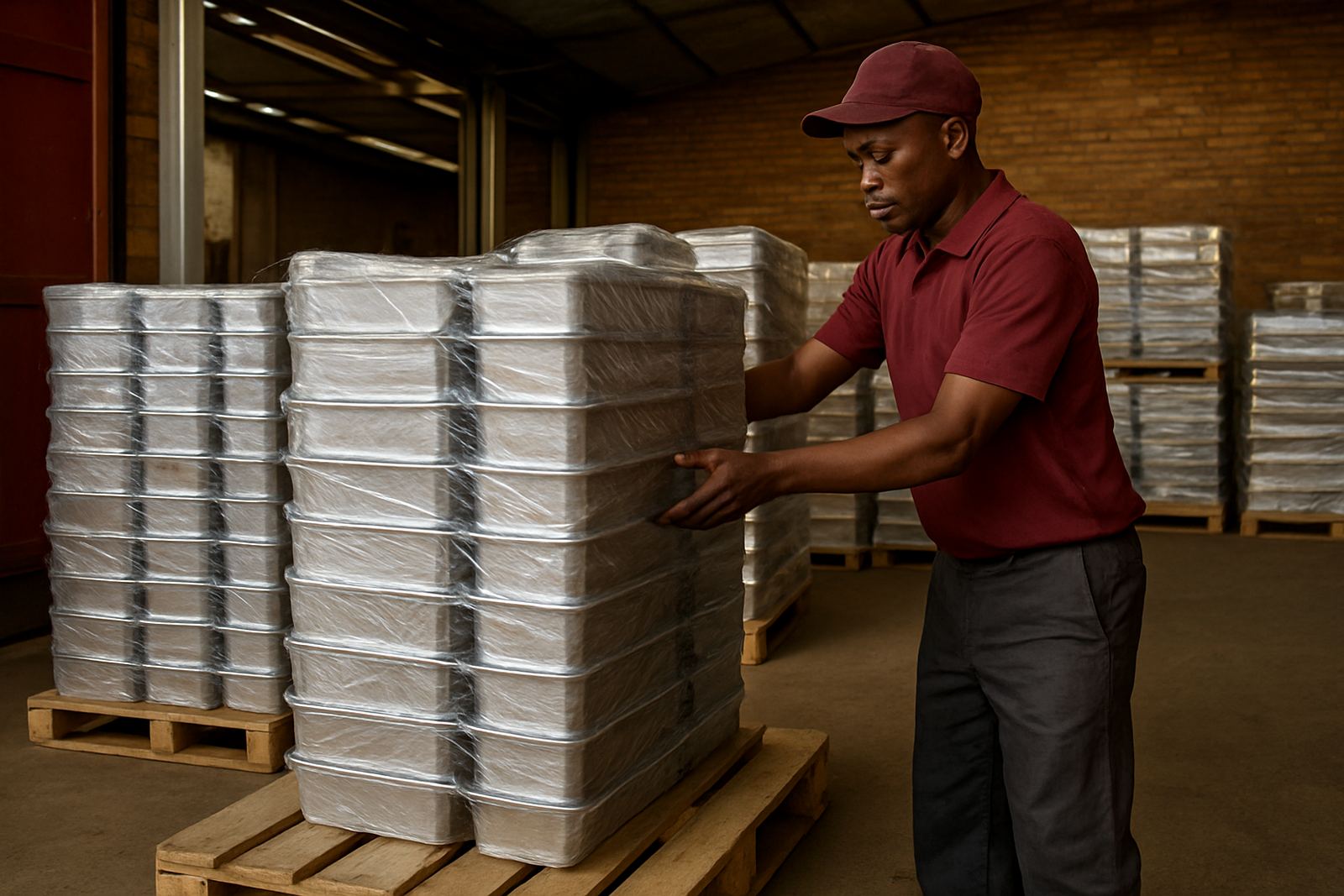
If your output goes through more than one shift, it helps to keep spare pans in the same size on hand. That way a damaged tray does not stop the line while you wait for replacements.
Layout advice for ovens, cooling racks and dispatch
Contract bakers often lose money in small layout problems. The oven may be fine, but the racks are too narrow, the tray return route is too long, or the dispatch table is too far from the packing team. When we do factory consultations in and around Johannesburg South, we look at the full path from mixing to bake, then from cooling to loading.
Measure the oven deck, rack width and the clearance at each turn. Do not guess on tray depth if you are using lids, and check that the pans can be stacked safely once cooled. In humid coastal conditions the handling window changes slightly, but even in Gauteng load shedding can force rushed cycles so your bakeware needs to move cleanly between prep, oven and dispatch without drama.
- Check oven opening size and rack spacing before ordering
- Keep tray widths consistent across the same product range
- Allow space for cooling, counting and packing tables
- Plan a spare set for cleaning shifts and breakdown cover
Size matching, pan copying and lid fitting for repeat orders
When a contract customer has already approved a loaf size, copying the existing pan is often the quickest route. We can work from a sample pan, the old drawing or a physical unit and then match the important details, including depth, top opening, lip shape and lid fit. If the current pan is bent or worn, we check what the original size should be, not only the damaged shape.
Size matching matters when the same bakery supplies several buyers with different pack specs. One client may want a slightly taller loaf for slicing, another wants a shorter tin bread for retail shelf fit. We also handle tray perforating and baguette forming for bakeries that need better crust control. It is better to settle the size early than to keep adjusting after the first test bake.
Common mistakes that cost contract bakeries money
The biggest mistake is buying bakeware by eye instead of by measurement. A pan that looks close enough may still catch on a rack rail or give a loaf that is 5 mm too short for the pack line. Another common issue is using light pans where production volumes need heavier gauge builds. Thin pans can twist faster, especially when they are heated, cooled and stacked day after day.
We also see bakeries under-ordering spares. If one tray is damaged in Soweto on a Friday night, and the next batch is due before Monday, the whole delivery schedule can shift. Keep a buffer for the parts that move fastest. Another small problem is mixing old and new bakeware in the same run, then trying to blame the oven when the finish changes.
- Do not rely on approximate sizes
- Do not mix worn pans with new pans in the same spec
- Do not ignore rack spacing and lip clearance
- Do not buy only exact quantity with no spare units
Budget ranges for contract bakeware supply
Budget depends on gauge, size, shape and quantity. Standard bread pans are usually the starting point for contract work and are priced lower than custom copies or heavy gauge runs. Lids, divider inserts and perforated trays add to the cost, while batch reorders help keep pricing steadier when you order in volume. For many bakeries in Alberton, Boksburg and Germiston, the sensible way to budget is to separate everyday stock from custom development.
As a working guide, small repeat orders may sit in the lower Rand thousands, while a larger mixed order with copied pans, lids and specialist trays can move into a higher bracket depending on quantity and finish. A prototype run is normally cheaper than a full batch, but it is still worth budgeting for because it protects you from expensive corrections later. If you are planning for a new contract, allow extra for spares, testing and replacement stock after the first production cycle.