What a lip edge tray does on a busy production floor
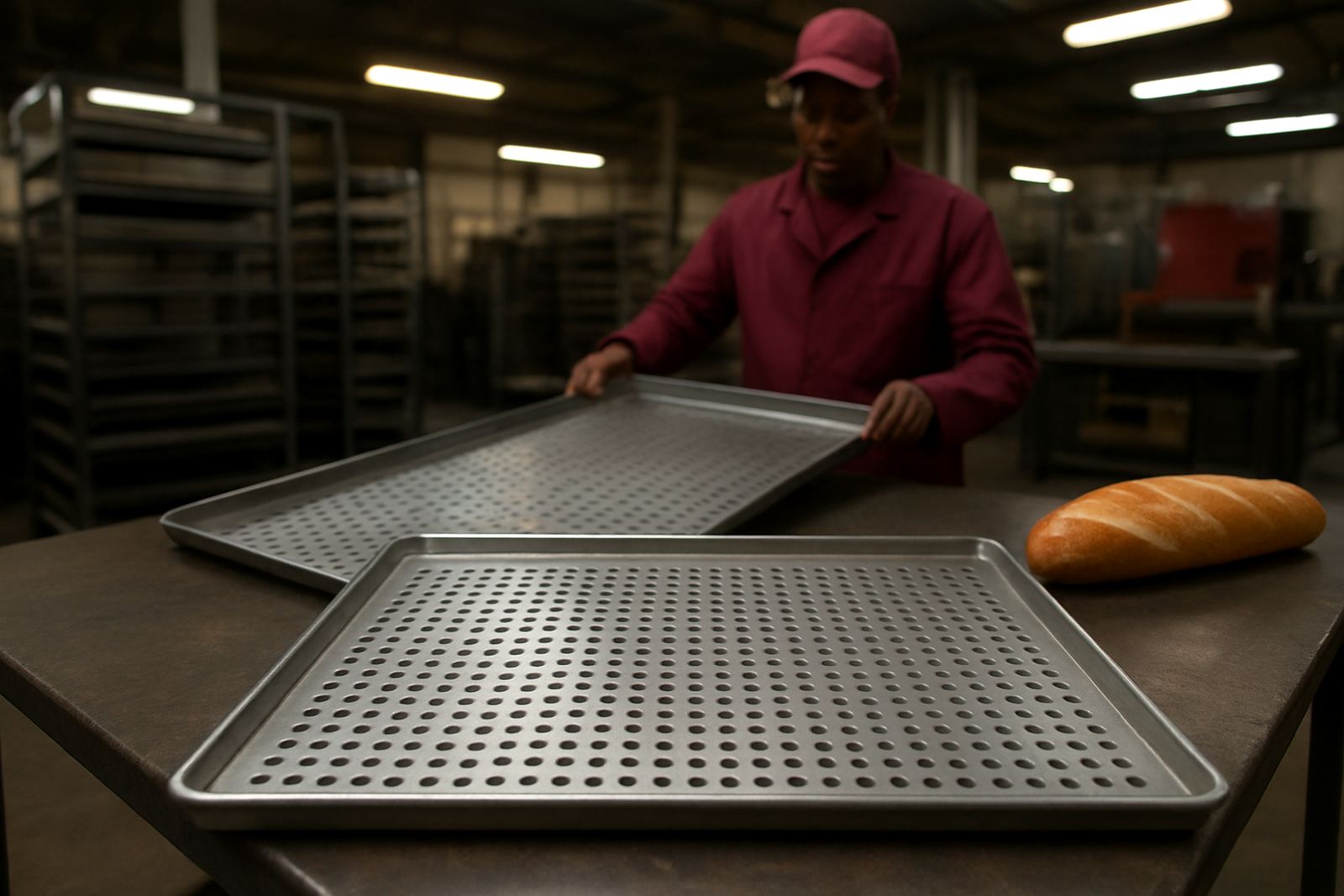
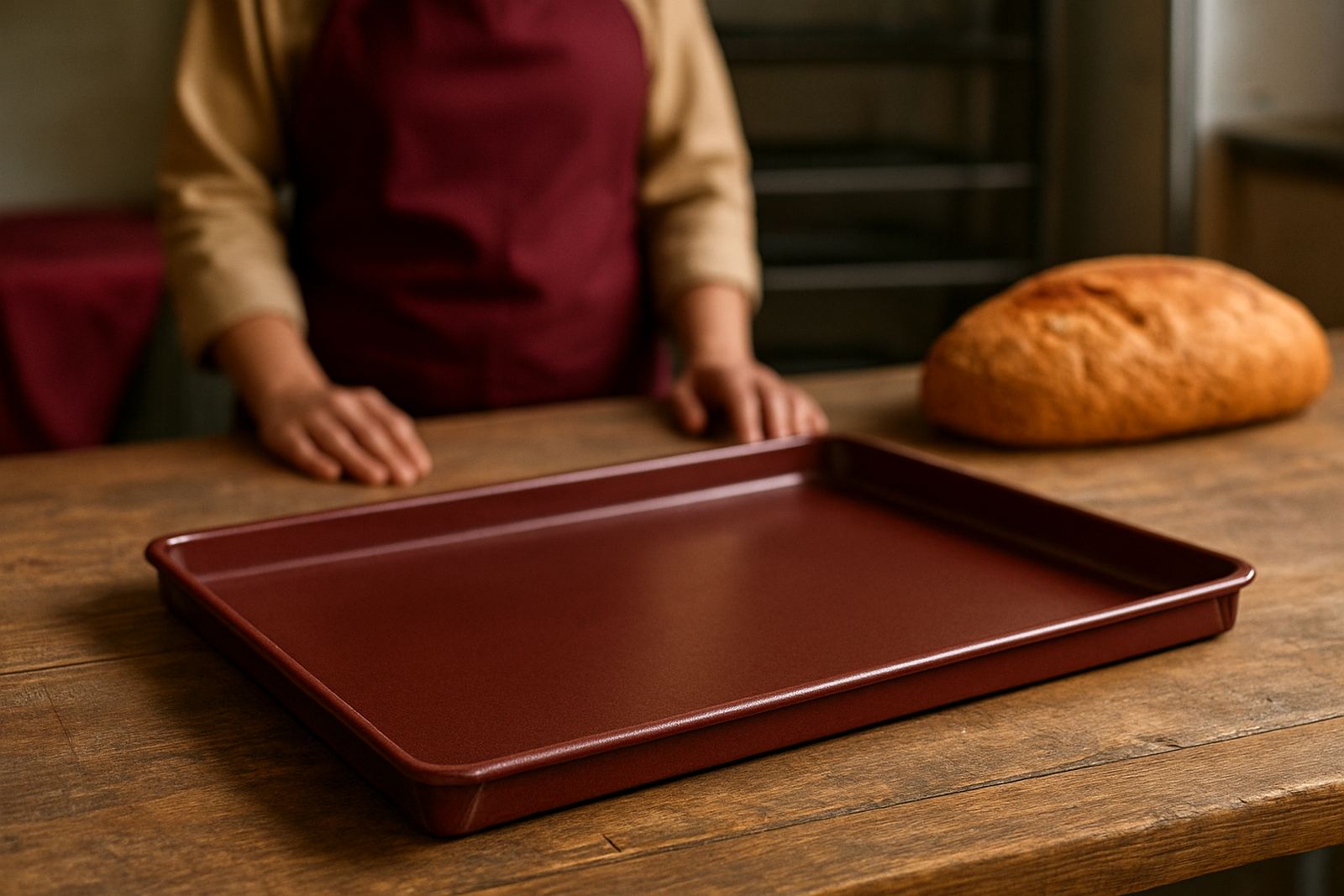
A lip edge tray has a shallow raised rim around the outside, which gives staff a firmer grip when moving hot trays, raw product or finished bakes. That lip also helps keep oils, egg wash, crumbs and small items in place, so less ends up on the oven floor or in the delivery crate. In a bakery where the pace changes by the hour, that small edge can save time and reduce mess.
These trays are used for rolls, pastries, savoury items, biscuits, scones and proofed dough that needs a flat base. They are also handy for multi purpose prep in catering kitchens where one tray may go from the bench to the oven and then to cooling racks. For sites dealing with load shedding and generator changeover, trays that are easy to handle matter because staff work faster and with fewer slips.
We manufacture lip edge trays in mild steel for everyday bakery work, with options for heavier gauge builds where trays are cycled hard all day. Finish can be plain steel or suitable coated options depending on the way the tray will be used and washed.
Standard sizes, thickness and tray options
We make lip edge trays to suit common bakery ovens and production racks, and we can size match to existing equipment. Many clients in Alrode, Alberton, Germiston and Boksburg ask for replacement trays that fit old trolleys or mixed oven brands, so we work from measurements, samples or a physical tray copy.
- Standard tray lengths and widths can be matched to your current rack size
- Common production thicknesses are used for light, medium and heavy duty work
- Raised lip height can be adjusted for easier grip or better containment
- Corner finish can be square or slightly rounded depending on handling needs
- Single trays or batch orders available for full bakery rollout
For bakeries in humid coastal conditions or kitchens that wash trays often, gauge choice is important. A lighter tray may be fine for occasional pastry use, but a heavier gauge build will hold shape better where heat cycling and rough handling are part of the shift. We also supply tray copies when a worn sample is still available, which helps if old drawings are missing or the original supplier is no longer around.
Where lip edge trays suit best
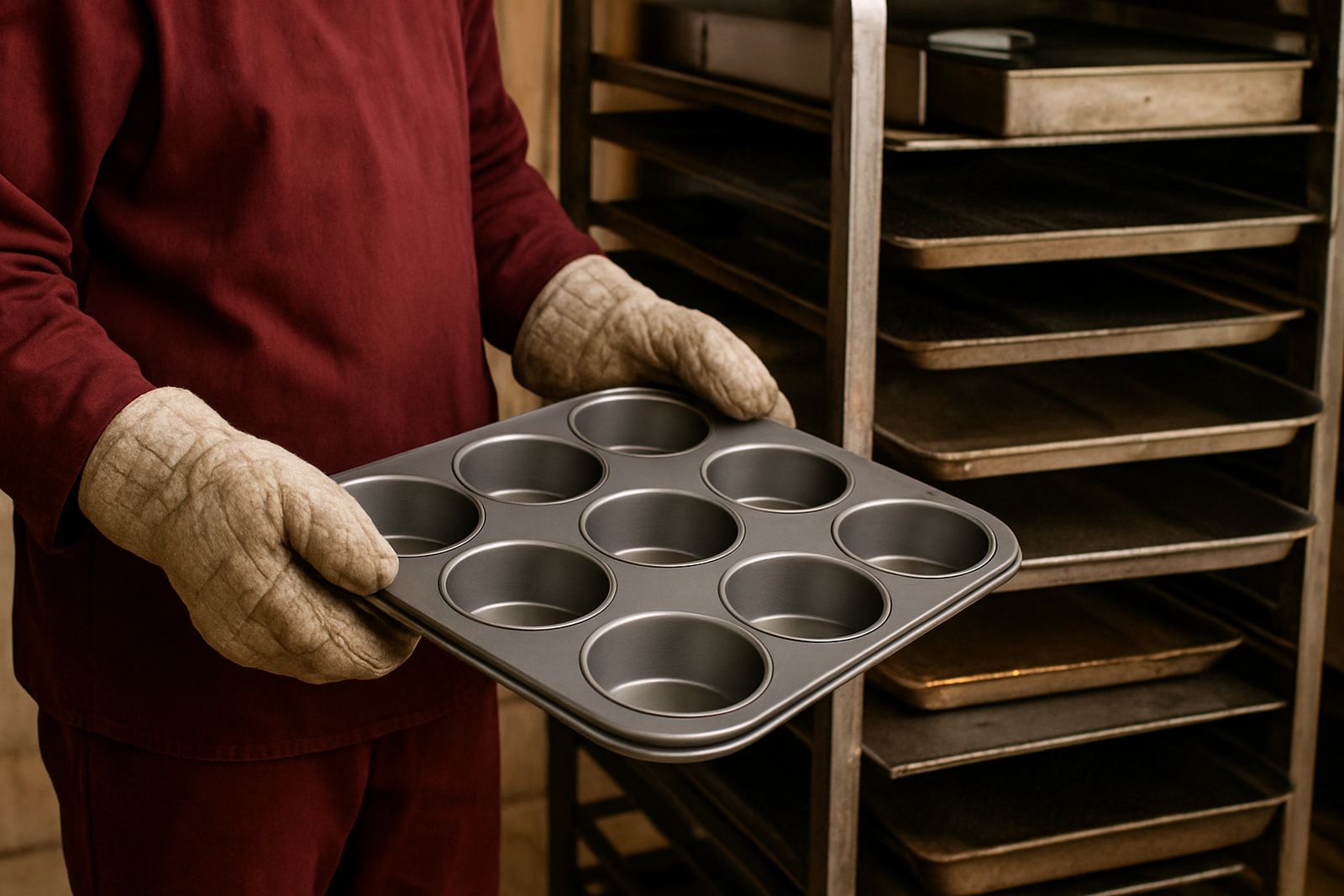
These trays are suited to bread plants, retail bakeries, school kitchens, hotel prep areas and caterers who need neat stacking and simple handling. The raised edge makes them useful on lines where staff must move product quickly between proofing, baking and cooling without knocking items off the tray.
They are a practical choice for:
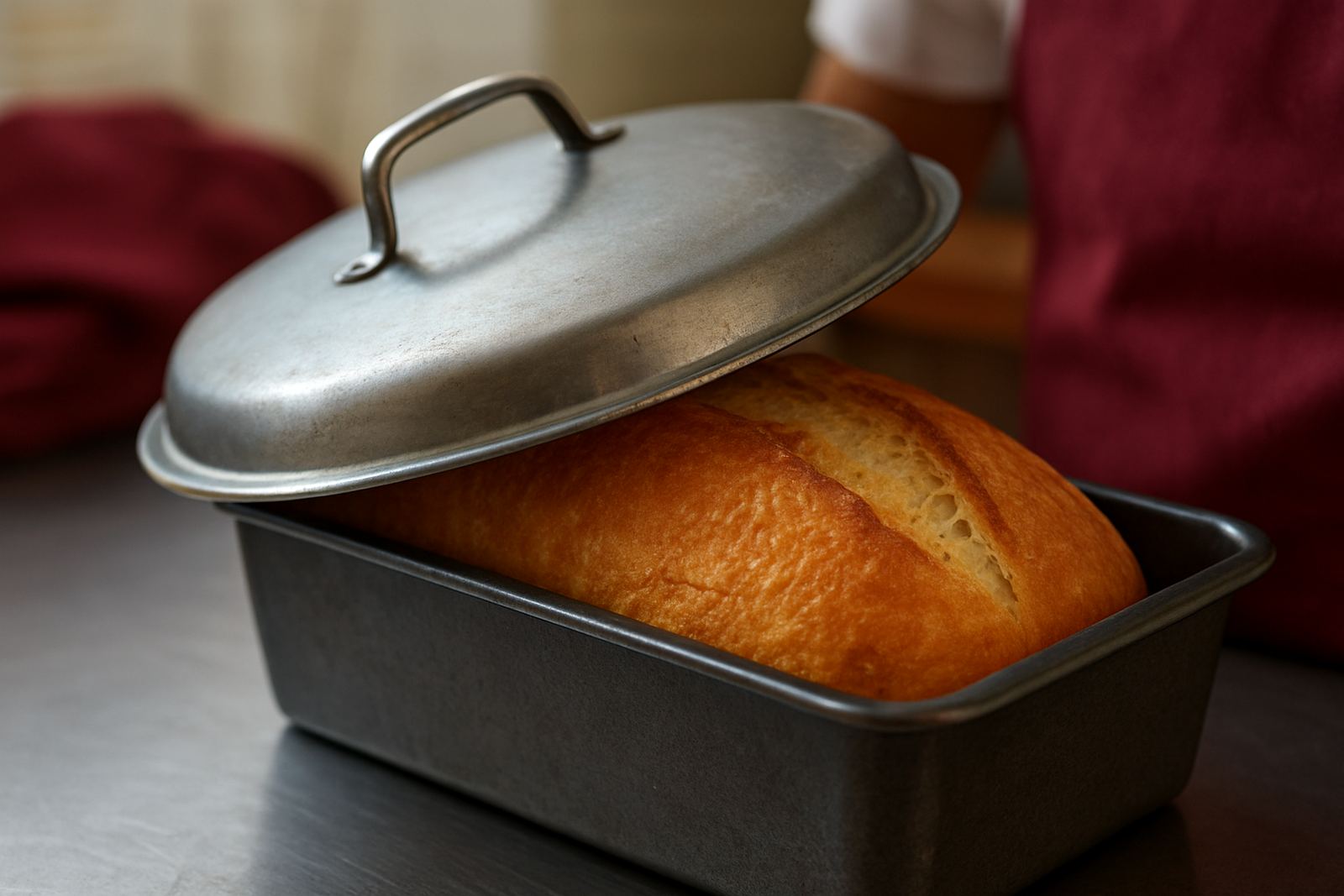
- Rolls, buns and small bread items
- Biscuits, scones and pastry parcels
- Savoury snacks and savoury dough products
- Prepared food that must stay in one place during transfer
- Order staging in dispatch areas and holding cupboards
In Soweto and Midrand kitchens with limited prep space, the tray edge also helps when benches are busy and staff are working around each other. There is less chance of a tray sliding too far when carried, though the tray still needs proper handling and clean dry gloves where required.
Installation, oven fit and power or gas needs
Lip edge trays do not need installation in the normal sense, but they must fit your oven, rack and trolley layout correctly. Before ordering, check the usable internal width and depth of your oven, the rack spacing, and whether trays must slide into side rails or sit on open shelves. A tray that is 5 mm too wide can slow production, and in some ovens it simply will not load at all.
These trays work with electric ovens, gas ovens and deck systems, provided the tray size and metal thickness suit the heat profile. There are no power or gas requirements for the tray itself, but the bake setup around it matters. Stronger direct flame, uneven deck heat or rapid heat recovery can all affect tray life if the build is too light. If you are running through municipal load shedding with backup power, check that your oven temperatures recover consistently after changeover, because uneven heat can distort lighter trays over time.
For new fitment, we can advise on rack pitch, stacking height and whether a deeper lip will interfere with loading hooks, trolley frames or oven rails. If trays are used with divider inserts or in batch systems, the edge profile should be checked against the insert size as well.
Care, cleaning and servicing for longer tray life
Good care starts with the wash room. Remove flour, oil and baked-on residue soon after use, and do not leave trays sitting wet overnight. In many kitchens, water quality and detergent strength vary, so it is best to rinse properly and dry trays before stacking. This helps reduce spotting and slows down corrosion on mild-steel units.
We recommend the following basic checks:
- Look for warping after repeated high heat use
- Check for worn corners and lip damage from trolleys
- Watch for rust where trays are stacked while still damp
- Replace trays that no longer sit flat on the rack
- Keep batch numbers or sizes noted for repeat orders
If trays are used in a salty coastal environment or a high humidity store room, more frequent cleaning and drying is worth the effort. A tray that is treated well will last longer and keep its shape better. For bakeries in Germiston or Alberton that run long shifts, it also helps to rotate trays so the same few are not taking all the heat every day.
What to check before you place an order
To avoid delays, have the tray measurements ready before you request a quote. We can work from a sample, drawing or detailed dimensions, but the more exact the information, the better the fit. If the tray must work with an existing oven line, give us the rack type too, because the tray edge and outside corner size can affect loading.
- Outside length and width of the tray
- Required lip height and overall tray depth
- Material preference and gauge
- Quantity needed now and for future batch reorders
- Use case, such as bread, pastry, savoury items or prep work
- Any special fitment needs, such as divider inserts or copy matching
If you need a prototype run before full production, we can assist from our Alrode base and supply to Johannesburg South, Gauteng and nearby areas. Customers often start with a sample tray, then confirm the final run once they have checked oven fit, handling and cleaning on site. It is a practical way to keep mistakes low and keep the line moving.
Manufactured for local bakery conditions
Our lip edge trays are made for day to day use in South African bakeries, where heat, dust, moisture and busy shifts all put trays under pressure. From Alrode to Boksburg and across Gauteng, clients need trays that are simple, fit properly and can be reordered without fuss. That is why we keep the process focused on measurement, use case and repeat supply.
Whether you need a few replacement trays or a larger batch for a new production run, we can help with size matching, prototype runs and factory consultations. For orders, send your measurements and the tray purpose to orders@bakerycateringequipment.co.za and our team will come back with the next step.
Key facts
| Product type | Baking tray with raised lip edge |
|---|---|
| Material | Mild steel, with heavier gauge options available |
| Use | Baking, prep, proofing support and tray handling |
| Sizes | Made to order from supplied dimensions or sample tray |
| Finish | Plain steel or suitable coated option depending on application |
| Made in | Alrode, Johannesburg South, Gauteng |