What a rusk pan does in a bakery run
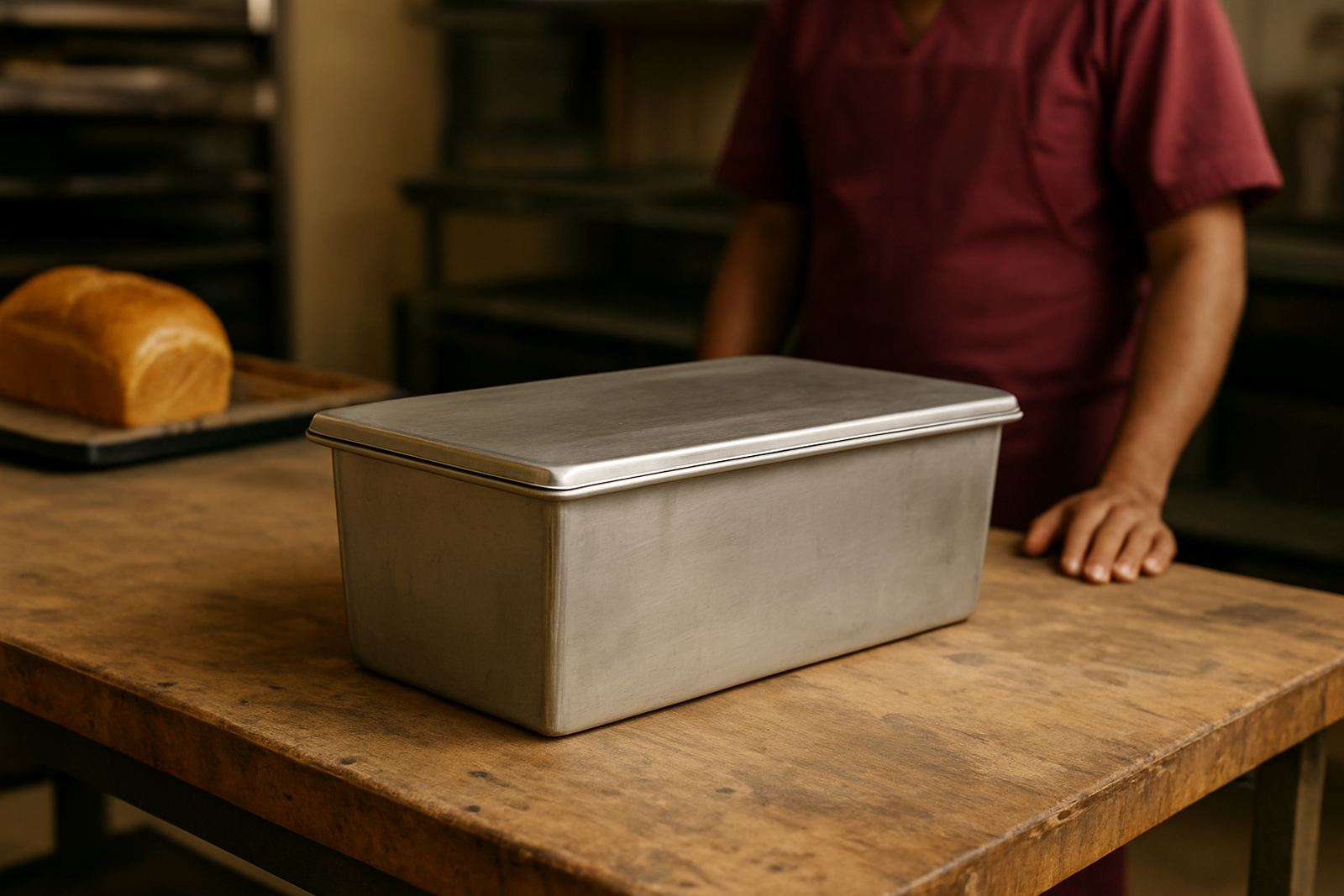
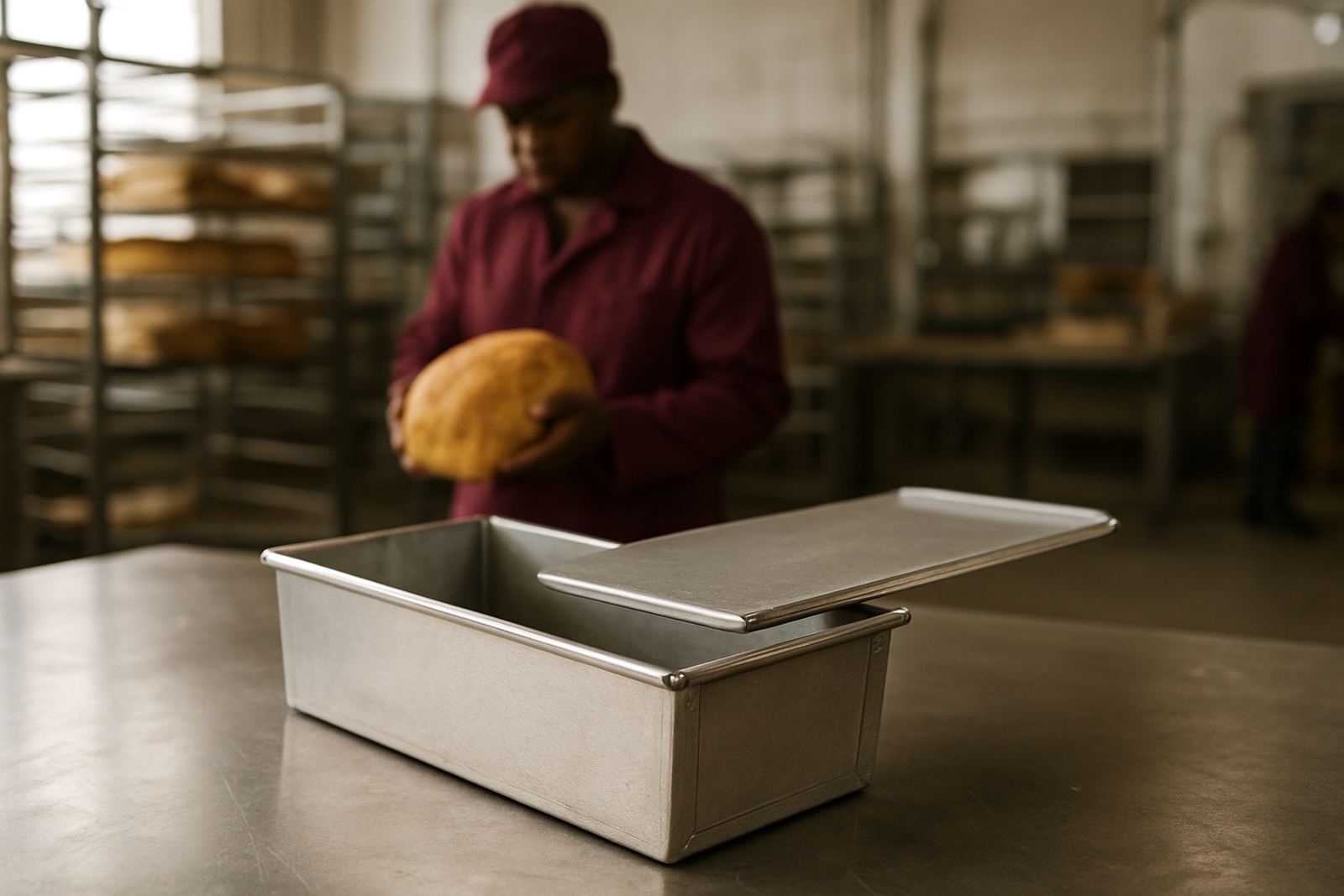
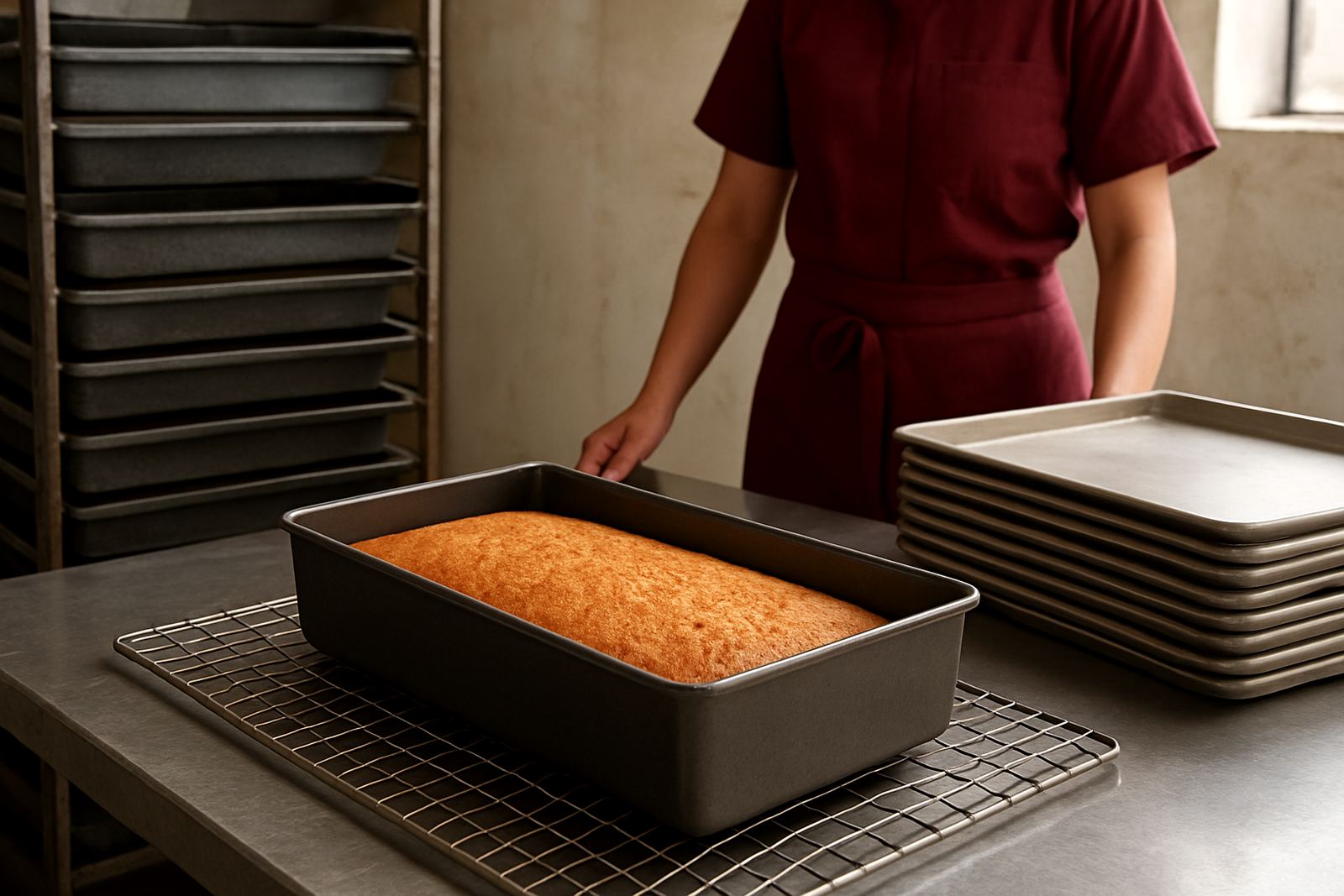
A rusk pan is built to hold batter or dough for loaves and slab-style bakes that are later cut into slices and dried out. The shape keeps the product straight and even, which helps when you need consistent slice width and a clean drying finish. In busy bakeries from Alrode to Midrand, that consistency matters because uneven pans waste time at cutting and sorting.
These pans are usually made from mild steel and can be supplied in plain or coated finishes depending on your cleaning routine and oven use. For coastal work or sites with humid storerooms, a finish that resists rust and stands up to regular washing is worth considering. If you are moving from a home-made tray to production stock, a proper rusk pan gives you better control over height, volume and release.
Sizes, depths and finish options we build
Rusk pans can be made to your current recipe and oven layout, or copied from an existing pan if you need to match a proven size. We work with standard and custom dimensions, including single loaf formats and wider tray-style pans for larger batch output. Depth matters because it affects bake time, crust formation and the amount of slicing waste after cooling.
- Custom lengths and widths to suit your tins, racks and oven trays
- Shallow, medium or deeper profiles for different dough weights
- Plain mild steel or perforated sections where airflow is needed
- Optional folded edges for safer handling and longer service life
- Batch matching for multi-pan production so every unit fills the same way
If you already use a pan that bakes well but wears out too fast, bring the sample in for size matching or pan copying. That saves trial runs and keeps your product shape steady from one batch to the next.
Where rusk pans suit best
Rusk pans suit bakeries, school kitchens, catering stores and food producers making dense products for slicing and drying. They are a good fit where the product needs to hold shape before being cut into fingers, slabs or slices for drying. In places like Germiston and Boksburg, where bakeries often work early shifts and tight turnaround times, a reliable pan helps keep the line moving.
They also suit businesses that run mixed production and need one pan type for more than one recipe. If you make bread-based rusks, tea-time slices or other firm bakes, the pan should support even rise without bowing in the oven. For sites that get load-shedding or run gas backups, it helps to use pans that keep their shape under repeated heat cycling.
- Bakeries making rusks, sliced loaf bakes and drying products
- Institutional kitchens needing repeatable batch sizes
- Catering businesses with limited prep space and stackable trays
- Producers who want one tray pattern for several recipes
Oven use, installation and utility needs
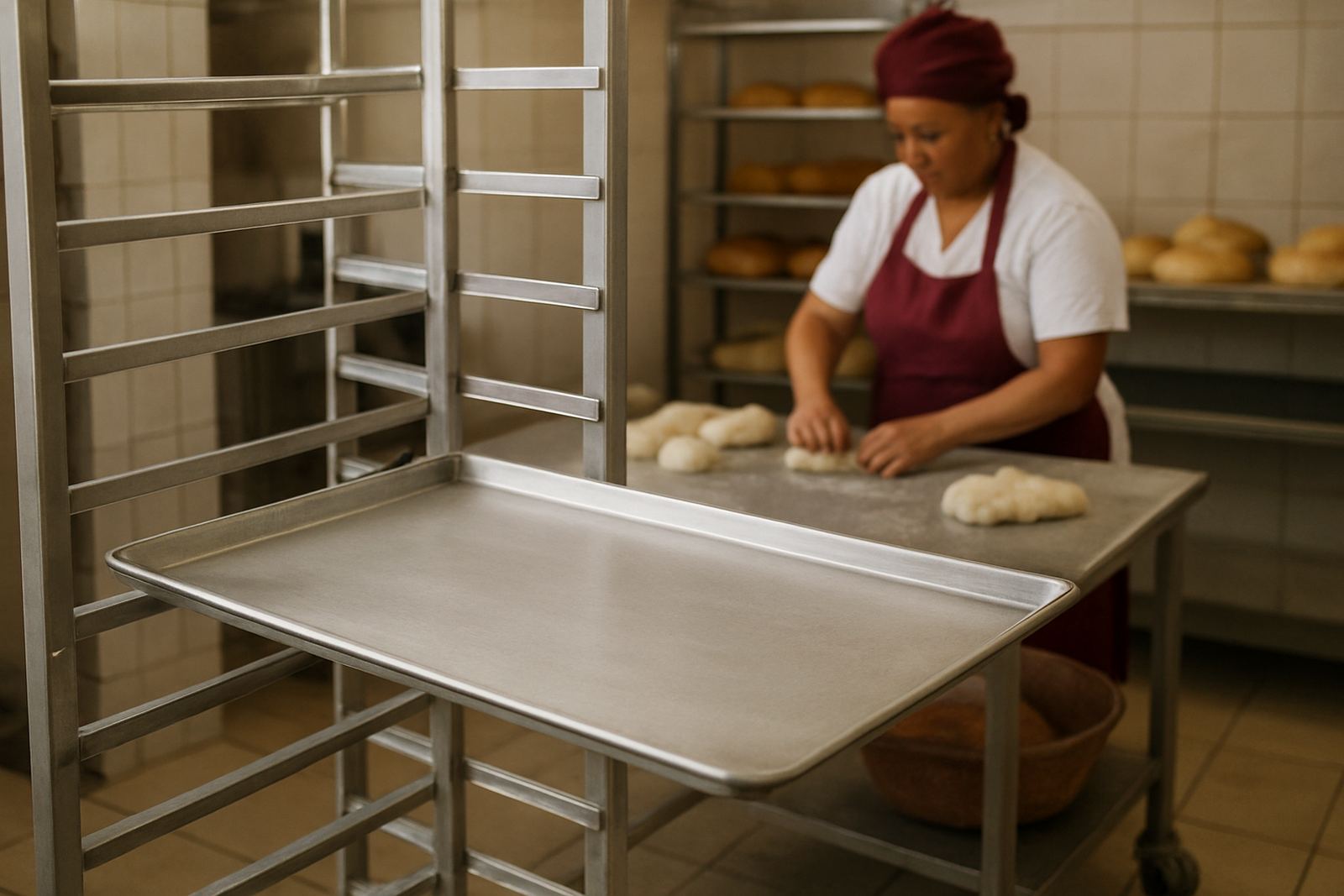
Rusk pans do not need electrical installation or gas connections of their own, but they must suit the oven or heating system you already use. The key checks are tray dimensions, rack spacing, heat distribution and whether the pan can move in and out without snagging. If your bakery uses deck ovens, convection ovens or a gas-fired system, the pan should sit flat and allow even air flow around the sides.
On sites with hard working shifts, it also helps to check handling clearances. A pan that is too long for the rack creates wasted movement and can slow down loading when staff are working under pressure. If you use divider inserts or tray guides, we can build to those measurements so the pan sits properly, not loose and not jammed.
For coastal humidity or wash areas with poor airflow, avoid leaving wet pans stacked for long periods. Dry them fully before storage and keep them off damp floors. That simple step extends the life of mild steel and helps prevent rust spotting.
Care, cleaning and servicing between batches
Good care starts with cleaning the pan soon after use, once it is safe to handle. Remove crumbs, flour and baked residue before it hardens, then wash and dry the pan properly. If you use a coated finish, do not scrape it with sharp metal tools because that shortens service life. A soft brush or cloth is usually enough for day-to-day cleaning.
We also recommend checking the pan edges, welds and corners during routine maintenance. Small dents can affect release and make stacking awkward. If a pan is still sound but the size has changed because of wear, we can look at repairs, size checks or replacement runs for batch continuity. For bakeries that reorder often, keeping one spare pan in circulation can prevent downtime when a unit is out for cleaning or repair.
- Dry pans before stacking to limit rust
- Inspect corners and edges for distortion
- Keep pans off concrete floors where moisture collects
- Store by size and batch so staff grab the right unit quickly
What to check before you place an order
Before ordering, measure the inside length, width and depth you need, not just the outside size of an old pan. Check how many slices you aim to get from each baked piece, because that affects the tray length and wall height. If you already have a working sample, send it through for copying or bring it in so we can match the form closely.
Also check your oven shelf spacing, loading method and cleaning routine. A pan that is perfect on paper can still be awkward if it does not fit the rack or if staff cannot lift it safely when hot. For municipal or food safety checks, neat, easy-to-clean bakeware with consistent dimensions is easier to manage than mixed odd-sized trays. If you need batch reorders, keep a record of the exact measurements and any fold details so the next set matches without guesswork.
- Product size and finished slice count
- Oven or rack clearance
- Steel thickness and expected wear
- Any perforation, folding or lid requirement
- Delivery area and reorder quantity
Key facts
| Material | Mild steel, with plain or coated finish depending on use |
|---|---|
| Use | For dense baked products that are sliced and dried after baking |
| Size range | Custom made to sample or drawing, including single and multi-slice formats |
| Construction | Folded edges and welded corners where specified |
| Utility needs | No direct power or gas connection required |
| Typical options | Plain, perforated, divider-ready and batch-matched units |