What a sheet pan is used for in busy kitchens
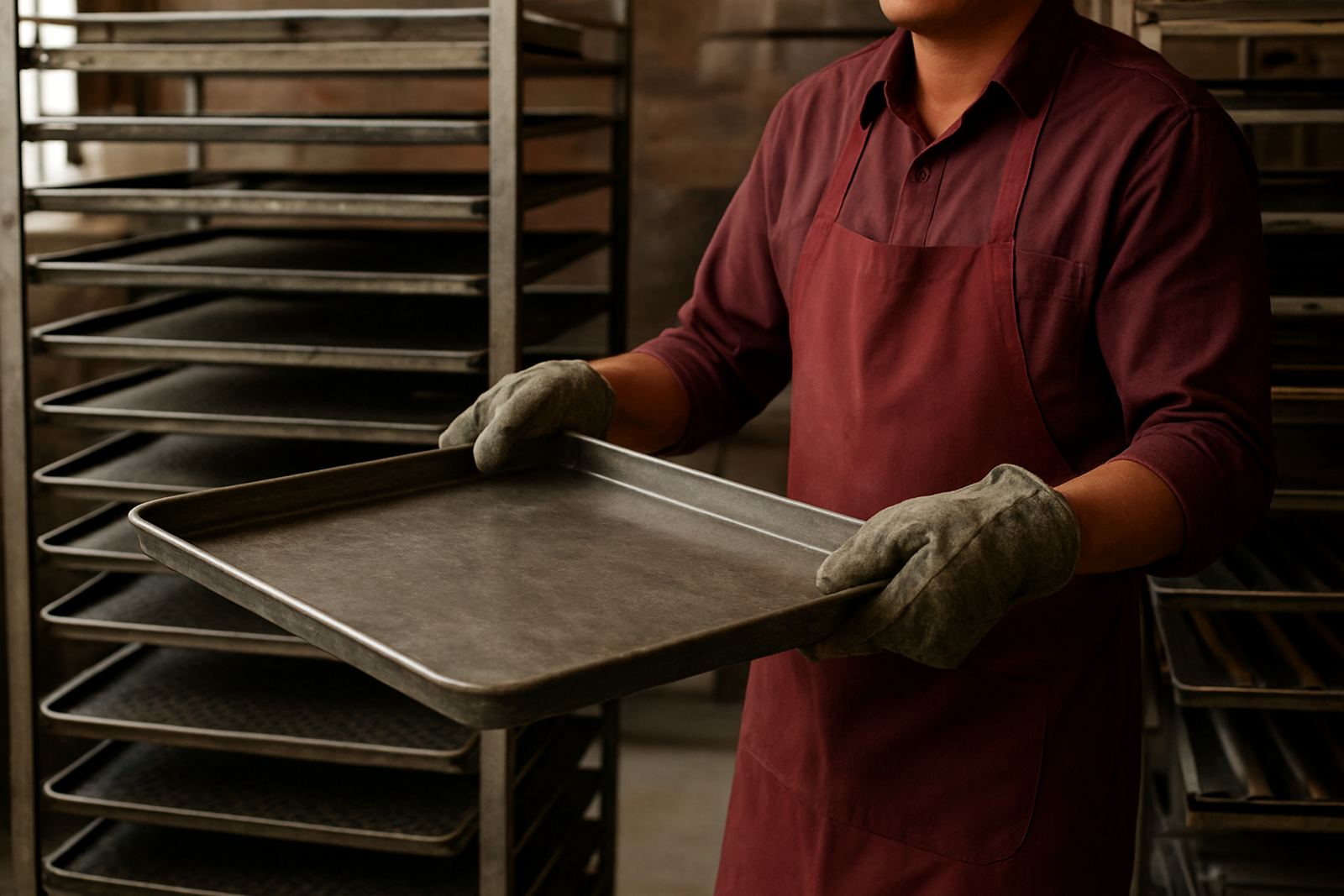
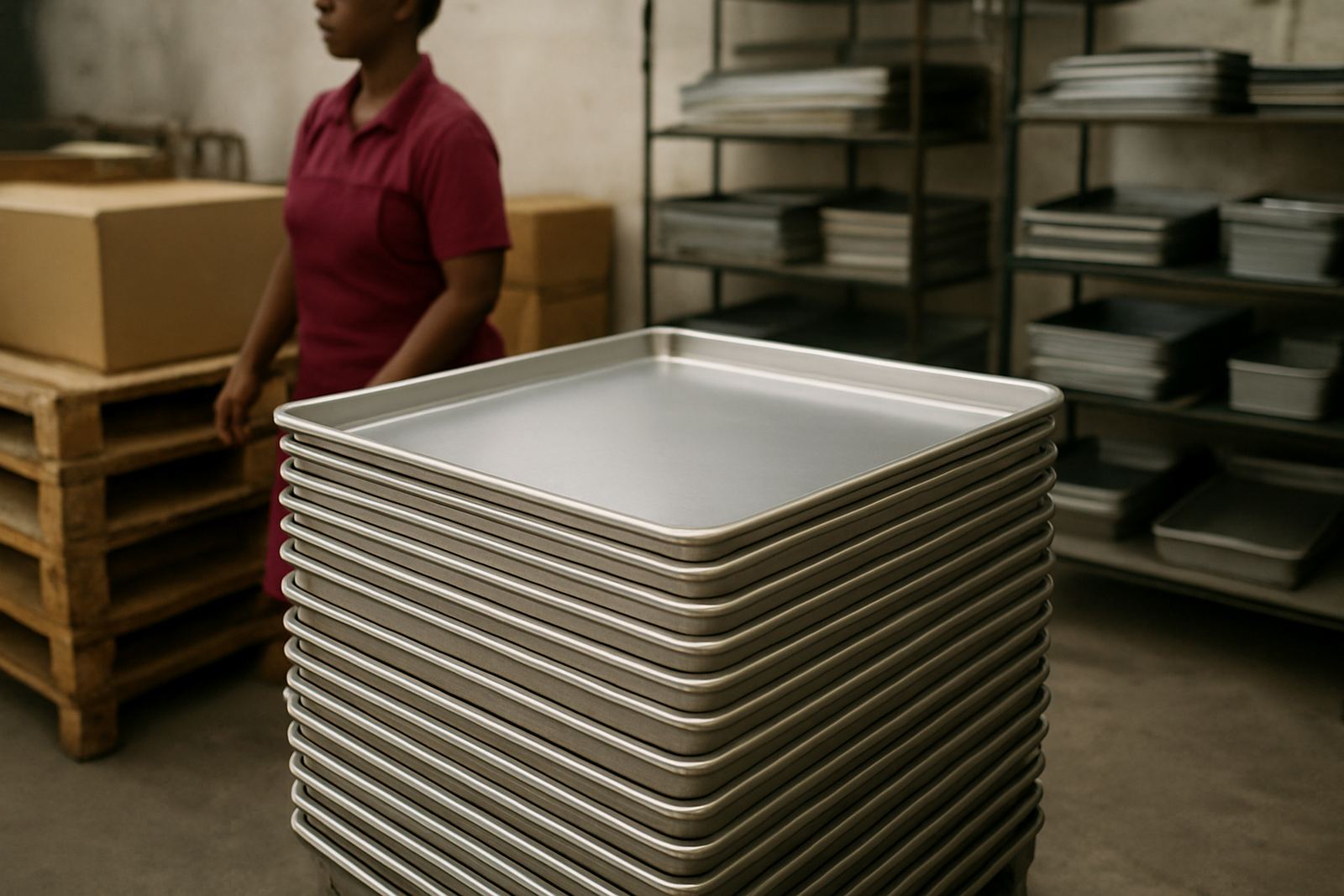
A sheet pan is a flat baking tray used for general bakery and catering work, from rolls and savoury pastries to biscuit batches, roast items and reheating. It is one of the most useful pieces in a bakery because it moves easily between prep, proofing, baking and cooling. In a Gauteng plant, one good tray spec can save a lot of time when you are running mixed orders and short lead times.
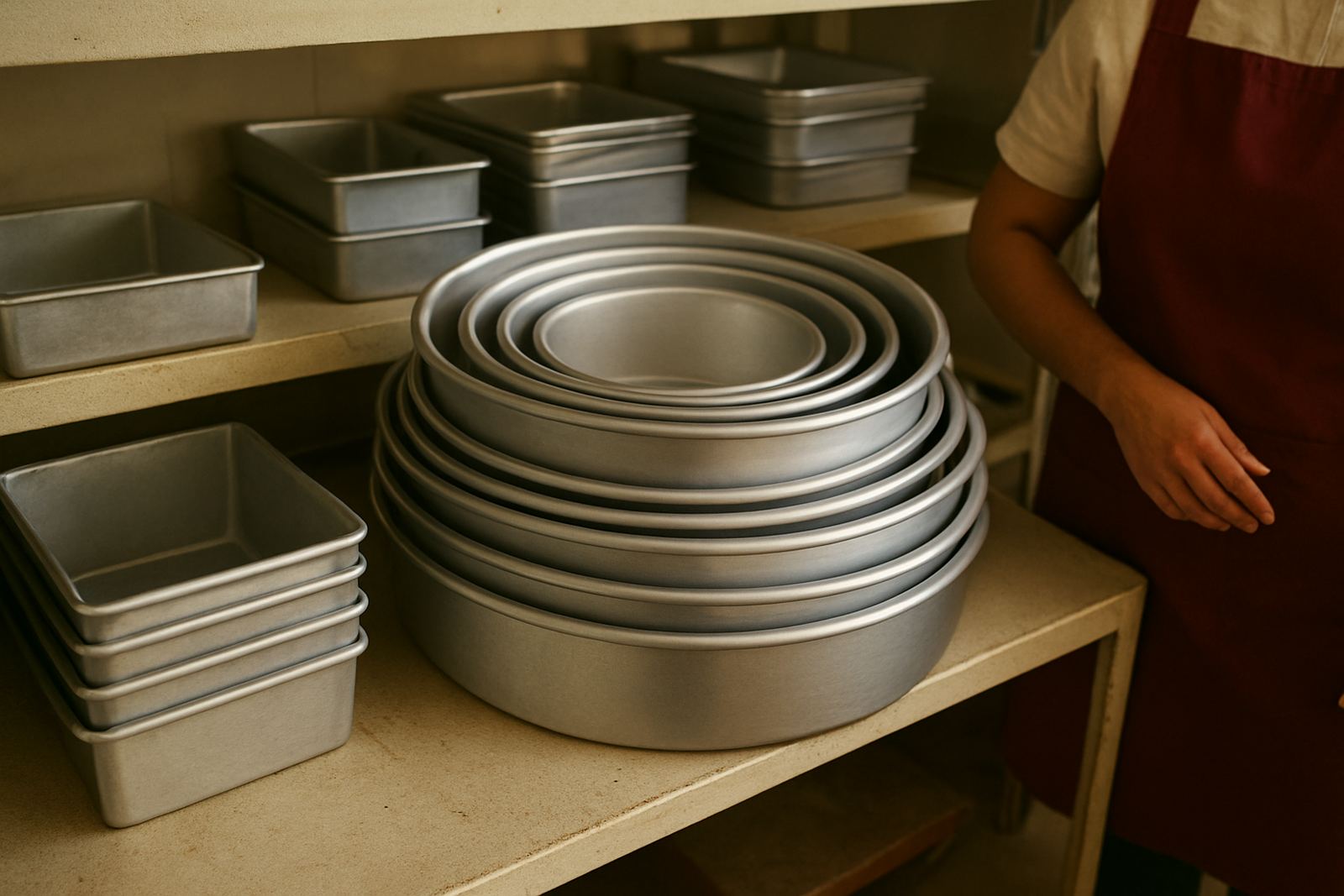
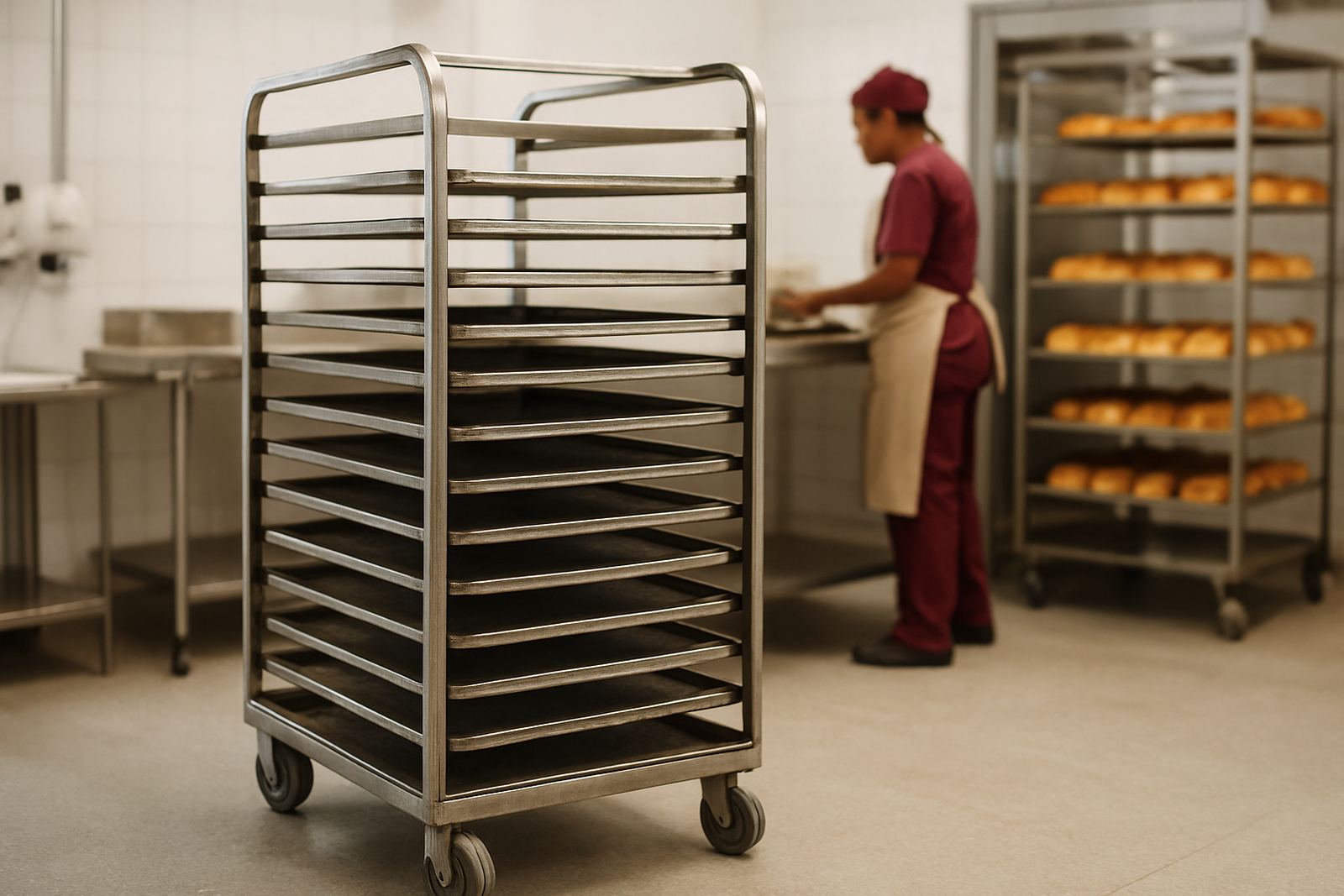
We supply sheet pans for bread lines, pastry rooms and catering prep areas where the tray must sit flat, stack neatly and handle repeat use. The focus is on practical handling, tidy welds or folded edges where needed, and sizes that fit standard racks and trolleys. If your team works in Alrode, Germiston or Boksburg, the right tray size also helps with transport and storage on tighter production floors.
- Used for bakeries, catering kitchens and food prep rooms
- Suitable for oven loading, cooling and batching work
- Can be matched to your racks, trolleys and existing tray stock
- Useful for both small bakery runs and larger daily production
Common sheet pan sizes and build options
Sheet pans are usually ordered to suit the oven deck, convection oven, proving area or rack system already in use. We can size match from an existing tray, copy a sample or make a batch to the same dimensions you already use. That matters when you are replacing old stock, because even a few millimetres can affect stack height, rack spacing and loading speed.
Build options can include different material thicknesses, turned edges, reinforced corners and perforation if airflow is needed. For bakery use, a heavier gauge tray will resist warping better under heat cycles and repeated washing. In humid coastal conditions or when trays are washed often, the material choice and finish become important for life span.
- Standard flat sheet pans for general baking
- Heavy gauge versions for daily high-heat use
- Perforated options where airflow or browning is needed
- Custom sizes for non-standard ovens or rack systems
Where the sheet pan suits best
This product suits any operation that needs a dependable tray for repeat production. Bakeries use it for rolls, buns, croissants, savoury items and tray bakes. Caterers use it for oven finishing, display prep and bulk service work. It also suits school kitchens, hotel kitchens and factory canteens where trays get cycled through fast and need to be easy to clean.
Because the sheet pan is a general-purpose item, it is often one of the first things to standardise when a business is improving output. If your team is working through load shedding, the tray itself does not need power, but your production planning does. Having the right tray size ready before baking starts helps you make better use of generator time or scheduled oven runs.
- Bakery production lines
- Commercial kitchens and catering departments
- Hotel, school and workplace canteens
- Food factories and test kitchens
Fitting the tray to your ovens and racks
There is no electrical or gas installation needed for the sheet pan itself, but it must fit the equipment around it. Check the internal oven width, the rack spacing, trolley depth and the way trays are lifted in and out. If the tray is too loose it can slide and waste space. If it is too tight, staff end up forcing it in, which bends the tray and slows production.
We often work with kitchens in Midrand, Soweto and Alberton that need tray matching because old stock came from different suppliers over time. If your oven rack is already fixed, send the exact opening size and the tray lip height. A correct match improves air flow, reduces snagging and makes stacking safer in busy shifts.
- Check internal oven and rack measurements before ordering
- Confirm tray lip, corner style and stacking clearance
- Ask for size matching if you are replacing mixed tray stock
- Allow for staff handling and trolley movement in tight rooms
Care, cleaning and servicing for longer tray life
Good tray care starts with avoiding rough scraping and mixing hot trays with cold water too quickly. That kind of handling can shorten the life of a tray, especially on heavier gauge units that see constant heat cycling. In most bakeries, a simple wash routine, proper drying and neat storage will do more for tray life than any special treatment.
If trays are used in coastal humidity or are stored in a damp room, dry them fully before stacking. Where trays are perforated, make sure flour and crumbs are cleared from the holes after use so airflow stays open and cleaning stays quick. We also help with batch reorders, so if one section of trays wears faster than the rest, you can keep the set consistent instead of mixing different heights and finishes.
- Wash, dry and stack properly after each shift
- Do not bend edges by forcing trays into tight racks
- Keep perforations clear of dough, flour and grease
- Replace damaged trays in batches to keep production even
What to check before you place an order
Before you order sheet pans, check the size, quantity and how the trays will be used. If you bake different products, one tray size may work better than several. Also confirm whether you need plain flat trays, perforated trays or a heavier build for high-use shifts. If you are copying an existing pan, send a clear sample or exact measurements so the new set matches what your team already knows.
For bakeries in Johannesburg South and surrounding areas, the most useful order is often the one that fits the current workflow without extra changes. That means checking the oven chamber, rack spacing, stack height and cleaning method before production starts. We can also assist with factory consultations, prototype runs and divider inserts where a full tray set needs a slightly different layout.
- Exact tray length, width and lip height
- Material thickness and whether a heavy gauge build is needed
- Plain or perforated finish
- Quantity per batch and any repeat reorder schedule
Key facts
| Product | Sheet pan |
|---|---|
| Use | General bakery and catering production |
| Material | Mild steel or custom build to spec |
| Options | Plain, perforated, heavy gauge, copied size |
| Typical areas | Alrode, Alberton, Germiston, Boksburg, Soweto, Midrand |
| Order support | Size matching, pan copying, batch reorders and consultations |