What a toast rack tray does in daily production
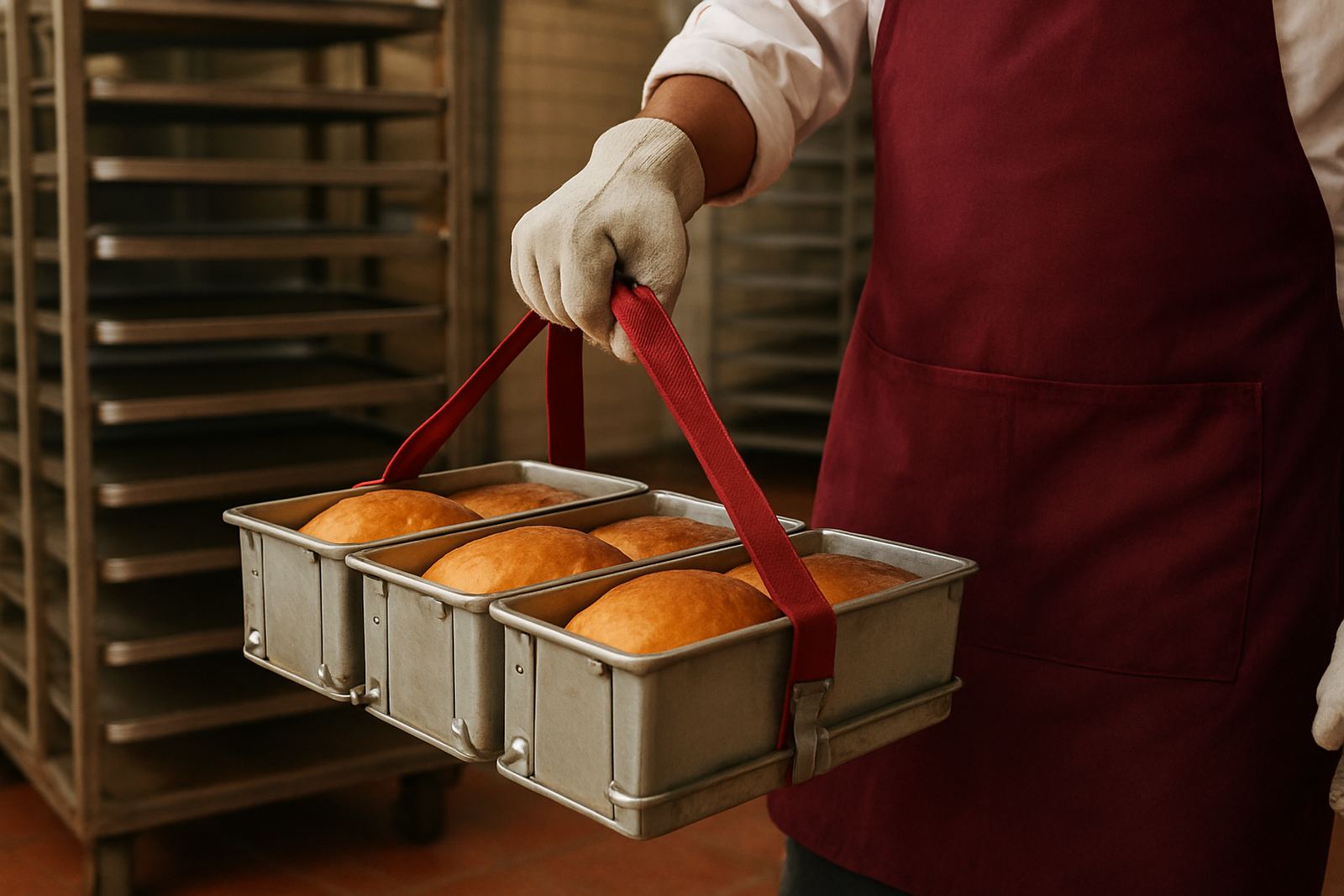
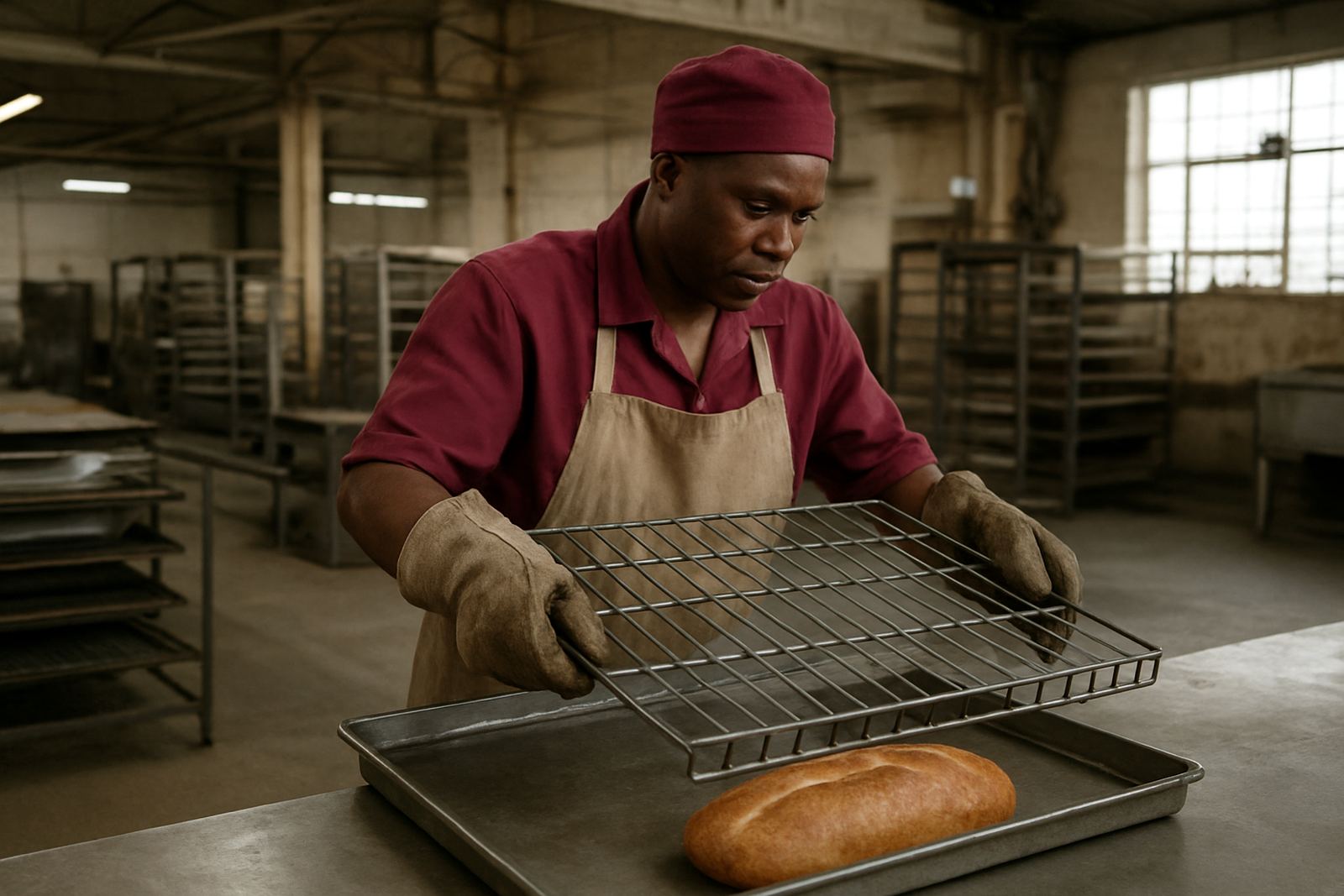
A toast rack tray is a tray and rack style unit used to hold slices, toast or rusks in a fixed upright position while they cool, dry or wait for the next stage of packing. In a busy bakery this saves time because product does not slide around on a flat tray and the airflow between pieces is more even. For rusks, that spacing helps when you want a steady drying process after baking or slicing.
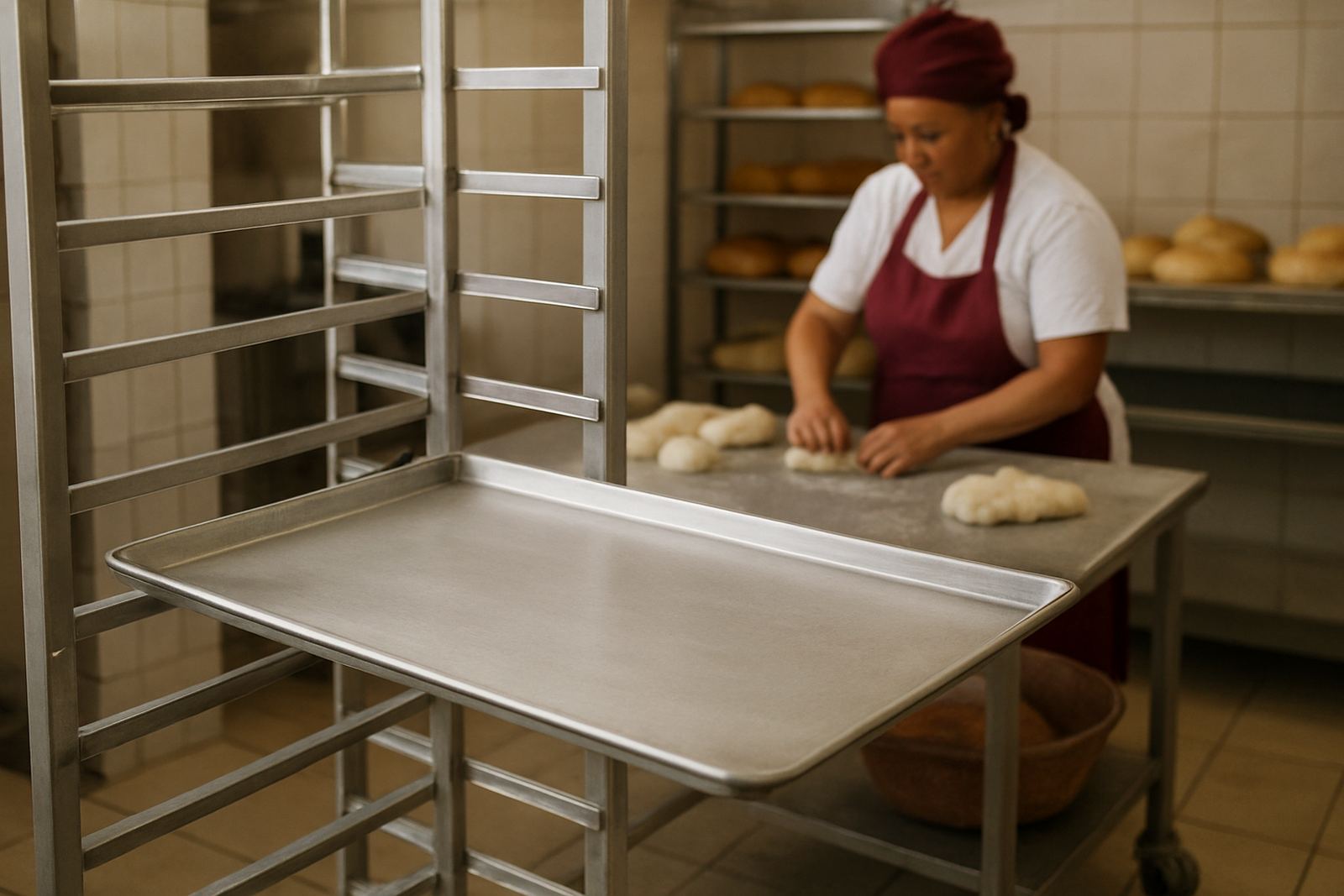
The unit can be built for batch work, where trays are stacked on trolleys, or for fixed line handling where staff move product from oven to cooling area by hand. It suits bakeries that run early morning shifts, contract caterers, school kitchens and food rooms that need neat handling without complicated kit. In humid areas like parts of Durban or coastal KwaZulu-Natal, better spacing also helps reduce surface dampness during cooling, especially when the aircon is off during load-shedding.
- Used for toast, rusks and other sliced bakery products
- Keeps product upright and separated
- Helps with cooling, drying and neat packing
- Can be made to suit tray trolleys or bench handling
Sizes, spacing and build options that matter
We make toast rack trays to suit the way your bakery works, not the other way round. Most buyers need the rack spacing matched to the slice thickness and the type of product. Thin toast slices need tighter spacing for support, while larger rusks need a wider gap so they do not stick together while drying. If you are handling more than one product, we can set up different insert patterns for separate batches.
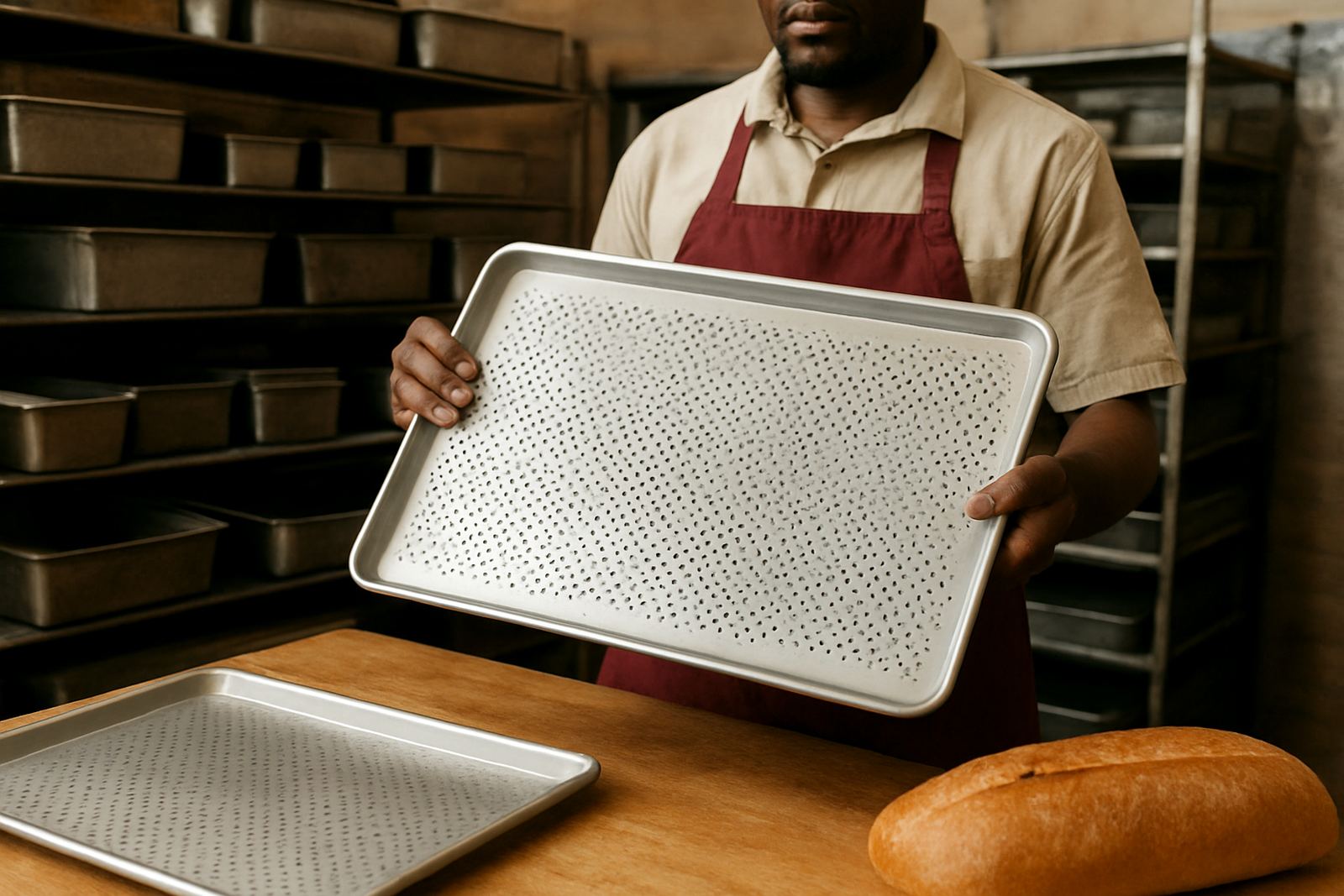
Common build choices include mild steel for general bakery use, with a coated finish where needed, or stainless steel where washing is frequent and moisture is a concern. Tray depth, side height and rack angle can all be adjusted. On some orders the rack sits in a standard pan footprint, while on others it is made as a longer rack set for batch drying in a production room. If you need the unit to fit existing bakery pans or trolley runners, we can work from a sample or drawing and copy the pattern. It’s often the quickest way to get a proper fit.
- Custom spacing for toast, rusks or sliced loaf products
- Mild steel or stainless steel build options
- Can be made to existing pan sizes or trolley sizes
- Suitable for sample-based copying and repeat batch orders
Where a toast rack tray fits best
This product suits bakeries that slice and dry in batches, as well as catering kitchens that need a neat holding tray before serving or packing. It works well in plant rooms where product is moved from oven to cooling rack, and in back-of-house areas where staff are short on time and need fewer handling steps. In Johannesburg South, Germiston, Boksburg and Alberton we often see it used in bread rooms, rusk packing areas and smaller retail bakeries that need orderly output without expensive machinery.
If your operation uses both ovens and ambient drying areas, the rack tray helps keep batches organised by date and product line. That makes it easier for supervisors to check what has been baked, what still needs drying and what is ready for dispatch. It is also a practical option where floor space is limited, because the product is held upright rather than spread across extra tables. For bakeries in Soweto or Midrand that run mixed orders, this can save a fair amount of time during changeovers.
- Bakery cooling and drying rooms
- Rusk packing areas
- Hotel, school and contract catering kitchens
- Small retail bakeries with limited bench space
Installation, utilities and site conditions
A toast rack tray normally does not need power or gas on its own, which makes it simple to place into an existing bakery line. The important part is the surrounding workflow. You need enough clear space for loading, turning and stacking, plus a level surface if the unit is standing on a trolley or bench. If the tray is being used inside a heated room, we can advise on spacing so air can move freely around the product.
Where the unit is paired with heated holding or drying equipment, the power demand will depend on that system and not on the tray itself. In places where load-shedding is a regular problem, many bakeries prefer a rack tray because it still works during power cuts and does not stop production by itself. For coastal areas and cooler inland mornings, drainage and cleaning access matter too. Stainless builds are often chosen where washdown is frequent and the air carries more moisture.
- No direct power or gas requirement for the tray itself
- Needs level placement and clear access for loading
- Can work alongside heated drying systems if required
- Suitable for load-shedding prone sites because it is manual
Care, cleaning and servicing between batches
Good care starts with clearing crumbs and flour build-up after each run. If the unit is steel, keep an eye on chipped coating or worn corners, especially where trolleys knock against each other in dispatch areas. In stainless units, regular washing and drying is still important, because standing water can leave marks and slow down turnaround. A quick wipe after cleaning saves trouble later, and it helps keep the rack safe for repeated food contact.
For busy sites we suggest checking welds, rack alignment and any bent supports during routine maintenance. If product starts leaning or falling through, the spacing may have moved or the rack bars may have taken a knock. We can repair, remake or copy the tray if needed, and batch reorders are possible when you already know the size that works. In our experience, a small service call before the busy season is cheaper than rushing a replacement after a Friday night breakdown.
- Clear crumbs and flour after every batch
- Dry the unit properly after washdown
- Check welds, bars and rack spacing for wear
- Replace bent sections early to avoid product loss
What to check before you place an order
Before ordering, confirm the product type, the slice size, the number of pieces per tray and whether the tray must fit an existing trolley or oven area. If you are using the unit for rusks, tell us the thickness after slicing and the drying method. If it is for toast or sandwich bread, we need the loaf size and the handling direction so the spacing works properly. A sample pan, old tray or simple sketch can be enough for us to work from.
Also check whether you need a light duty tray or a heavier gauge build. Sites with daily high-volume production, rough handling or frequent washdown normally benefit from thicker material and stronger support bars. If you are based in Alrode, Germiston, Boksburg, Midrand or Soweto, we can discuss local collection or dispatch arrangements. For tighter schedules, prototype runs are useful because they let you test fit before a full batch goes out. It saves time, and avoids a wrong run.
- Product type and finished slice thickness
- Tray footprint, rack spacing and total capacity
- Material choice and gauge required
- Existing sample, drawing or trolley dimensions
Key facts
| Product type | Toast rack tray for upright holding, cooling and drying |
|---|---|
| Material options | Mild steel or stainless steel |
| Build style | Tray and rack style unit, made to size |
| Common use | Toast, rusks, sliced bakery products |
| Custom options | Spacing, side height, angle, gauge, trolley fit |
| Supply areas | Alrode, Alberton, Germiston, Boksburg, Soweto, Midrand |