What a 4 strap pan does in daily baking
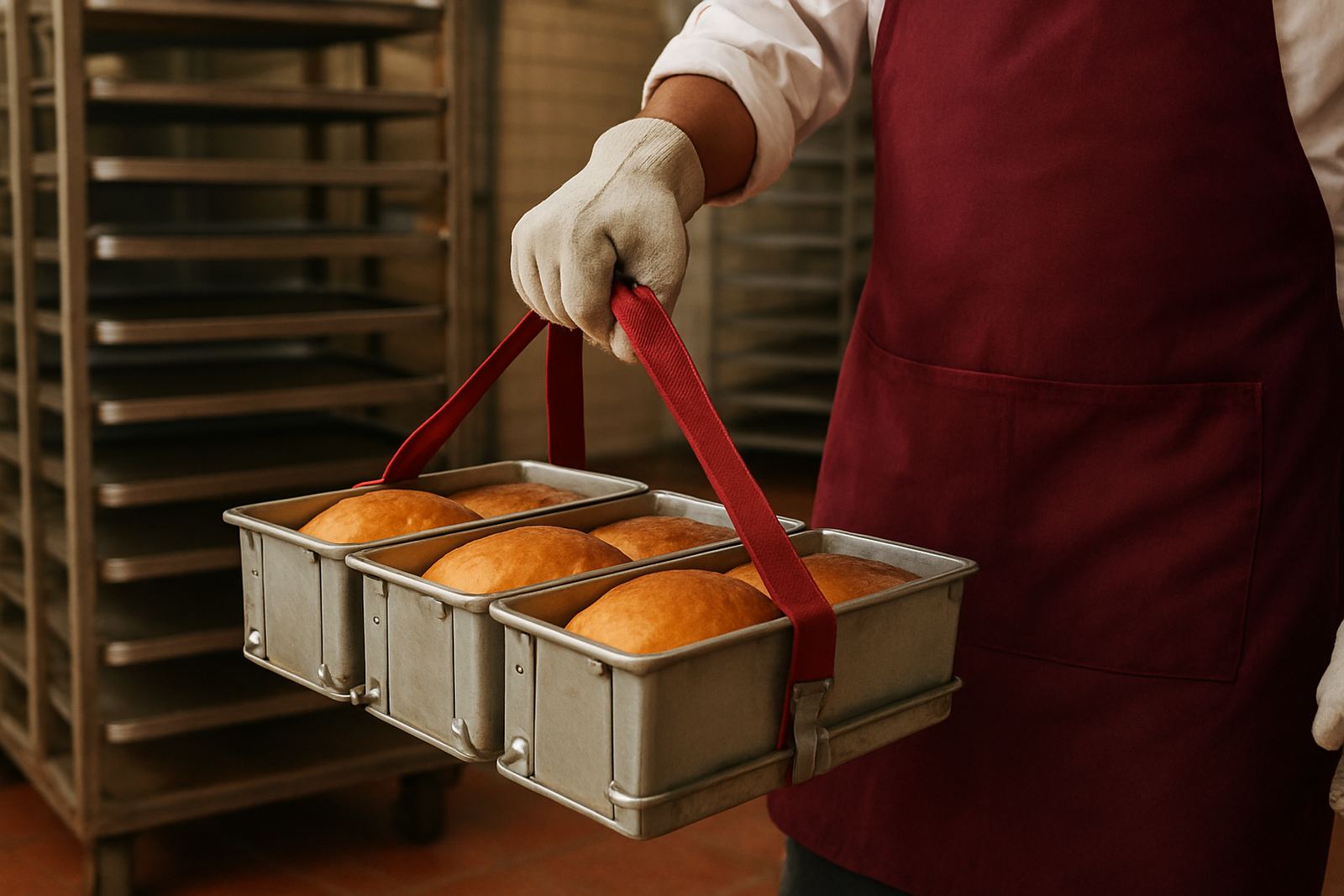
A 4 strap pan holds four individual bread pans in one linked unit, which makes loading, lifting and shifting loaves quicker on busy production lines. Instead of moving loose pans one by one, staff can handle a single unit through mixing, proving, baking and cooling. That saves time, helps keep loaves lined up, and reduces the chances of one pan being left behind or dropped during a rush.
This type of unit is common in bakeries that run repeated batches through the day, especially where speed matters and staff need a simple system. It is also useful where floor space is limited and movement has to stay orderly. In warmer months or during load-shedding recovery, keeping production flow neat matters because delays can upset proving times and oven schedules.
- Four pans fixed in a single strap frame
- Suited to standard bread production runs
- Easy to move between prep, proving and baking areas
Sizes, gauge choices and pan fit
We make 4 strap pan units to suit the loaf size and format you are running. The exact pan cavity, depth and lip detail should match your dough weight and the type of loaf you need on shelf. If you already use standard pans in your bakery, we can work from an existing sample or dimensions from your current setup. If needed we can also copy a pan pattern and fit it into a four-strapped arrangement.
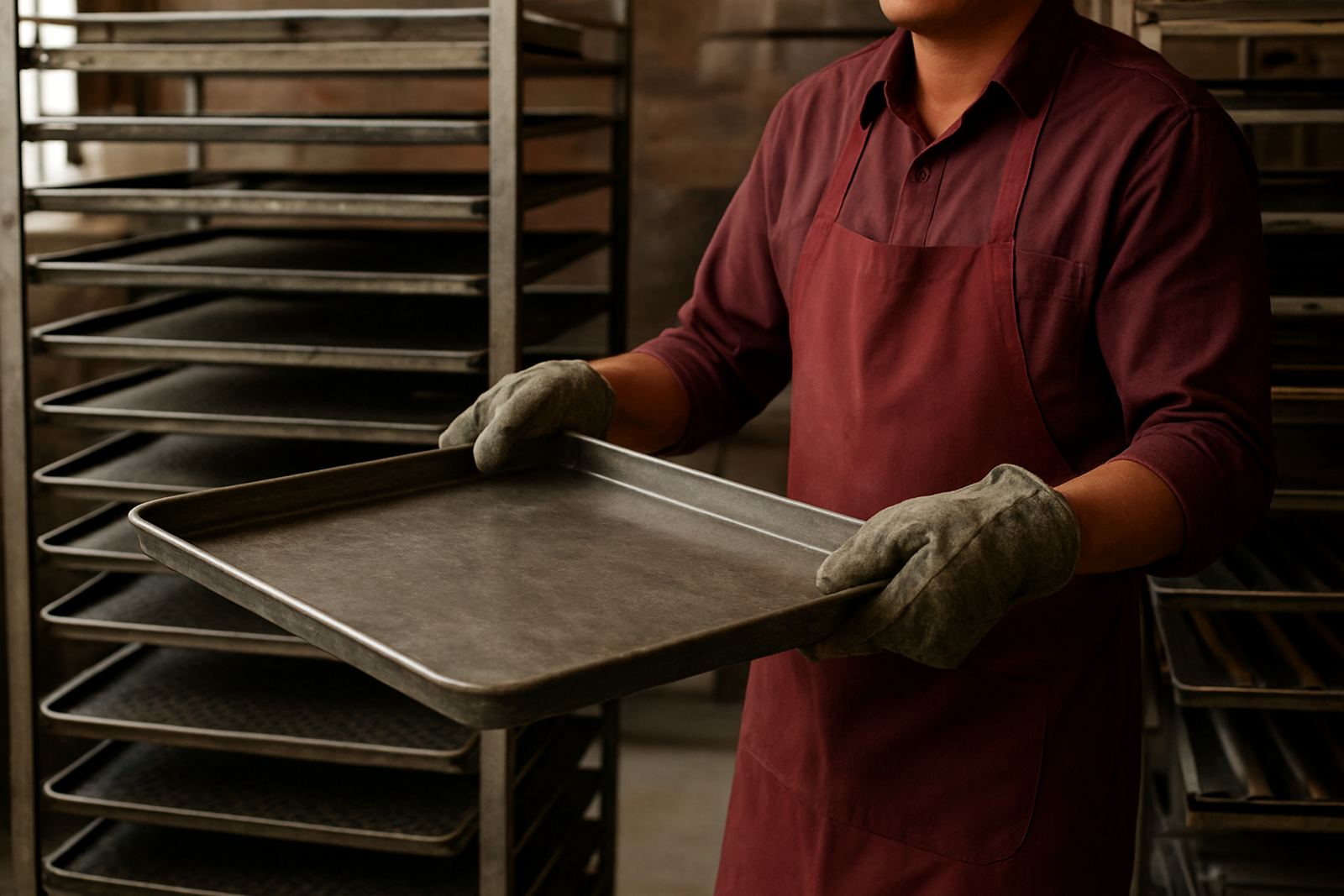
Material choice matters. Mild steel is common for everyday production and gives dependable performance when cared for properly. Heavier gauge builds are better where trays and pans get hard use, frequent handling, or repeated batch orders. For coastal humidity and hot wash areas, the right finish and drying routine help keep the unit in service longer.
- Built to standard or custom loaf dimensions
- Single, twin or heavier gauge material options
- Can be matched to existing bread pan patterns
Where this unit suits best
The 4 strap pan suits bakeries that want faster line handling without moving to a complicated system. It works well in commercial bread rooms, institutional kitchens, school kitchens and production bakeries that supply local shops or daily bread routes. In Gauteng, many operators prefer strap units where staff numbers change from shift to shift and the process must stay simple.
It is also practical for businesses in Johannesburg South, Alberton, Germiston, Boksburg, Midrand and Soweto that need repeatable production with low fuss. If your team is running both bread and other baked items, this unit helps keep the bread side organised. It is not only about speed, it also helps keep batches uniform, which matters when you are filling orders for the same loaf day after day.
- Bakeries with repeated daily bread production
- School and contract catering kitchens
- Sites needing tidy handling on short turnarounds
Installation, oven handling and utility needs
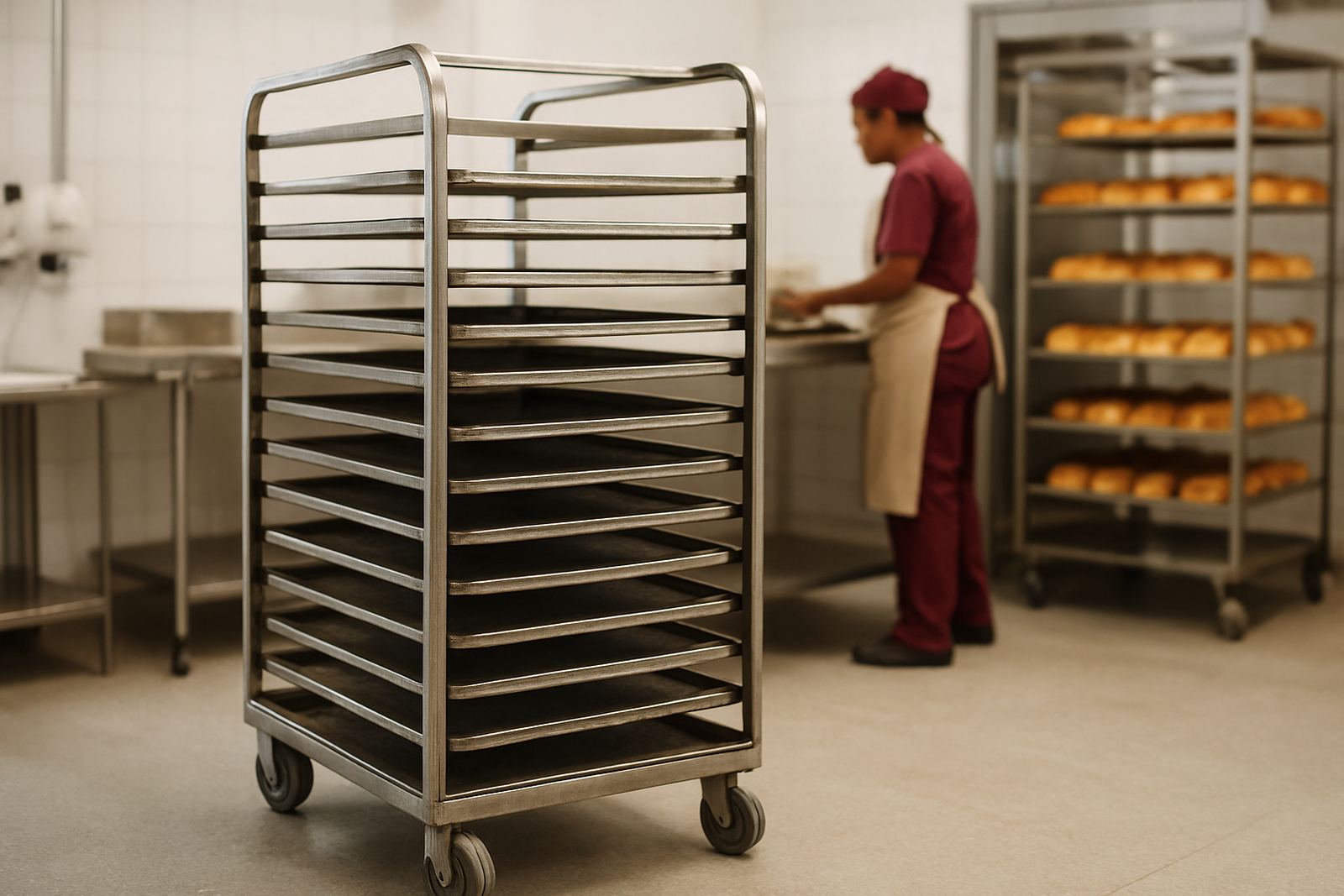
A 4 strap pan unit does not need special power connections on its own, because it is a manual bakeware item. What matters is that it fits the oven racks, proving area and handling trolleys you already use. Before ordering, check that your oven clearance, tray guides and cooling space allow the strap unit to slide in and out without catching. If your operation uses gas ovens, confirm the heat pattern across the chamber so the four pans bake evenly from side to side.
For bakeries on municipal supply or in areas with water restrictions, routine cleaning should be planned so it does not interfere with production. If you work in a space where power cuts affect proving or oven cycles, a strap unit helps because staff can move batches quickly once power returns. The key is to keep handling simple and avoid extra transfers between pans and trays.
- No electrical connection needed for the pan unit itself
- Check oven width, rack spacing and trolley clearance
- Confirm gas oven heat spread or electric recovery times
Care, cleaning and servicing on busy shifts
Good care keeps a 4 strap pan working properly for longer. After use, let the unit cool fully before cleaning, then remove flour, dough residue and oil build-up with non-abrasive methods. Do not leave wet pans stacked together for long periods, especially in damp coastal conditions or near wash bays, because trapped moisture can lead to rust. If pans are used for sticky doughs, a light, consistent release routine is better than heavy oiling.
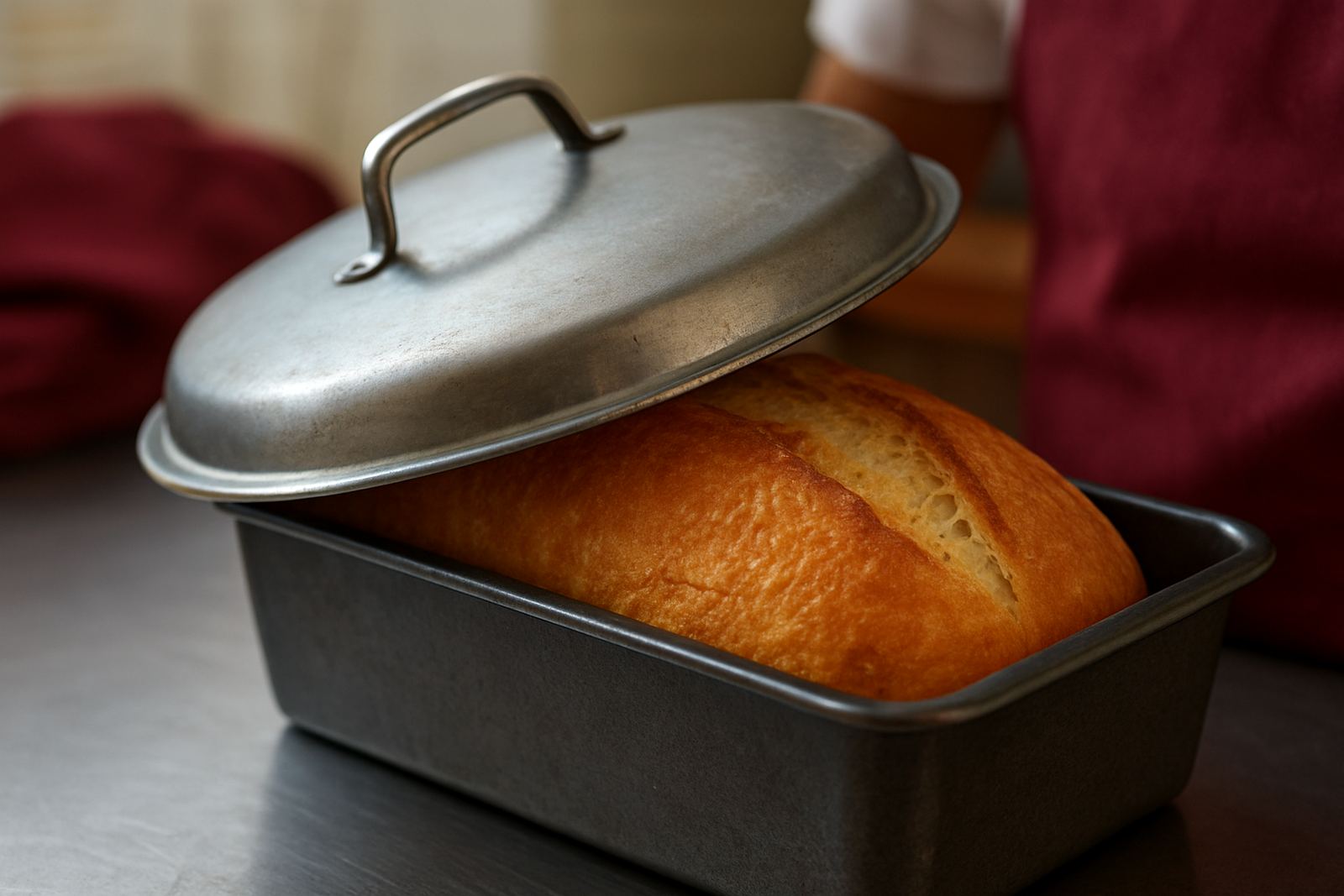
Inspect the strap points and pan walls regularly for wear, bending or loose fit. If the unit starts to sit unevenly, you may see loaves bake with inconsistent shape. Small faults are easier to sort early than after a full production week has passed. We can assist with batch reorders, lid fitting where needed, and replacement work when the existing unit has reached the end of its service life.
- Allow full cooling before washing or stacking
- Dry thoroughly to prevent rust and staining
- Check straps, corners and fit before each production run
What to check before placing an order
When ordering a 4 strap pan, start with the loaf size, dough weight and daily output you need. Then confirm whether you want standard or copied dimensions, what gauge is required, and whether the unit must match existing pans or trays already in use. If the bakery is in a high-volume setup, ask for a prototype run first so the fit and handling can be tested before the full batch is made.
It also helps to confirm delivery details, especially if your branch is in Alrode, Germiston, Boksburg, Midrand or elsewhere in Gauteng with tight receiving times. If you need divider inserts, tray perforating or a modified strap setup, mention that up front. That way the unit is built to the job instead of being adjusted later, which saves time and avoids rework.
- Loaf size and dough weight
- Required gauge and finish
- Whether the unit must match existing pans
- Need for prototype, batch reorder or custom fit