What a prototype run covers
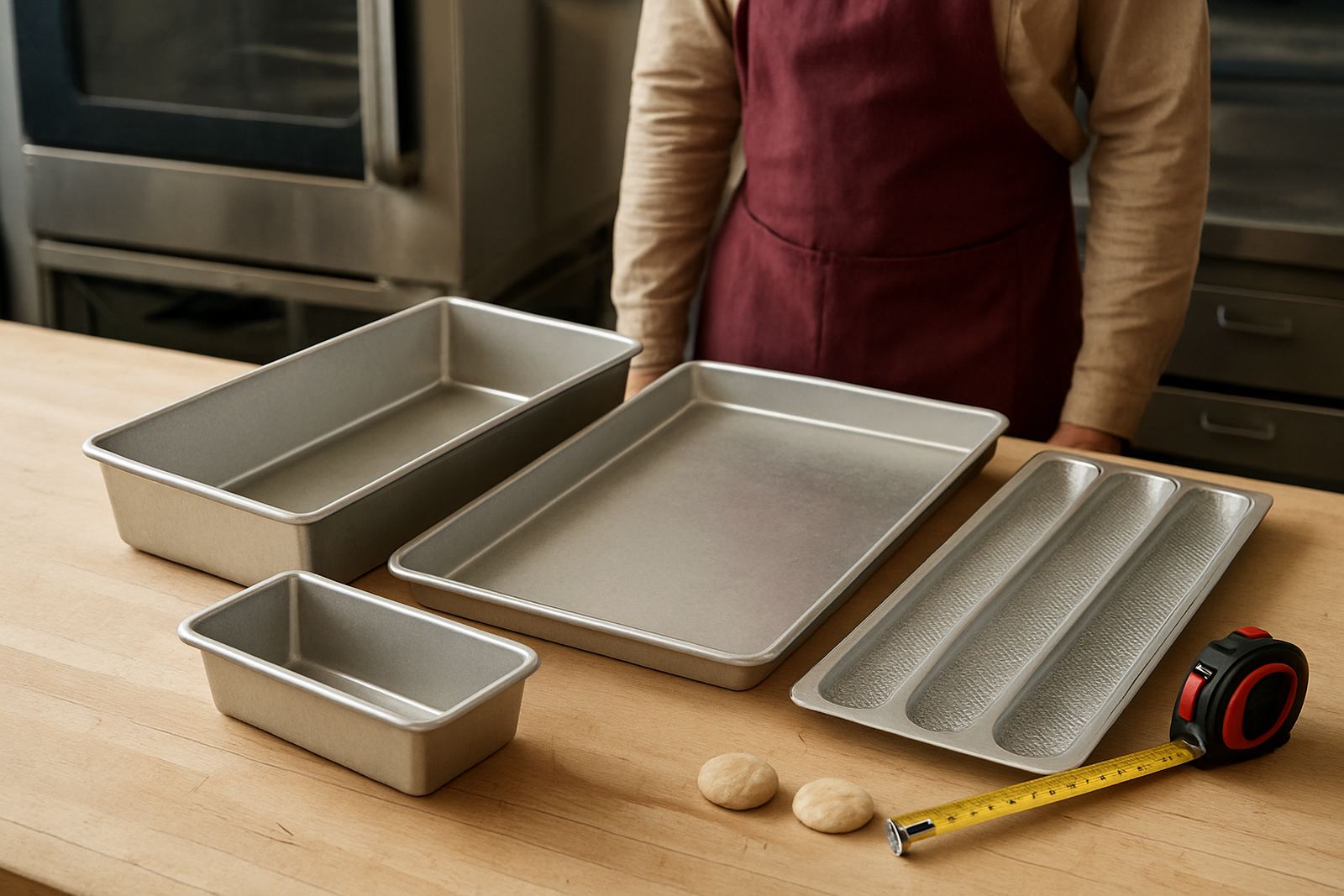
A prototype run is a small first batch made to your measurements, drawing, sample or old pan. It is useful when you are launching a new loaf size, changing from imported tins, or improving an item that has been bending, warping or giving poor release in the oven. In Alrode and across Gauteng, many bakeries ask us for a test run before they commit to a full order, especially where oven space, trolley size and proofing room all need to line up.
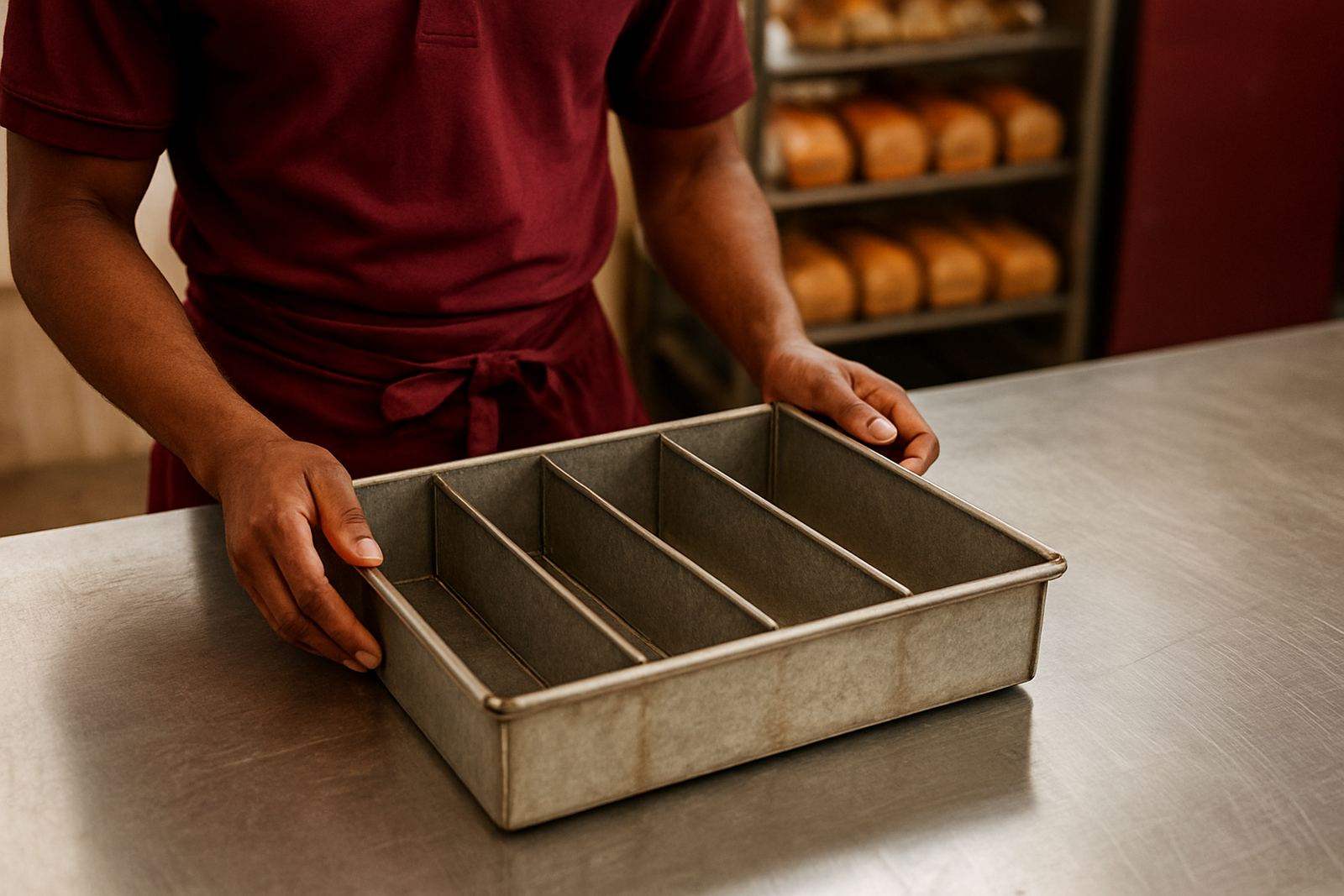
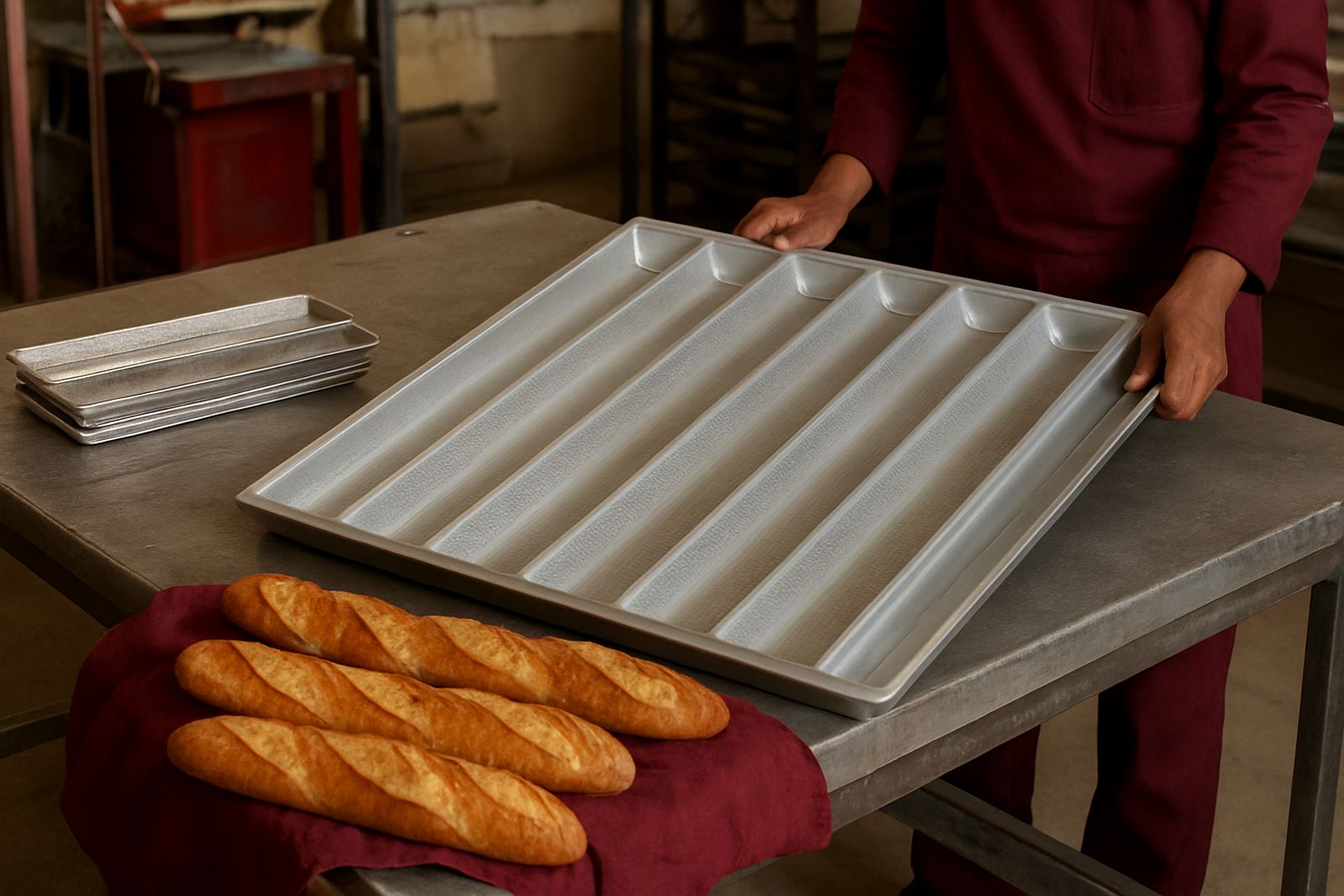
We can prototype standard BO3, BO4 and BO5 bread pans, lids, perforated trays, baguette trays, divider inserts and heavier gauge items for busy production lines. If you need a fit check against an existing tray rack or oven deck, we can work from dimensions or from a physical sample sent to our workshop. Good prototype work saves money because it shows up problems early, before you place a larger quantity.
- Suitable for new product trials and recipe testing
- Works from drawing, sample piece or measured specs
- Helps confirm fit in ovens, trolleys and storage racks
- Useful for both small bakeries and larger production plants
How we make the first samples
We start by confirming the key details: inside length, outside length, top lip, depth, lid fit, perforation pattern and the gauge required for the job. If you are replacing an old pan, we compare the worn sample to the intended finish so the new piece does not come out too tight or too loose. Where needed, we also check fold lines, corner strength and handling points for staff who move trays through a hot bakery all day.
Once the measurements are signed off, production begins in mild steel or the agreed material thickness. We form, fold, weld or stitch the pieces according to the design, then test the fit and finish before release. For perforated trays and baguette trays, hole size and spacing can be adjusted to improve airflow and browning. If the customer wants a heavier build, we can increase the gauge and reinforce the stress points, which helps in high-volume sites and on routes where delivery roads are rough.
- Measurement check and sample review
- Material and gauge selection
- Forming, folding and fixing
- Fit test and finish inspection
What you receive in a prototype batch
Prototype runs are kept small on purpose. That allows the bakery to trial the product properly without tying up cash in stock that may still need changes. Depending on the project, we can supply one unit, a few test pieces, or a short run for line testing. If the product is going into a commercial bakery in Germiston, Boksburg or Midrand, we often recommend enough pieces to test on more than one shift so you can compare wear, release and cleaning time.
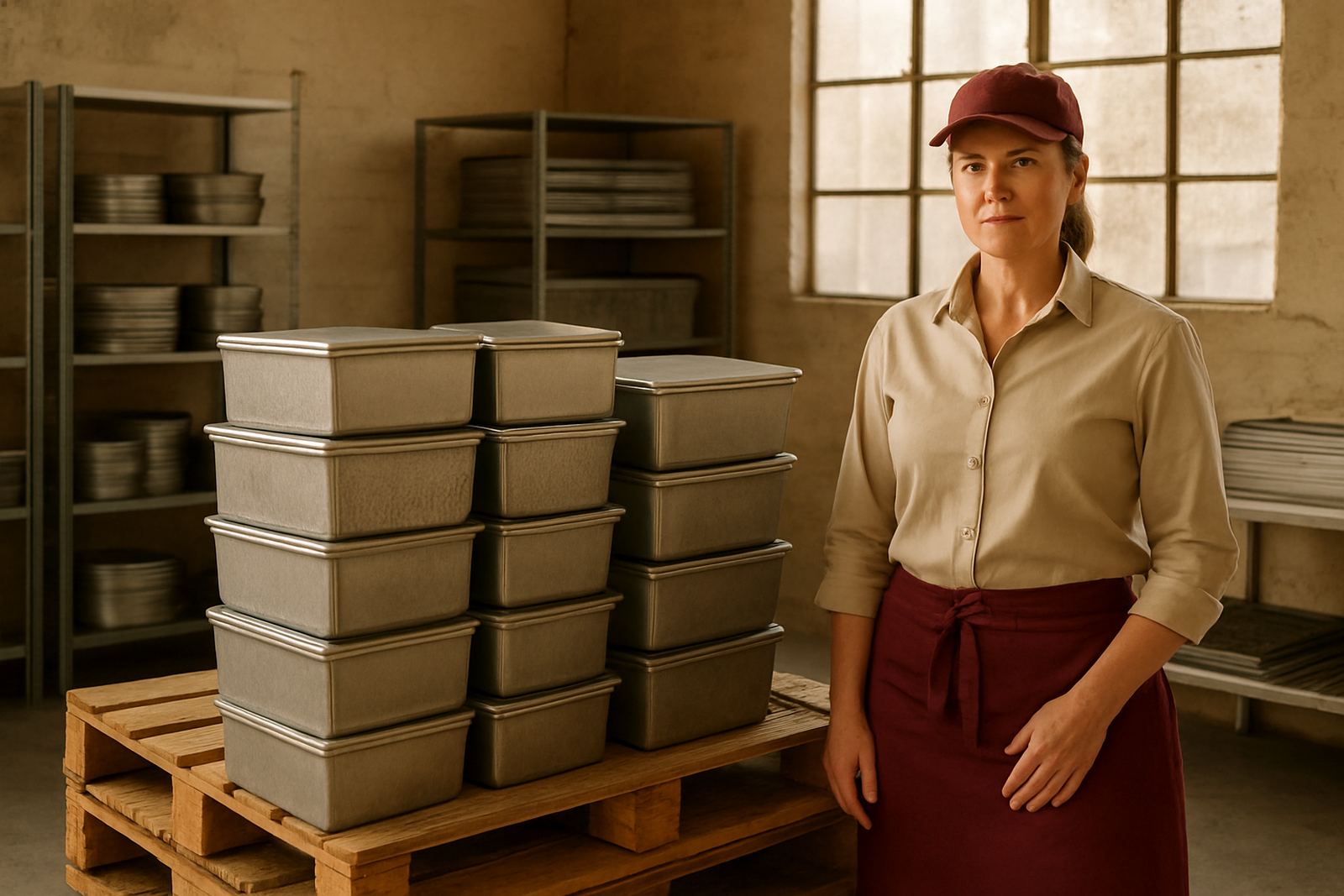
Each sample can be supplied with lids where required, and we can also include divider inserts or matching trays if the final pack needs a full system. If the design calls for stacking or nesting, we check that the pieces do not pinch together or scratch during handling. This matters in humid coastal conditions too, where poor finishing can lead to early surface wear if pans are stored damp or left near wash bays.
- Short test batch to the agreed size
- Lids, inserts or matching parts where needed
- Stacking and handling checked before dispatch
- Suitable for bake trials, release tests and line checks
Typical turnaround for sample work
Turnaround depends on the complexity of the piece, the gauge required and whether tooling changes are needed. Simple size matching or a direct copy of an existing bread pan can be turned around faster than a new perforated pattern or a tray that needs several bends and reinforcement points. In many cases, standard prototype work can be completed within a few working days after approval of the measurements. More detailed sample work may take longer if we need to make and check multiple adjustments.
We always try to be practical about timing because bakeries cannot stop production while waiting on one tray. If your current stock is wearing thin, tell us upfront so we can plan the sample order around your dispatch date and give you a realistic lead time. For customers in Johannesburg South, Alberton and nearby areas, collection from Alrode can often speed things up. Deliveries are arranged when the job is ready.
- Simple samples can be turned around quickly
- Complex tray patterns need more time for checking
- Urgent jobs are handled against workshop capacity
- Collection and local delivery can be arranged
Pricing for prototype runs
Prototype pricing is based on material, size, labour time and the amount of hand finishing required. A straight copy of a simple pan is priced differently from a new design with perforations, special folds or heavy gauge reinforcement. Because prototype runs are small, the unit price is higher than a full production batch, but it is the best way to avoid larger losses later if the first design needs changes.
We quote clearly before work starts. If the sample needs several revisions, we discuss the cost of each adjustment so there are no surprises. For repeat customers, batch reorders are easier to budget once the prototype has been approved. Where a project moves from sample stage to full order, the earlier prototype work helps us keep the final price fair because the sizing and forming steps have already been sorted.
- Quoted according to size, gauge and finishing
- Small batch rates apply to prototype work
- Revision costs are discussed before changes are made
- Approved samples make later reorders simpler
Keeping prototype pans in good condition
Prototype pieces are made for testing, so they should be checked after every bake trial. Look for corner lift, lid movement, spring-back after cooling and any marking from the oven rack or trolley. If you are testing in a busy plant with load-shedding, allow the pan to cool naturally and avoid sudden temperature changes, since that can expose weak spots in the metal or fold lines. In high-humidity kitchens, drying after washing is important so the surface does not pick up rust too quickly.
As a rule, sample pans should be inspected after the first few uses, then again after one week of production testing. If the piece is performing well, we can confirm the same spec for the next batch. If it shows wear too soon, we may suggest a thicker gauge, a small change to the fold, or a better perforation layout. That is the point of the prototype run, to make sure the final order lasts in real bakery conditions, not just on paper.
- Check after first bake and after one week of testing
- Dry properly after washing, especially in damp rooms
- Watch for warping, loose lids and corner stress
- Use findings to finalise the production spec
Key facts
| Materials | Mild steel, heavier gauge options on request |
|---|---|
| Common items | BO3, BO4, BO5 bread pans, lids, perforated trays, baguette trays |
| Sample quantities | Single piece, short run or small test batch |
| Size range | Made to supplied dimensions or copied from an existing sample |
| Finish | Formed, folded and checked for fit before dispatch |
| Use areas | Bakeries in Alrode, Alberton, Germiston, Boksburg, Soweto and Midrand |