Custom baguette channel counts and tray sizes
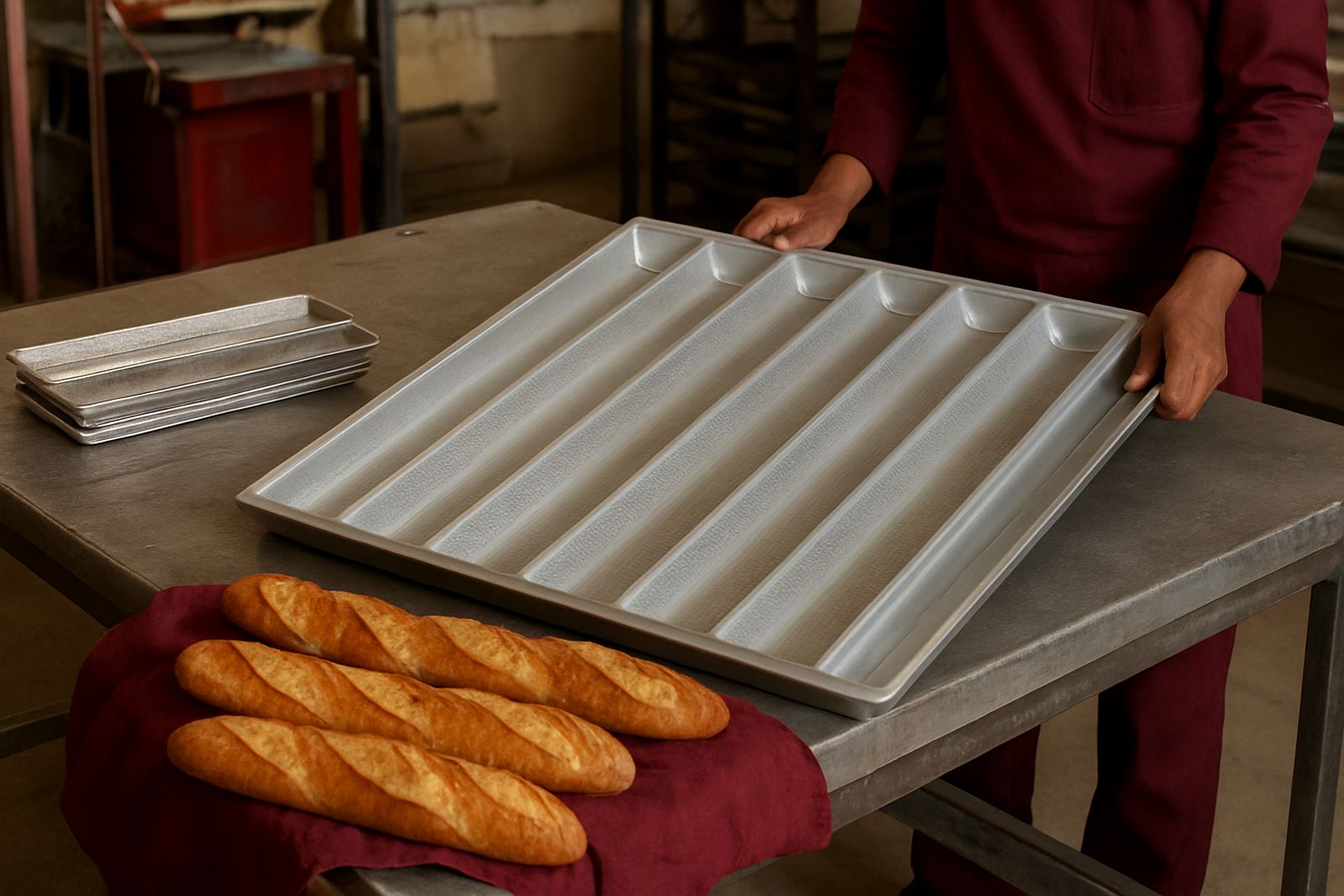
Our baguette forming work is built around the size of your bakery, not a fixed tray pattern. We produce channels in custom counts and dimensions, so you can fit the tray to your dough weight, oven deck, and handling method. That matters in busy bakeries where one extra centimetre can affect loading, proofing, and the way tins sit on racks.
Typical builds are made for bread factories, wholesale bakeries, and in-store production lines from Alrode to Midrand. We can work from an existing tray, a sketch, or a sample from your floor. If you already know the finished loaf size, we match the channel width and depth to reduce spread and keep the baguettes more consistent from one batch to the next.
- Custom channel count for small or high-volume runs
- Channel widths matched to your dough weight
- Lengths suited to rack size, oven size, or tunnel flow
- Heavy gauge options for daily use and repeated handling
What the baguette forming service includes
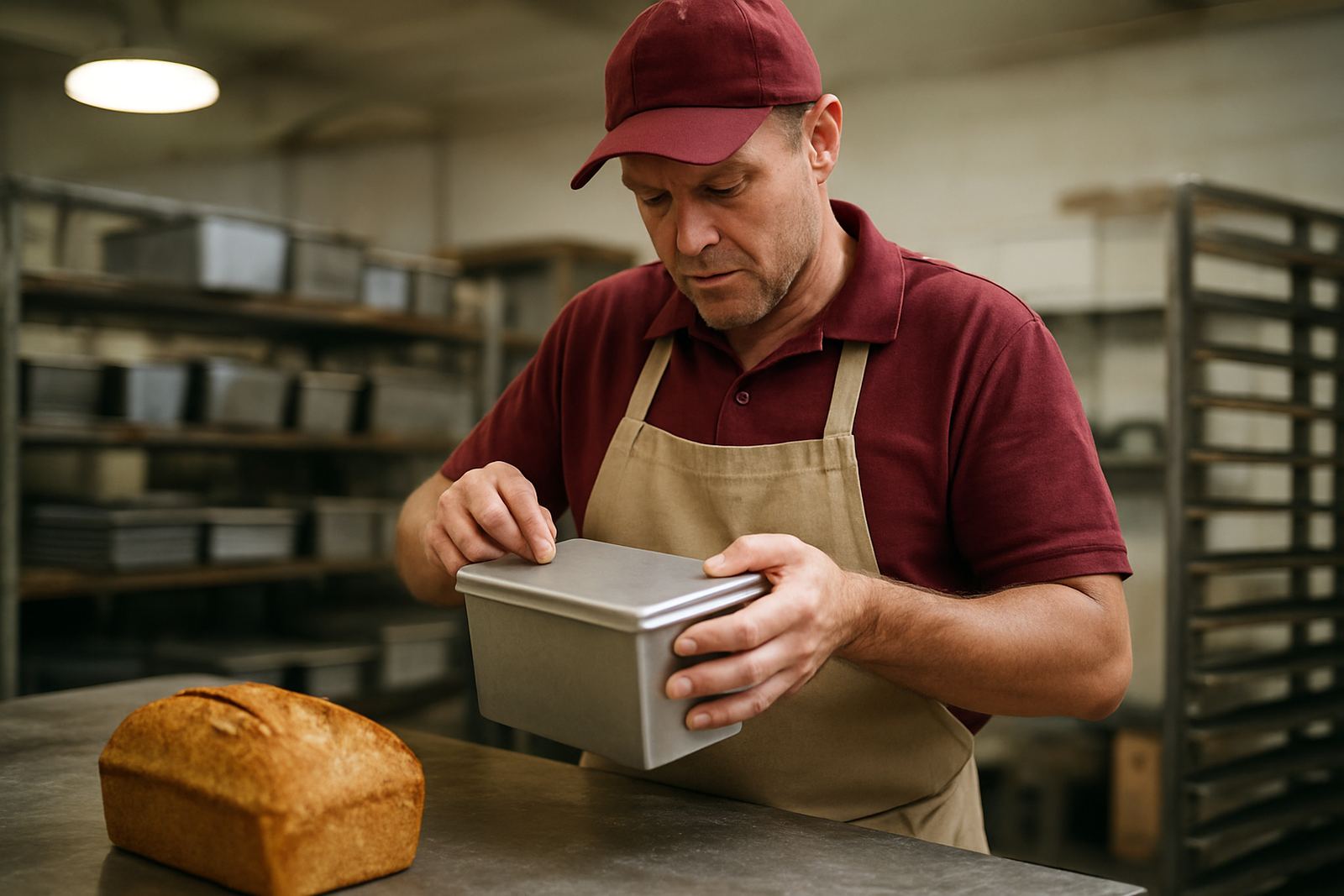
The service covers the forming of the tray channels and the fit-up needed to make them work in a bakery setting. Depending on your order, we can also include divider spacing, perimeter strengthening, and tray set-up that helps with loading and cleaning. If your trays must stack, we check the overlap and edge profile so they do not bind when stored or moved.
We also look at how the tray will be used in a Gauteng bakery where power cuts, hot rooms, and hurried handling can put extra strain on equipment. For coastal customers in places with higher humidity, we can discuss material choices and finishes that help reduce early wear. The aim is practical use, not just a tray that looks right on delivery day.
- Forming of baguette channels to agreed dimensions
- Fit-up for trays that must nest, stack, or sit on racks
- Optional reinforcement on handles, edges, and corners
- Material and finish advice for your operating conditions
How we build and check each order
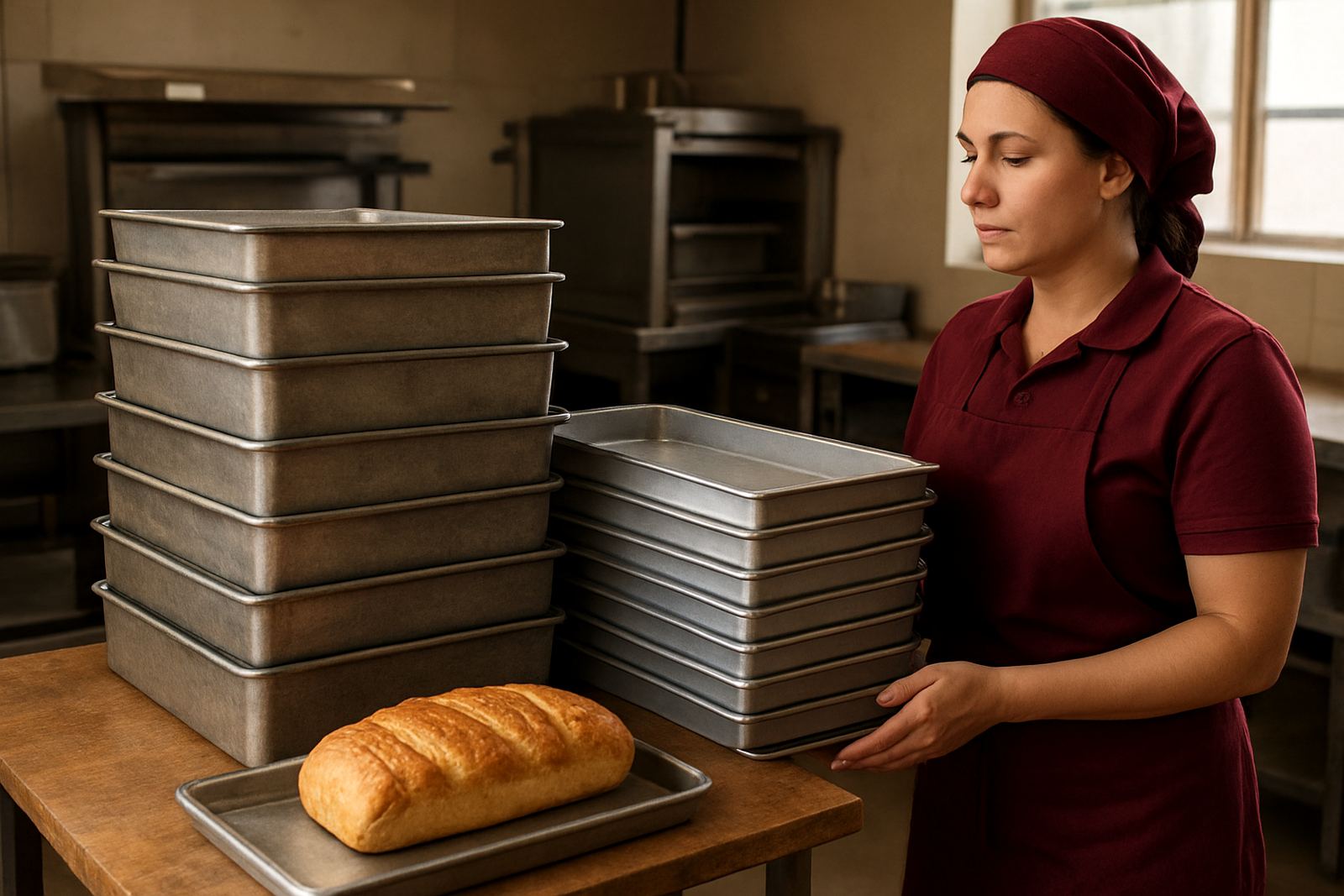
We start with the measurements and confirm the tray layout before any cutting or forming begins. If you send an old tray, we measure it and compare the actual working size, not only the outside dimensions. That helps avoid problems where the pans are correct on paper but too tight for the oven rail or the proofing trolley.
Once the layout is approved, the channel set is formed and checked for spacing, depth, and straightness. We then test the fit of the tray sections where needed and confirm the edges are smooth enough for daily handling. On larger batch orders, we keep the run consistent from first piece to last, which is important when you are replacing trays in stages.
- Measure existing tray or work from supplied dimensions
- Confirm channel pitch, depth, and overall tray footprint
- Form and check the channels for alignment
- Dispatch once the final check has been signed off
Turnaround times for bakery production schedules
Turnaround depends on quantity, material choice, and how much custom forming is required. Small repeat orders can often move faster than one-off prototypes, while larger runs need more time for setup and inspection. We always try to align the job with your production schedule so you are not left short when an old tray cracks or starts to warp.
For bakeries in Johannesburg South and the surrounding areas, collection can often be arranged once the job is complete. Delivery can also be discussed for branch customers in Germiston, Boksburg, Soweto, and other nearby areas. If you are planning a batch reorder, it helps to send the details early so we can book the slot and avoid last-minute delays.
- Prototype or sample runs for new bakery lines
- Repeat orders for stock replacement
- Batch production for multiple branches or sites
- Collection or delivery planning around your dispatch time
Pricing based on size, gauge, and batch count
Pricing is worked out from the tray size, the number of channels, the gauge of material, and the amount of forming required. A simple replacement order costs less than a custom layout that needs extra measuring or a trial run. If you need heavier gauge material for repeated use, that is priced separately because the material and forming time both increase.
We quote plainly so you can compare like for like. If you bring in an old sample, we can tell you whether it is worth copying directly or whether a small change will give better service life. For bakeries watching costs during load-shedding months and seasonal peaks, we can also discuss phased replacements so the spend is spread over more than one order.
- Quoted from dimensions, gauge, and quantity
- Prototype pricing available before full production
- Batch reorder rates for repeat customers
- Advice on where heavier gauge is worthwhile
Cleaning, storage, and maintenance intervals
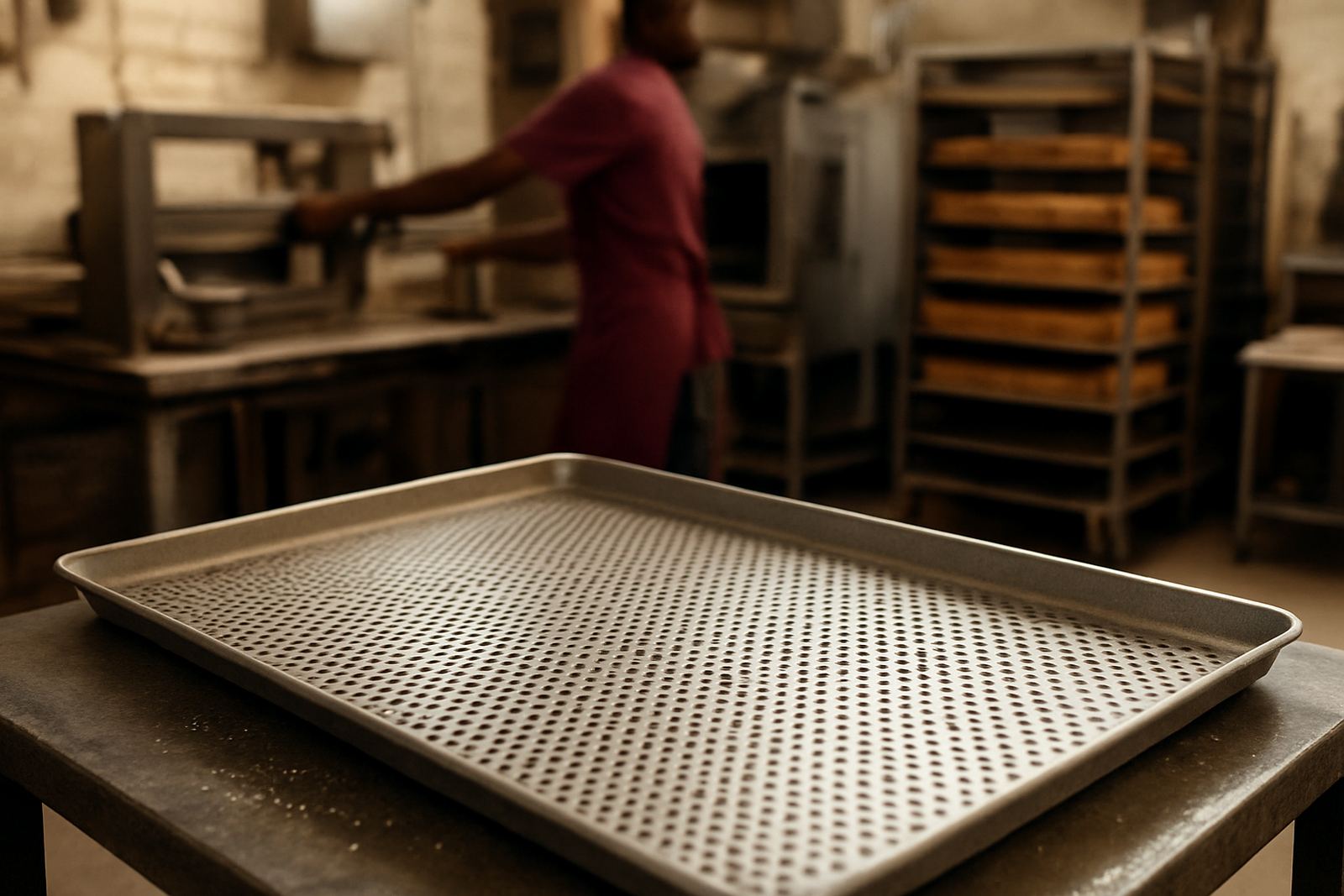
Baguette trays last longer when they are cleaned and stored properly after each shift. Flour dust, oil, and moisture can build up at the channel bases and cause sticking or early surface wear. In hotter months, especially in bakeries with uneven ventilation, it helps to dry trays fully before stacking them away.
As a rule, we recommend a quick inspection every week and a fuller check every one to three months, depending on your throughput. Look for bent channels, worn edges, and any build-up that affects release. If a tray starts to twist under heat or the spacing changes, it is usually better to repair or replace that set before the problem starts affecting loaf shape.
- Wipe down after each production run
- Check for bending or loose edges weekly
- Do a full inspection every 1 to 3 months
- Store dry, flat, and away from heavy knocks
Key facts
| Material | Mild steel or heavy gauge build options |
|---|---|
| Channel count | Custom counts to suit your bakehouse |
| Channel layout | Evenly spaced for baguette shaping |
| Tray size | Made to your required length and width |
| Use | Wholesale bakeries, retail bakeries, production lines |
| Area | Alrode, Johannesburg South, Gauteng |