What size matching covers for bakeries and plants
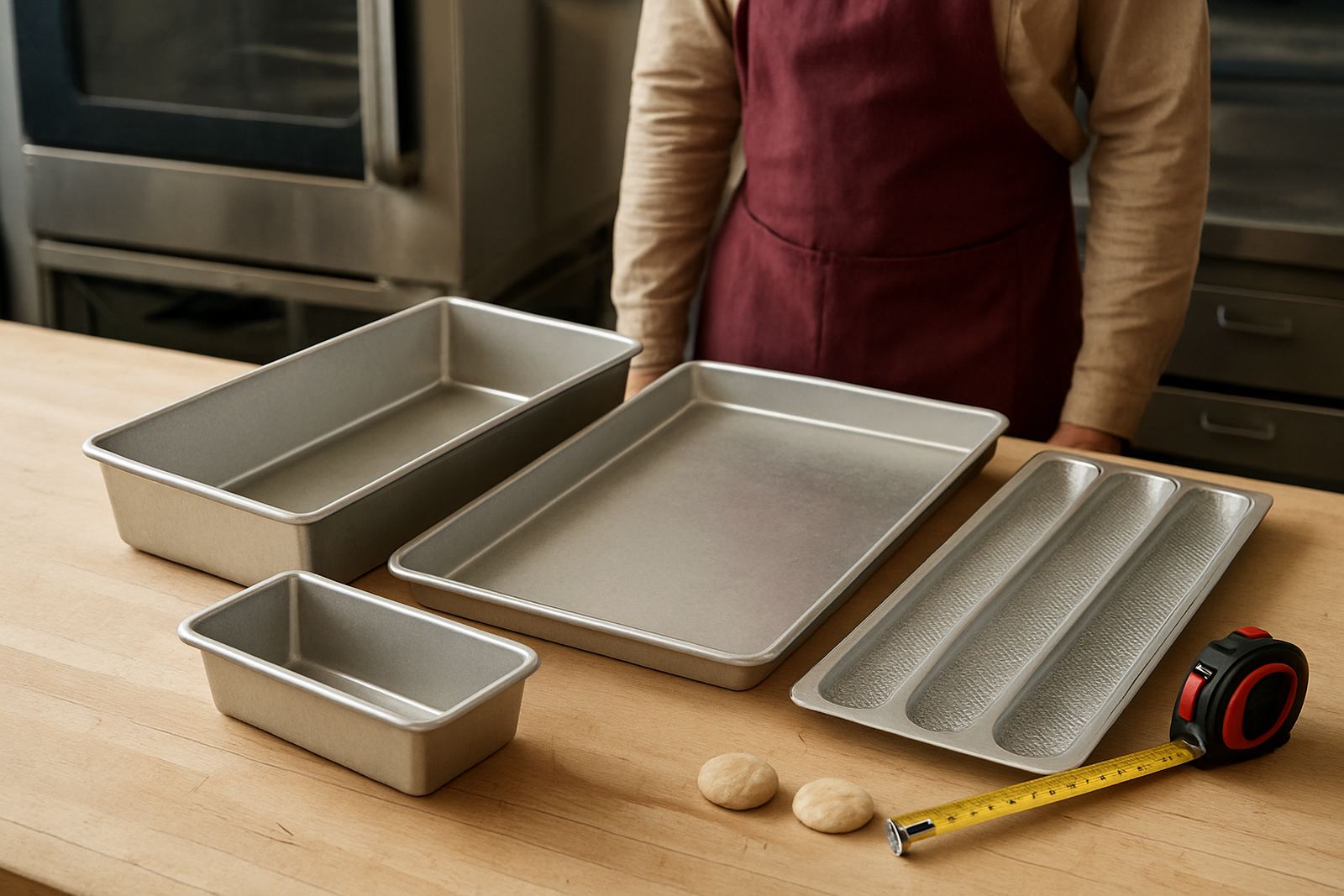
Size matching is the process of making bread pans, lids, baking trays, perforated trays and baguette trays to your measurements, instead of forcing a near fit. We work from your internal oven clearances, rack spacing, loaf weight, dough expansion and handling method so the finished bakeware sits properly in the line and holds up during daily use. That matters in Gauteng bakeries where production changes often, and one bad millimetre can mean sticking, uneven colour or wasted space on the trolley.
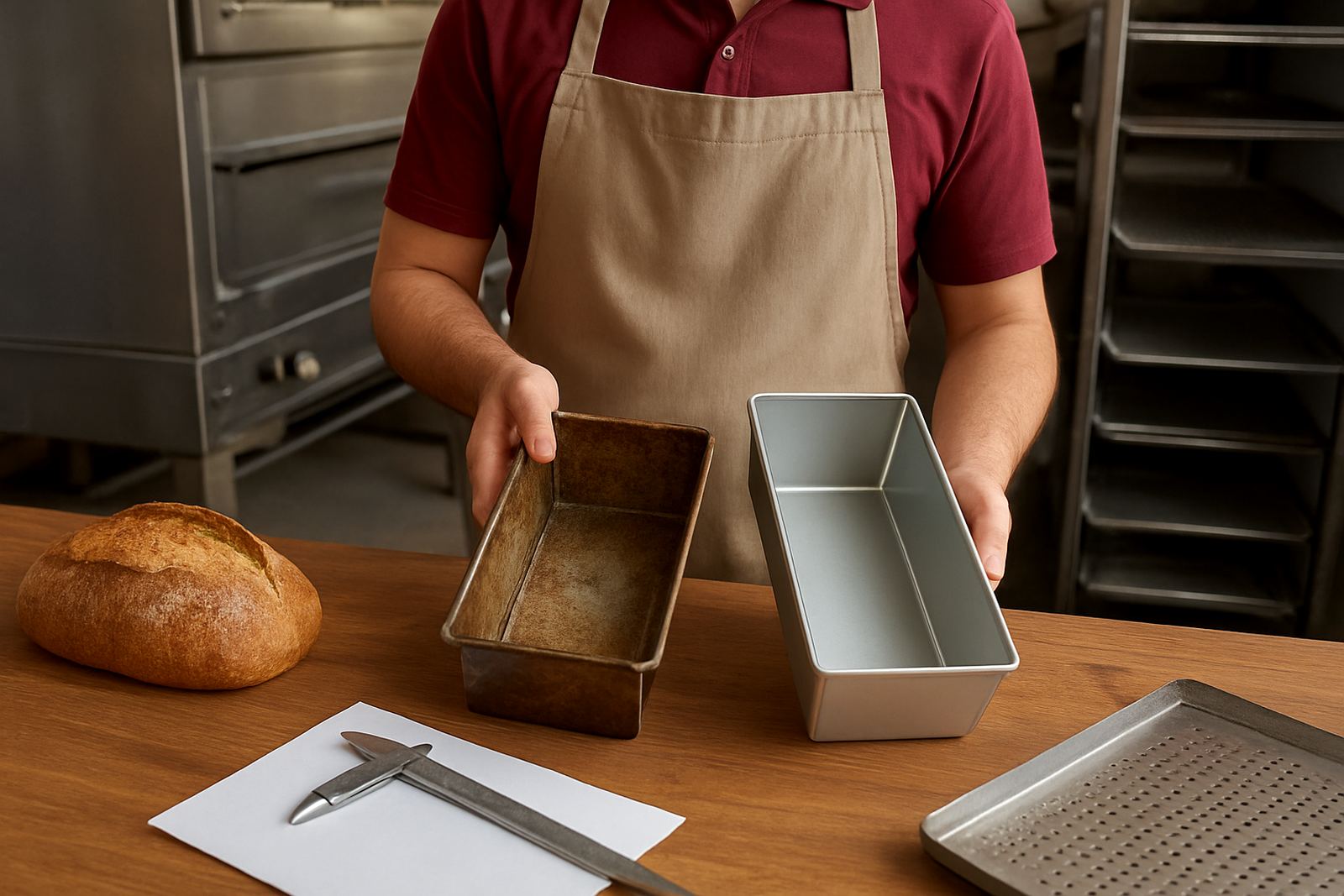
We supply mild-steel bakeware in common and custom sizes, with folded edges, welded corners and formed lips where needed. If you are replacing old pans from a discontinued set, we can measure from a sample, match the profile, and build a new run that suits your process. For bakeries dealing with load-shedding and stop-start production, correct fit also helps with handling because trays move cleaner from prep to oven and back again.
- Standard and custom bread pans with matching lids
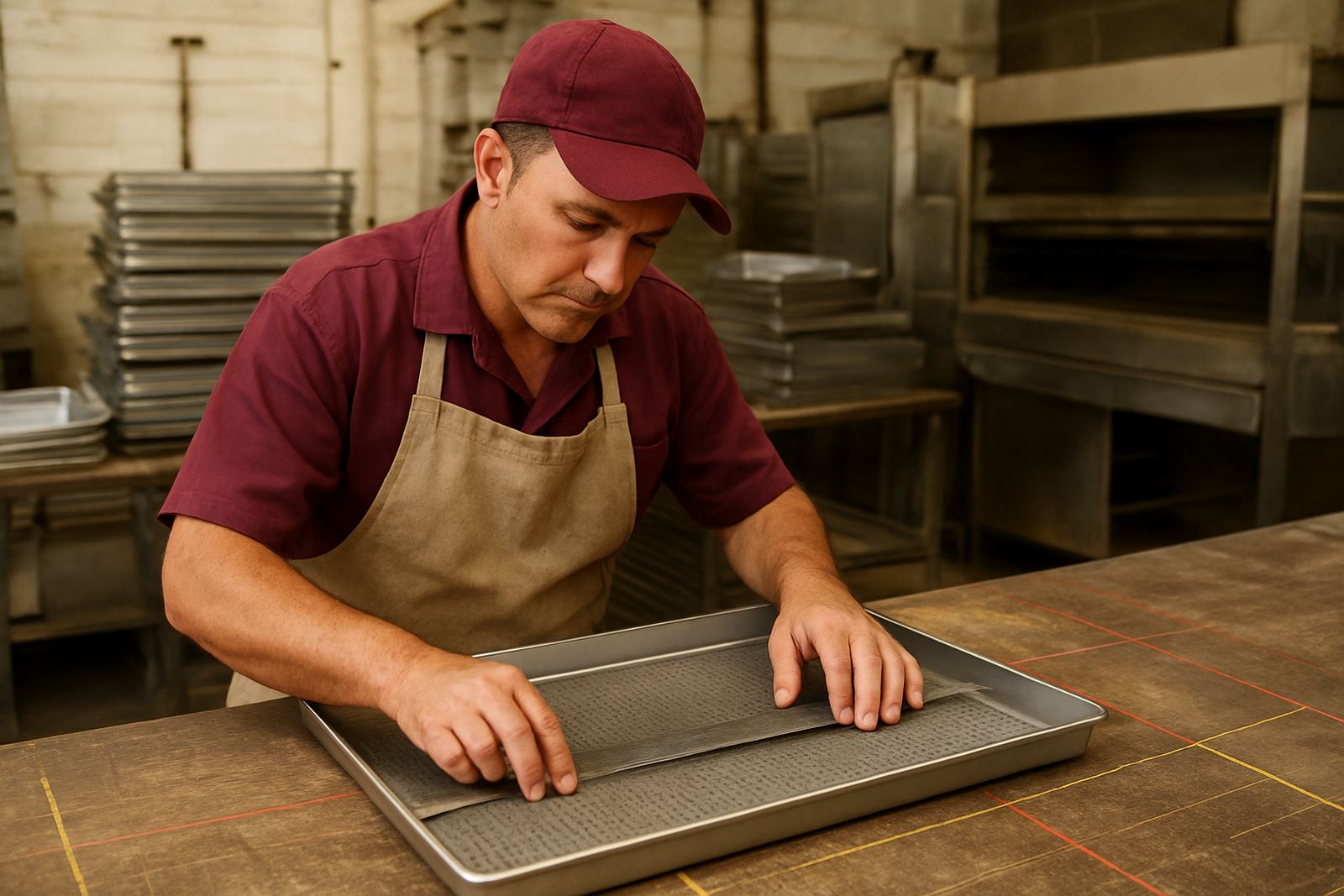
- Perforated trays for airflow and faster bake release
- Baguette trays formed to loaf length and flute spacing
- Heavy gauge options for higher duty cycles
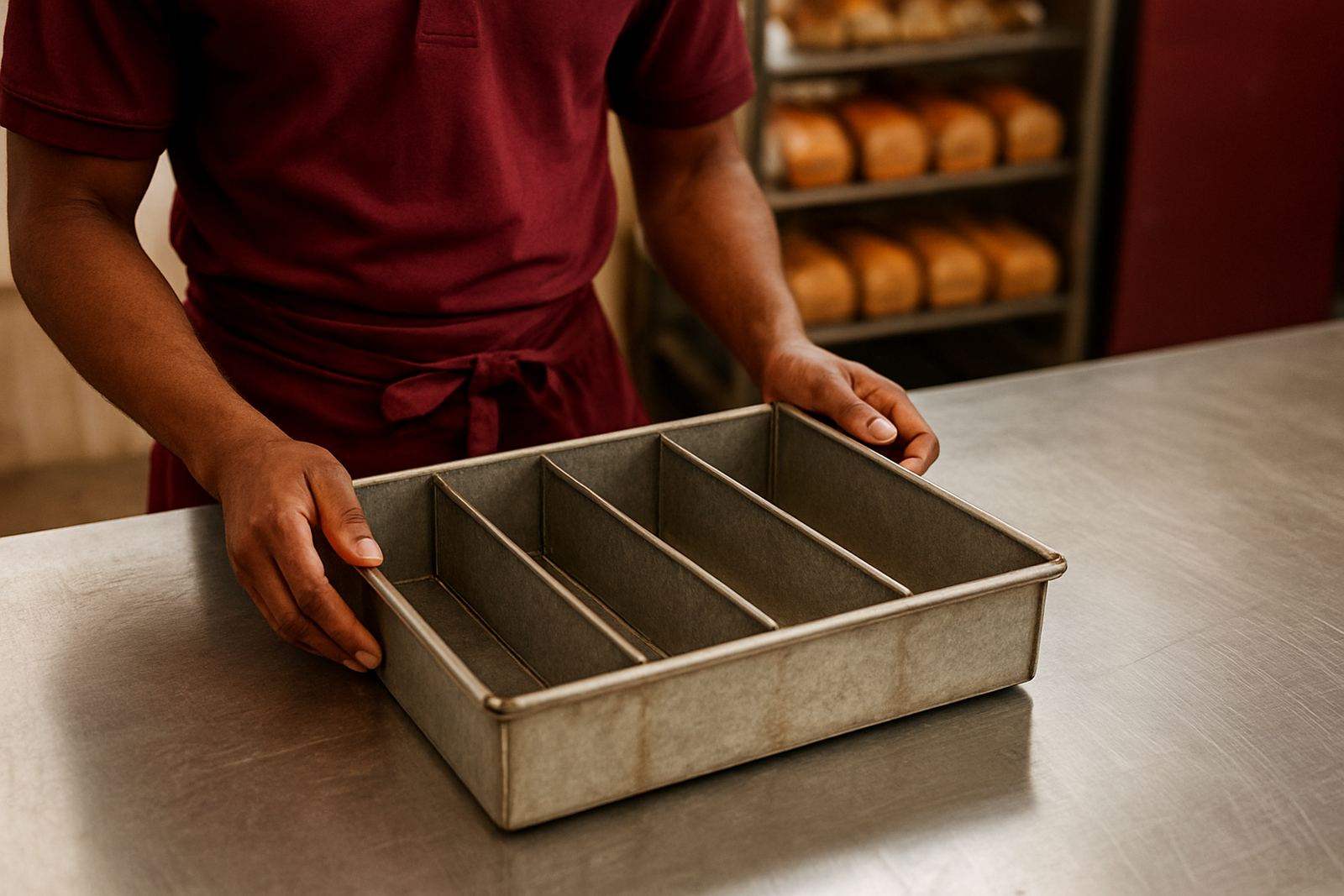
- Divider inserts for multi-loaf layouts and batch consistency
What we need from you before we cut metal
To get the dimensions right, we normally work from a sample pan, a sketch, or clear measurements taken off the oven rack and the product itself. If you are in Johannesburg South or nearby, we can discuss the job at the factory. For outlying areas, you can send measurements by email and we will confirm the tolerances before production starts. We prefer exact inside measurements, plus any must-have details such as rim depth, lid overlap, wall angle and whether the pan needs to nest for storage.
Useful information includes loaf size, target finished weight, oven type, tray pitch, and whether the bakeware must suit manual handling or mechanical loading. If your current pans buckle near the corners or rust too quickly, tell us about the steel thickness and washing routine. We will then recommend a practical build, not an overcomplicated one that costs more without lasting longer.
- Inside length, width and depth in millimetres
- Required lid fit, if a lid is part of the set
- Oven rack or trolley spacing
- Preferred gauge for daily use
- Photo of the current pan or tray, if available
How the size matching job moves through our workshop
Once we have your measurements, we confirm the build details and place the order into production. The workshop team checks the forming method, cut list and fold allowance before any metal is bent or perforated. That keeps the finished item square and consistent across the batch. For repeat orders, we keep the approved dimensions on file so the next run is quicker and less expensive to process.
The normal sequence is straightforward: measure, confirm, cut, form, weld or fold, fit check, then dispatch. If the job needs a prototype, we make one sample first and test the fit before running the full batch. This is useful for bakeries with older ovens where the usable area is not exactly the same from one machine to another, or where the space around the rack is tight and a few mm can make all the difference.
- Send dimensions or a sample pan
- We confirm the size, gauge and layout
- Prototype run if needed
- Production and fit check
- Collection or dispatch from Alrode
Turnaround times and pricing approach
Turnaround depends on the quantity, complexity and current workshop load. Simple replacement pans or trays are usually quicker than jobs with lids, inserts or perforation patterns. For Gauteng clients, we often work to practical batch dates so reorders can be grouped and dispatch planned without disrupting production. If the job is urgent, tell us upfront and we will advise whether it can be fitted into the queue.
Pricing is based on size, gauge, metal type, forming time and finishing details. A plain standard pan costs less than a heavy gauge build with a matching lid, reinforced corners and extra handling folds. We quote clearly on the full job, so you can compare the cost of one custom batch against repeated replacements of flimsy tins. For bakeries watching margins closely, that usually gives a fairer picture over 12 to 24 months.
- Small replacement runs are quoted separately
- Larger batch reorders can reduce unit cost
- Prototype work is priced before production starts
- Delivery can be arranged to nearby industrial areas
Sizing choices that affect wear and cleaning
The right dimensions are only part of the job. Wall height, fold style, corner shape and steel gauge all affect how the pan performs after hundreds of bake cycles. In humid areas or where wash-down is frequent, a cleaner fold and proper drying routine help prevent early rust. If the site uses strong detergents or leaves tins stacked wet, we will suggest a build that is easier to maintain and less likely to distort under heat.
Perforated trays need careful spacing so airflow helps the product without weakening the structure. Baguette trays need enough support under the flutes to stop sagging and keep the bake even. For bread pans, a lid that fits too tight can trap steam and make removal hard, while a lid that is too loose will not hold shape properly. We balance all of this to suit real bakery conditions, not ideal lab conditions.
- Typical bread pan gauge: 0.8 mm to 1.2 mm depending on duty
- Tray depths commonly made to suit 1 loaf, 2 loaf or custom layouts
- Perforation pattern set for airflow and strength
- Optional reinforced edges for heavier daily use
Maintenance intervals for longer service life
Well-made bakeware lasts longer when it is checked on a routine basis. We suggest a quick inspection every month for edge wear, warping, loose corners and rust spots, especially where pans are stacked tightly or washed in bulk. A more careful review every three to six months helps catch small faults before they start affecting output. If a bakery runs early mornings and night shifts, the check should be tied to a fixed cleaning day so it does not get skipped.
Keep tins dry after washing, avoid metal scrapers on coated or seasoned surfaces, and do not overfill dough beyond the designed capacity. If a pan starts to catch at one end or a lid no longer seats cleanly, send the sample back for measurement and repair advice. In many cases, a replacement batch is more cost effective than patching worn sets one by one.
- Monthly visual inspection
- 3 to 6 month full fit check
- Immediate review after warping or denting
- Batch replacement when wear becomes uneven
Key facts
| Material | Mild steel bakeware with formed folds and welded or joined corners where required |
|---|---|
| Common products | Bread pans, lids, baking trays, perforated trays, baguette trays and divider inserts |
| Size range | Made to your required internal dimensions and oven fit |
| Gauge options | Standard and heavy gauge builds available |
| Turnaround | Depends on quantity, complexity and current workshop schedule |
| Base area | Alrode, Johannesburg South, serving Gauteng and nearby industrial areas |