Boksburg bakery brief for shaped long loaves
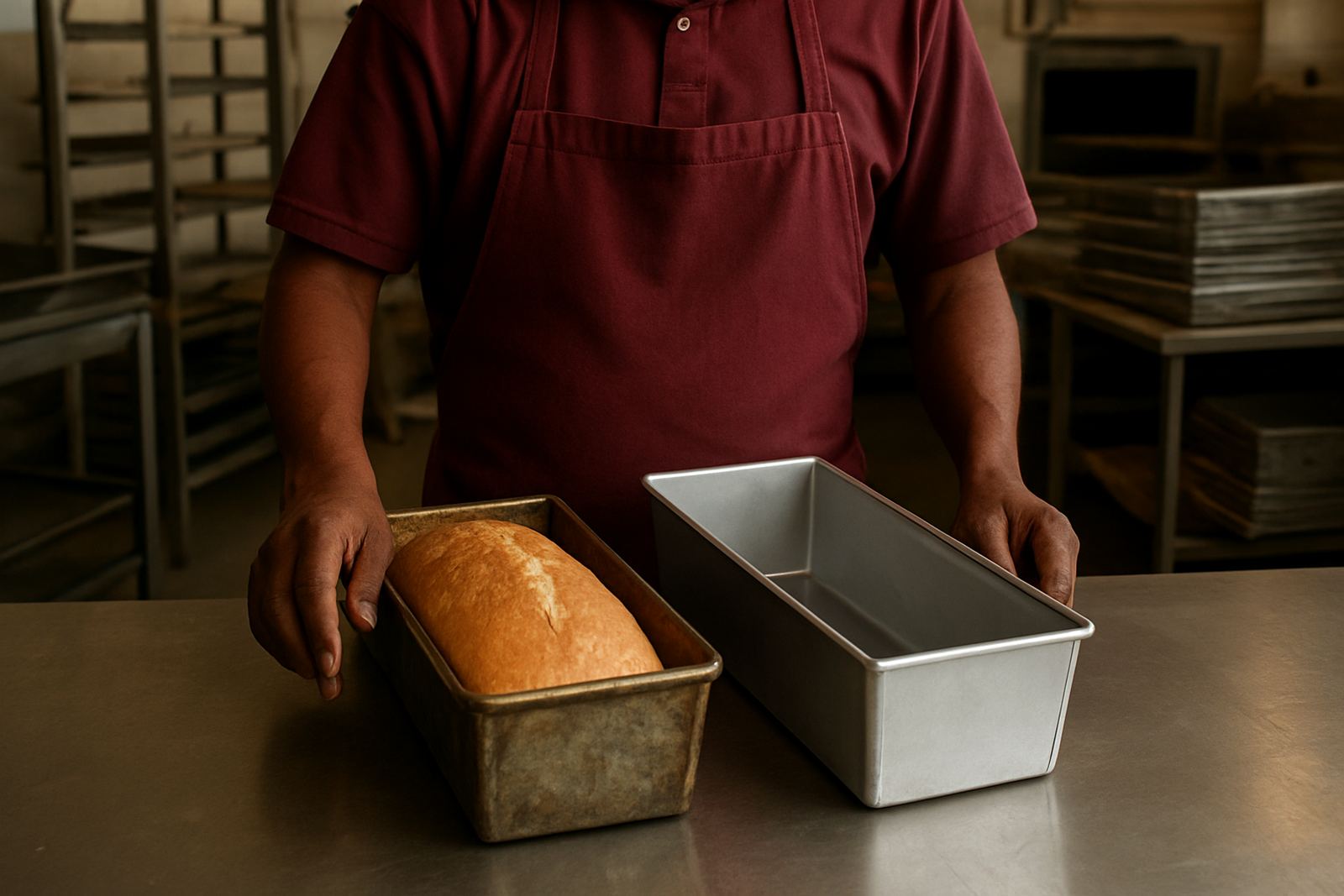
The order came from a bakery in Boksburg that was already running standard bread production and wanted to add baguette style loaves without upsetting the rest of the line. The team needed trays that would keep the dough upright, stop side spread, and fit the handling method they already used on site. They were looking for a practical tray that could go from make-up to proofing to oven loading with as little fuss as possible.
The brief was clear. The trays had to suit shaped long loaves, allow good airflow, and hold up to daily use in a busy Gauteng bakery where time matters and equipment gets moved around often. The bakery also wanted something that could be repeated later if the range grew, so we kept the pattern and dimensions easy to copy for batch reorders.
Measurements, tray layout and build choices
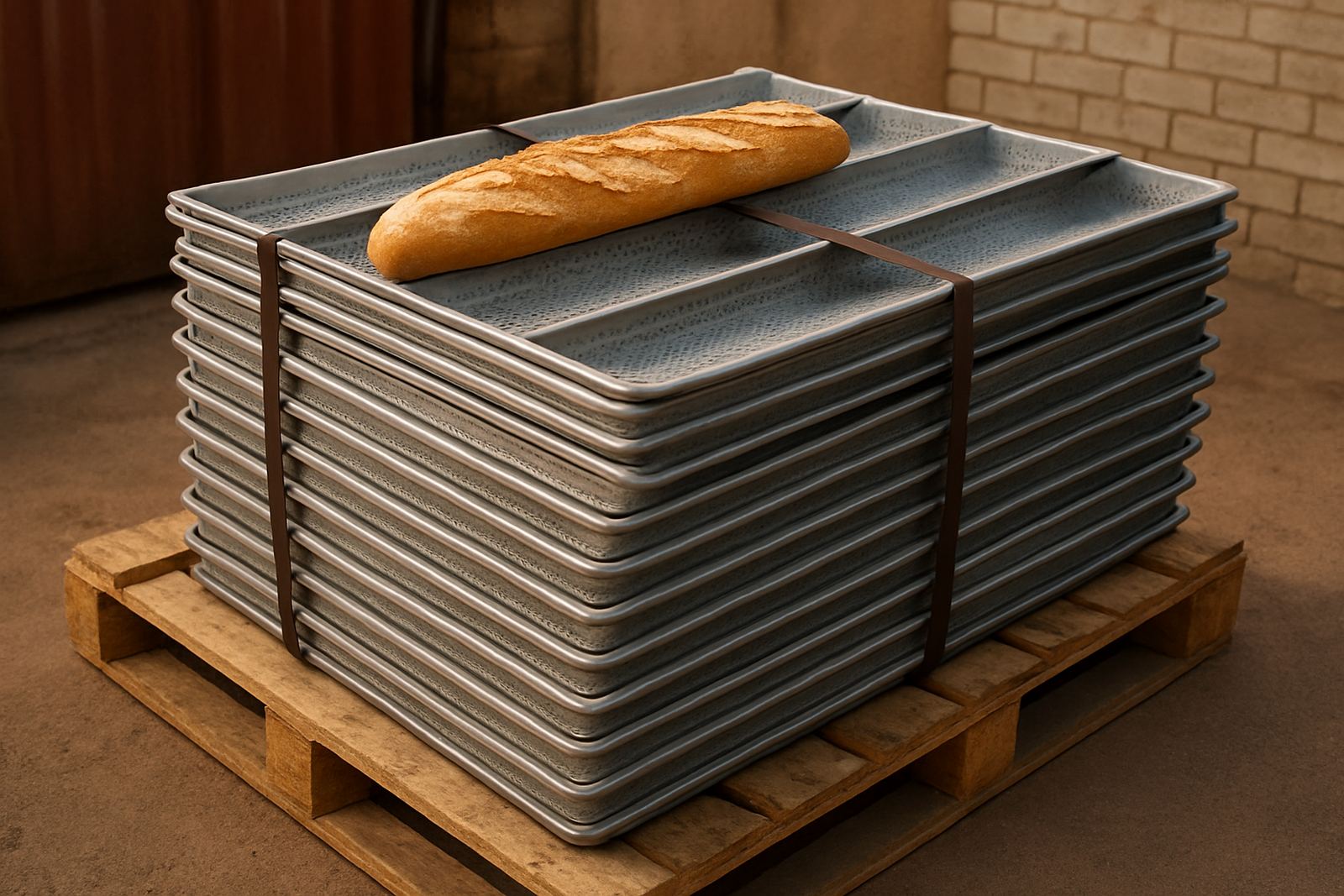
We started by matching the tray size to the bakery’s oven shelves and their preferred loaf length. That matters more than people think, because if the tray is a few millimetres off it can waste oven space or cause handling issues. In this case we worked around a long loaf format, with formed channels that support the dough and keep each piece separated during proofing. The tray pattern was set out for steady airflow underneath, which helps with colour and base finish.
- Mild-steel construction for regular bakery use
- Perforated base for airflow and better bake through
- Formed channels for baguette style loaves
- Tray size matched to existing oven racks
- Spacing set for clean removal and consistent shape
We also kept the edges and handling points simple, because the trays would be used by staff wearing gloves and moving between prep, proofing and oven areas. In a bakery environment, especially when load-shedding affects the rhythm of the day, simple handling is worth a lot. Less fiddly parts means less damage over time, and fewer trays standing around waiting to be sorted.
What we supplied and how it was made
We supplied custom baguette trays made in mild steel with perforation where needed for heat movement and base dryness. The forming was done to suit the loaf profile the baker wanted, so the dough sat neatly in each channel without rolling or flattening out. The build had enough weight to stay stable during loading, but was still practical for day to day handling by the bakery crew.
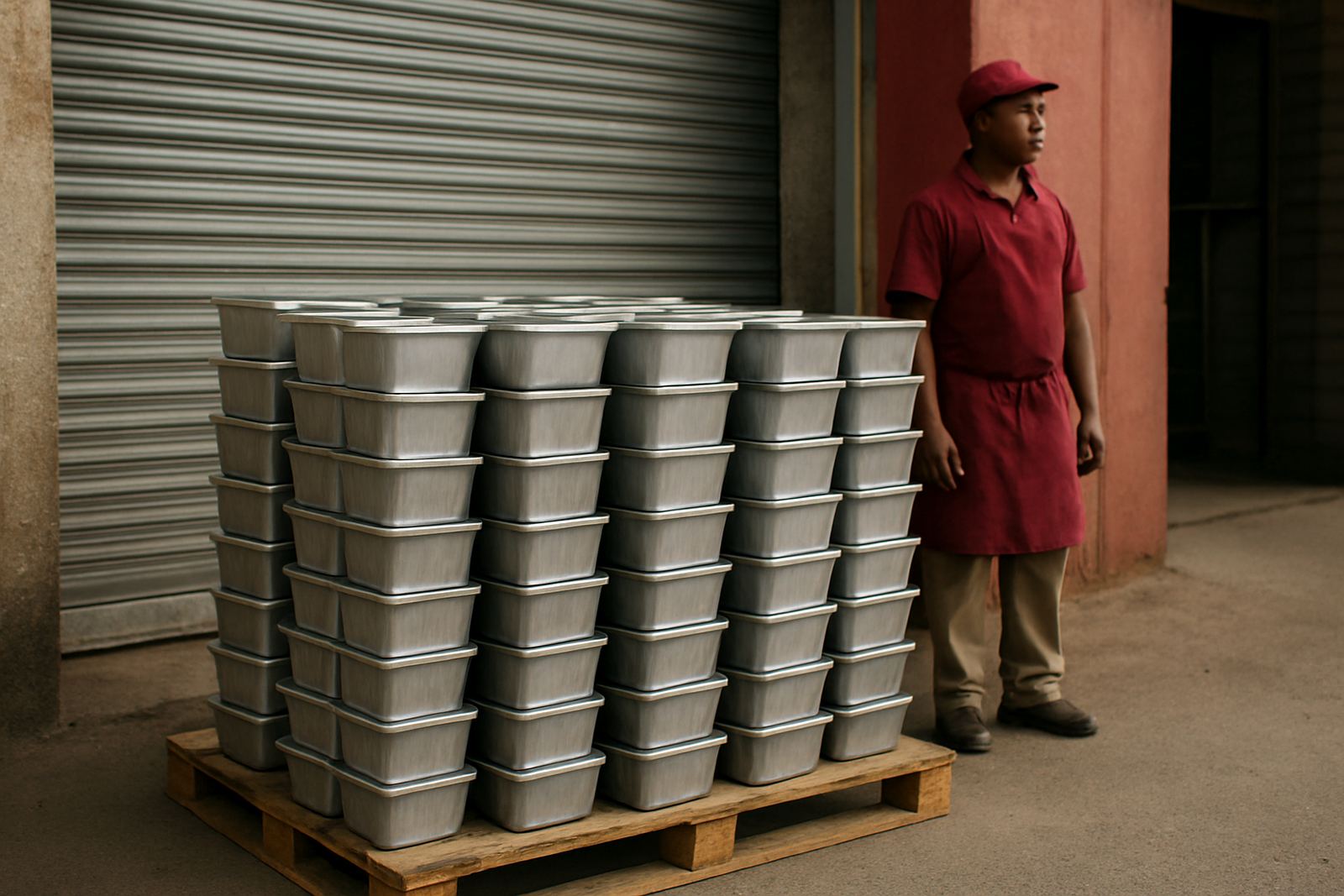
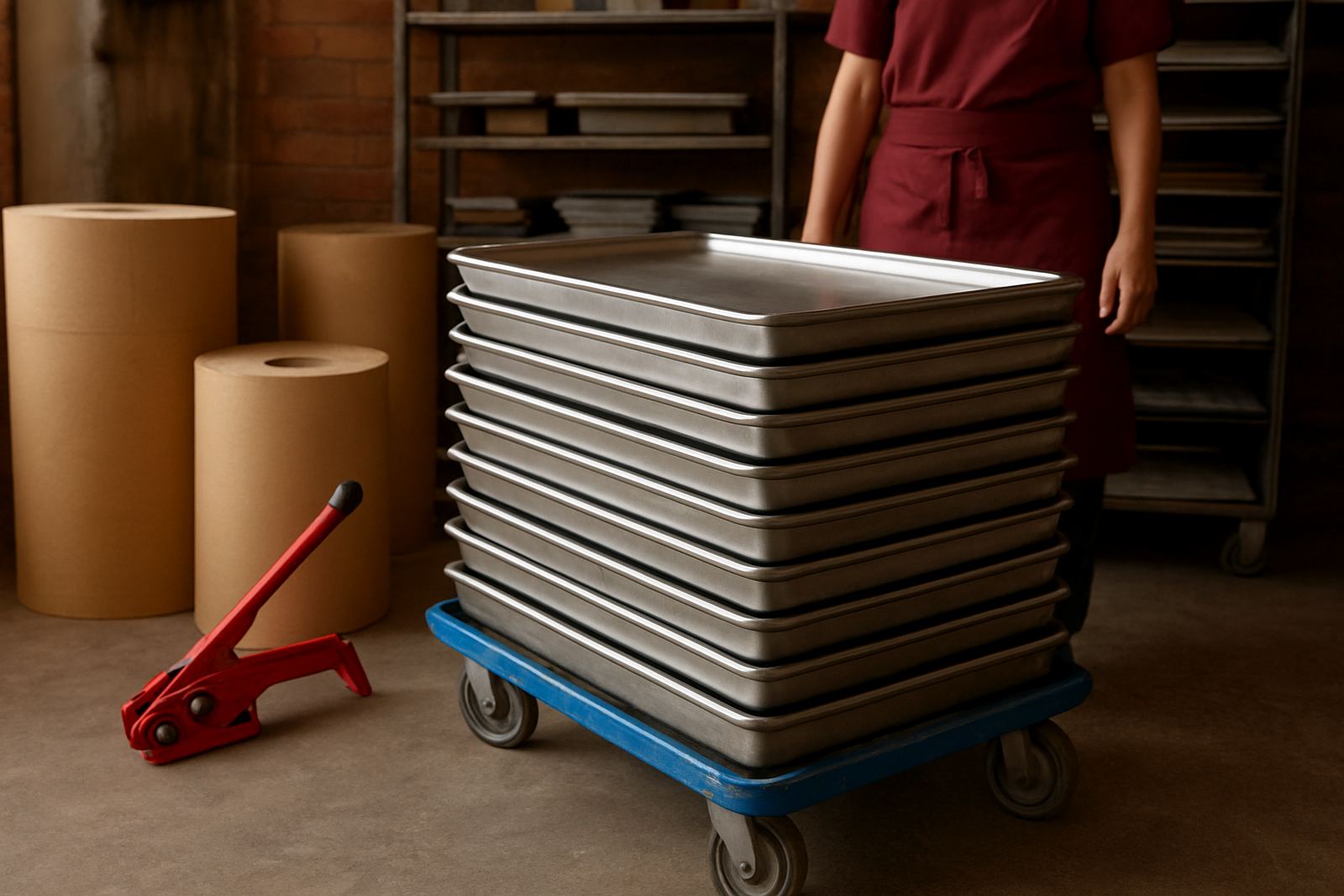
Our production team checked the set before dispatch, including spacing, fit, and finish. We were careful on the corners and edge folding so the trays would not snag liners or tear gloves. The dispatch side packed the order for transport to Boksburg so the trays arrived ready for use, not needing trimming or site adjustment. That saved the bakery time and a bit of back-and-forth on the first day.
- Custom baguette tray fabrication
- Perforated sections for improved air movement
- Channel formation for shaped long loaves
- Dispatch ready packaging for local delivery
Timing from first chat to first bake
This project ran over a short practical timeline of three weeks from initial measurement and specification through to completed trays. Week one was the brief, sizing and confirmation of the oven layout. Week two covered fabrication and forming, with checks on tray consistency. Week three was final review, packing and delivery to Boksburg.
That timeline suited the bakery because they wanted to trial the new loaf range without holding up the rest of their production schedule. We kept communication direct, with clear feedback on what was possible and what would need a small adjustment if the bakery changed loaf weight later on. The order moved along without drama, which is often the best sign on a small custom run.
Results on the bakery floor in Boksburg
The trays gave the bakery a practical way to start the baguette range with less trial and error. The shaped channels helped the dough hold form, and the perforation supported a cleaner bake on the base. The staff also found the trays easier to stack and move than a loose, improvised setup, so there was less handling time before and after baking.
For the client, the main result was consistency. Loaves came out with more even spacing and a more regular profile, which matters when a bakery is trying to sell by appearance as much as by taste. The trays also gave the bakery a pattern they can repeat later if the order grows, so it is not a one-off fix. That gives them a better starting point for batching and reordering down the line.
What we would repeat for the next order
If we were doing the same job again for another bakery in Boksburg or Germiston, we would follow the same approach: measure the oven first, confirm loaf length second, then build the tray around actual use rather than a guess. That is the best way to avoid wasted steel and awkward loading. We would also keep the perforation pattern matched to the dough type, because a wetter dough behaves differently from a firmer mix, and the tray should suit the product not the other way round.
For bakeries adding new lines, we often recommend a small test batch before a bigger reorder. It helps confirm whether the loaf release, colour and base finish are where they should be. If the bakery wants divider inserts, heavier gauge construction, or matching lids for related bakeware, we can build around that too. The point is to keep the equipment useful in a working bakery, not just neat on paper.
- Confirm rack size before confirming tray size
- Match perforation to dough moisture and bake time
- Keep repeat orders simple by storing the final pattern
- Allow for bakery handling and cleaning routines
Key facts
| Project | Boksburg baguette tray order |
|---|---|
| Client type | Independent bakery |
| Town | Boksburg, Gauteng |
| Product supplied | Custom mild-steel baguette trays |
| Core features | Perforated base and formed loaf channels |
| Timeline | 3 weeks from brief to delivery |