What the Roodepoort bakery needed
The client was a busy bakery and snack producer in Roodepoort serving walk-in trade, school orders, and local resellers. Their old trays had reached the point where sheet edges were twisting, the base was uneven, and a few trays were no longer stacking properly which slowed down prep during the morning shift.
The brief was simple on paper but particular in practice. They wanted sheet trays that could carry mixed product weights, move through proving and baking without bending, and cool down fast enough for quick turnover on a tight schedule. Because they run different products on the same line, the trays also had to be easy to clean between sweet and savoury bakes.
- Mixed bread and snack production on shared tray runs
- Frequent oven loading and unloading during peak hours
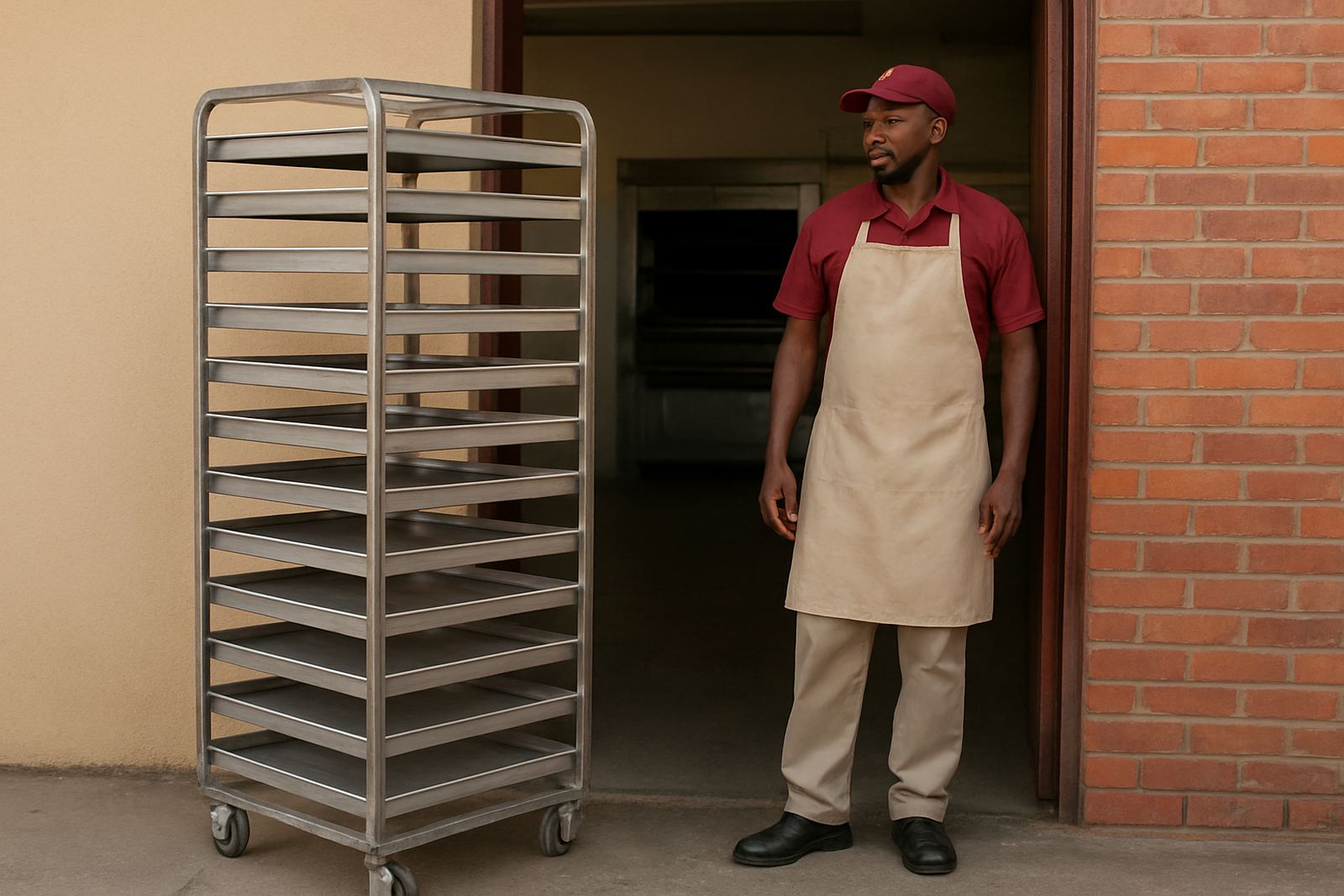
- Space limits in proofing racks and cooling trolleys
- Need for consistent tray size across the whole batch
Site conditions and production constraints
Roodepoort bakeries often deal with a few practical pressure points, especially when the ovens are running early and the morning rush starts before load-shedding updates settle. In this case the client needed trays that would keep their shape even when the oven was cycling on and off and temperatures were not perfectly steady.
There was also the matter of handling. The team wanted a tray that could be lifted comfortably on full racks, stacked without catching on the lip, and cleaned with ordinary bakery detergents. Their prep area is not large, so every millimetre matters when trays are stored, washed, and turned around for the next bake.
We also took note of the local environment. Roodepoort can be dry but trays still see moisture from dough, steam, and wash-downs, so the finish and fold lines had to be neat. Any rough edge would catch cloths, gloves or product, and that was not acceptable for a daily working tray.
- Even tray flatness for repeat baking results
- Safe folded edges for handling and stacking
- Cleanable surface for bread dough and snack oils
- Suitable for high-frequency use in a working bakery
Tray specification and build details
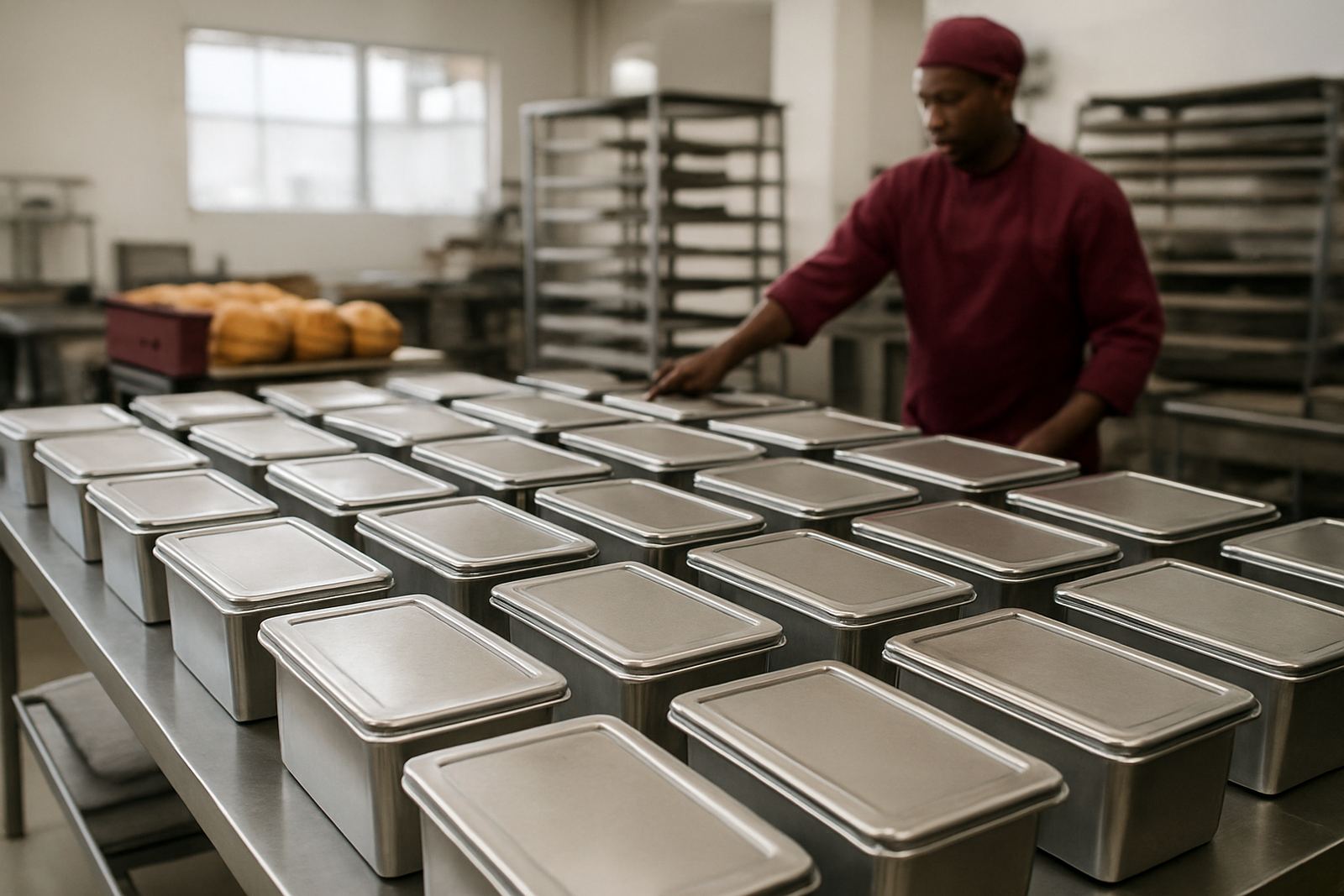
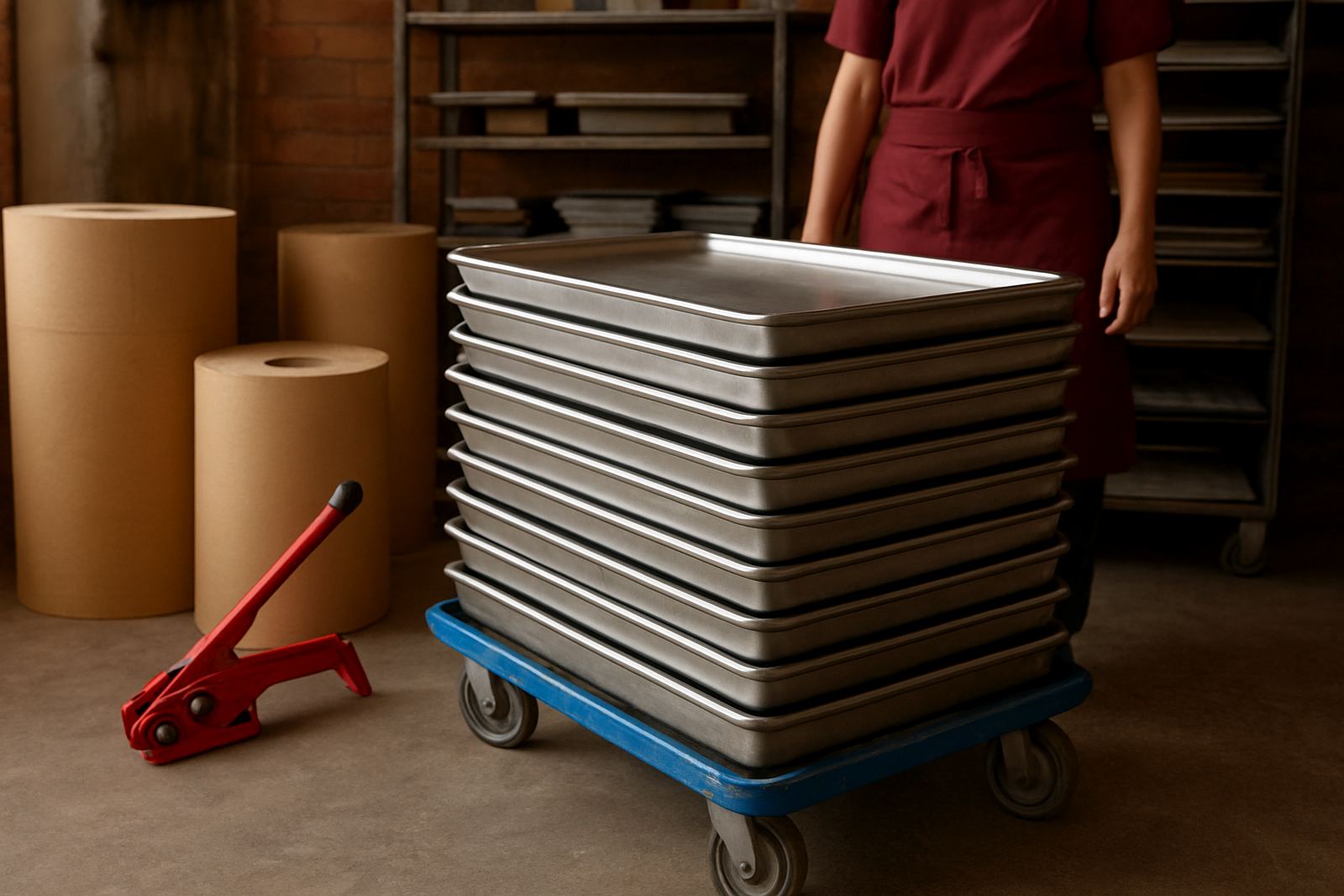
We supplied heavy-duty sheet trays made for repeated bakery use, with a practical sheet size that suited both bread lines and snack finishing. The trays were formed from mild steel with a durable bakeware finish and reinforced to reduce flex during loading. The client asked for a stronger-than-standard build, so we moved to a heavier gauge and kept the tray profile neat for stacking.
The tray depth and edge return were set to keep product secure without trapping crumbs or oil in awkward corners. We also checked the corners for symmetry so the trays would sit properly in their racks and oven rails. That part sounds small but it saves time every single day and stops the team from forcing a tray into a space it should not be in.
For this project, the finish had to work in a bakery setting where trays are washed often and dried quickly before the next shift. We kept the surface practical for release and easy wipe-downs, with no overdone detailing. The result was a straightforward working tray, not fancy just fit for the job.
- Heavy-duty mild steel construction
- Reinforced tray edges for better rigidity
- Consistent sizing for rack and oven compatibility
- Suitable for repeated wash and dry cycles
How we handled the order from first call to delivery
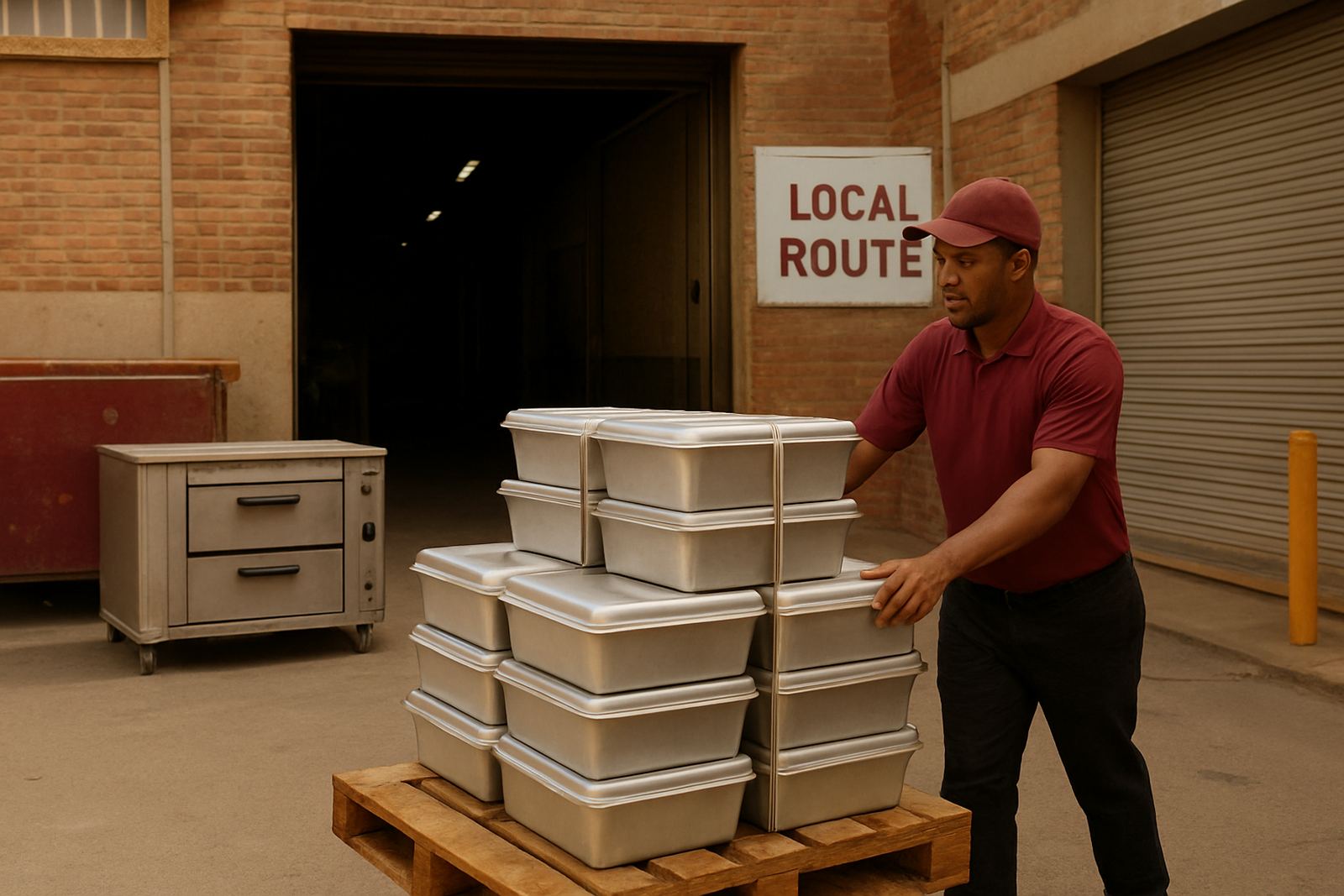
The order moved from first measurement to delivery in three weeks. Week one covered size confirmation, product use, and checking the rack dimensions at the bakery. Week two was fabrication and finish work. Week three was final inspection, packing, and delivery to Roodepoort.
The client already had a standard tray footprint in mind, but we still checked the details against their current ovens and stacking trolleys. That avoided any surprises once the trays arrived on site. We also made sure the batch count matched their production plan so they could replace trays in stages instead of stopping a full shift.
During the process we kept the communication practical. No long back-and-forth, just clear notes on tray size, gauge, edge form, and delivery timing. That kept the order moving and gave the bakery enough time to plan stock around the new trays.
- Week 1: measurements and production checks
- Week 2: fabrication and finish work
- Week 3: inspection, packing, and delivery
- Batch count set to suit phased replacement
What changed on the bakery floor
Once the trays went into service, the team noticed that loading was quicker because the trays sat straighter in the racks and did not snag during movement. The improved tray stiffness also meant less wobble when the racks were being wheeled from prep to oven and back again.
Product presentation improved too. Bread items sat more evenly across the tray surface, while snack items baked with less shifting at the edges. The cleaner stackability helped in the wash area and reduced the usual small delays caused by bent trays catching on each other. One of the supervisors told us the line felt calmer on the morning shift because the trays were doing their job without fuss.
From our side, the best result was that the bakery now has a repeatable tray format they can reorder from, which helps with planning and spare stock. If they need more later, we already have the sizing record and build notes on file.
- Better rack fit and easier handling
- Less flex under heavier bread loads
- Smoother stacking after wash-down
- Repeatable specs kept for future batch reorders
What we would do again for a similar Roodepoort job
For a similar Roodepoort bakery, we would follow the same process again: check the rack spacing first, confirm the oven footprint, and build the tray around the actual production flow rather than guessing from a catalogue size. That saves time later and avoids trays that are almost right but not quite.
We would also keep the finish practical and the gauge honest. In bakery work, a tray that looks neat but bends under daily use is a false saving. It is better to build once and have the tray hold its shape through years of service, especially in a business that runs early mornings, power interruptions, and quick turnarounds.
If the client decides to expand product lines, we can copy the existing pan style, match lids where needed, or make related tray formats for other products. The value is in keeping the whole set consistent so the bakery can work faster without changing its handling routine.
Key facts
| Project | Roodepoort sheet trays for mixed bread and snack production |
|---|---|
| Client type | Independent bakery and snack producer |
| Location | Roodepoort, Gauteng |
| Build | Heavy-duty mild steel sheet trays |
| Timeline | 3 weeks from measure-up to delivery |
| Key result | Improved tray rigidity, stacking, and rack fit |