What the Lenasia plant needed from its rusk pans
The client was a packaged dry-bake producer in Lenasia, south of Johannesburg, supplying rusk products into local retail and wholesale channels. Their output had grown to the point where the old pans were slowing tray turnaround and causing uneven bake colour between trays, especially on heavier morning runs.
The brief was clear. They needed rusk pans that would hold shape under heat, release product cleanly after baking, and fit their existing rack system without forcing changes to the ovens. Because the plant runs in shifts and works around load-shedding windows, the pans also had to stand up to frequent handling, stacking and re-use. A light-gauge pan that flexed on transfer would have caused jams at the cooling stage, so we specified a heavier build from the start.
- Location: Lenasia, Gauteng
- Product type: rusk pans for packaged dry-bake production
- Main issue: inconsistent tray performance and poor batch handling
- Priority: repeatable output with faster changeovers
Measurements, fit and build choices we worked to
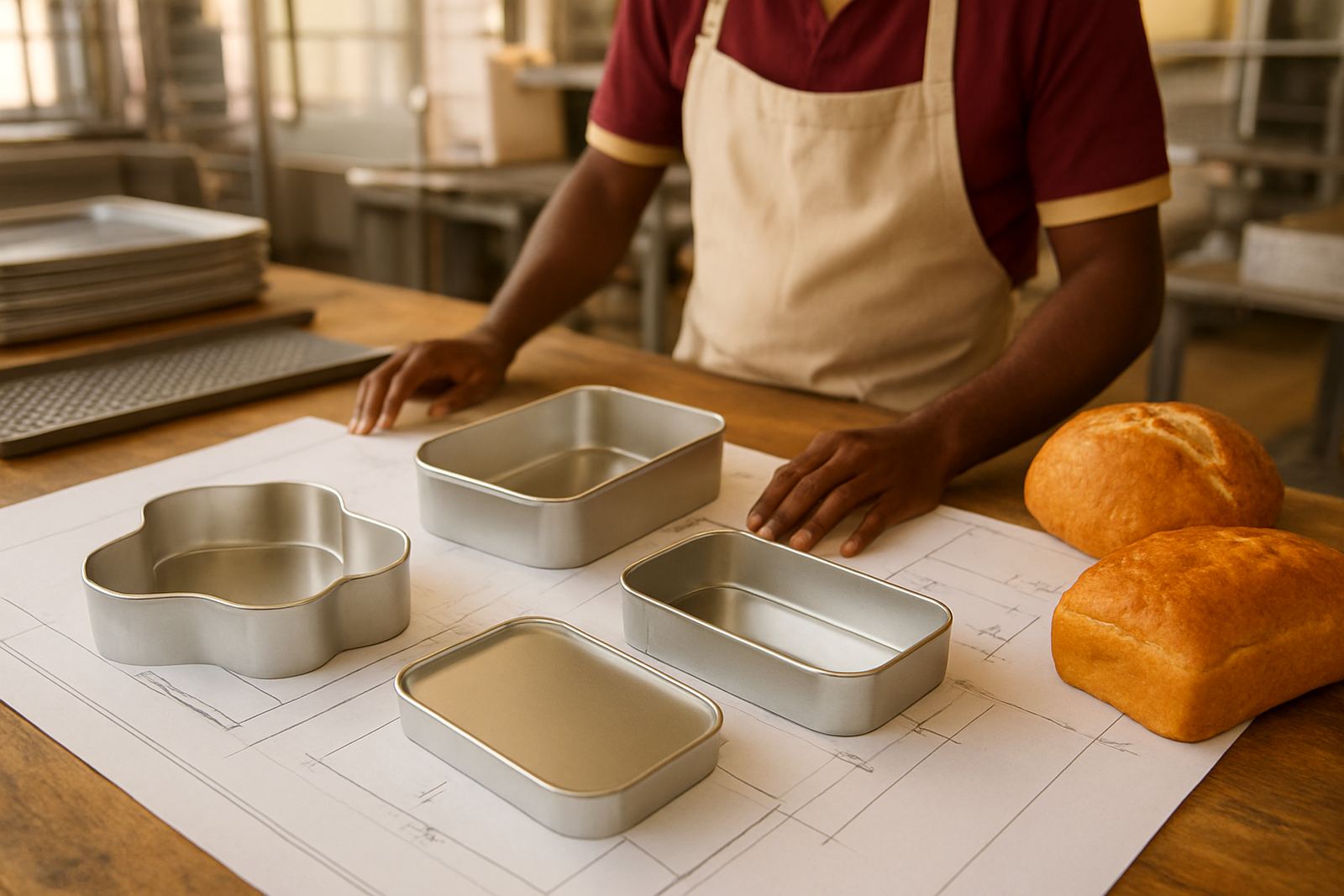
We began with a size matching session using the client’s existing trays and their rack clearances. The factory wanted to keep the current oven loading pattern, so the new pans had to match the working footprint closely enough to slide in and out without catching on side rails or causing hot spots from poor spacing. We also checked corner radii, rim height and stack depth, because those small details make a big difference on a line that is already moving quickly.
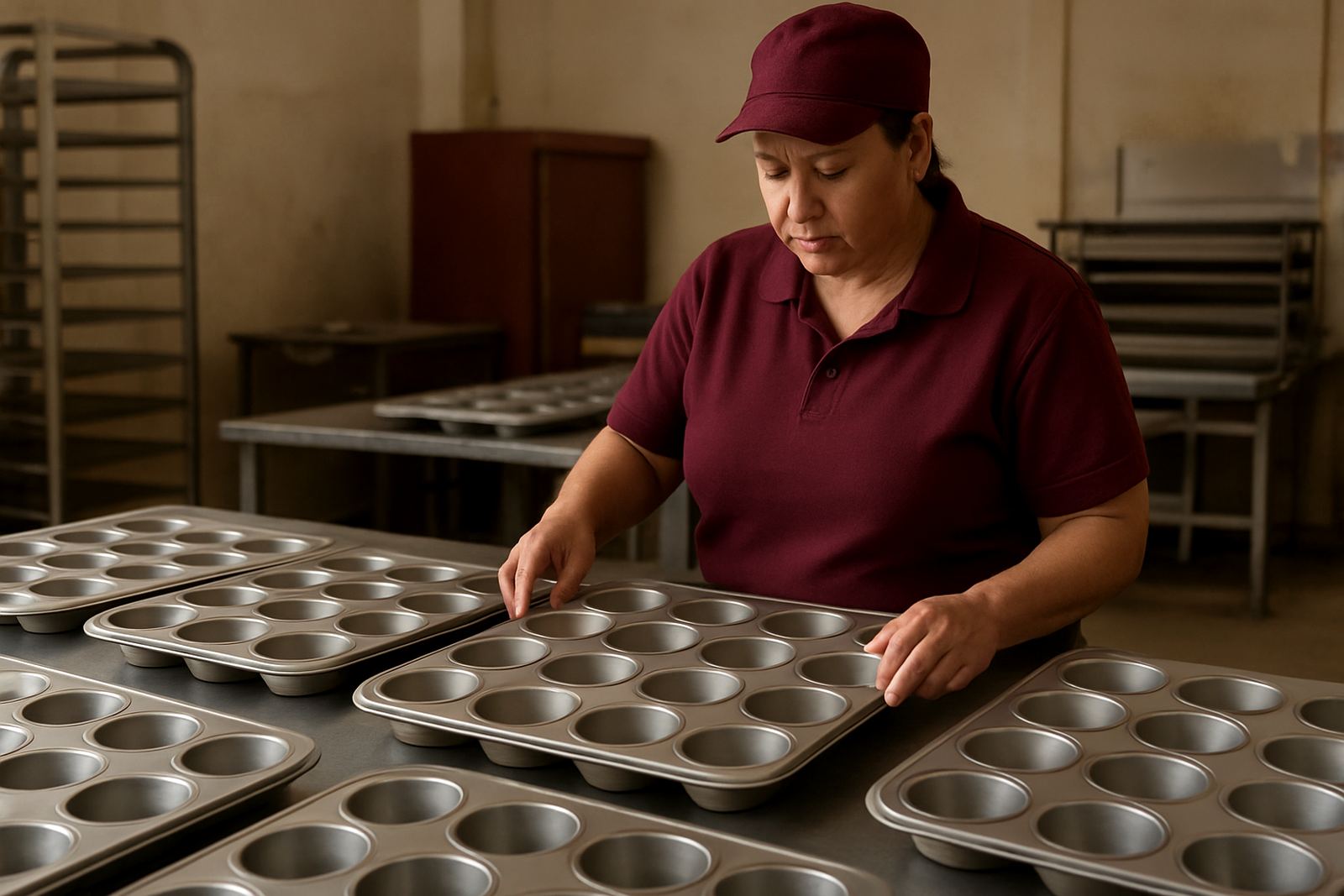
For the build, we used a heavy gauge mild-steel construction suited to repeated baking cycles and frequent wash-downs. The pans were made with a straight, practical finish to help with release and cleaning. Where the client needed better crumb control, we added perforation to selected sections so moisture could move off more evenly during bake. That reduced soft patches and helped the product hold its shape before slicing and packing.
- Heavy gauge mild-steel construction
- Matched to existing rack and oven dimensions
- Perforation added where airflow was needed
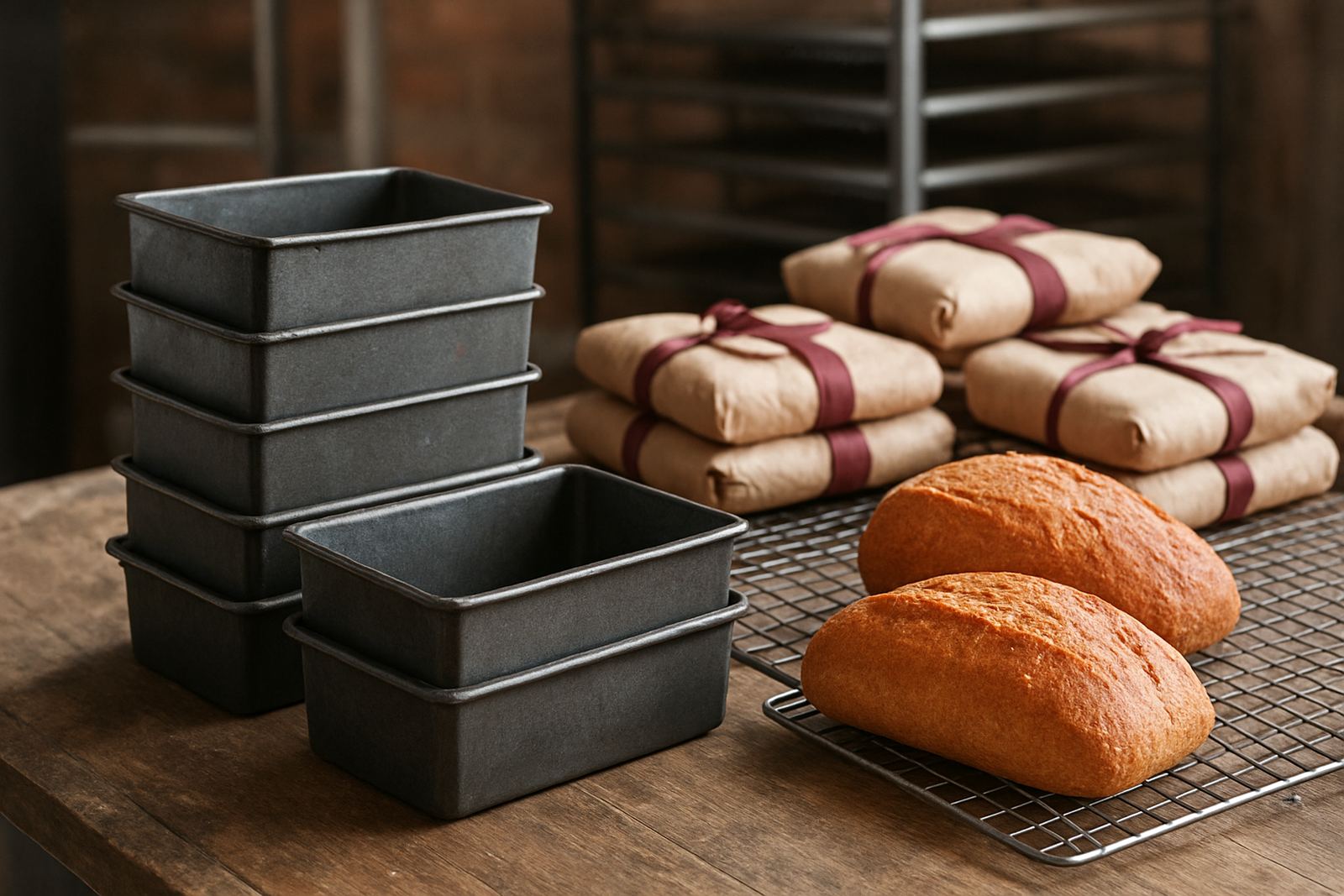
- Stackable profile for easier storage and dispatch
Prototype runs and trial baking in two weeks
The job moved in stages over two weeks. In week one we finalised the measurements, confirmed the pan depth and discussed the handling points with the production team. We then cut and formed a prototype run so the client could test fit on site before we produced the full batch. That saved time, because any small adjustment to flange width or side height could be corrected before the main run.
During the second week the client ran their standard dough mix through the test pans. They were checking more than just fit. They wanted to see how the pans behaved with the oven heat, how quickly the product released, and whether the trays stayed true after repeated use. The trial showed better tray consistency and a neater bake line across the batch. One small adjustment to the lip profile was made after the first test, then the final run was signed off and completed soon after.
- Week 1: measurement, consultation and prototype approval
- Week 2: trial bake, small adjustment, final production
- Total lead time: 2 weeks from sign-off to dispatch
What we supplied for the dry-bake line
We supplied a batch of rusk pans built for daily production rather than occasional use. The client needed a consistent unit count for each oven cycle, so the order was arranged to fit their batch reorders and planned growth. We also advised on lid fitting options for future storage and handling if they expanded to covered cooling or transport between rooms, although the first supply was focused on open pans only.
Along with the pans themselves, we kept the fabrication notes on file so the plant can reorder the same pattern later without starting from zero. That matters when a site in Lenasia is under pressure to keep packing moving while also dealing with electricity cuts, municipal water interruptions or a supplier delay. Having the exact spec on hand means the next run can be copied with no guesswork.
- Rusk pans supplied in the agreed production batch
- Pattern and dimensions recorded for repeat orders
- Optional lid fitting notes kept for future expansion
- Production matched to the client’s packing rhythm
How the pans performed on site in Lenasia
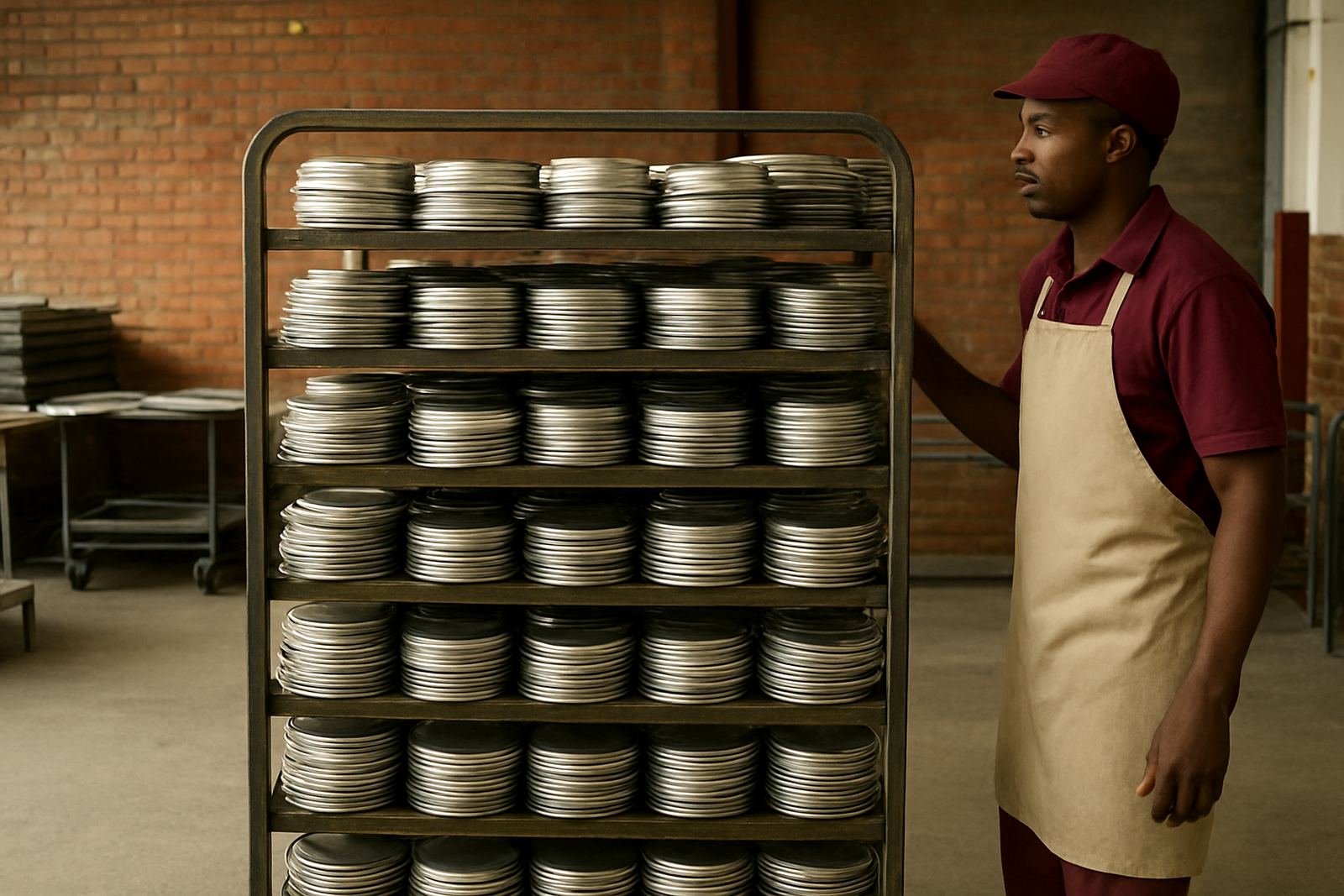
Once the pans were in use, the client reported more even product colour and fewer issues with tray flex when moving hot loads from oven to cooling racks. The heavier build helped the trays stay flat, so product lines remained straighter and the crew spent less time straightening or rejecting damaged pieces. Cleaning also became simpler because the finish did not trap as much residue at the corners and the stack profile made it easier to store clean pans without wasting floor space.
For a producer working in a built-up area like Lenasia, there is no room for unnecessary downtime. Deliveries often have to fit tight loading windows and the production team needs equipment that can be moved, stacked and cleaned without fuss. The new pans gave them a more predictable bake cycle, which helped their packing team plan counts with more confidence. It was a practical fix, not a cosmetic one.
- More even bake colour across batches
- Less tray flex during hot handling
- Cleaner release after bake
- Better stacking and storage between runs
What we would repeat on the next order
If we were doing this job again, we would keep the same approach: start with exact site measurements, run a prototype, and only then commit to the full batch. That method works well for bakeries and dry-bake producers because it avoids expensive rework and keeps the line moving. For any plant in Gauteng, especially where power cuts can compress production into shorter windows, getting the first sample right saves trouble later.
We would also continue to specify the gauge, lip detail and perforation pattern according to how the client actually handles the pans, not just what looks standard on paper. In our experience, that is what separates a tray that survives one season from a tray that keeps earning its place on the floor for years. The Lenasia job proved that a small amount of consultation up front can prevent a lot of handling issues down the line.
- Keep the same measurement-first process
- Use a prototype before the full run
- Match perforation to product moisture and oven flow
- Record the spec for future batch reorders
Key facts
| Client area | Lenasia, Gauteng |
|---|---|
| Project type | Rusk pans for packaged dry-bake output |
| Material | Heavy gauge mild-steel |
| Build features | Perforation, stackable profile, formed lip |
| Timeline | 2 weeks from sign-off to dispatch |
| Service used | Size matching, prototype run, batch reorder setup |