Project brief from Randburg
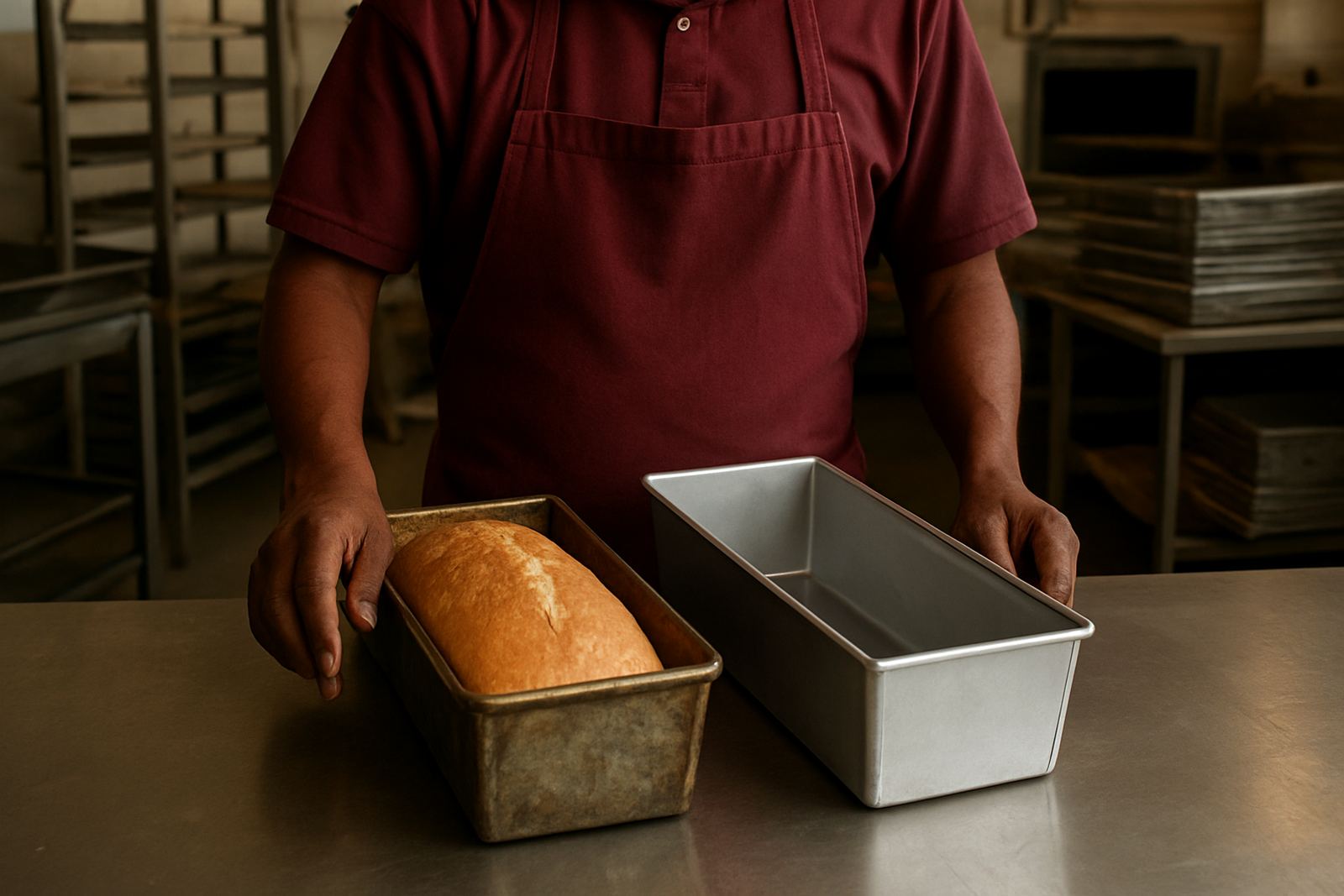
The client was a bakery in Randburg preparing to launch a speciality baked product line for retail counters and pre-orders. They needed tins that matched the size of the new product exactly, because the old stock they tested gave uneven rise, awkward release and too much variation from tin to tin. They also wanted a finish that would work in a commercial oven line without slowing down the team during batch baking.
The brief was clear. Make tins that could cope with daily use, fit standard bakery handling, and keep the product looking the same from the first tray to the last. The bakery also asked for a practical solution that would be easy to reorder later, with measurements recorded properly so they would not have to start from scratch again.
Sizing, material choice and bake shop constraints
Randburg kitchens often run into the same issues we see across Gauteng: limited prep space, mixed oven sizes, load-shedding planning and staff needing tins that stack neatly after washing. In this case, the product had a delicate crumb and a slightly sticky surface, so the tin had to release well without a heavy oiling routine. The client also wanted something that would hold its shape after repeated heating and cooling, especially during busy weekends.
We selected a heavy gauge mild-steel build for a firmer body and better life under daily use. The tins were made with straight, clean sides, consistent depth and folded edges for safer handling. We kept the finish suitable for a bakery environment where trays are washed often, dried quickly and returned to service without fuss. That matters when the power is off and the team is working around the clock to keep stock moving.
- Heavy gauge mild-steel construction for repeat use
- Matched internal dimensions for product consistency
- Stackable form for easier storage and dispatch
- Smooth edge detail for safer handling by staff
What we supplied and how we made it
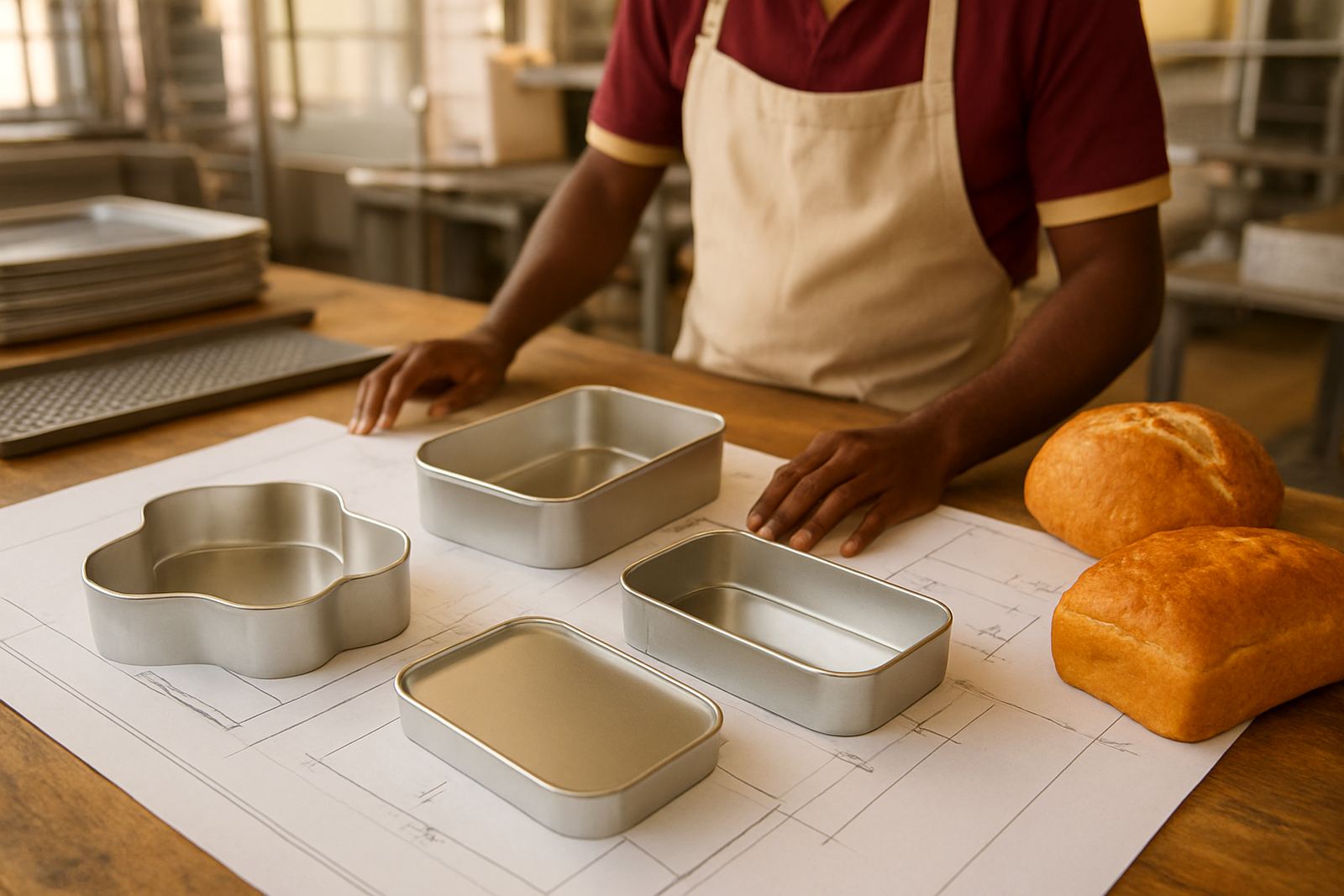
We started with size matching and a sample check against the bakery's test product. After that we produced a small prototype run so the client could confirm the rise, shape and release before going into the full batch. Once approved, we made the final tins to the agreed measurements and kept the geometry consistent across the order. The bakery wanted repeatability more than anything, because even a few millimetres out can change how the product fills a sleeve or sits on a shelf.
The order included custom tins for the launch batch, plus spare units for trial baking and contingency stock. We also advised on the handling sequence from oven to cooling rack, since the product was sensitive to early movement. The final build balanced strength with practical use, and the bakery team could slot the tins into their normal production flow without changing their whole process.
- Size matching from client sample and production checks
- Prototype run before full manufacture
- Final batch made to consistent internal and external sizes
- Advice on cooling, release and handling after bake
Timeline from first call to delivery
The full project ran over three weeks. Week one covered the brief, measurements and sample review. Week two was for prototype production and sign-off. Week three covered the final run, finishing, packing and collection arrangement. That schedule worked well because it gave the bakery time to test without rushing the launch date.
We kept the process practical and direct. The client received the right tins on time, with enough breathing room to run a test bake and make final adjustments to their mix if needed. For a launch product, that timing is important. If the tin is late, the whole batch plan shifts and the bakery can lose valuable selling days.
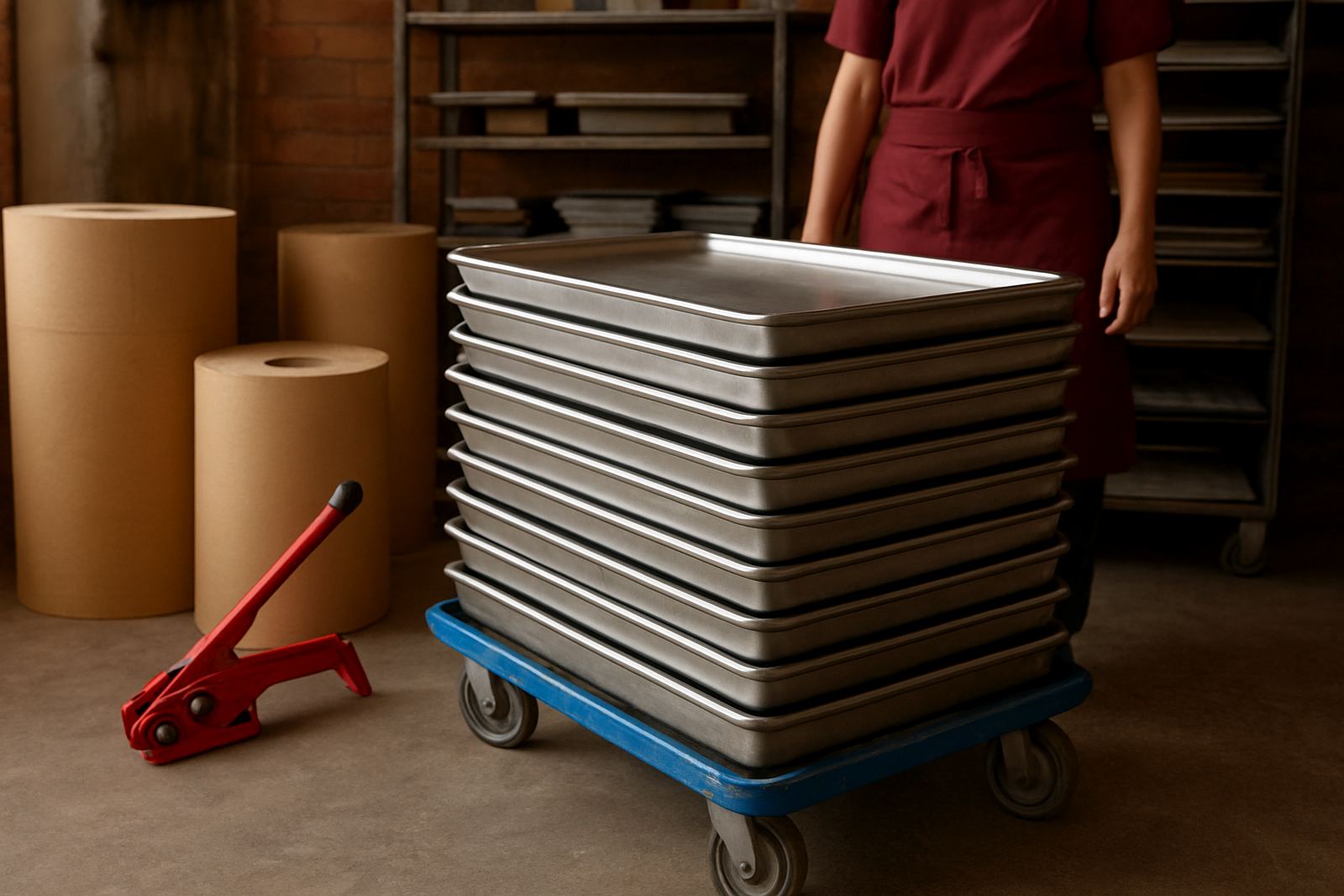
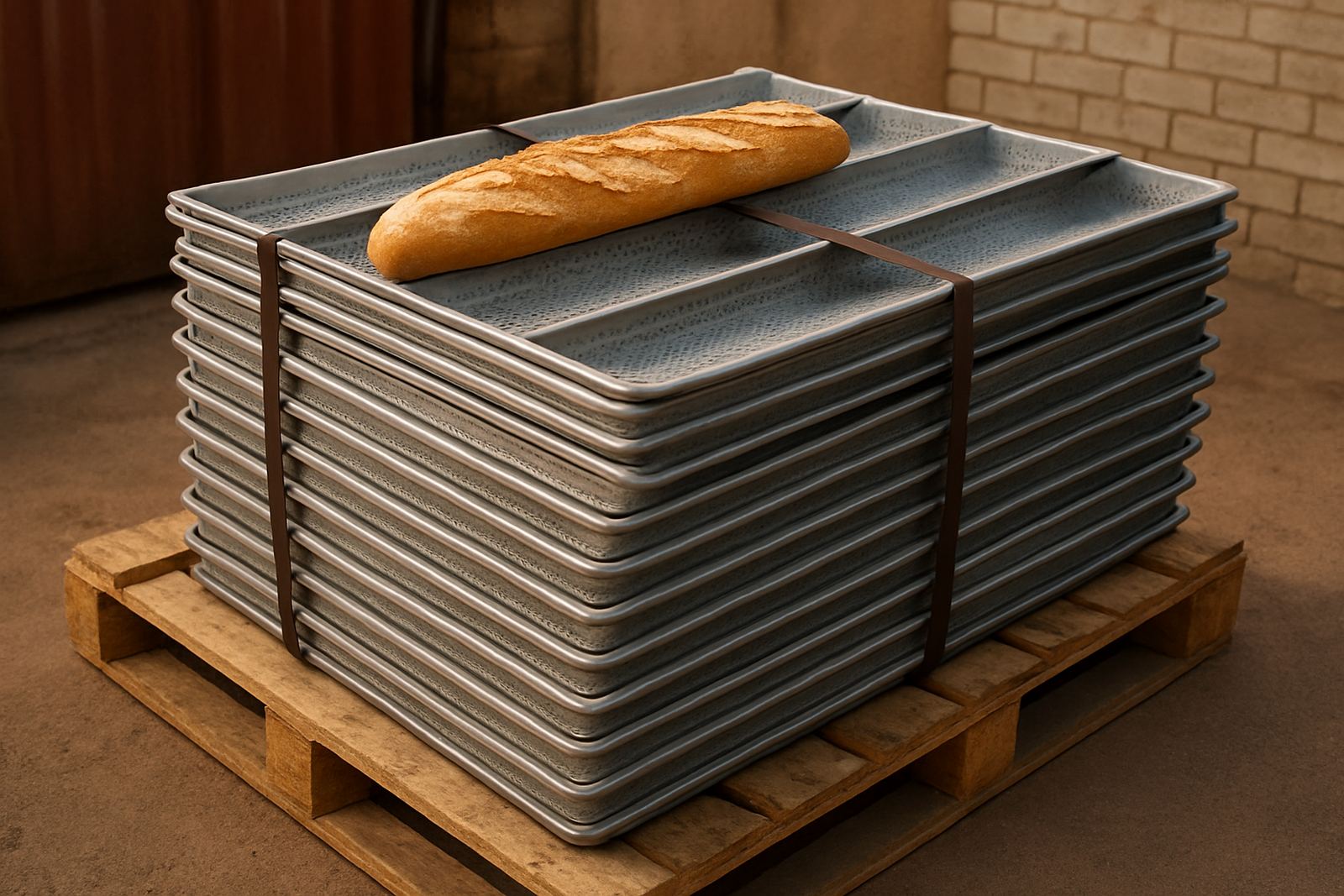
The order was delivered in a way that made receiving easy for the Randburg team, and the packing was done to reduce handling damage in transit. No one wants bent corners or a warped body on the first day of production, so we packed it properly and checked the count before dispatch.
Results on the production floor
Once the bakery started using the tins, the product shape became more consistent and the release improved. That helped with appearance, portion control and packing. The bakery could also plan their bake cycle better because the tins behaved the same way across the batch, which cuts down on rejected pieces and extra trimming.
For the client, the biggest gain was confidence. They could launch the new line knowing the tins were built for the product rather than forcing the product to fit a stock size. The staff had fewer handling issues, and the product presentation looked more even on the shelf and in the delivery cartons. It sounds simple, but in bakery production that kind of consistency saves time every day.
- More consistent product shape from batch to batch
- Cleaner release and less handling damage
- Better packing consistency for retail supply
- Less trial-and-error once the line went live
What we would do again for a similar launch
For a new product launch, we would follow the same approach again: measure properly, make a prototype, confirm the fit and then produce the final run. That process keeps the risk low and gives the bakery room to test under real kitchen conditions. It also makes it easier to repeat the order later if the product line grows or if the bakery adds another size.
We would also keep the conversation practical from the start. If the bakery needs tins for a high-volume run, we look at gauge, finish, storage and handling before production begins. If they are working in a coastal area or a humid kitchen, we can plan for that too. The aim is always to make tins that fit the product and the working day, not just the drawing.
For Randburg and the wider Gauteng market, that is usually what matters most. Bakers need equipment that lasts, arrives as promised, and does the job without extra talk.
Key facts
| Project location | Randburg, Gauteng |
|---|---|
| Client type | Bakery launching a speciality baked product line |
| Product supplied | Custom tins made to production size |
| Material | Heavy gauge mild-steel |
| Lead time | 3 weeks from brief to delivery |
| Process | Size matching, prototype run, final manufacture |