Sandton bakery brief and loaf target
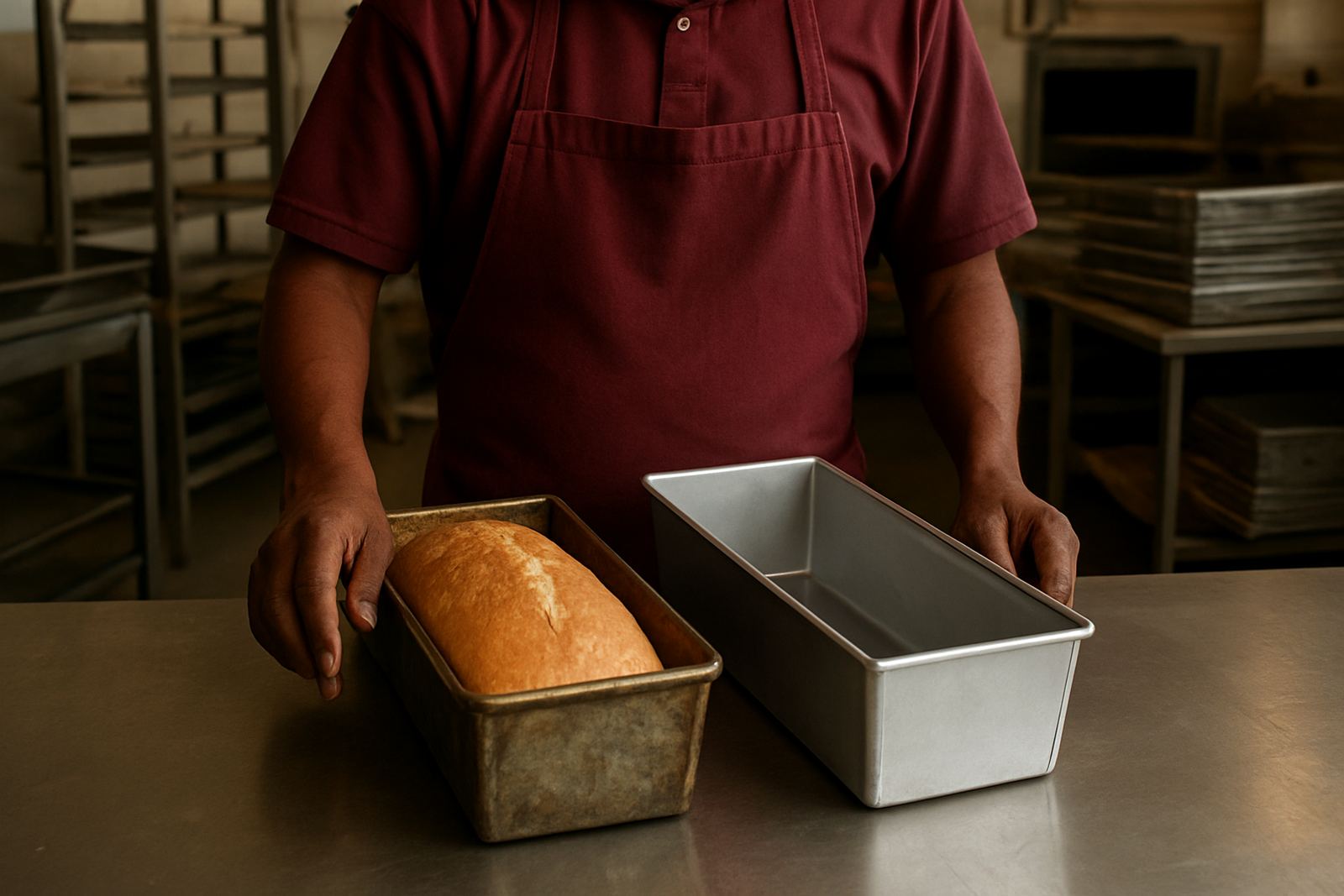
The client was a premium bakery in Sandton supplying sandwich loaves to cafés, corporates and households that wanted a clean square cut and a fine crumb. Their brief was simple on paper but strict in practice, the loaf had to rise evenly, bake straight and come out with sharp corners so each slice stacked properly for service.
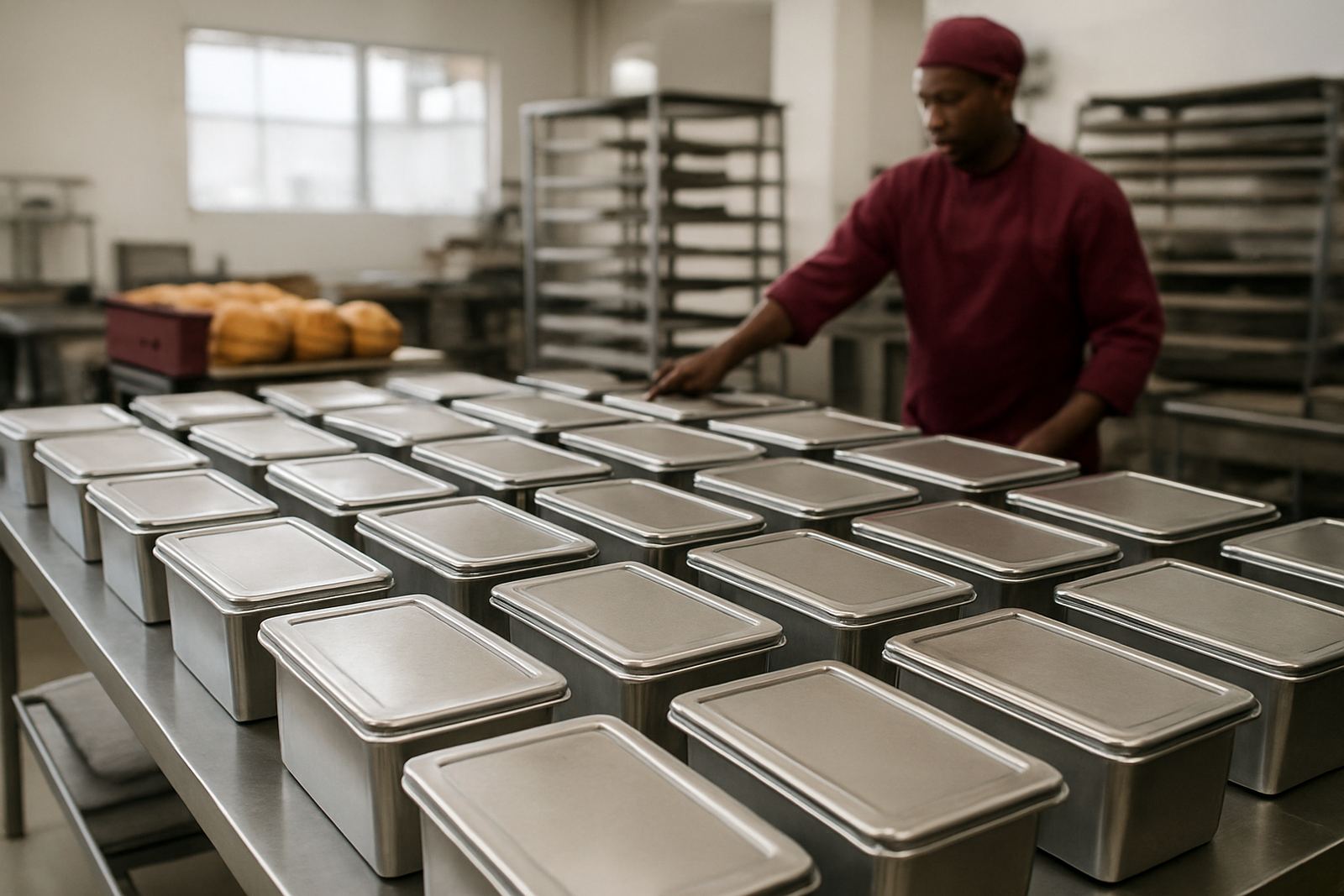
They were moving away from mixed pan types and needed one consistent Pullman format for a standard loaf line. We worked from their target bread weight, tin footprint and lid travel, then matched the pan depth to suit a loaf that would fill the mould without pressing against the lid too early. That mattered because over proofing in a Pullman pan can spoil the top line and leave a weak crust.
- Product: Pullman pans with fitted lids
- Use: premium square loaf production
- Area served: Sandton, Gauteng
- Production need: repeatable loaf size and shape
Measurements, steel choice and lid fit
We built the pans from heavy gauge mild steel for regular bakery use and a longer service life under daily heating and cooling. The steel was selected to hold shape under load, especially where dough pressure and handling can bow a lighter tin over time. For a bakery running early shifts and batch after batch, that consistency matters.
The set was made to a square loaf format with accurate internal measurements and straight side walls. Lid fit was checked so the top could slide cleanly without binding, but still close properly for the Pullman effect. We kept the corners crisp and the seam work neat, because a rough join or uneven fold can affect release and cleaning later. In a humid kitchen, small finishing details make a big difference.
- Material: heavy gauge mild steel
- Format: square Pullman loaf pan
- Finish: formed for regular bakery release and cleaning
- Fitment: matched pan and lid pair
What we supplied from Alrode
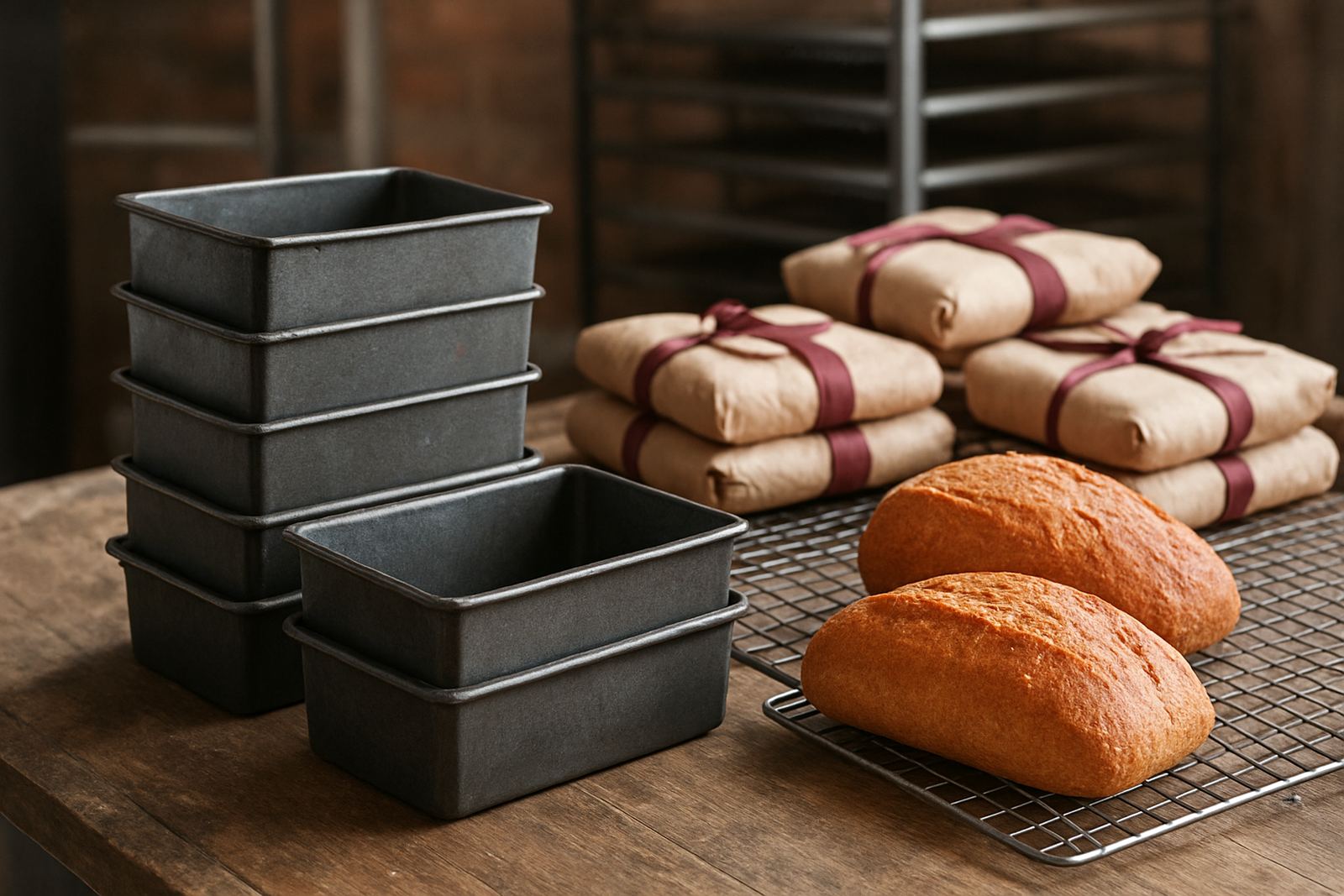
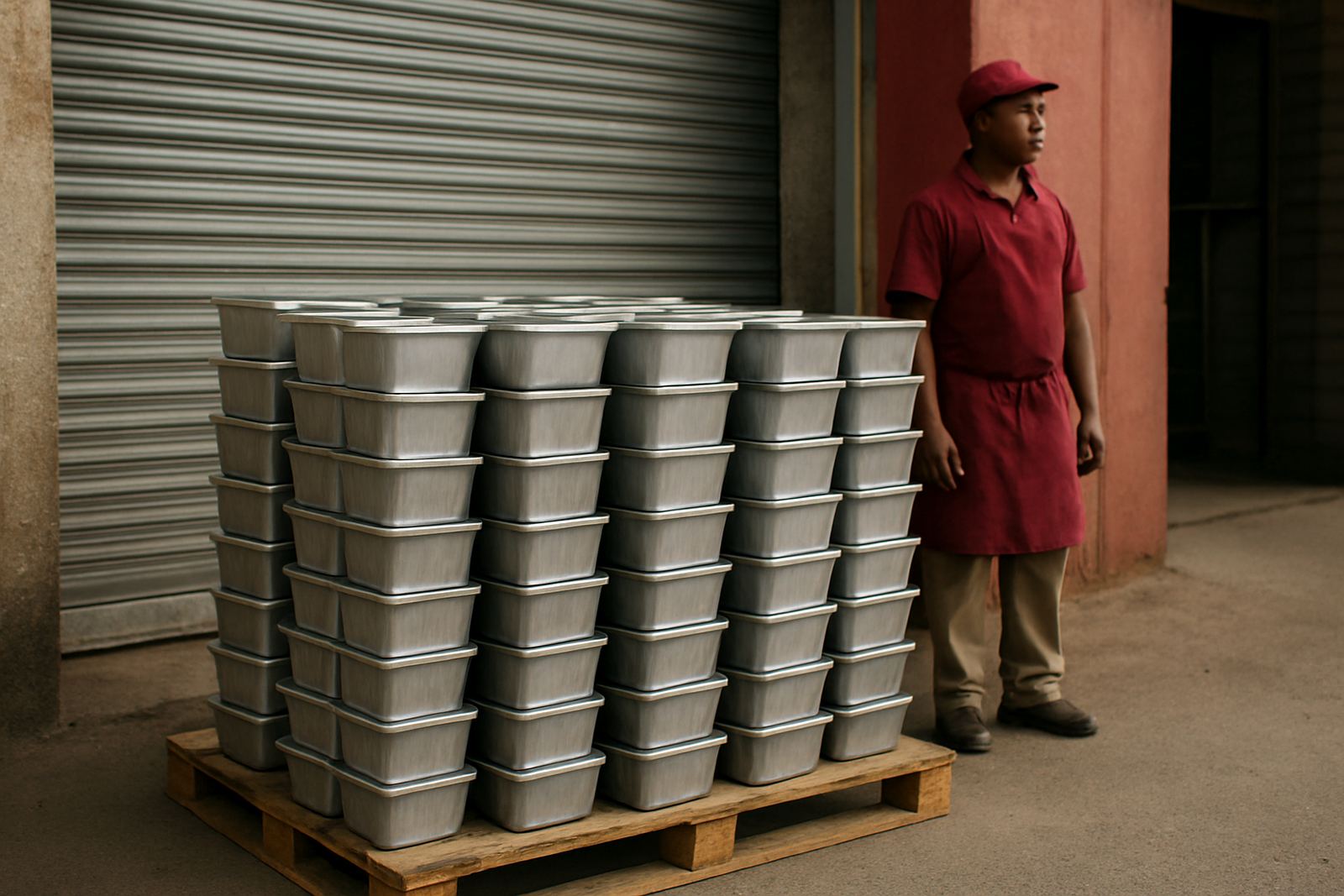
From our Alrode workshop we supplied a matched batch of Pullman pans and lids built to the agreed specification. The order included sample checks before the full run, then a production batch once the client was happy with the fit and finish. We also marked the sets for easy identification in the bakery store room, which helps when a production team is pulling stock during a busy morning shift.
Because the client wanted uniform results across several ovens, we kept the sizing consistent across every unit. That helped the baking team set proof times, load counts and oven positioning without having to compensate for pan to pan variation. It also made wash up and rotation easier, since each pan performed the same way. No guessing, no mixed dimensions.
- Matched pans and lids
- Prototype check before full order
- Batch consistency across all units
- Clear identification for production use
Timeline and fabrication flow
The project ran over three weeks from first measurements to dispatch. Week one covered size confirmation, lid travel checks and final sign-off on the loaf profile. Week two was fabrication and fitting, including trial assembly and finishing. Week three covered inspection, packing and collection planning for the Sandton delivery point.
That timeline worked because the client gave clear feedback early and we could keep the process moving without rework. If a bakery is changing from another pan style, that first week is always important. It lets us confirm the real dough rise, not just the measurements on paper. A few millimetres can decide whether the loaf crowns correctly or ends up too tight under the lid.
- Week 1: measure, confirm and sign off
- Week 2: fabricate and fit
- Week 3: inspect, pack and dispatch
- Final check: lid action and square loaf profile
Results on the production line
Once in use, the bakery reported cleaner loaf release and a more even baking profile across the batch. The slices held their shape better for sandwich prep, and the top line stayed square enough for a neat stack in retail packs. That saved time at slicing and packing, because the loaves were no longer needing extra trimming or sorting.
The production team also found the pans easier to place in rotation because the lids sat correctly every time. That might sound small, but it helps on long shifts when staff are moving fast and ovens are full. A well fitted Pullman pan gives the bakery control over the finished product, which is what the client wanted from the start. They needed a loaf that looked tidy, sliced clean and held its form after cooling.
- Cleaner release from the pan
- More even loaf shape from batch to batch
- Less trimming after baking
- Better stack quality for retail and service
What we would do again for a similar order
For another Sandton Pullman pan order, we would follow the same process: start with the loaf target, test the lid movement and confirm the pan depth against the dough weight before cutting full production. That approach keeps the bakery from buying tins that look right but do not perform right. We would also keep the batch grouped so the team can track older pans and rotate stock properly.
If the bakery later wants heavier duty options, we can adjust gauge, add divider inserts or build extra sets for tighter production windows. For sites dealing with load-shedding, it also helps to plan batches around oven recovery time so pan temperature stays steady. Our aim is to make the tins suit the bakery, not force the bakery to work around the tins. That is what good size matching is for.
- Confirm loaf weight before fabrication
- Test lid movement and closure
- Keep batch marking for stock control
- Allow for future heavy use or extra sets
Key facts
| Project | Sandton Pullman pans for square loaf production |
|---|---|
| Client type | Premium bakery supplying retail and food service |
| Town | Sandton, Gauteng |
| Material | Heavy gauge mild steel |
| Timeline | 3 weeks from measure up to dispatch |
| Key outcome | Clean slicing profile with consistent loaf shape |