Mixed-menu production needs bakeware that changes with the day
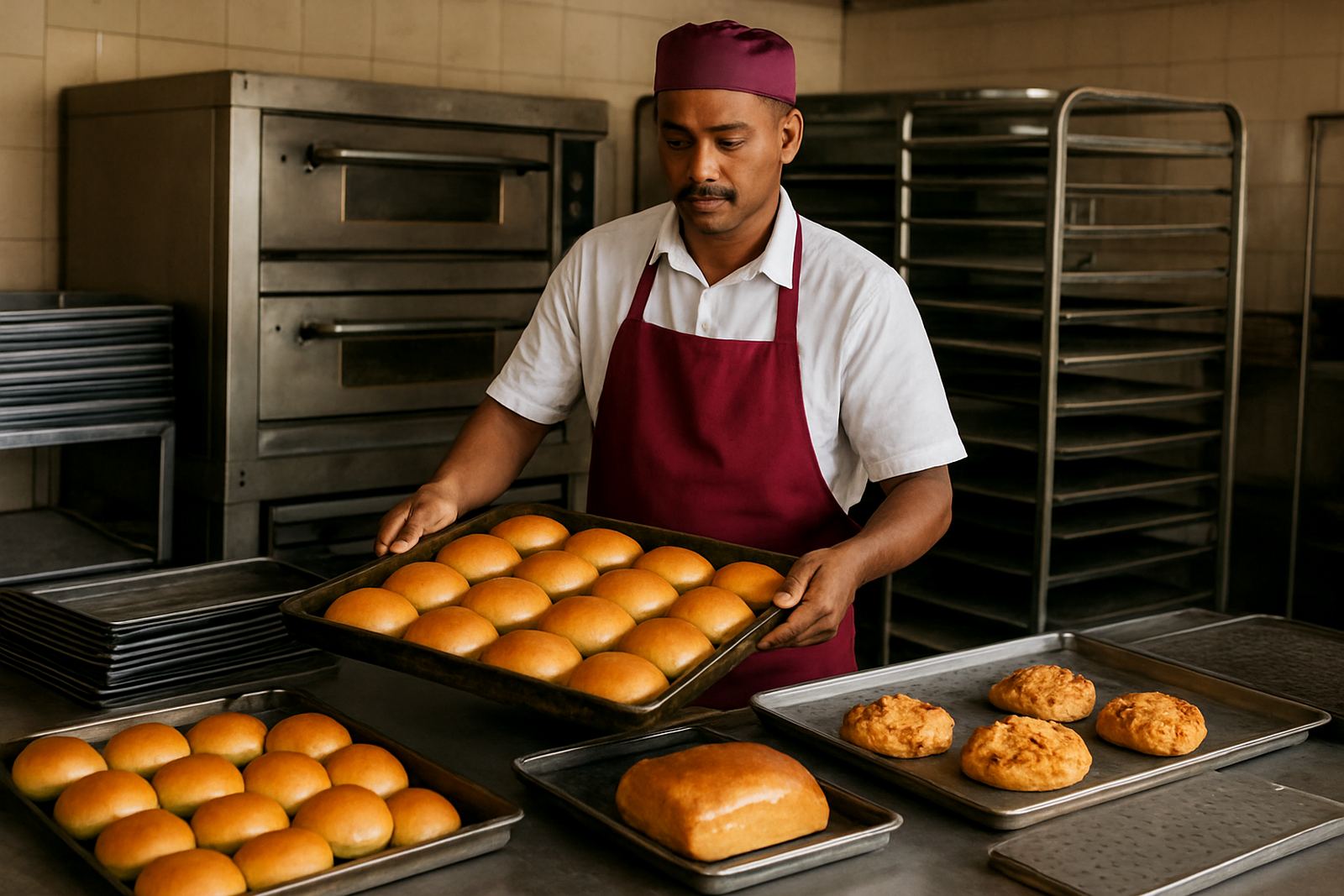
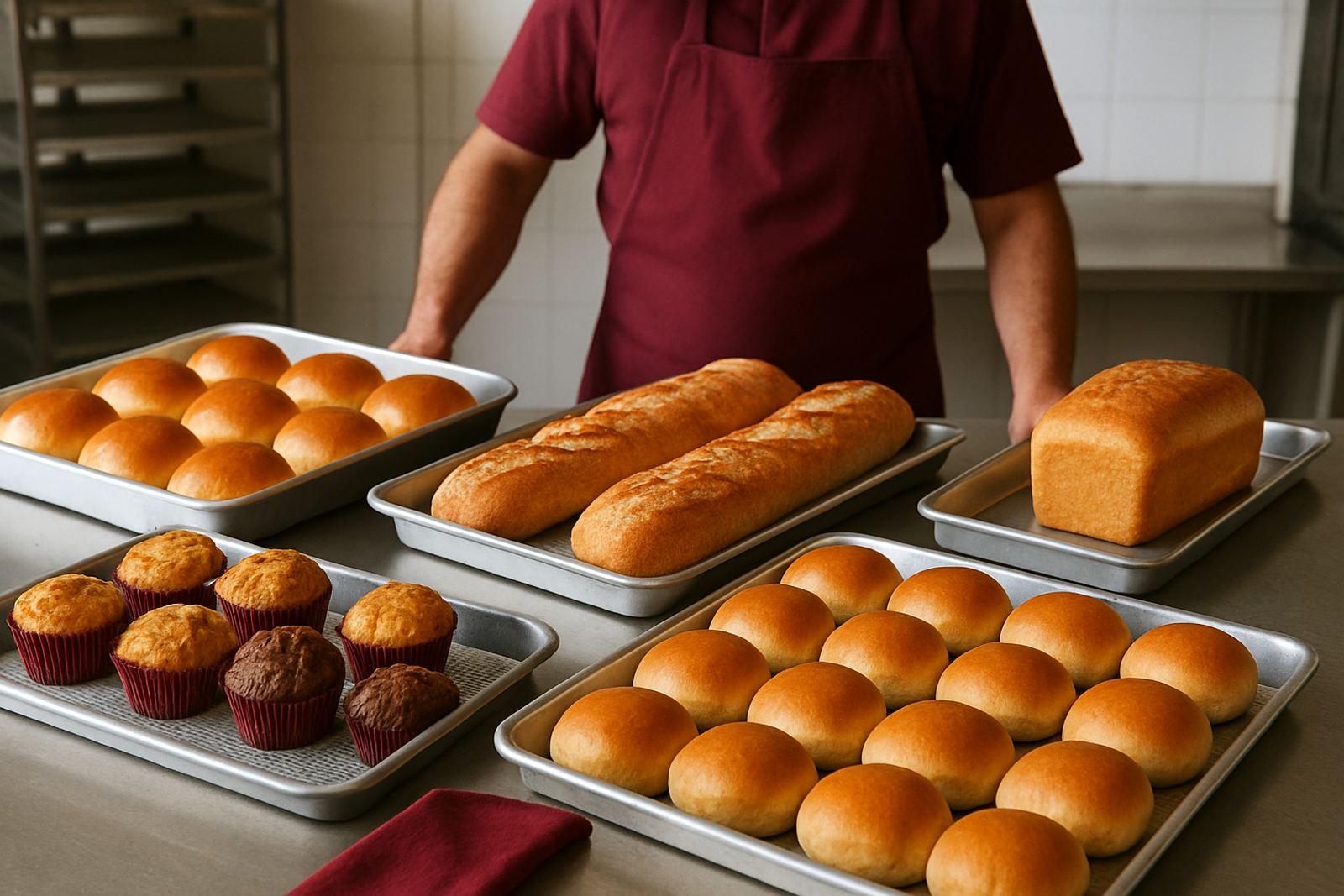
A catering bakery is not a single-product plant. One day the team is turning out burger rolls for a school function, the next it is sliced sandwich loaves for a conference, then savoury pastries or baguettes for a hotel breakfast. That means your pans and trays must suit quick changeovers, controlled portioning and enough strength to handle repeated use, washing and stacking. If the bakeware does not fit the product or the oven, you lose time and colour varies from tray to tray.
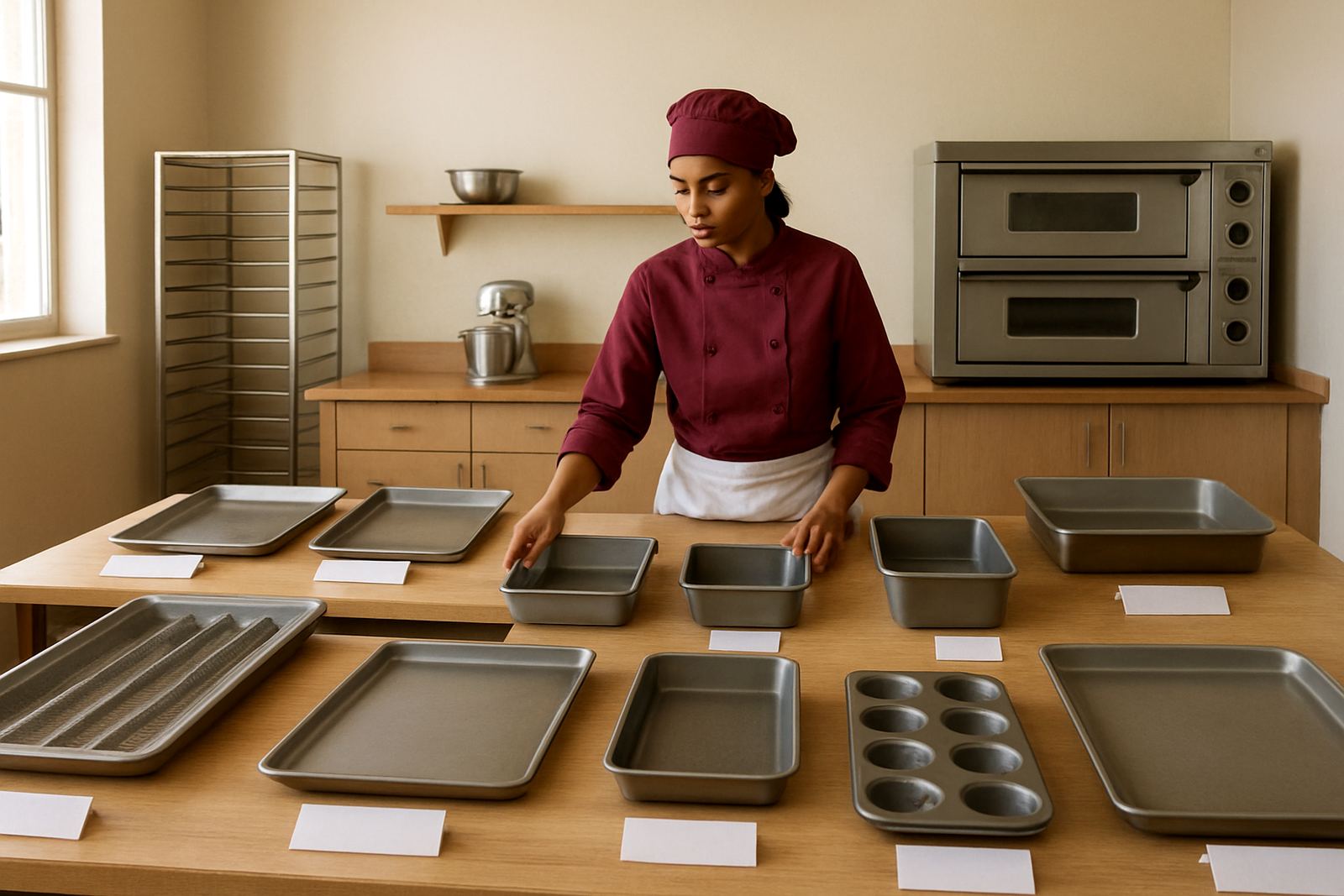
For this type of operation we usually start with the product list first, not the tray count. That tells us whether you need standard BO3, BO4 or BO5 bread pans, lids for closed loaves, perforated trays for airflow, or baguette trays that keep shape during proofing and bake-off. In catering work, consistency matters as much as output, especially when different shifts handle prep.
A practical equipment set for functions, hotels and contract baking
Most catering bakeries run a mixed set so they can cover loaves, rolls, savouries and plated service items without overbuying. In Alrode and the wider Gauteng area, we often supply combinations built around the oven size, trolley spacing and what the kitchen can wash and store after service.
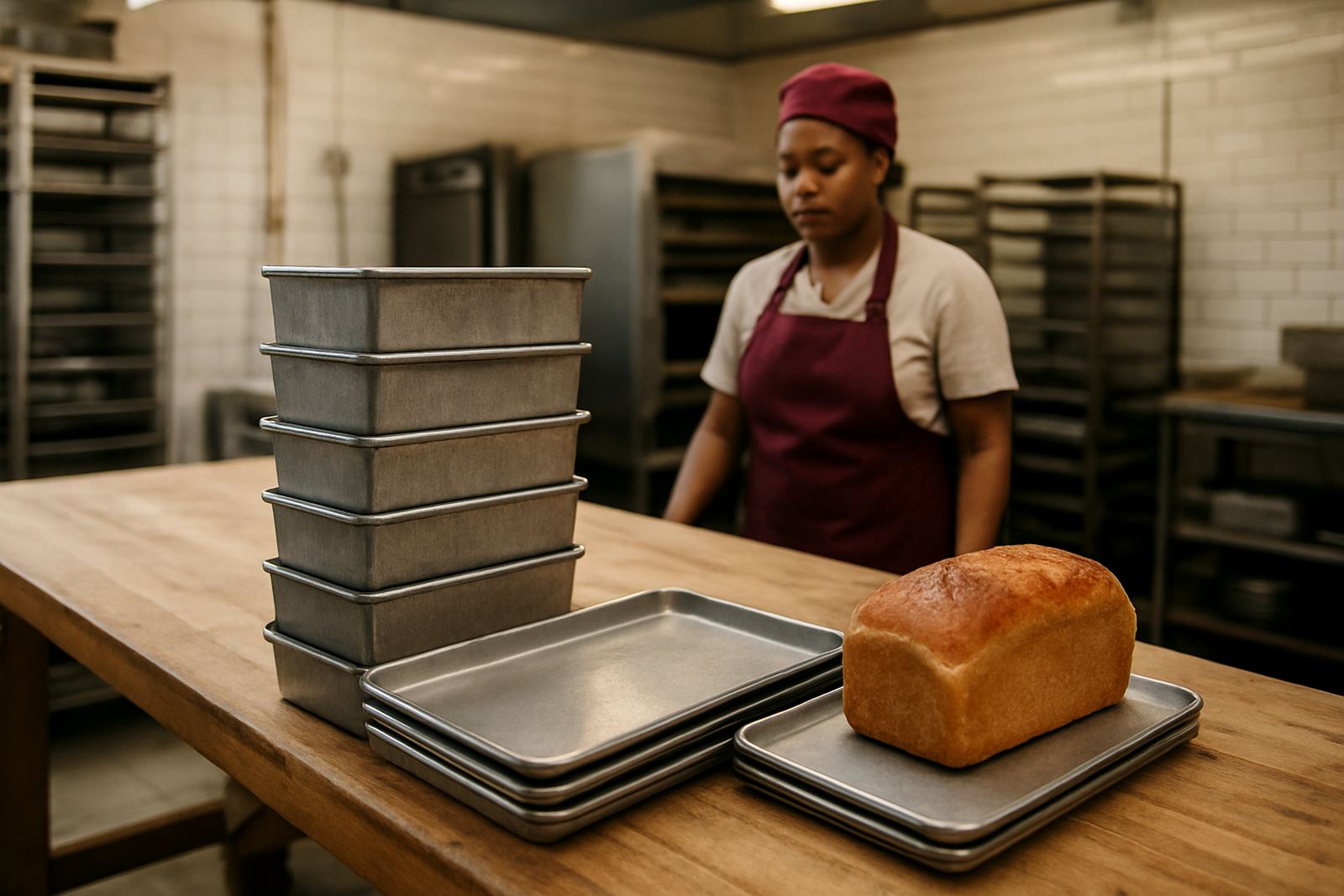
- Standard bread pans in BO3, BO4 and BO5 sizes for sliced loaves and portion control
- Lids for enclosed loaves where crust softness and shape are important
- Perforated trays for even heat, steam escape and better base colour
- Baguette trays for shaped rolls and hand-finished bread items
- Divider inserts for smaller units, buffet portions or tasting runs
- Heavy gauge builds for high-traffic kitchens and repeated loading
Where the menu changes often, a smaller range of well-matched trays is better than a large mix of odd sizes. That also makes dispatch, cleaning and stock take easier, which matters when the team is working around load-shedding and tight service windows.
Planning the kitchen around oven flow, washing and storage
Before buying, check how trays will move through the space. A catering bakery needs a clear path from prep bench to prover to oven to cooling racks and then back to wash-up. If the pans are too wide for the trolley, or the trolley is too tall for the oven deck, you lose the benefit of the extra equipment. In some sites the real issue is not baking capacity but the space between the work area and the dish side.
For coastal clients or kitchens with high humidity, we also look at drying and stacking. Damp trays left overnight can corrode faster, especially where washing happens after a late function and the team is tired. Good storage, enough airflow and correct handling will extend service life quite a bit.
- Measure oven internal width, depth and shelf spacing before ordering
- Check trolley clearance through doors, passageways and lift access
- Keep a separate stack area for clean trays so they do not bend under weight
- Allow room for cooling and de-panning, not only for baking
Common mistakes we see in catering bakery setups
One of the biggest mistakes is using the same tray for every product. It sounds efficient, but bread, rolls and baguettes all behave differently in heat. Another common problem is ordering pans by guesswork, then finding the loaf height is wrong for the slicer or sandwich fill. We also see kitchens buying light trays for heavy daily use, which leads to warping and poor fit after a few months.
Another issue is ignoring turnaround time. If you are baking for a function, you may need enough pans to cover proofing, baking and a second batch while the first lot cools. A shortage of only a few trays can delay packing and service, and that is where the real cost shows up. It is better to plan for peak demand and then reorder in batches when production grows.
What your budget usually covers in Rand
Budget depends on size, gauge, finish and whether the order is a standard run or a copied pattern. For a small catering bakery in Gauteng, a starter set of bread pans and a few speciality trays might begin in the low thousands of Rand. A broader mixed set for regular contract work can move into the mid tens of thousands, especially if you include heavy gauge builds, lids and custom tray counts.
As a working guide, many clients plan in stages. First they cover the core loaf and tray sizes, then add specialised items once the menu is proven. That keeps cash flow manageable and avoids filling the storeroom with bakeware that only gets used once a month. We can also help with batch reorders so matching items stay consistent over time.
How we match catering bakeware to the menu and the oven
Our process starts with the product list, oven dimensions and the output you need per shift. If you already have pans that work, we can copy the size, confirm the lid fit and build matching pieces so the whole set stays uniform. If you are moving into a new menu, we can advise on tray pattern, hole spacing for perforation and whether divider inserts will make packing easier.
We work from Alrode and support catering bakeries in Alberton, Germiston, Boksburg, Soweto and Midrand. For busy kitchens, factory consultations help cut down on guesswork and prevent buying the wrong gauge or the wrong footprint. Thabo and the team can also look at prototype runs before a larger order is placed, which is useful when a client is testing a new loaf size or function pack.