What a church kitchen usually needs to keep moving
A church kitchen is not just for tea and biscuits. It is often where bread is baked for outreach, vetkoek is prepared for events, and trays are sent out for memorials, youth camps and choir fundraisers. The equipment has to work for many hands, many users and different baking jobs in the same week.
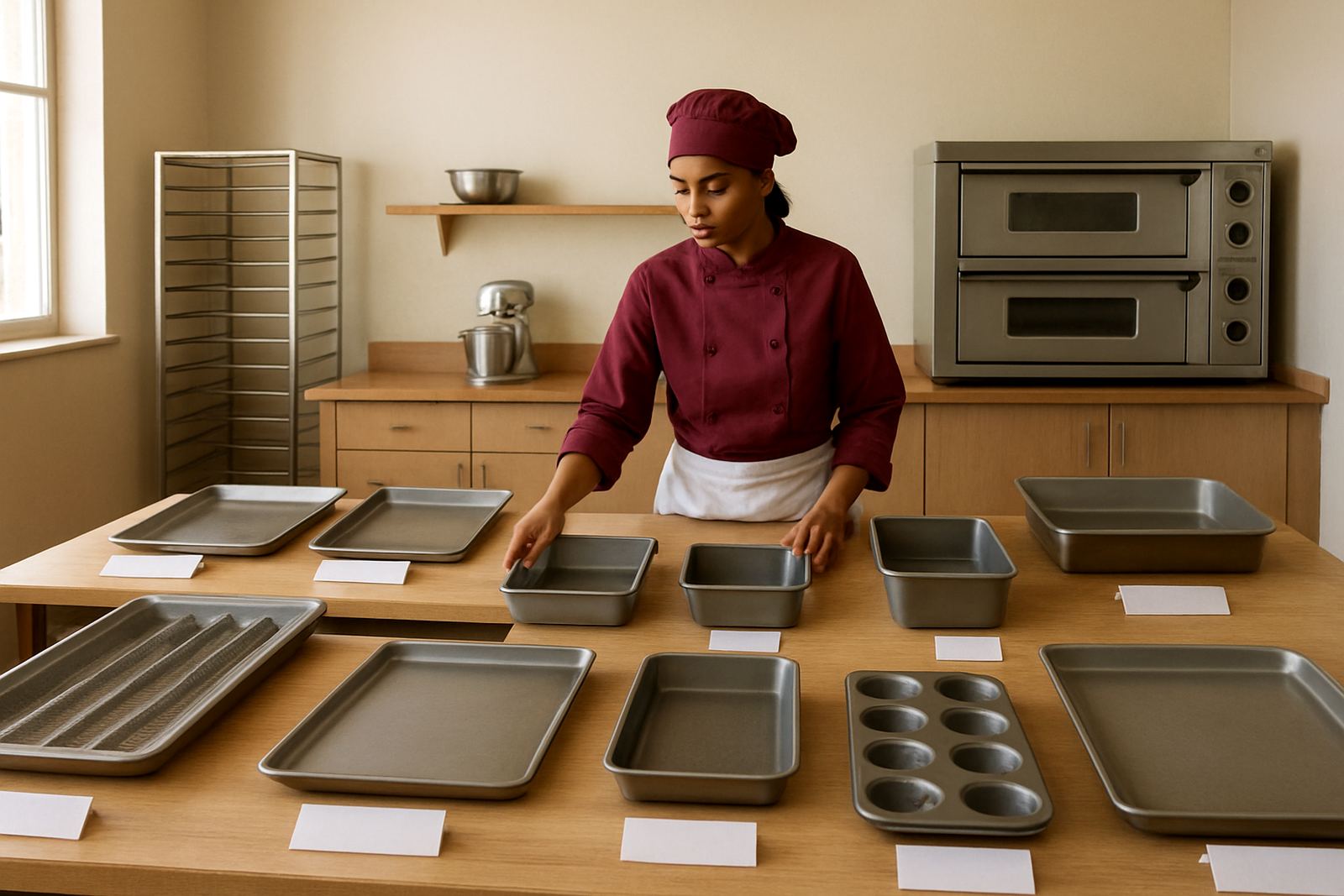
Most church kitchens start with standard bread pans and lids, open baking trays, perforated trays for faster airflow, and a few deeper tins for loaf-style cakes or savoury bakes. If the kitchen serves more than one hall or runs outreach programmes, it helps to keep sizes consistent so volunteers can pack, portion and wash up with less confusion.
- Standard bread pans for sandwich loaves and donation bread
- Lids for closed-top loaves where shape and even rise matter
- Perforated trays for crisp bottoms and better heat movement
- Baguette trays for rolls, sub loaves and packed meal runs
- Heavy gauge trays for repeated use in busy kitchens
Planning the layout around ovens, prep tables and cleaning
Church kitchens often have limited space, one oven bank and a mix of fixed and movable tables. Before ordering trays and tins, it helps to measure the oven cavity, shelf spacing and the storage area near the washing sink. A tray that fits on paper may still catch the side rail when it is loaded with dough, so the usable space inside the oven matters more than the outside size.
We usually recommend planning the whole flow, from mixing to proofing to baking and cooling. If the kitchen serves Hall A and Hall B, or a weekday feeding scheme and a Sunday event, you need enough trays to keep batches moving without waiting for washed items to dry. In coastal towns humidity can slow drying, so it is better to have a few extras than to rely on one working set.
- Measure oven width, depth and shelf clearance in millimetres
- Allow space for handles, gloves and easy tray removal
- Keep raw dough trays separate from finished bread trays
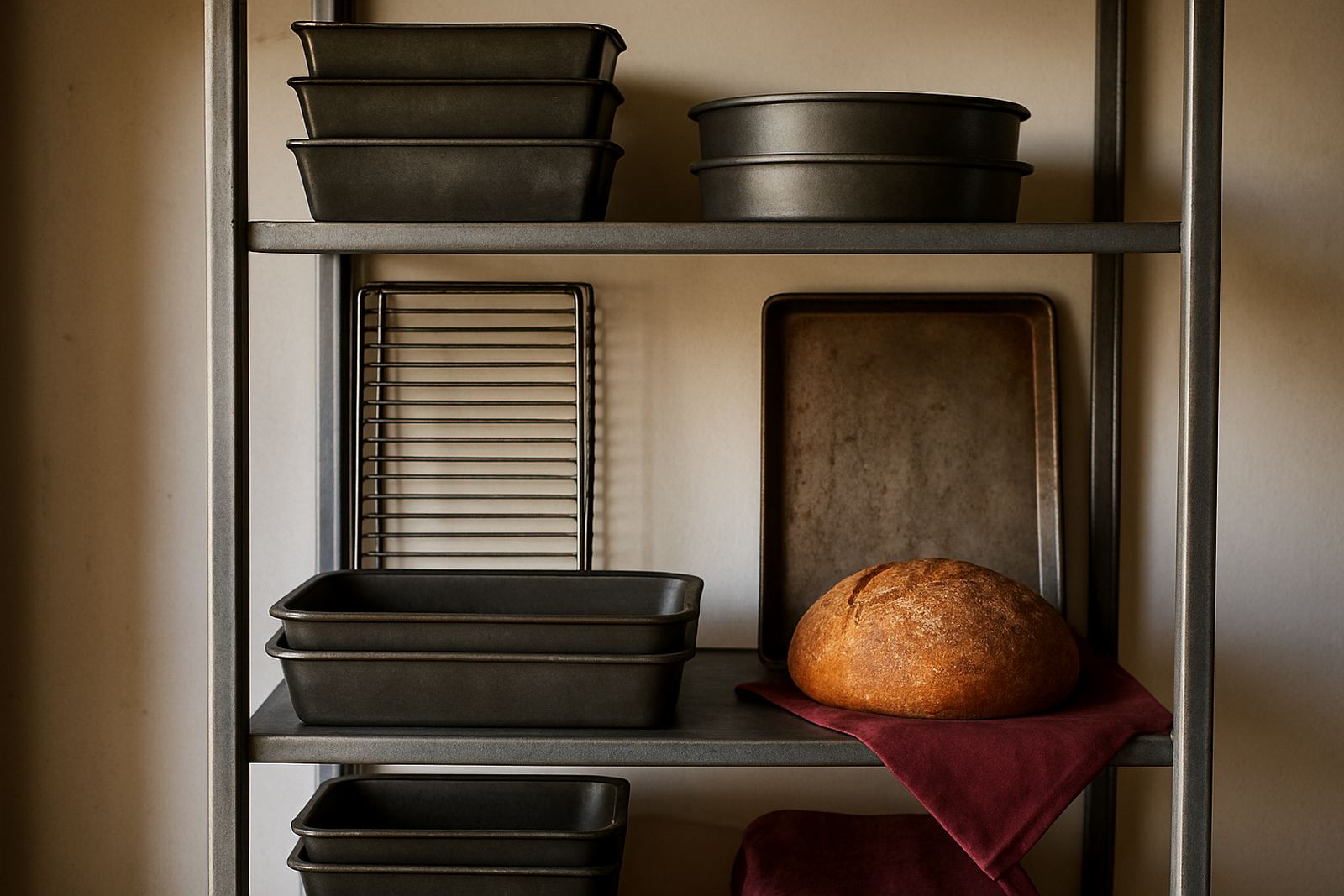
- Use labelled storage racks for clean, dry tins and lids
- Plan for volunteer use, not only the main cook’s routine
Common tray and tin choices for church baking
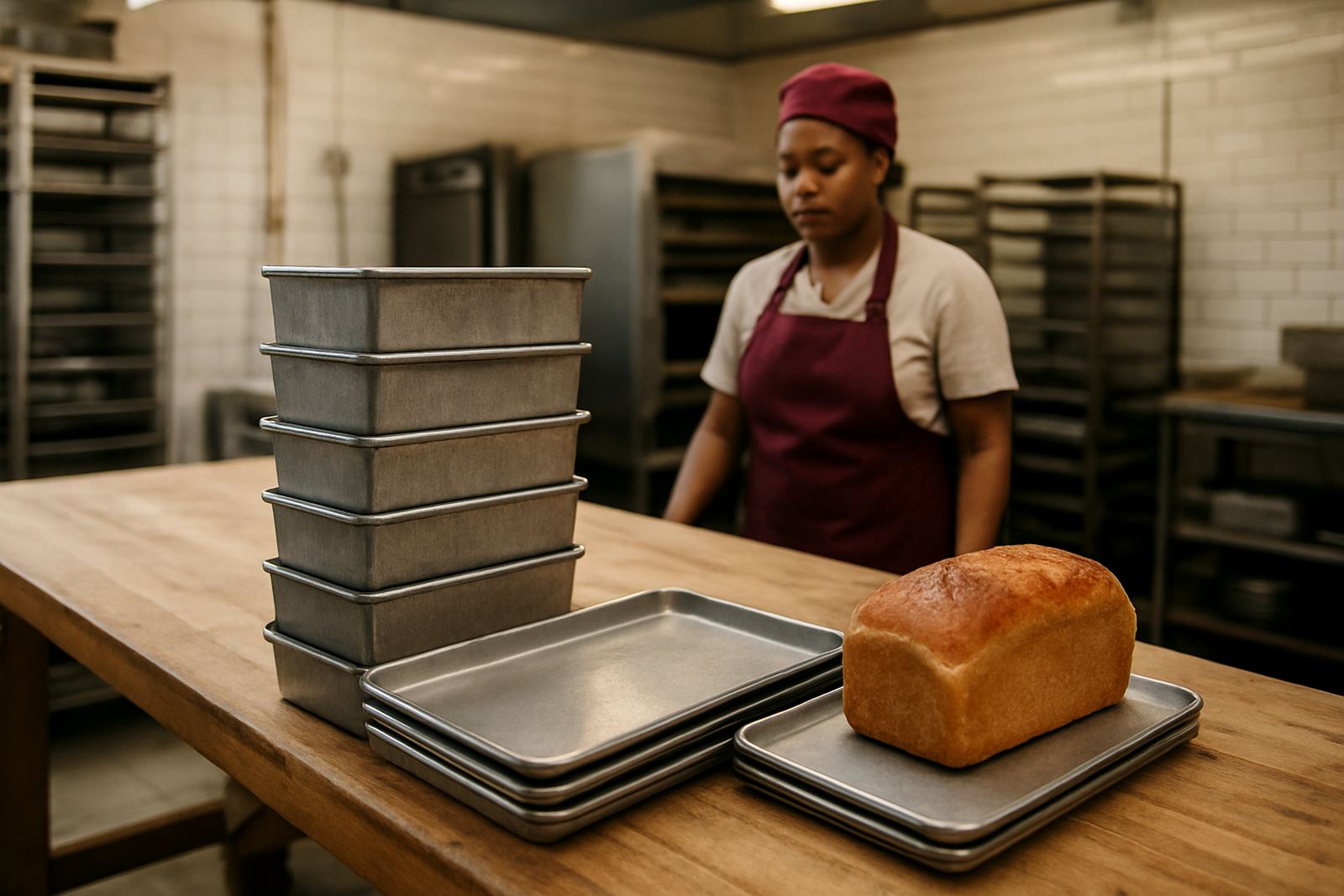
For church kitchens we often supply standard BO3, BO4 and BO5 bread pans, depending on the loaf size needed and the oven capacity available. Smaller churches may only need a few matched pans for Sunday tea and outreach bread, while larger congregations may want full sets for batch baking before events or public holidays. Matching pans is important because uneven tins can give uneven loaves and waste flour.
Perforated trays are useful where the kitchen bakes rolls, scones or pastry items and wants a drier base. Baguette trays suit packed lunch work, potjiekos evenings with bread on the side, and catering for youth camps. Lids are best where shape control matters, and they also help with neat slicing after cooling. For some churches, divider inserts and simple prototype runs are useful when they want to test a new loaf size before ordering a larger batch.
- BO3 pans for smaller loaves or limited oven space
- BO4 pans as a practical middle option for many church kitchens
- BO5 pans for larger loaves and more economical batching
- Lids for top control and a more uniform bake
- Perforated and baguette trays for varied menus
Where layout mistakes waste time and money
The most common mistake is buying a mixed group of pans from different sources and hoping they will behave the same. In practice, one pan may sit higher, another may be a fraction wider, and the volunteers spend time shifting trays around instead of baking. Another problem is ordering too few trays for the service plan, then having dough waiting while a batch cools and gets packed.
Church kitchens also run into trouble when the storage area is not planned for airflow. In a damp storeroom, mild-steel bakeware needs to be cleaned and dried properly, otherwise you get surface rust faster than expected. Load-shedding can also interrupt baking, so it helps to have a batch order that matches available oven time. If you know the generator or backup power window, you can stagger the work better and avoid half-baked loaves.
We can help with size matching, pan copying and lid fitting so the final set suits the ovens already on site. That saves money compared with replacing whole racks because a single dimension was off by a few millimetres.
Budget ranges for church kitchens in Rand
Church kitchens usually work within a set monthly budget, so it helps to think in stages. A small starter order for a local congregation may include a few bread pans, a handful of trays and one or two specialty items. A mid-sized church that bakes for events and outreach may need full batch sets with matching lids and extra trays for turnover. Larger operations, especially where multiple halls or campuses share one kitchen, often order in phases to keep cash flow manageable.
As a guide, a basic church bakeware start-up can begin in the lower thousands of Rand. A more complete working set for weekly use often moves into the mid-thousands, while larger batch programmes with copying, fitting and heavier gauge builds can run higher depending on quantities and sizes. We can quote by item, by batch or by repeated reorder, which is useful when a church committee wants to approve one section at a time.
- Starter set for small-scale baking: often from around R2 500 to R6 000
- Mid-size church kitchen order: often from around R6 000 to R18 000
- Heavier, larger batch orders: often from around R18 000 and upward
How we work with church committees and volunteer teams
Church purchases usually involve more than one decision-maker, so we keep the process practical. We can work from an existing pan, a sketch, a photo with dimensions or a sample tray that needs to be copied. If the kitchen team knows what they bake every week, we can suggest sizes that match the ovens and the storage space instead of oversupplying items that will only gather dust.
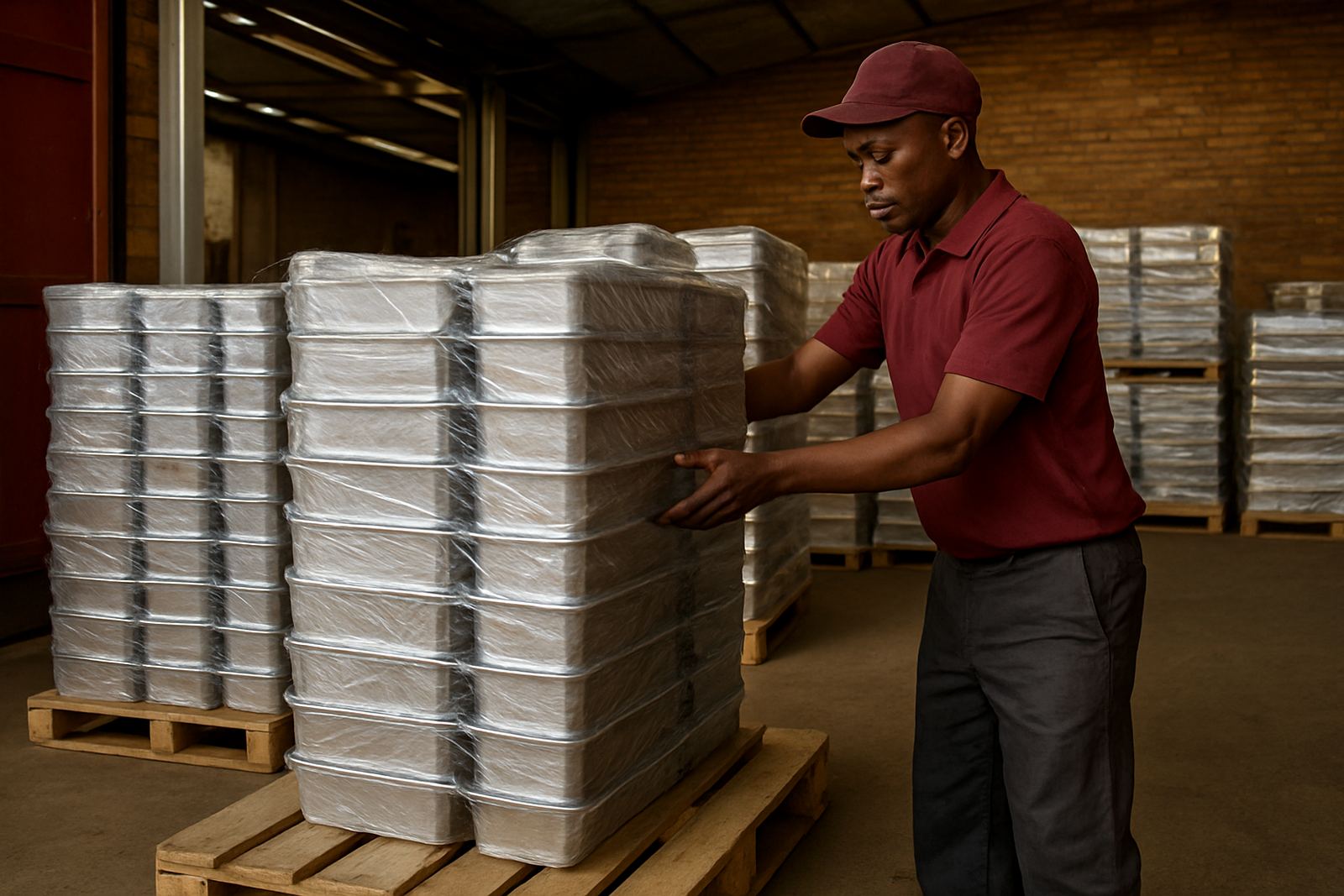
Our Alrode base supports churches across Johannesburg South, Alberton, Germiston, Boksburg, Soweto and Midrand, with orders for Gauteng and further afield as needed. For churches that host big calendar dates, it helps to place orders ahead of Easter, Christmas and annual fundraisers, because those are the periods when every extra tray gets used. A careful plan now is cheaper than emergency buying later when the kitchen is already under pressure.
For repeat use, ask about batch reorders and factory consultations. That way the kitchen team keeps the same working sizes from year to year and new volunteers can step in without relearning the whole system.