What takeaway kitchens normally need from bakeware
A takeaway kitchen is usually working with tight prep time, a mixed menu and ovens that must do more than one job. One hour it is pies and savouries, the next it is rolls, garlic breads or baked add-ons for daily specials. That means the trays must be practical, easy to handle and sized to suit your oven shelves and holding racks.
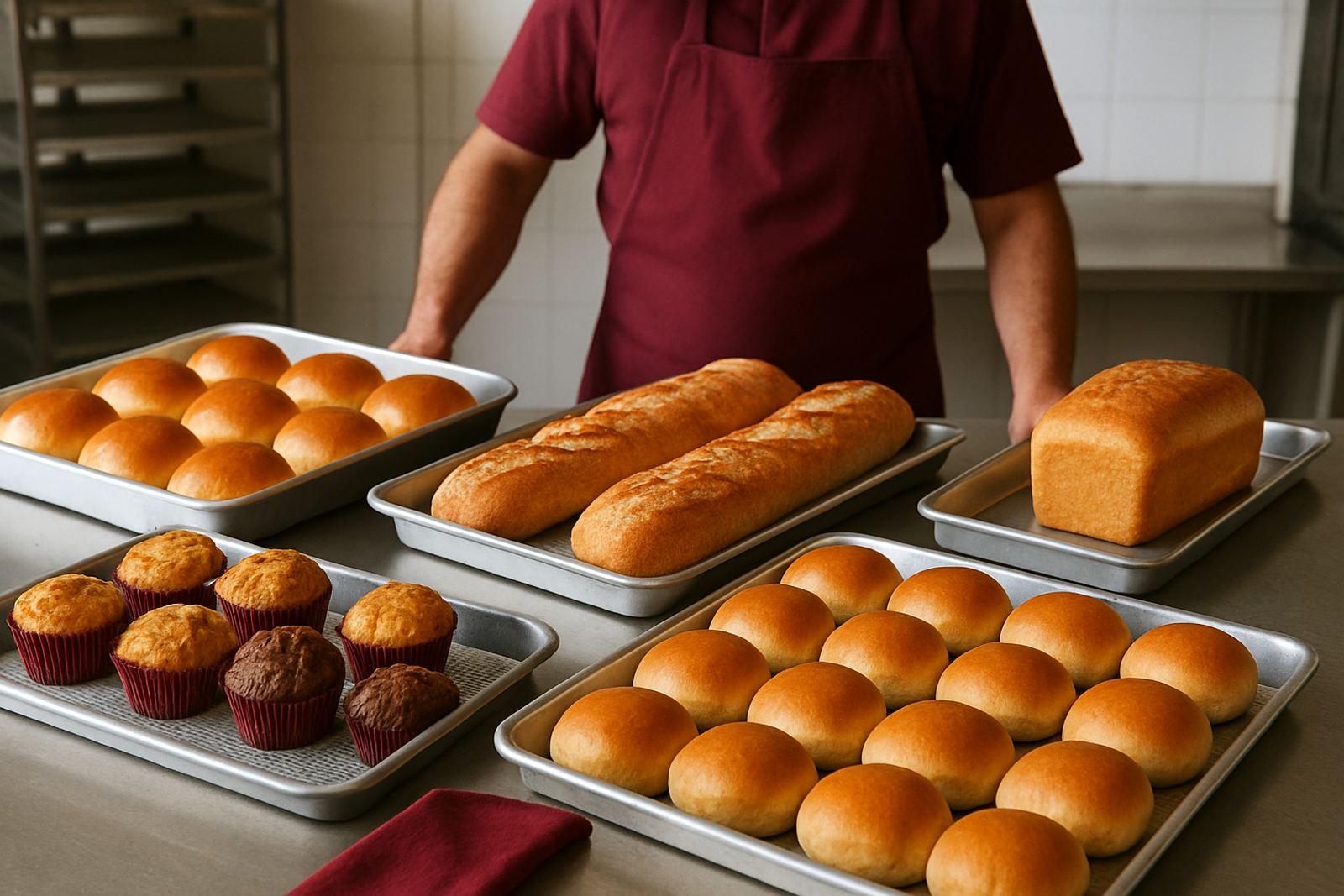
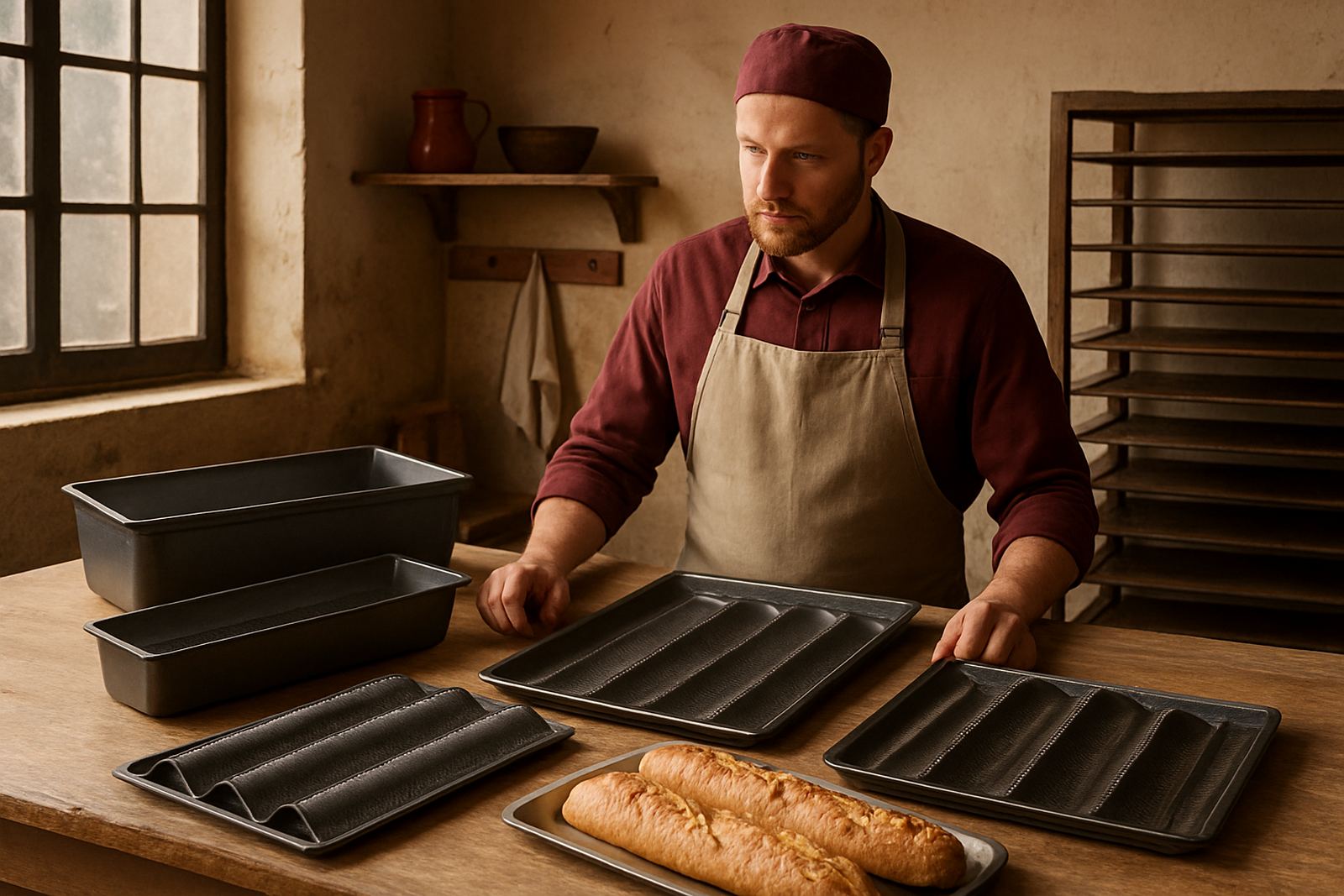
For most operations in Alberton, Germiston, Soweto and Midrand, the starting point is not a large special order. It is a set of dependable tray formats that fit your production pattern. Standard bread pans are useful where rolls or loaf items leave the oven for slicing and service. Perforated trays help with airflow and faster base drying, which matters for items that must not go soggy during holding. Baguette trays are helpful where the kitchen offers long rolls for sandwiches, breakfast packs or soup sides.
The right mix also depends on how much you batch at once. A small takeaway store may only need a few matching sizes, while a busy site in Boksburg or Johannesburg South may need repeated pans for staggered baking through the day. We size things around the oven, the cooling space and the way your staff actually move between prep, baking and dispatch.
Useful tray formats for pies, rolls and menu add-ons
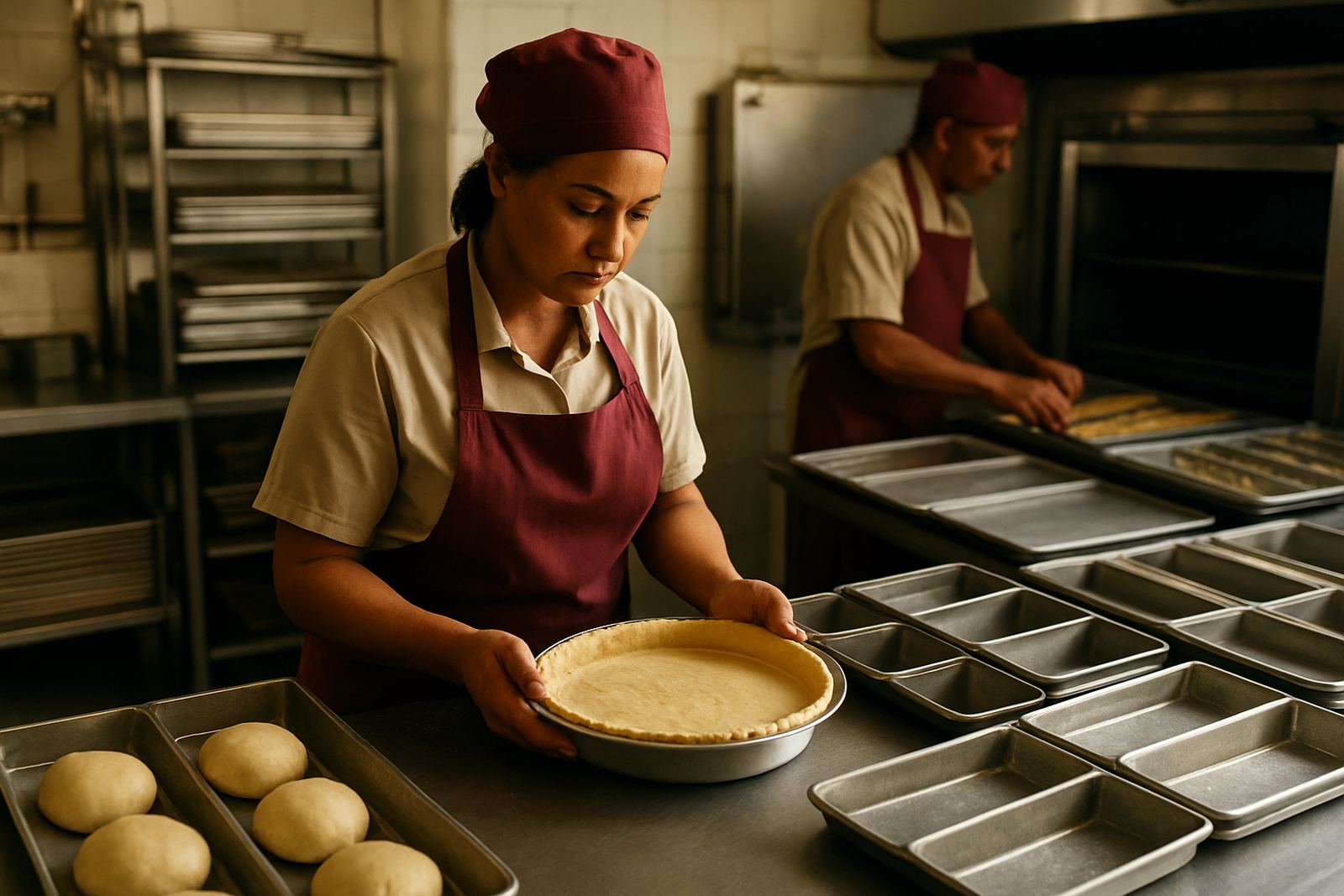
Pie production needs a tray that holds shape, handles filling weight and still releases cleanly. Roll baking needs even heat across the tray surface. Menu add-ons like savoury swirls, garlic fingers or cheese sticks often need a lighter tray with good airflow. That is why many takeaway kitchens use a small mix instead of one tray style for everything.
- Perforated trays for crisp bases, rolls and items that need faster moisture release
- Baguette trays for long rolls, subs and sandwich bread shapes
- Standard bread pans for sliced loaves, hotdog rolls and portioned dough pieces
- Heavy gauge flat trays for pies, savouries and baked sides that need stability
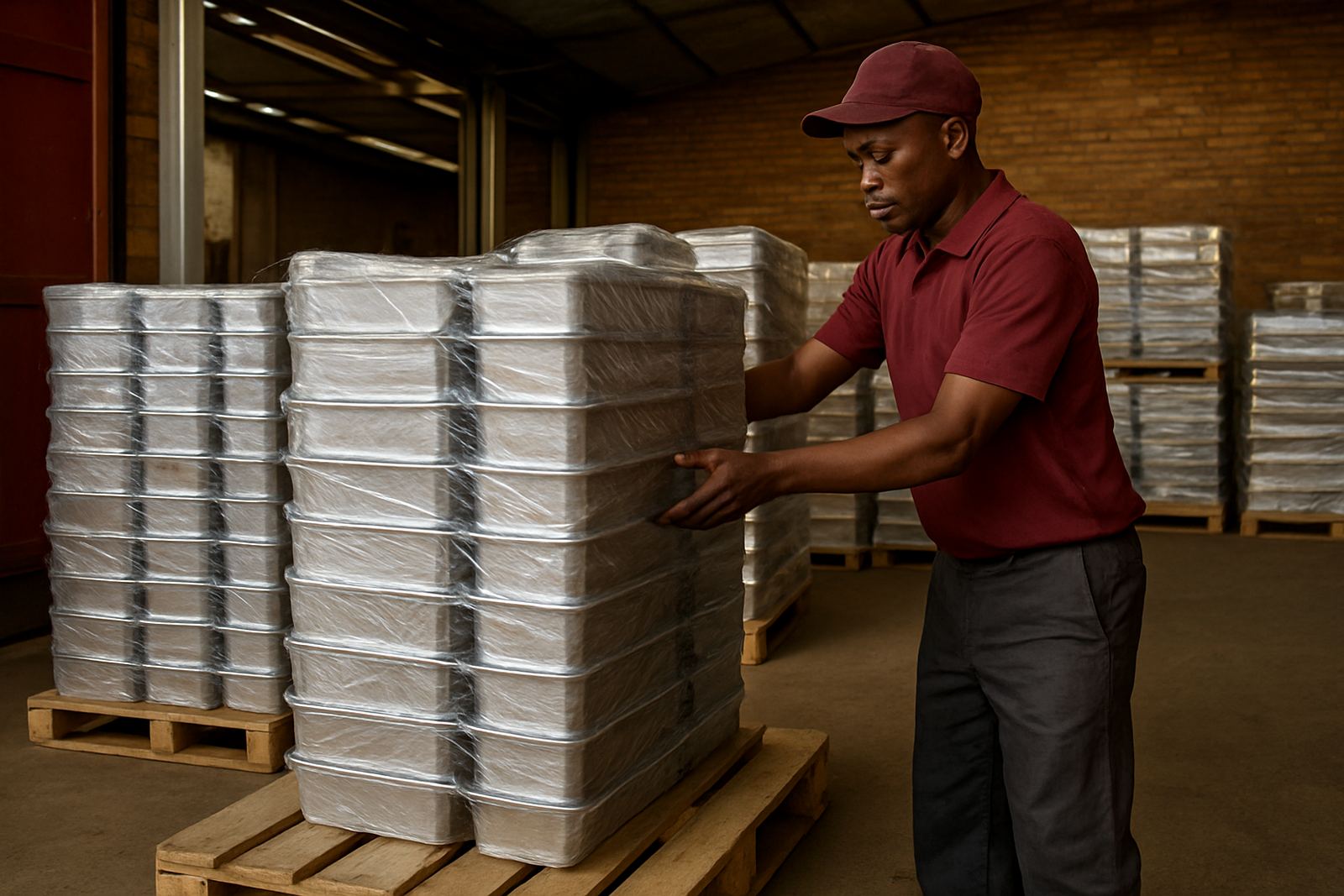
- Lids where products must stack for proofing, transport or short holding periods
In practice, a kitchen in Alrode or Germiston might use one tray type for early-morning baking and another for midday top-ups. If pies are part of the counter sale, flat trays or formed pans help keep pastry base consistent. If the business sells meal combos, the same oven can be used more efficiently when the tray format matches the product and not just the recipe. That saves labour and cuts waste from broken edges or misshapen items.
Layout planning for busy kitchens and tight prep areas
Before ordering trays, measure the actual oven shelf size, the cooling rack width and the storage space near dispatch. A common mistake is buying pans that are only a little too wide, which sounds harmless until staff have to tilt hot trays or leave gaps that waste oven capacity. In a takeaway kitchen, every centimetre counts.
We usually advise clients to plan the full route from prep table to oven, then oven to cooling and packaging. If the kitchen is in a township centre or inside a compact strip mall, the pass area may be narrow and staff may be working around customers, chips and hot-hold equipment at the same time. The tray shape should allow safe handling with gloves, without catching on door frames or shelving.
- Check shelf depth and side clearance before deciding on tray size
- Allow space for cooling and short holding so hot trays are not stacked too soon
- Match tray count to peak batch volume, not to an average day
- Keep one spare set for rush periods, breakdowns or load-shedding recovery
Where load-shedding is part of daily planning, lighter handling and faster batch turnaround matter even more. Kitchens often need to make the most of a short power window, so well-sized trays help get product through the oven in fewer runs. That makes a proper size check worth doing at the start, not after the first week of service.
Common mistakes that cost time and money
The biggest mistake is ordering by product name only and not by actual dimensions. A tray that is called a standard size in one kitchen may not fit the next oven, especially where older equipment has been mixed with newer units. Another mistake is choosing a light tray for heavy pie filling or repeated daily use. It may look cheaper upfront but it bends sooner and starts giving uneven results.
Some takeaway operators also overlook cleaning and corrosion resistance. In coastal humidity and even in humid storerooms inland, untreated mild steel can need more care. If the trays are stored damp or washed badly, they can age quickly. We make for practical use, so it helps to consider the cleaning routine, drying space and how often the items will be stacked.
It is also common to under-order. A kitchen with only just enough trays can end up stuck when there is a school order, a Friday lunch rush or a weekend function. Batch reorders are easier when the original sizes are recorded properly, and that saves a lot of back and forth later.
Budget ranges for takeaway kitchen tray sets
Budget depends on size, gauge, perforation, quantity and whether you need lids or special forming. For a small takeaway kitchen, a starter set can begin around R1 500 to R4 500 if you only need a few standard pans and trays. A busier site that needs several matched sizes for pies, rolls and baked extras may sit closer to R6 000 to R15 000.
If the order includes heavy gauge builds, lid fitting, divider inserts or prototype runs for a unique product, the cost will rise. That is normal when the tray must work with a specific dough weight, filling height or holding method. For chain stores, schools or contract catering kitchens, repeat batches are often the better value because the first copy sets the size and the later sets are quicker to quote.
Most clients in Gauteng find it useful to start with the main turnover item first, then add supporting trays once the menu settles. That way the kitchen does not overspend on equipment that looks useful but never gets regular use.
How we help takeaway kitchens get the sizes right
Bakery & Catering Equipment works from Alrode, Johannesburg South and supplies takeaway kitchens across Alberton, Germiston, Boksburg, Soweto and Midrand. We handle size matching, pan copying, lid fitting, tray perforating, baguette forming, divider inserts and heavy gauge builds. If you already have a tray that works well, we can copy it. If you only know the product and the oven size, we can help narrow it down.
For a new takeaway kitchen, the best approach is usually a simple first order with the most used pans and one or two trial formats for pies or rolls. If the kitchen is still refining the menu, prototype runs are worth considering before bulk buying. That avoids ending up with stacks of trays that do not suit the final layout or service style.
We also keep reorders practical. Once the sizes are confirmed, batch production is easier to manage and the kitchen can expand in steps as trade grows. For many operators that is the safest way to spend money without tying up cash in unused bakeware.