Pie tray construction for steady pie production
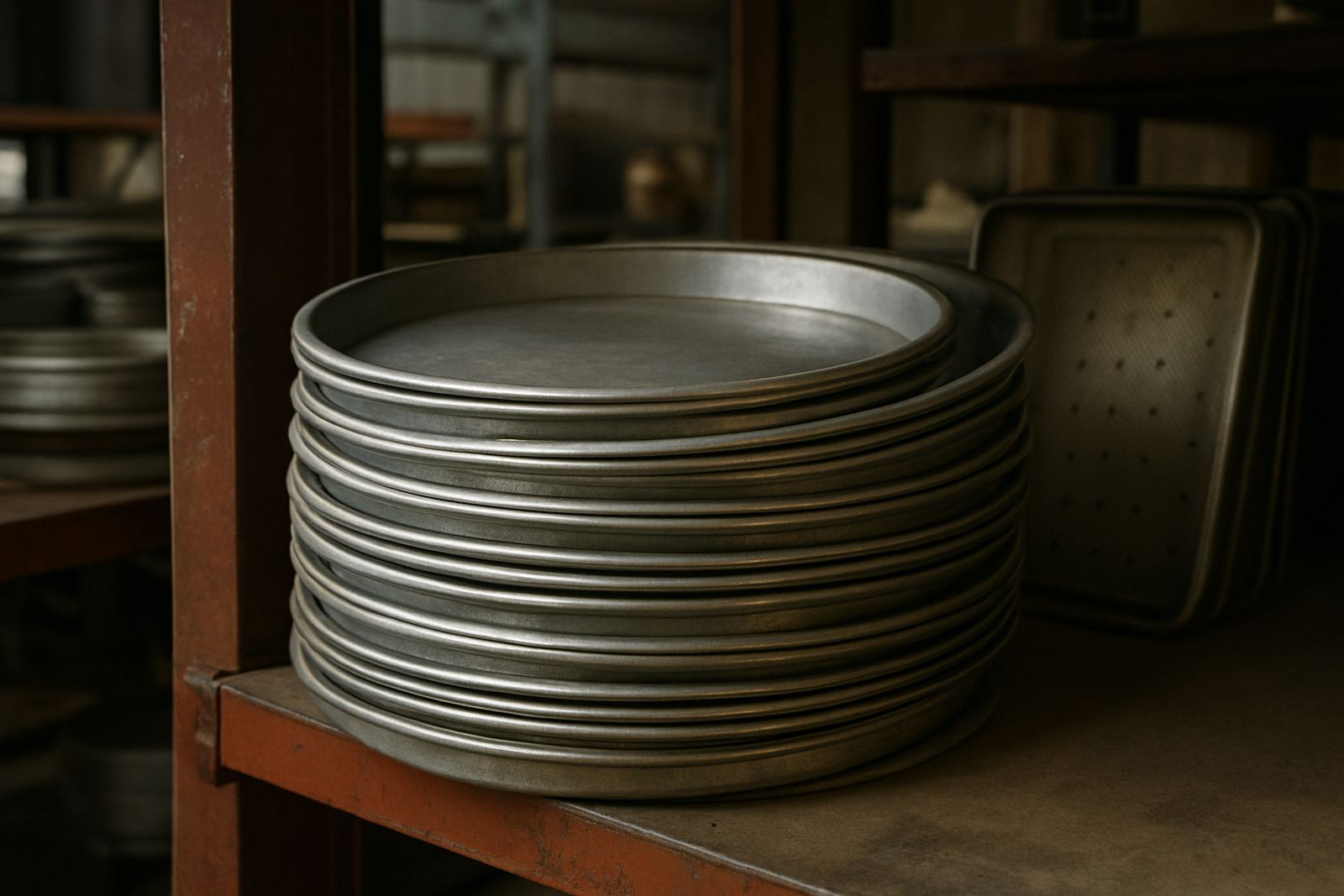
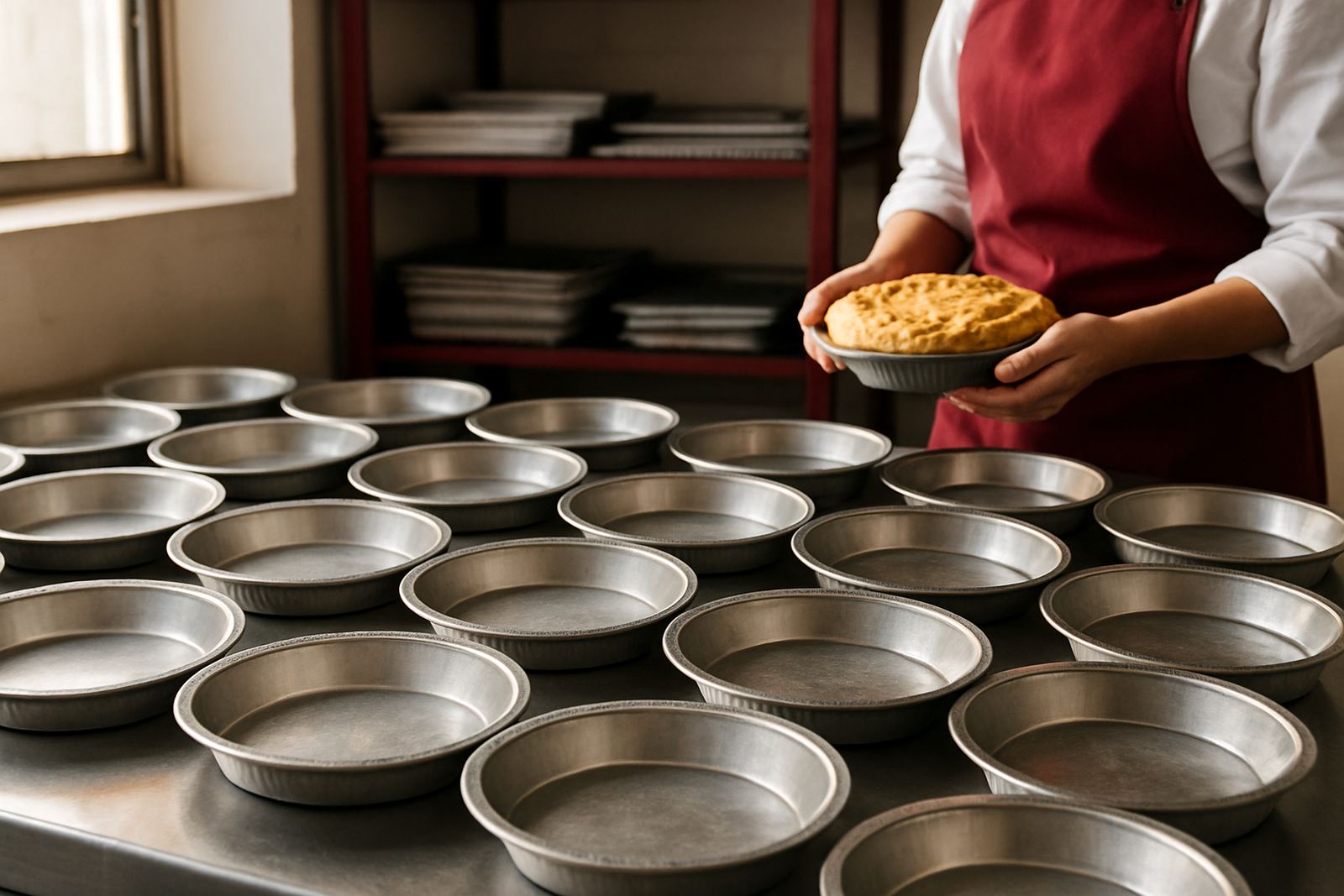
A pie tray is a formed bakeware tray used to hold pies during filling, proving and baking. In a bakery line it helps keep each pie in the same shape, with even spacing and neater edges, while in a takeaway prep area it makes batch work quicker and less messy. We manufacture pie trays for repeat use in South African conditions, including hot kitchens, long shifts and the kind of handling that comes with early morning production.
Depending on your process, a pie tray can be made with open bases, formed cavities or support edges that suit the pie size you produce most often. For bakeries in Johannesburg South, Germiston and Boksburg, the main benefit is consistency. You can portion filling, close and bake with less movement, which helps reduce spills and damaged crusts. If you need matching trays for a new line or a replacement for older stock, we can work from your sample or dimensions.
- Made for bakery and takeaway pie production
- Suitable for repeated oven use and daily handling
- Can be matched to your existing pie size
- Useful for batch prep, proving and transport
Sizes, formats and build options
Pie trays are usually specified by pie diameter, cavity depth and the number of portions per tray. We manufacture to suit your production needs, from single-cavity formats through to multiple-cavity trays for higher output. If you are running standard hand-held pies, family-size pies or special items for seasonal demand, the tray size should match the filling weight and pastry wrap. A tray that is too shallow can cause overflow, while one that is too deep may affect bake time.
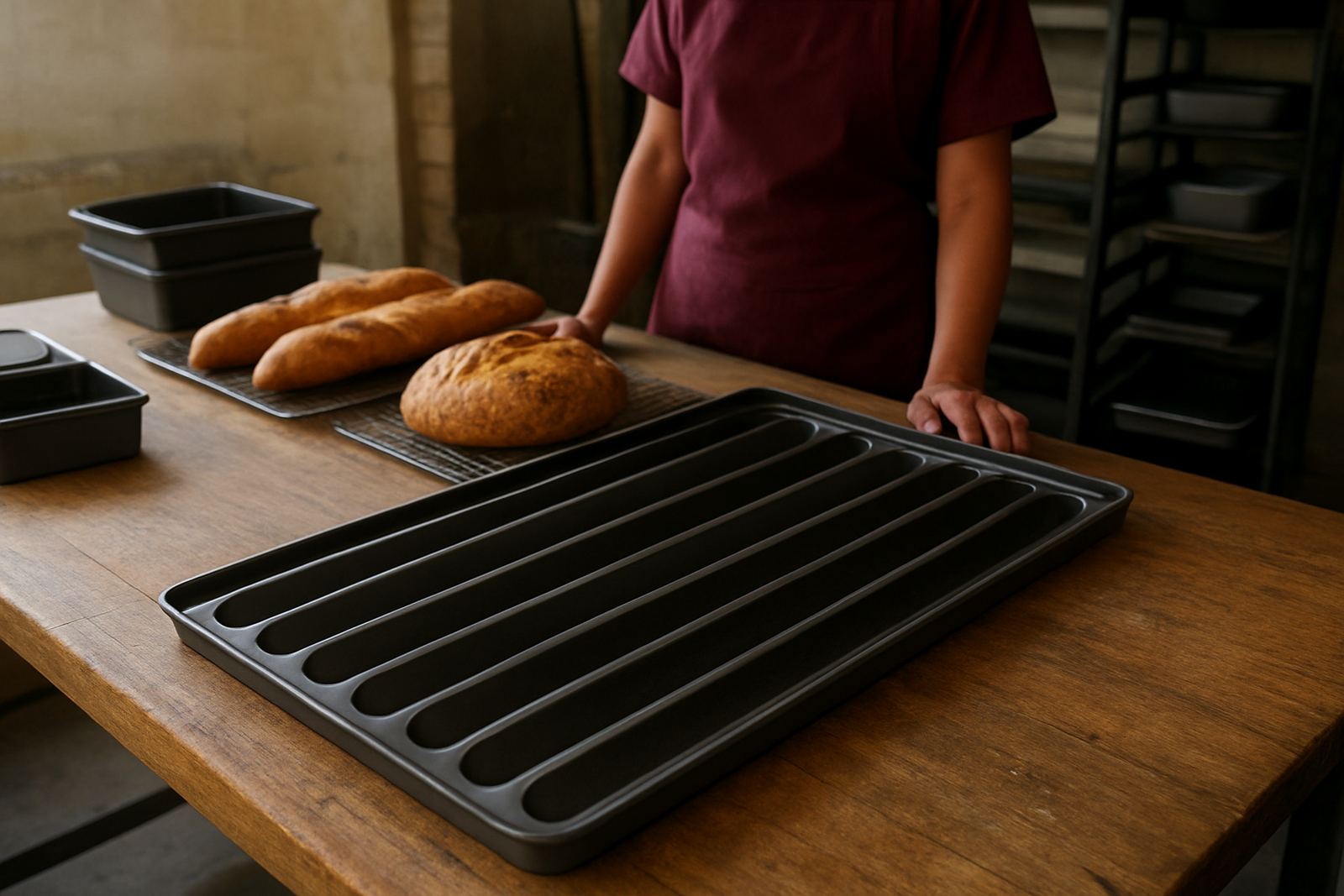
Common options include plain tray formats, formed recesses, or trays made to fit insert systems where you need better control during transport. We also produce heavier gauge builds where the tray is handled often or stacked in busy production areas. For bakers near the coast or in humid store rooms, material choice matters because moisture can affect wear over time. Ask for the thickness that suits your cleaning routine and oven temperature, not just the cheapest one.
- Single or multi-cavity pie tray formats
- Custom dimensions to suit your pie size
- Light duty and heavy gauge options
- Can be supplied for batch reorders or prototype runs
Where pie trays suit best in your operation
Pie trays are used in bakery kitchens, takeaway preparation areas, school food kitchens, wholesalers and small food factories. They are especially useful where portion control is important and the team needs a repeatable method. In a bakery you may use them during filling and final proofing, while in a takeaway shop they help with faster turnarounds when orders come in around lunch or after school times. If your operation is affected by load-shedding, a tray system that keeps products organised before baking can save time when power returns.
We supply across Alrode, Alberton, Soweto, Midrand, Germiston and Boksburg, and we often see the same challenges in each area: limited bench space, changing labour shifts and the need to keep pies moving without mix ups. A good tray setup helps with that. It also makes stacking and dispatch easier because products sit more evenly, so you can move trays from prep to oven to cooling racks with fewer damaged pies.
- Bakery production lines
- Takeaway preparation counters
- School and contract food kitchens
- Small manufacturers and wholesale bakeries
Oven use, handling and plant requirements
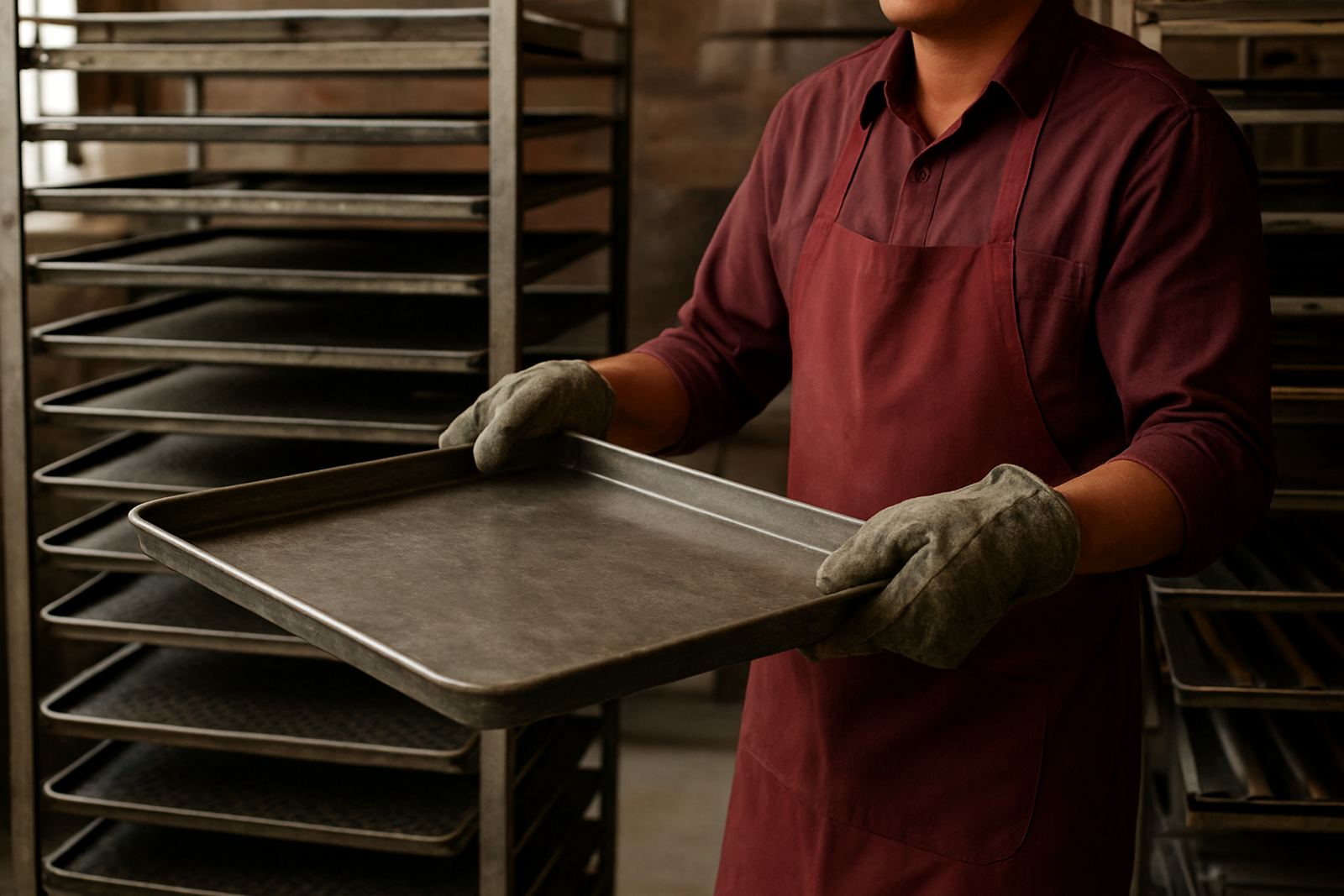
Pie trays do not usually need special power or gas fittings, but they must suit the oven system and the way your team handles hot bakeware. If you are using deck ovens, convection ovens or gas-fired ovens, the tray material and gauge should match the heat cycle and loading method. Heavier trays stay flatter under heat, while lighter trays are easier to handle but may wear faster if stacks are lifted often. If your kitchen has fast turnover, ask for a format that can be moved by gloved staff without flexing too much.
There is no installation as such, but the tray should fit your racks, trolleys and proofing space. Measure shelf width, tray clearance and the height available in your cooler or holding cabinet. If the trays are going into a humid prep room, keep them off wet floors and allow air flow after washing. In some municipal food premises the cleaning area is inspected closely, so a tray that drains and dries quickly can help keep things orderly.
For operations with small ovens or repeated cycles, we can advise on tray count so you dont end up short during peak hours. Matching your tray stack to the number of pies baked per batch is a practical way to avoid bottlenecks.
Care, cleaning and servicing over time
Pie trays last longer when they are cleaned soon after use and dried properly before stacking. Remove pastry scrap, oil and filling residue before it hardens, because baked-on material makes the next clean slower and can affect product release. For mild-steel trays, avoid leaving them wet overnight. In Gauteng winter air this can still lead to surface marking, and in coastal conditions it can happen faster. If your trays are perforated or formed, use a brush that gets into corners without bending the metal.
We can service repeat orders, make replacements and copy existing tray patterns when a line expands or old stock wears out. If a tray has warped, cracked at a corner or no longer fits the rack properly, it is better to replace it before it starts causing product loss. A quick check after each shift helps spot damage early. Small faults grow into bigger ones when the same tray is pushed through a full production week.
- Clean soon after use and dry before stacking
- Keep trays off wet floors and damp storage areas
- Check for warping, sharp edges and loose form lines
- Replace damaged trays before they affect output
What to check before placing an order
Before ordering pie trays, confirm the pie size, number of pieces per tray and the oven or rack dimensions. If you already have a working tray, send the sample or give the exact measurements so we can match it properly. It also helps to tell us whether the tray will be used for proofing, baking, transport or all three. A tray used only for transport can differ from one that goes straight into a hot oven.
We also need to know your preferred material thickness, whether you need perforation, and if the tray must fit with dividers or inserts. If your factory runs batch reorders, we can keep the size on record for quicker repeat supply. For new builds or prototype runs, it is best to start with one test tray before scaling up. That way you can check release, bake colour and handling in your own kitchen rather than guessing.
- Pie diameter and filling depth
- Tray quantity per batch
- Rack, oven and trolley measurements
- Material thickness and finish required
- Whether the tray must stack, nest or fit an insert system
Key facts
| Product type | Pie tray for bakery and takeaway production |
|---|---|
| Material | Mild steel, other options on request |
| Formats | Single-cavity and multi-cavity tray builds |
| Use | Proofing, baking, transport and batch handling |
| Finish | Plain, perforated or formed to sample |
| Supply area | Alrode, Johannesburg South, Gauteng and surrounding areas |