1. Start with a cooling and sorting step
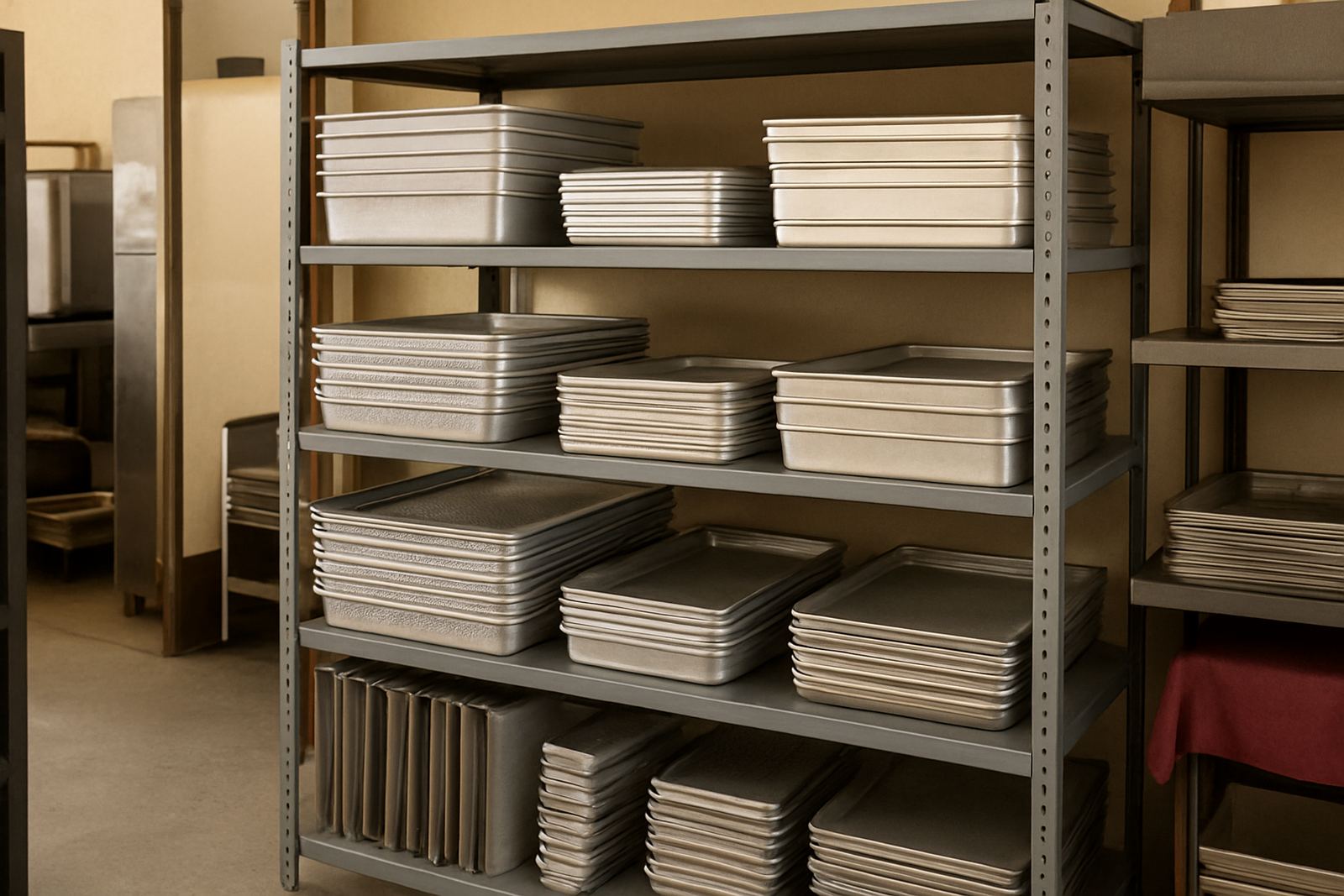
Before any washing starts, let pans and trays cool enough to handle safely. Moving hot bakeware straight into water can warp lighter sections, loosen joints and cause steam to carry grease back onto the surface. In busy bakeries, the best method is a clear cool-down zone near the oven, then a sorting table for bread pans, lids, perforated trays and baguette trays.
Separate items by type and by condition. Pans with heavy dough residue should be stacked apart from trays that only have flour dust and crumbs. This saves time and keeps the wash water cleaner for longer. If you run different products through the same shift, label the stacks so your team does not mix BO3, BO4 and BO5 sets by mistake.
- Remove items from the oven area only once they are safe to handle.
- Sort by product size and tray type before washing.
- Set aside any warped, cracked or badly dented items for inspection.
- Keep a separate pile for lids, inserts and loose fittings.
2. Remove crumbs, flour and baked-on residue first
Dry cleaning before wet washing makes the job faster and more effective. Use a soft brush, plastic scraper or cloth to remove loose crumbs, burnt flour and oil film. This is especially important on perforated trays, where residue can sit in the holes and affect airflow on the next bake. Do not use sharp steel tools unless you are clearing a specific stuck patch, because they can scratch coatings and thin mild-steel surfaces.
For bread pans, pay attention to the corners and fold lines where dough collects. Lids often trap moisture and crumbs on the inside edge. A quick pre-clean also helps with hygiene, since leftover product can attract pests in warm areas like Germiston, Soweto and Midrand where loading bays may stay open during long shifts.
- Brush out crumbs before adding water.
- Scrape off thick deposits gently, not aggressively.
- Check perforation holes and tray edges for trapped dough.
- Wipe the underside of lids and the base corners of pans.
3. Wash with warm water and the right cleaner
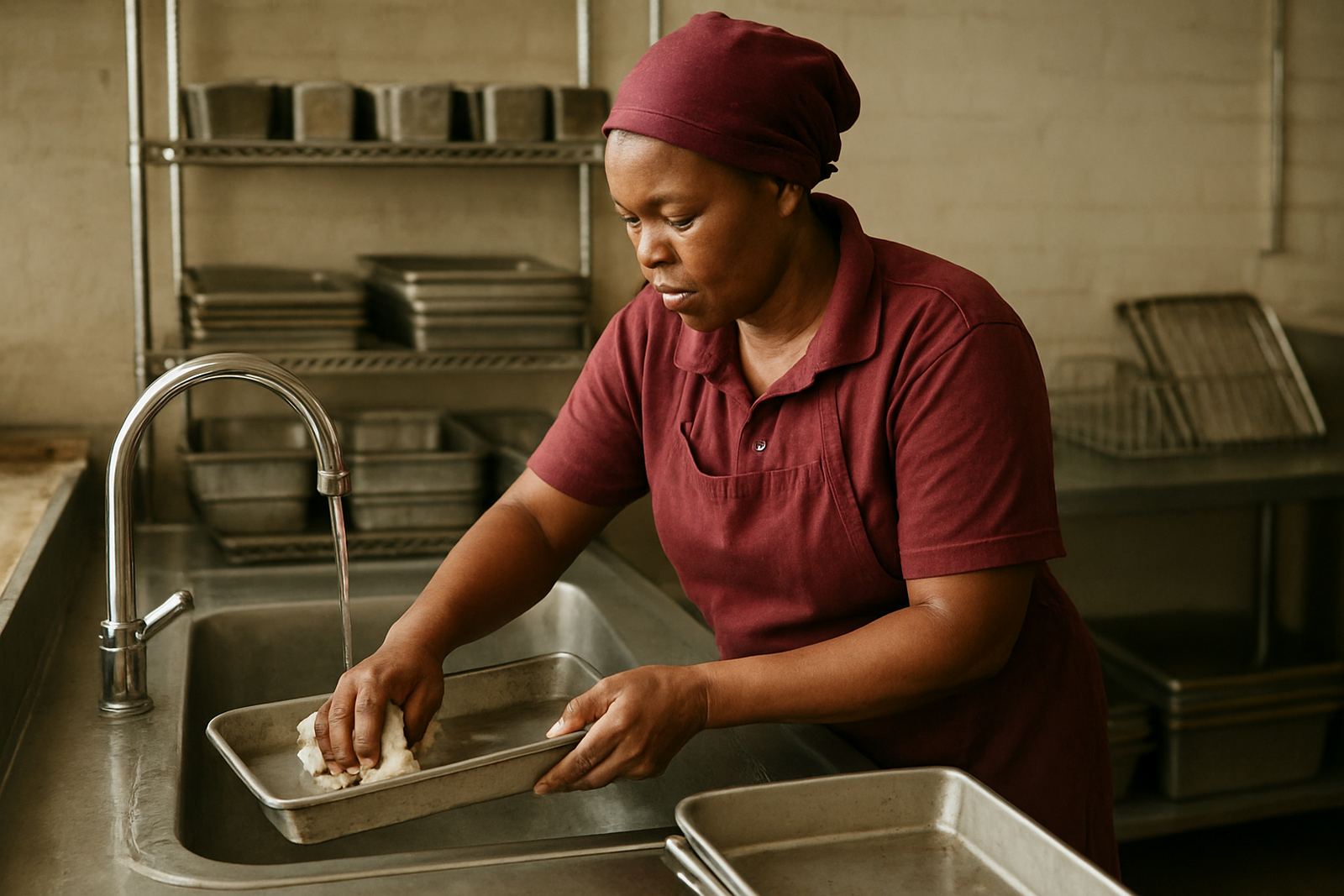
Use warm water and a mild detergent that suits food equipment. Very strong chemicals may leave a smell, affect finish or shorten the life of the metal. For daily cleaning, the aim is to remove grease and sugar without stripping the surface. A bucket wash, sink wash or spray-and-wipe method can all work, provided the water is changed when it becomes dirty.
For heavy grease, let the items soak for a short time, then wipe again with a non-abrasive pad. If you are working in an area where water is hard, such as parts of Gauteng, rinse properly to prevent mineral marks. This matters on visible trays and on fitted lids, where residue can sit at the edges and make stacking difficult. cleaning up after shift is worth it, because neglected film builds up quickly.
- Use warm water, not boiling water.
- Choose a mild, food-safe cleaner for daily use.
- Rinse away all detergent so no film is left behind.
- Do not use abrasive powders on thin sections or fitted edges.
4. Dry fully before stacking or storing
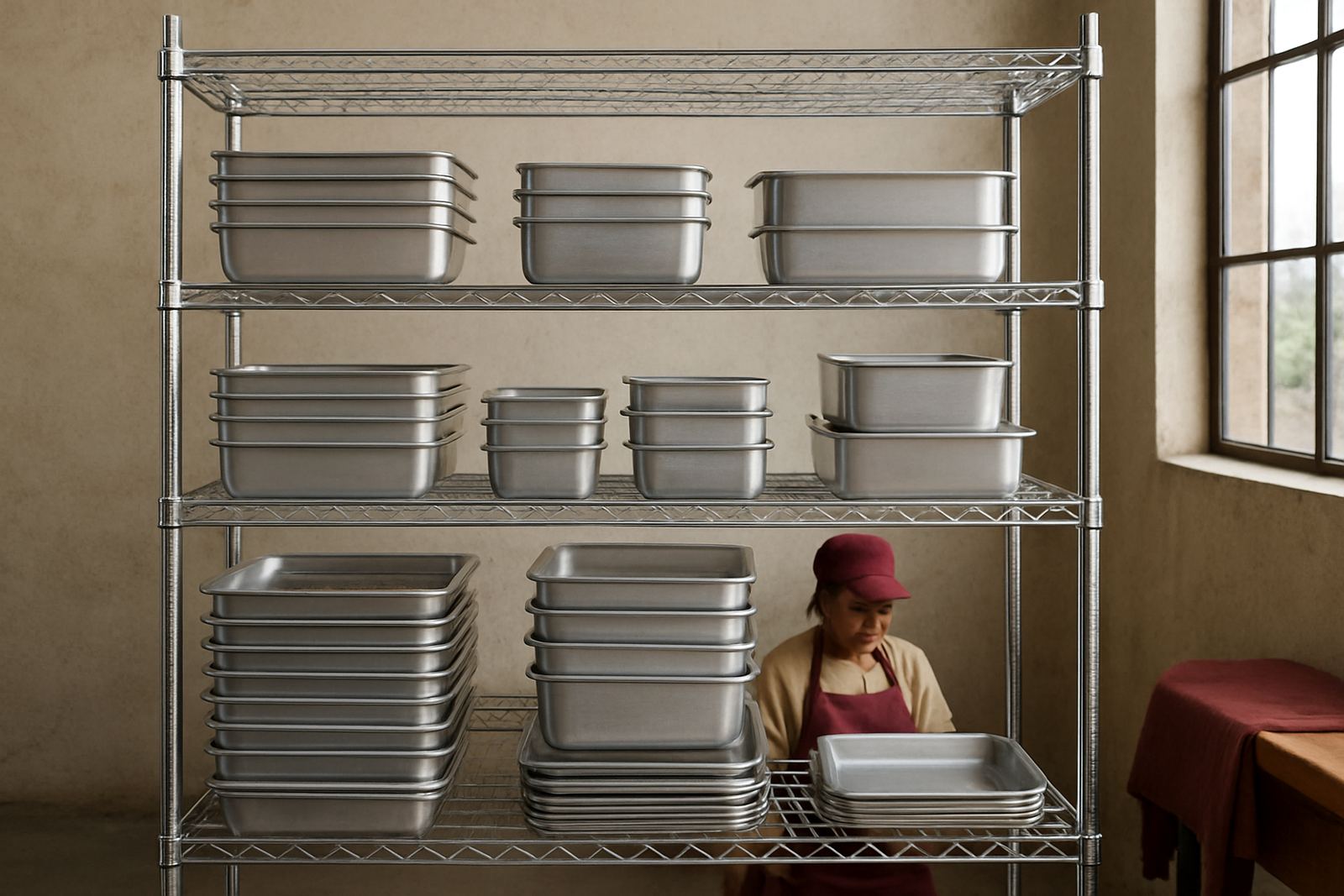
Drying is one of the most important parts of the routine, especially in coastal humidity or in storage rooms that cool down overnight. Any trapped moisture can lead to rust spots on mild-steel bakeware, staining on trays and sticking on the next bake. After washing, place items on racks or clean tables with enough airflow around them. If you stack them while still damp, the inside surfaces can hold moisture for hours.
For trays with perforations, tilt them slightly so water can drain from the holes. For bread pans and lids, wipe the seams, folded edges and handles. If your bakery runs overnight shifts or load-shedding backup power, make sure the drying area does not sit in a dark corner where staff miss wet spots. A simple towel pass at the end helps, but air drying should finish the job.
5. End-of-shift checks for damage and wear
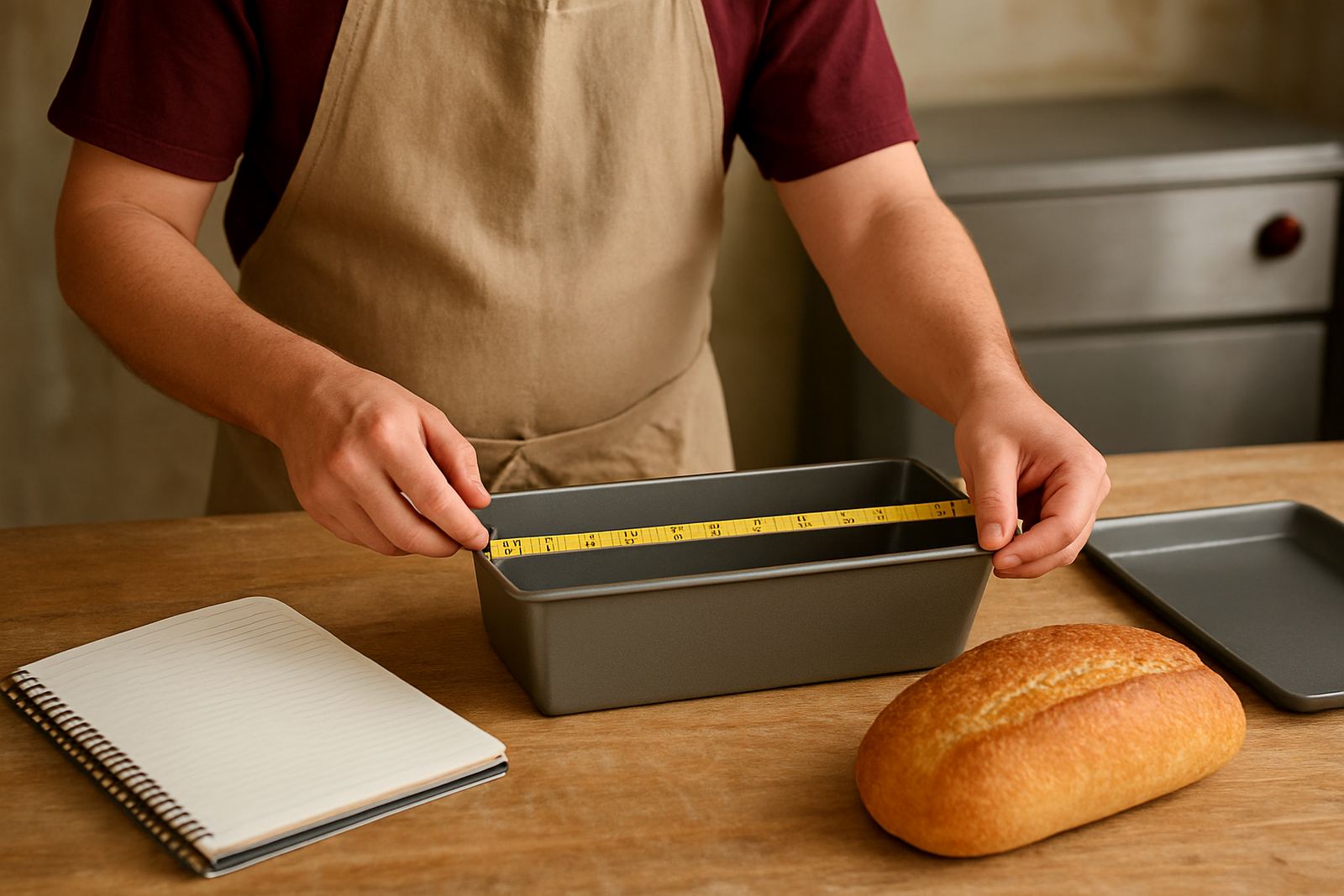
A daily clean is also the best time to spot small issues before they become lost production time. Look for bent corners, loose welds, worn edges and any section where dough is sticking more than usual. If a pan is starting to twist, it may not sit flat on the shelf or in the oven and that can affect loaf shape. Lids should close properly without forcing.
Train one person on shift to do a quick inspection during packing away. On a full bakery line, that small habit can save a lot of trouble the next morning. If a tray is dented or a pan is no longer matching the rest of the set, remove it from service and mark it clearly. That way it does not get mixed back in by mistake.
- Check for rust spots, dents and bent corners.
- Test lids for a proper fit, not a forced fit.
- Remove damaged items from daily use.
- Record repeat faults so reorders can be planned early.
6. Simple cleaning checklist for the night shift
A short checklist keeps the routine consistent, even when the shift is busy. Use the same order every day so nothing gets missed. In bakeries with several teams, post the list near the wash area and storage racks. This helps new staff and reduces confusion when the handover is quick.
Here is a practical daily order that works well for bread pans, lids and trays. It is simple enough for a small bakery in Alberton and still useful for a larger operation in Johannesburg South with batch reorders and mixed tray sizes.
- Cool down the bakeware safely.
- Sort by type and size.
- Brush off crumbs and loose flour.
- Wash with warm water and mild detergent.
- Rinse well and remove all soap.
- Dry fully on racks or clean tables.
- Inspect for damage before stacking.
- Store in a dry, covered place.
When this routine becomes part of the shift, pans last longer and your team spends less time fighting stuck loafs, dirty trays and avoidable rework.