1. Check the delivery before anything goes into the oven
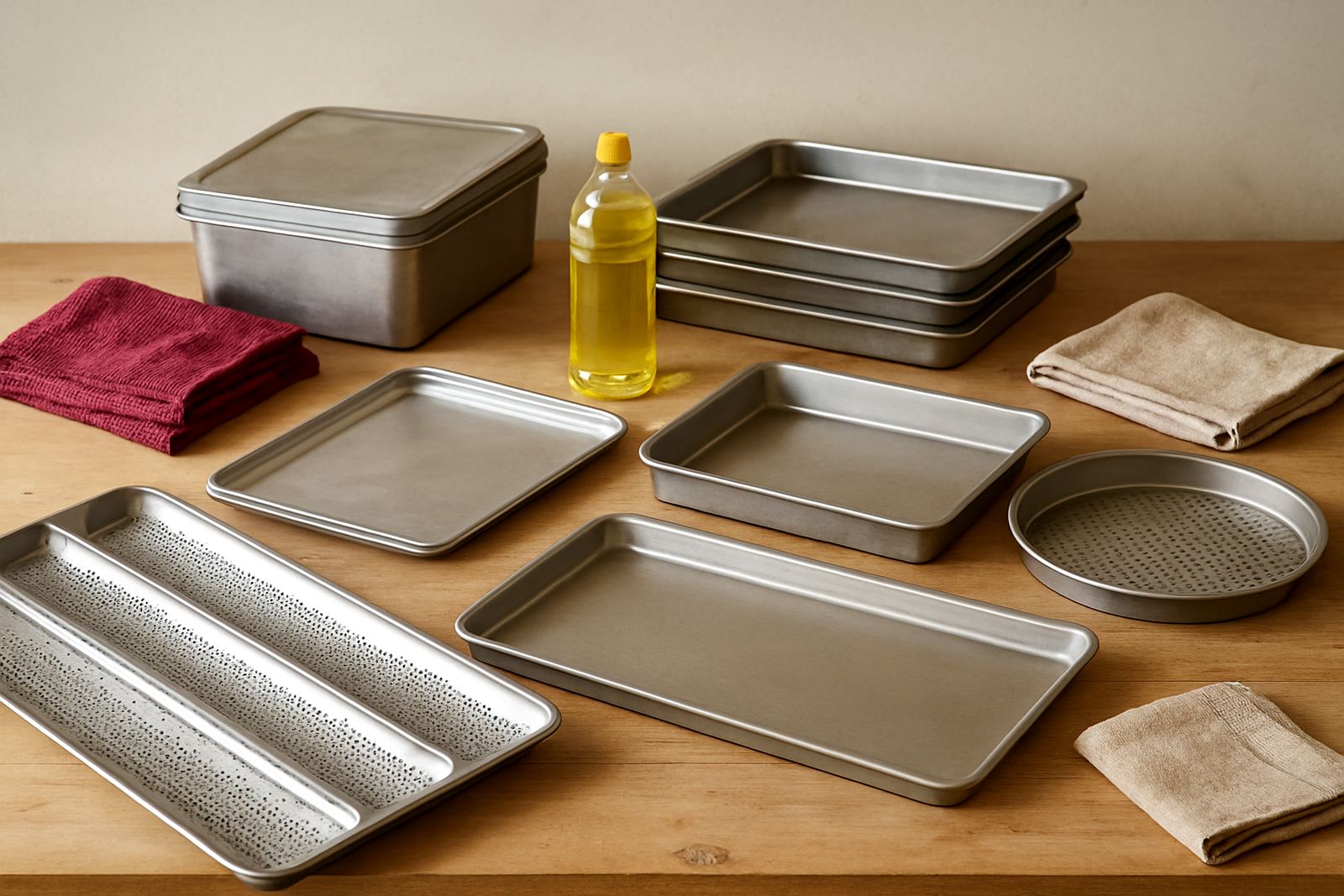
Open every carton and compare the contents with your order note. Check bread pans, lids, perforated trays and baguette trays for dents, sharp edges, warped corners or a lid that does not sit properly. If you are in a busy plant in Alrode, Germiston or Boksburg, do this while the goods are still on the pallet so any issue can be logged straight away.
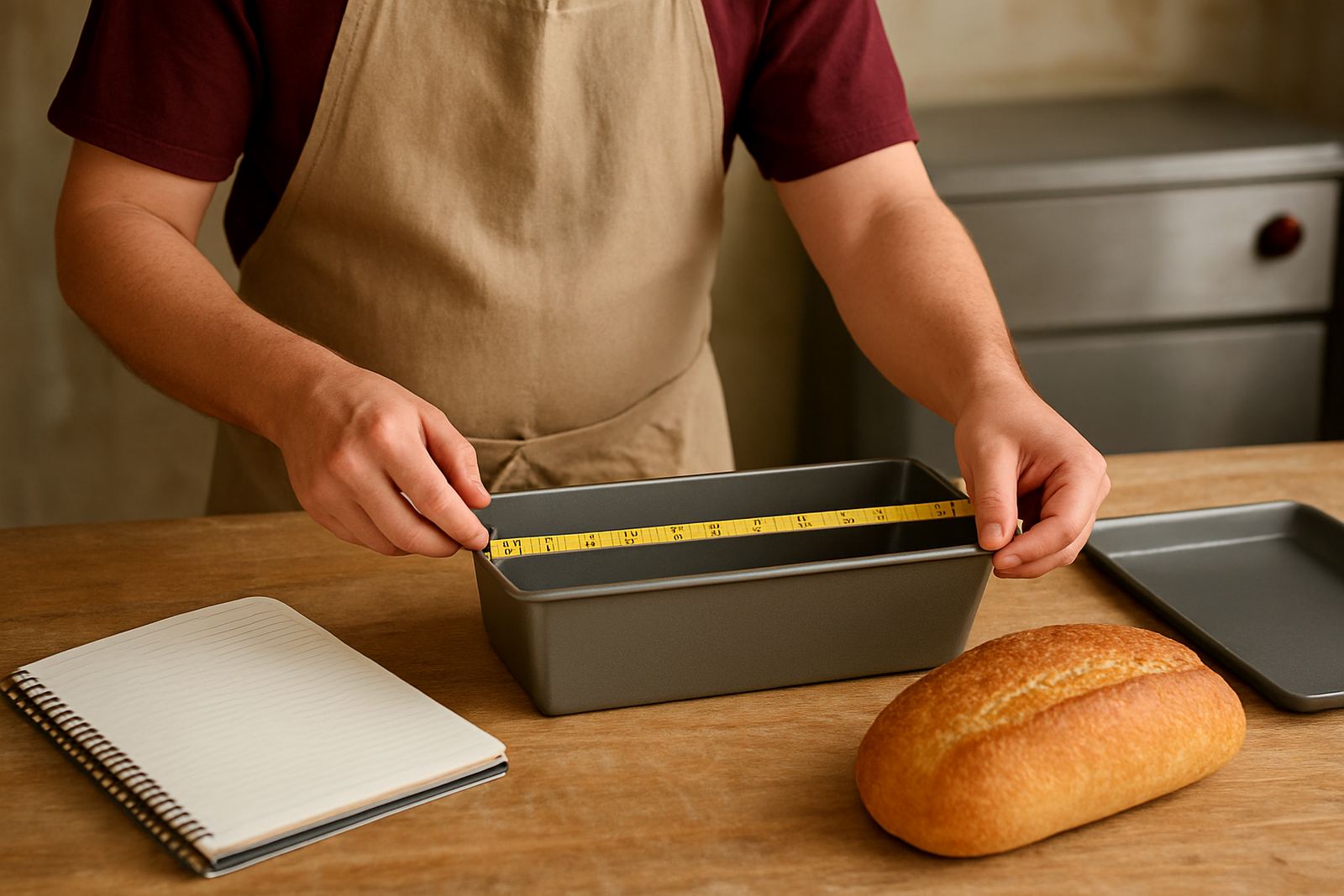
Look at the finish on the metal and make sure the item matches the size you planned for your tins, racks and rack ovens. A small size miss now can become a daily problem later, especially where lines are set up for steady batch output.
2. Remove dust, packing residue and any workshop oils
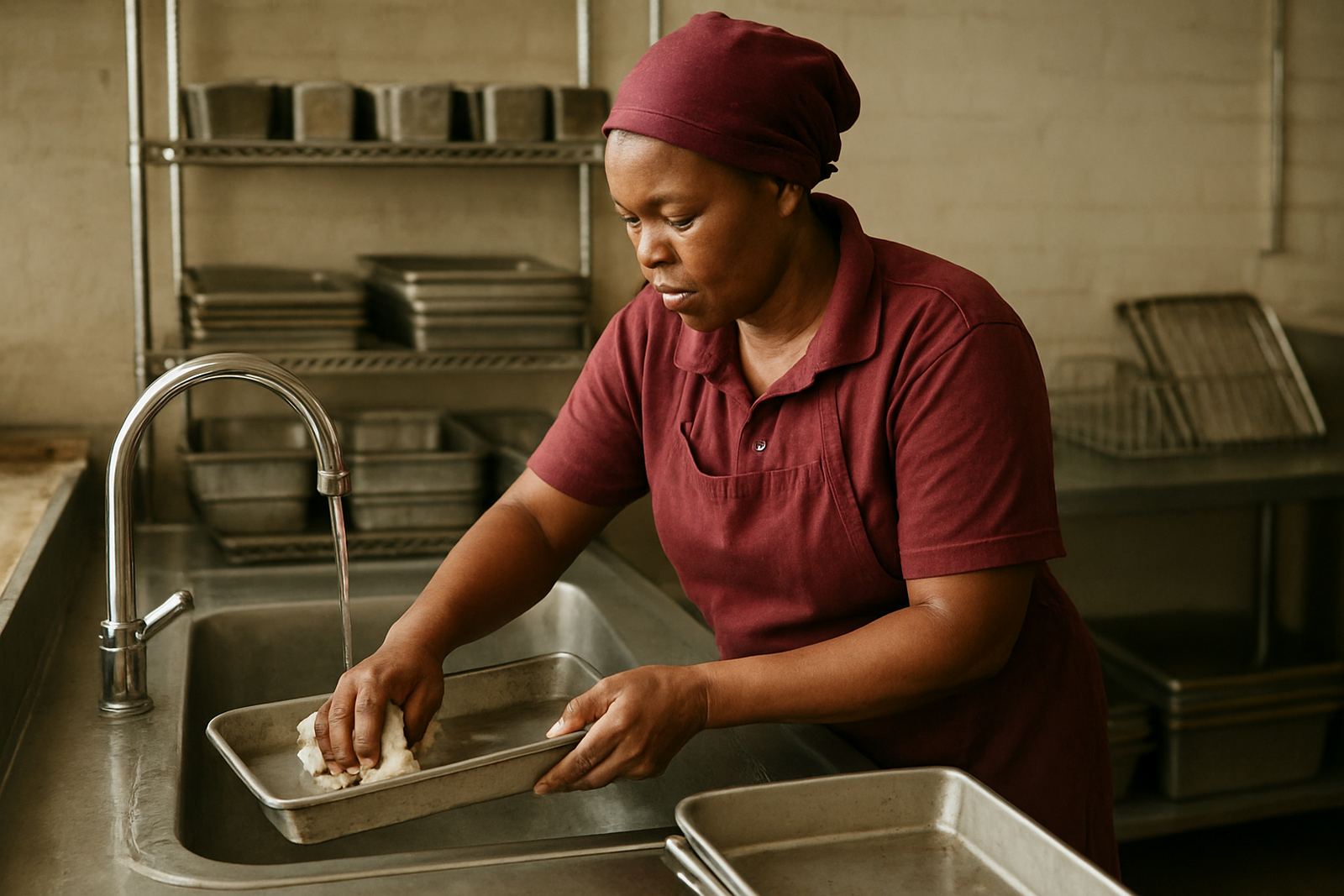
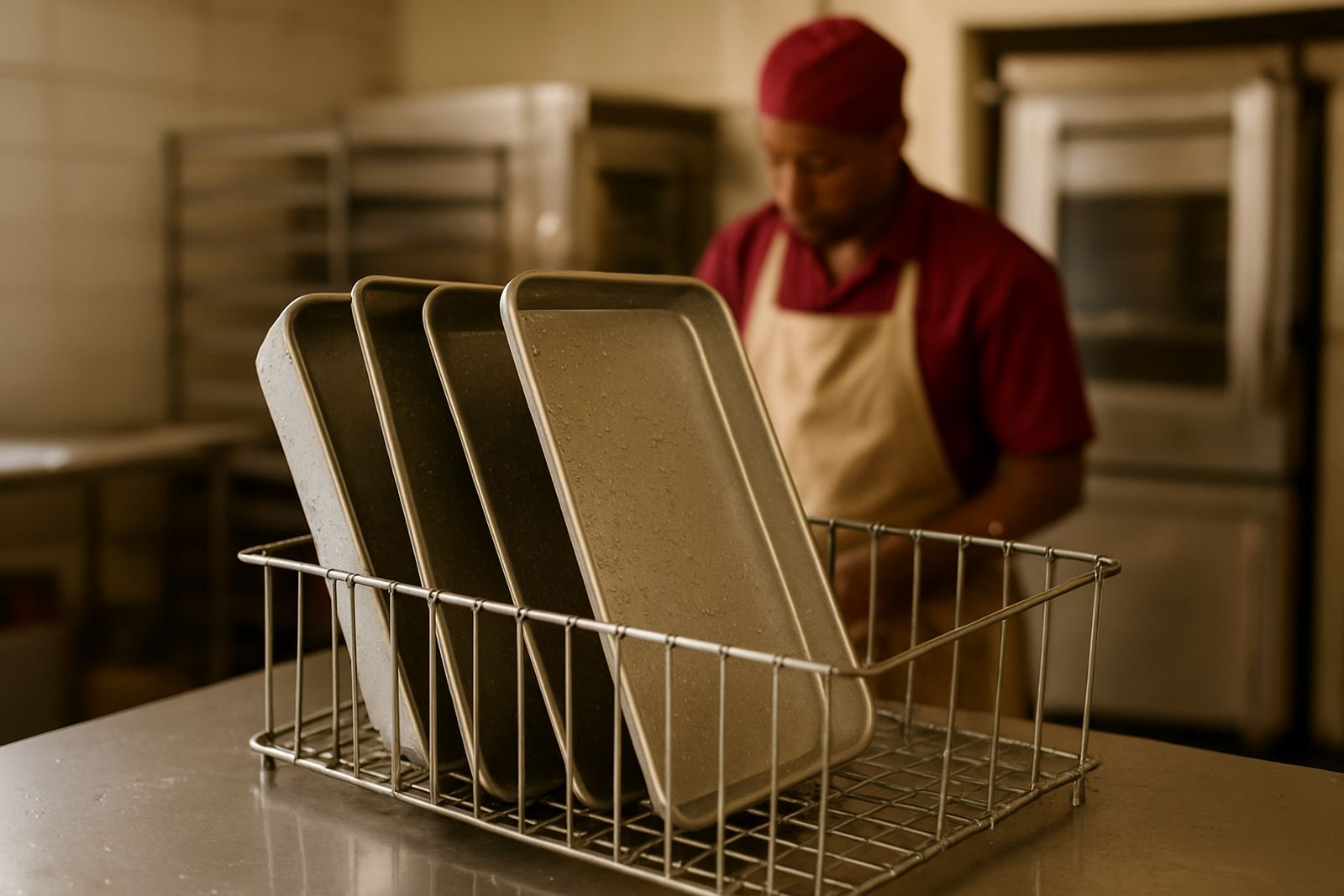
Before first use, wash each item with warm water and a mild degreasing detergent. New bakeware can carry fine metal dust, handling marks or light oil from the forming process. Rinse well and dry fully with clean cloths or let it air dry in a clean area.
Do not leave water in the corners of bread pans or in the perforations on baking trays. In coastal humidity or during load-shedding when rooms stay warm for longer, trapped moisture can mark the surface or leave a stale smell on the first bake.
- Warm water
- Mild detergent or degreaser
- Non-abrasive cloth or sponge
- Dry rack or clean towel
3. Season the surface where your production calls for it
If your pans or trays are not pre-coated, lightly oil the inside surfaces before the first bake. Use a thin film only, then wipe off the excess so it does not pool in corners. This helps reduce sticking and gives the metal a better start in daily use. Too much oil can smoke, stain liners and attract flour build-up.
For bread pans used on high-volume runs, many bakeries do a short seasoning bake before shifting to full production. It is a simple step, but it can save time on the first few days of service. Keep the heat moderate, and never use harsh abrasives that scratch the finish.
4. Test the fit with your tins, racks and oven space
Before full production, place the pans or trays on the rack and check spacing from side to side, front to back and above to the next shelf. Lids should close without forcing, and divider inserts must sit square in the pan body. If trays are tight, bent or rubbing on the oven guides, sort that out before the first batch goes in.
This is important for factories working with mixed equipment or older ovens in Soweto, Midrand and older parts of Johannesburg South. A tray that is just a few millimetres out can slow down loading, cause poor air flow, or make a baker skip a slot altogether.
- Check rack fit with an empty tray
- Confirm lid clearance
- Confirm oven rail clearance
- Make sure handles or folded edges do not snag
5. Run a small test batch before full production
Use a short test run with normal dough weight and your usual bake time. Watch how the product releases, whether the colour is even, and whether any side is getting more heat than the other. If you use perforated trays or baguette trays, check the underside finish as well as the top.
Record what you see. Keep note of the oven setting, rack position and release time so your team can repeat the result later. A good first run gives you a baseline for future batch reorders and helps when you need to match new pans to older stock.
6. Put a simple care routine in place from day one
Once the bakeware is in use, clean it after each shift and dry it properly before stacking. Do not throw hot pans straight into cold water because that can twist the metal over time. Store pieces on level racks, not leaning against walls or stacked unevenly, since that can bend the lips and make lids sit badly.
For bakeries close to the coast, keep an eye on surface moisture and wipe equipment sooner if the air is damp. In plant areas where power interruptions are common, avoid leaving pans full of wet dough for long periods because residue hardens fast and is harder to remove later.
- Clean after each shift
- Dry fully before stacking
- Store on level racks
- Inspect weekly for bends or scratches
7. A short first-use checklist for supervisors
Before sign-off, have the shift leader or production supervisor tick off the basics. This takes only a few minutes and helps avoid early returns, especially when a new batch of pans, trays or lids is being introduced to a busy line. Keep the checklist with your records so the next reorder can be matched more easily.
Use this quick check: correct size, clean surface, dry finish, good fit, even test bake, and safe storage point. If all six are right, the bakeware is ready to enter the production cycle.
- Size matches the order
- Clean and dry
- No dents or sharp edges
- Fit checked on rack and oven
- Test batch completed
- Stored in the correct place