Why tray rotation matters in a working bakery
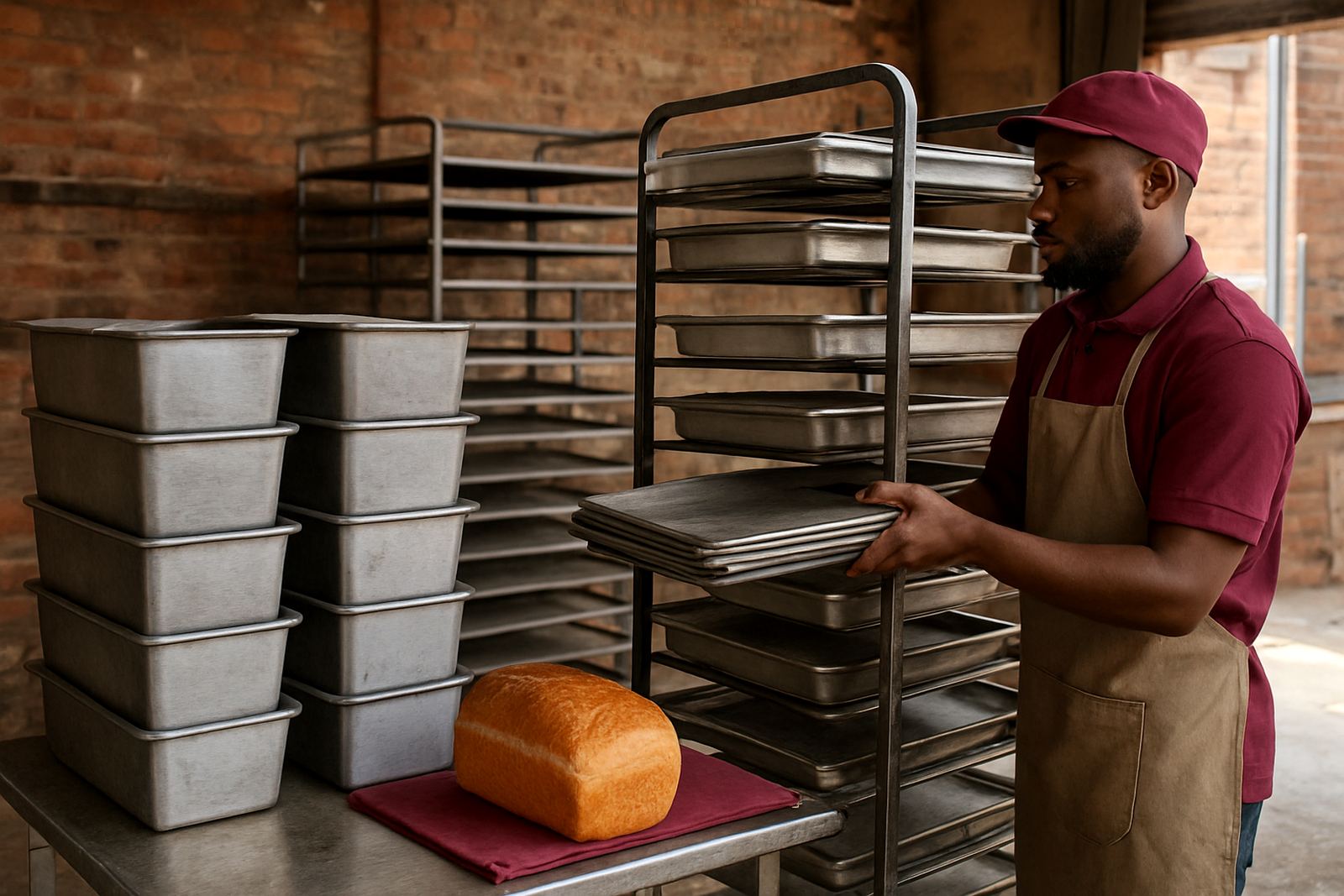
In a busy bakery, the same pans and trays often come back into the oven shift after shift. That means the front rows, the same shelf positions and the same handling points take the most wear, while other stock sits idle. Over time you get uneven browning, bent corners, tired welds and lids that no longer sit properly.
A simple rotation plan spreads the load. It also helps your team spot damage early, before a tray starts marking product or slowing down production. If you bake through load-shedding windows, the pressure goes up even more because teams may rush changeovers, so a clear tray routine keeps things steadier.
Set up your stock by age, not just by size
Start by grouping bakeware into working sets. Keep the newest, straightest trays in one group and move older items into the next cycle. Do not leave all the good pans on one rack and all the tired ones at the back, because the same pieces will keep getting chosen first.
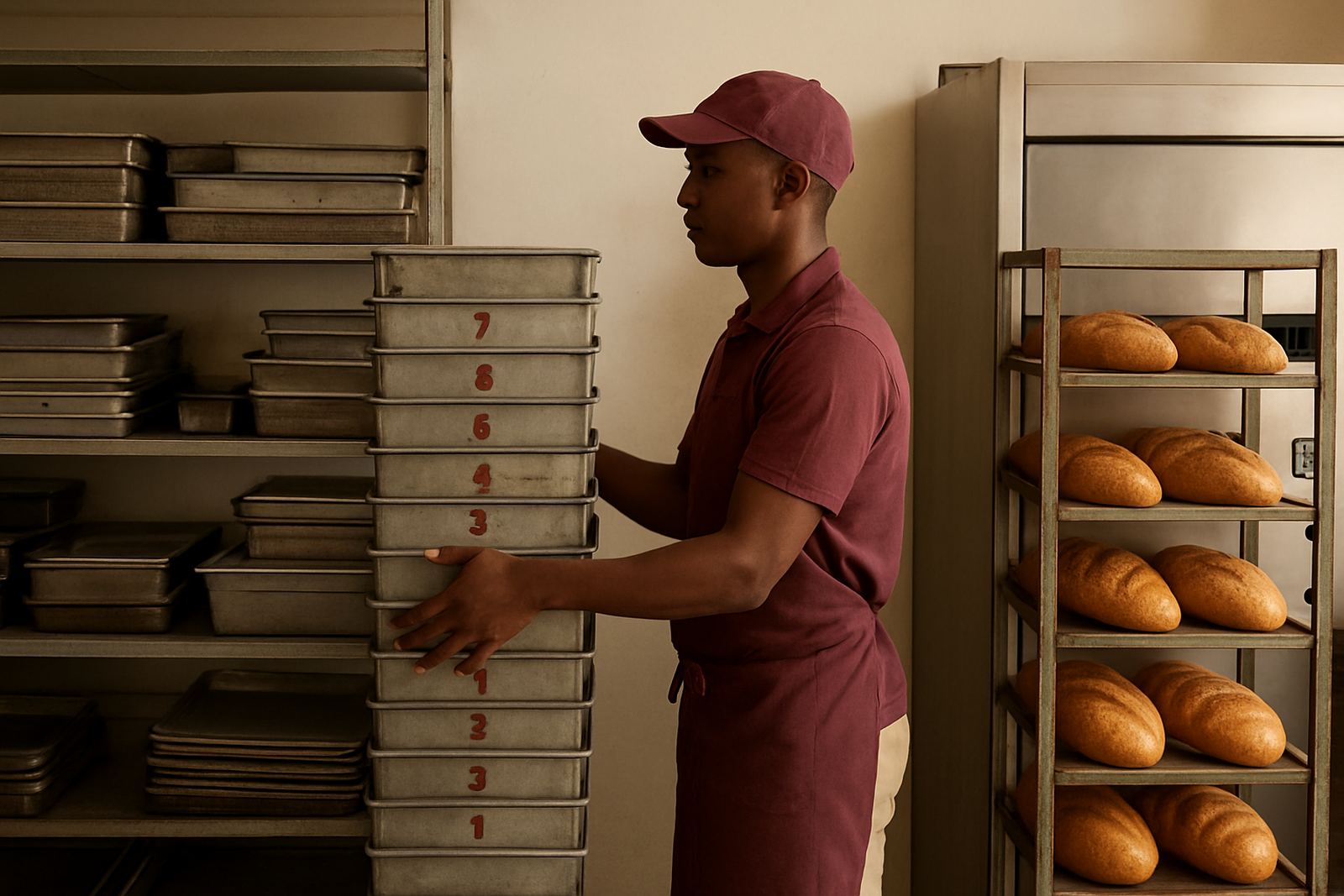
- Mark each tray or pan with a simple code for purchase batch or month received
- Separate daily use stock from backup stock and repair stock
- Keep matching lids with their pans so fit does not get mixed up
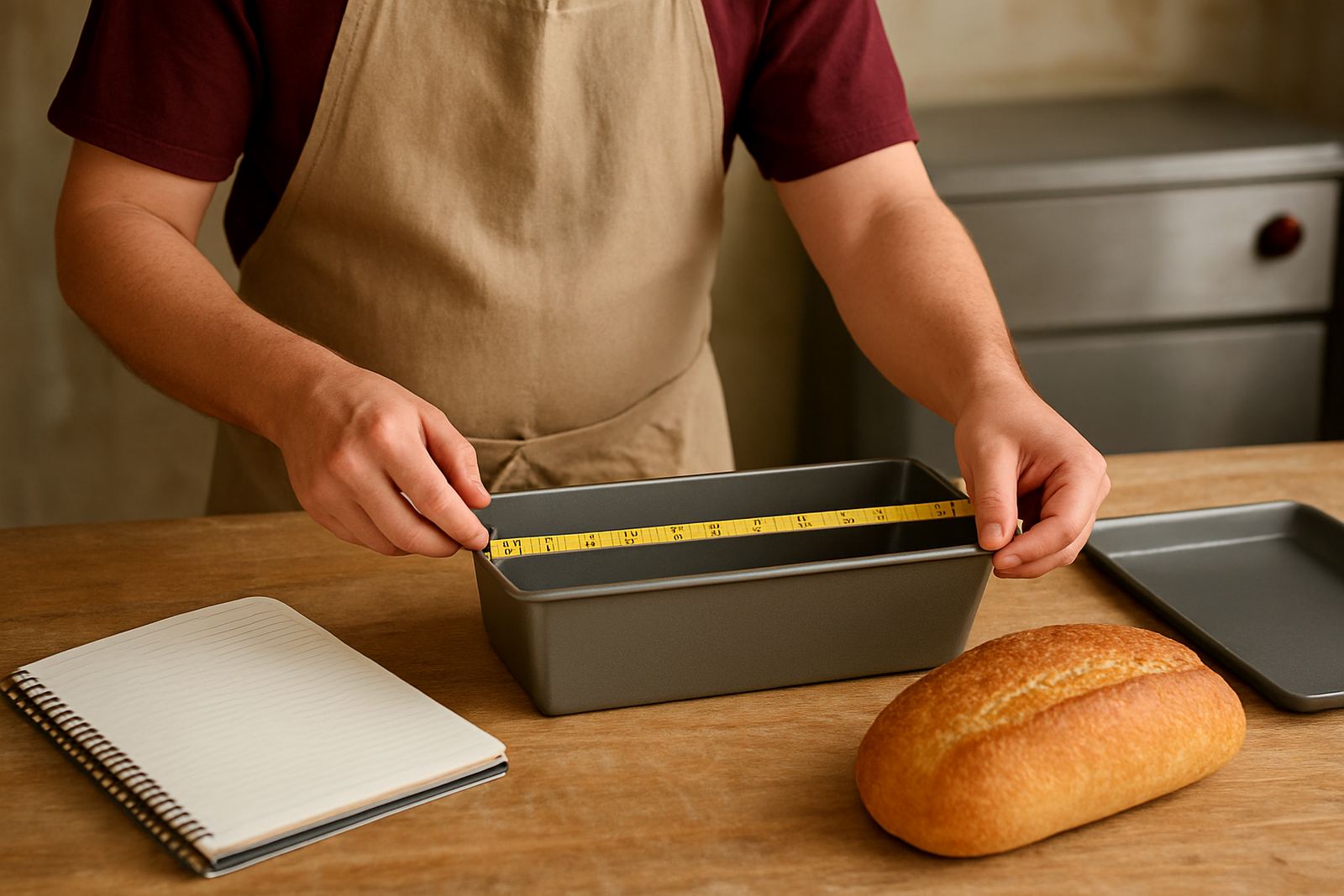
- Record size, depth and any special features such as perforation or divider inserts
If your bakery copies existing pans or uses custom sizes, this grouping helps you see which pieces are lasting and which are being overloaded. It also makes batch reorders easier when you need to replace a whole set at once.
A practical rotation method for each shift
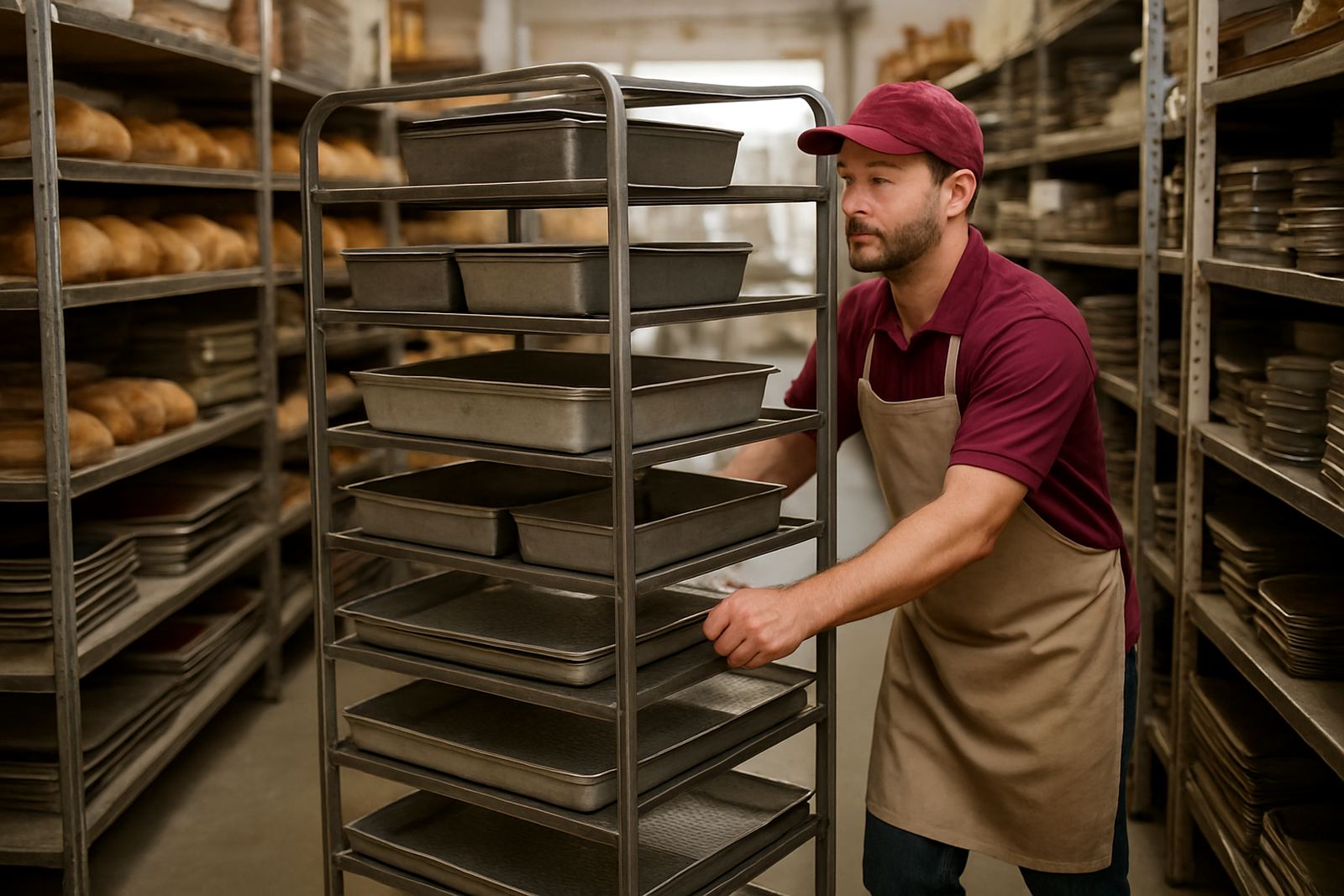
Use a front to back or top to bottom movement system. For example, trays used on Monday morning move to a lower priority rack after wash-down, then back into service later in the week. This stops one rack from carrying the same heat cycle every day.
For bread pans, swap positions within the oven load as well as within storage. Corner positions often run hotter, so rotate them into the middle on the next run. For perforated trays, turn the set so airflow benefits are shared evenly. It sounds small, but it cuts down on odd colour differences and tired edges.
- After each bake, inspect for twist, dents and loose seams
- Move the most worn items out of daily use
- Return straight trays to active stock, not to the same position every time
- Log anything that needs repair before it goes back on the rack
What to check during wash-down and storage
Good rotation only works if trays are cleaned and stored properly. Flour build-up, grease and damp stacking can shorten the life of even heavy gauge bakeware. In coastal areas, humidity can also bring surface rust if trays are packed away while still warm or slightly wet.
Check the following each time stock comes back from production:
- Scratches that cut through protective coating or finish
- Warping along the base and sides
- Rust spots near folds, corners or welds
- Damage to lids, handles or divider inserts
- Build-up that may affect release or product shape
If you are working in a municipal environment with strict hygiene inspections, this step also helps you keep a clean record of stock condition and cleaning frequency. It is easier to show control when each rack is organised and dated.
How to match rotation to your product range
Different products wear bakeware in different ways. Soft loaves need even base support, while baguette trays and perforated trays depend on airflow and repeat handling. If you bake a mixed range, do not rotate everything on the same schedule. Set the cycle according to use.
For example, high-volume sandwich loaf pans may need weekly inspection, while speciality trays used less often can move on a monthly cycle. Heavy gauge builds can stay in service longer, but they still need balancing so one department does not keep taking the oldest stock. That kind of planning saves money and keeps output more consistant.
- High-use pans: inspect every week
- Medium-use trays: inspect every two weeks
- Backup stock: inspect before bringing into service
- Custom formed items: check fit before each production run
A simple rotation checklist for your team
Keep the process short enough that staff will actually follow it. One printed checklist on the wall near the wash area often works better than a complicated register nobody updates. Make one person responsible per shift, even if the whole team handles the trays.
Daily checklist:
- Sort trays by use and condition
- Move used stock to the correct storage rack
- Check for bends, cracks and loose joints
- Separate damaged items for repair or replacement
- Note any tray that no longer fits the lid or insert
Weekly checklist:
- Review which stock has carried the most heat cycles
- Swap positions so the same items are not always first out
- Update reorder quantities for worn sets
- Confirm storage is dry and clear of residue
When to replace rather than rotate
Rotation spreads wear, but it cannot fix a tray that is already out of shape. If product is sticking, loaf sides are lifting unevenly, or lids no longer fit squarely, the item may be past practical use. At that stage replacement is cheaper than wasting labour and ingredients on poor output.
As a rule, replace trays or pans when repeated repair does not hold, the base flexes under normal load, or corrosion keeps returning after cleaning. For bakeries in Alrode, Germiston and surrounding industrial areas, it often makes sense to keep one spare set on hand so production does not stop while you wait for new stock.