What perforated trays do for product quality
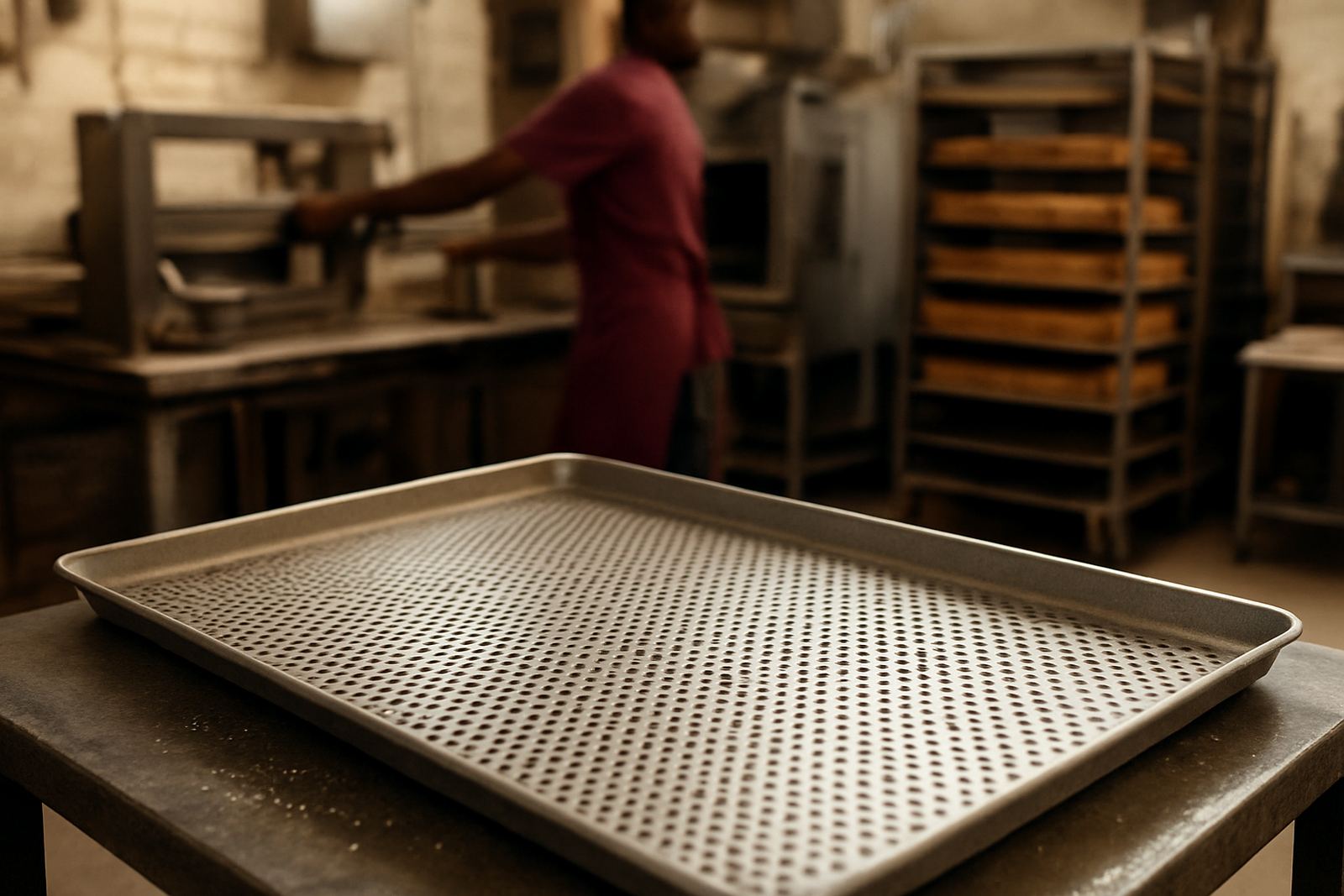
Perforations are used when a tray needs more than simple support. The holes allow hot air to move through the base, which helps moisture escape sooner and gives breads, rolls and pastries a drier underside with better colour. For bakeries working fast in Johannesburg South, that extra airflow can make the difference between a soggy base and a tray that holds product neatly through baking, cooling and packing.
We perforate trays for bakeries that want cleaner release, lighter handling and more even finish across full batches. The pattern is chosen to suit the item being baked, because too little perforation leaves the tray heavy and closed, while too much can weaken support or mark the product. That balance matters, especially when trays are moved often between prep tables, proofing areas and ovens.
Tray types we perforate and how they are used
Tray perforating is available on new tray builds and on selected existing tray frames where the material condition allows it. We work with mild-steel tray bodies, folded edges and formed profiles used in bakery production. If the tray is already bent, rusted or too thin around the base, we may recommend a replacement build instead of forcing holes into weak sheet.
- Bread trays for standard loading and cleaner crust finish
- Bun and roll trays where faster release is needed
- Cooling trays for reduced steam build-up after oven discharge
- Special-purpose trays for proofed product that must hold shape
- Custom hole patterns for items that need support around the edges
Our workshop in Alrode handles regular sizes used in Gauteng bakeries, and we can pattern trays for smaller batch runs or larger production schedules. The goal is practical performance, not decorative cutting. Each perforation layout is selected with product weight, dough softness and tray life in mind.
How the perforating process is done
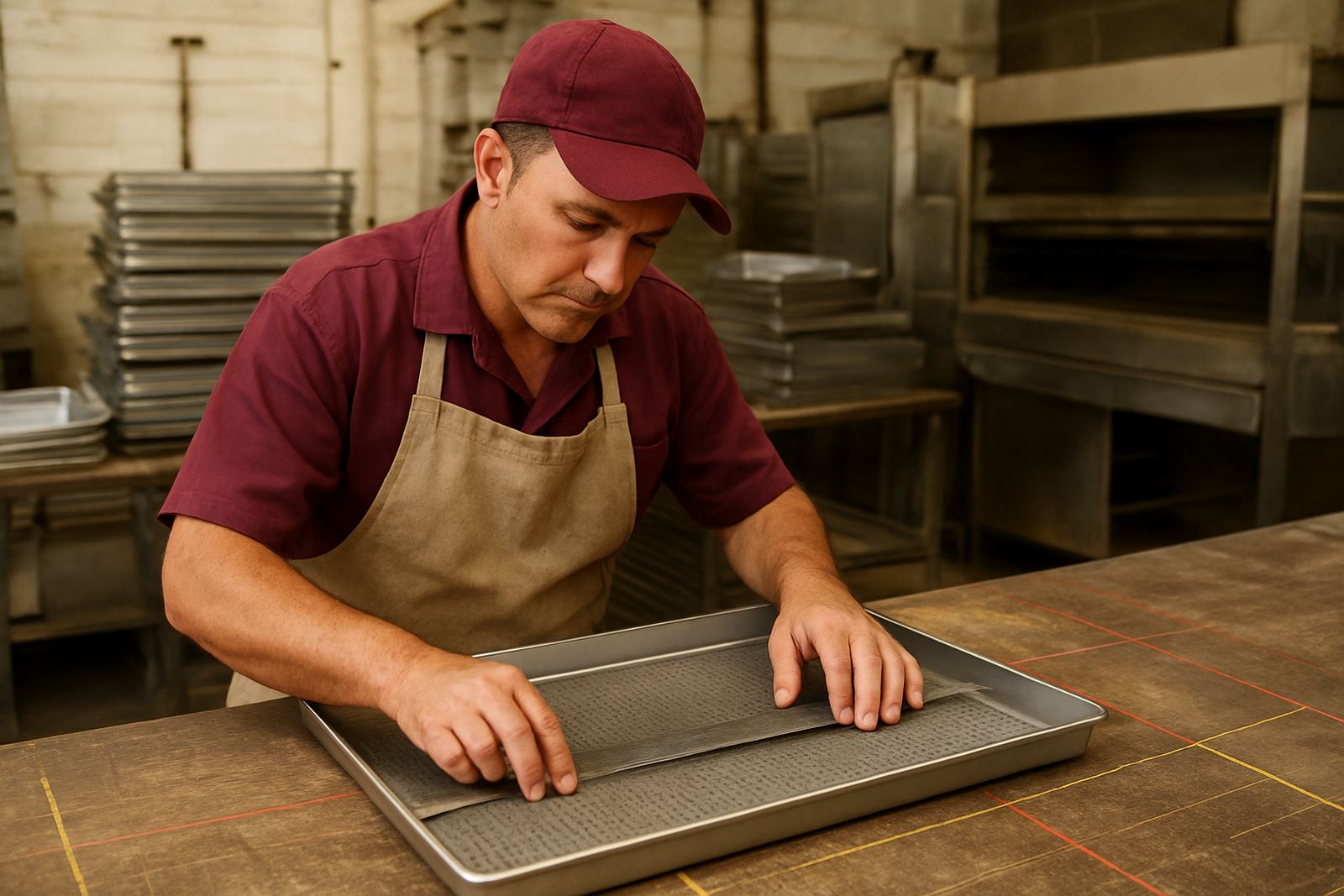
We start by confirming the tray size, sheet thickness and intended use. If a client brings a sample tray or sends measurements from Soweto, Midrand or Germiston, we check the base material and frame condition first. A tray with a good side wall can often be adapted, but if the base is already stretched or fatigued, the smarter option is usually a new build.
- Size check and use-case review
- Confirmation of sheet thickness and edge condition
- Hole layout planning for airflow and support
- Perforation and de-burring where required
- Final fit check against oven shelves and trolleys
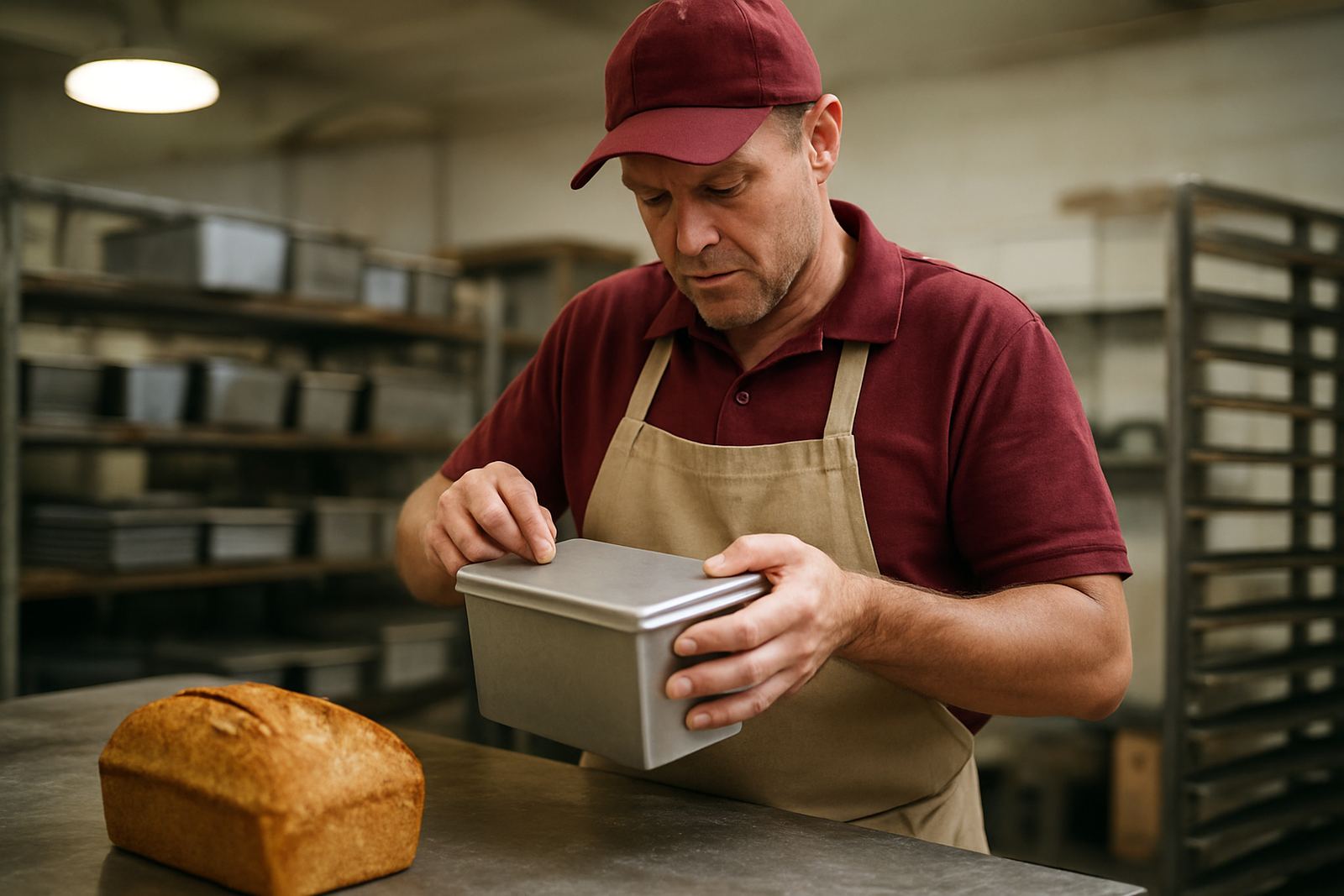
After perforation, we look at the hole edges, tray flatness and handling points. Trays must still stack properly and sit square on racks, so we keep an eye on warping during the process. If needed, we also match the work to lid fitting or divider inserts for related bakeware needs.
Turnaround times for bakery orders
Turnaround depends on quantity, tray size and whether we are working from a fresh build or an existing tray sample. Small batch work is often quicker, while larger production runs need a booked slot so material, jigs and dispatch are lined up properly. For clients keeping stock moving during load-shedding periods, we try to plan work so baking operations are not left waiting on packaging or tray replacement.
In general, simpler perforation jobs move faster than custom patterns with repeat checks or mixed tray sizes. If the order is urgent, let us know early and we can advise what is possible. We do not promise same-day miracles, but we do give clear timing once the job has been assessed. That keeps factory planning cleaner for bakeries that cannot afford delays in the baking cycle.
Pricing based on size, sheet and quantity
Pricing is worked out from tray dimensions, steel thickness, hole density and the number of units required. A plain tray perforation job costs less than a fully custom pattern, and repeated batch orders are priced more efficiently than one-off pieces. We quote after checking the actual tray or drawing, because a 600 x 400 mm tray and a deeper formed pan are not priced the same.
We keep pricing practical for bakeries that need repeat ordering. If you are replacing a tray set across an entire production line in Alberton, Boksburg or the wider Gauteng area, batch pricing can be planned to suit your roll-out. For new customers, we are happy to quote on one prototype first, then move into the full set once the pattern has been approved.
- Pricing is affected by steel thickness and tray depth
- Custom hole spacing changes the labour cost
- Larger quantities normally reduce the unit rate
- Prototype work is quoted separately from repeat production
Keeping perforated trays in service longer
Perforated trays need normal bakery care to keep working well. Flour dust, oil and moisture can build up in the holes if the trays are left dirty, which slows airflow and can cause staining around the perforations. A regular wash-down and dry-off routine helps, and in coastal humidity it matters even more because damp storage can start light rust on untreated steel.
Check the tray edges and hole areas during your normal maintenance cycle. For busy plants, that might be weekly or monthly depending on volume. If the tray starts to bow, the perforation pattern may be carrying too much load or the steel may be near the end of its use. It is better to inspect early than wait until the tray twists under heat.
- Clean holes after each production cycle where possible
- Dry trays fully before stacking
- Inspect for rust, bending and sharp edges
- Review wear more often in humid areas or high-output bakeries
Why bakery clients in Gauteng choose our workshop
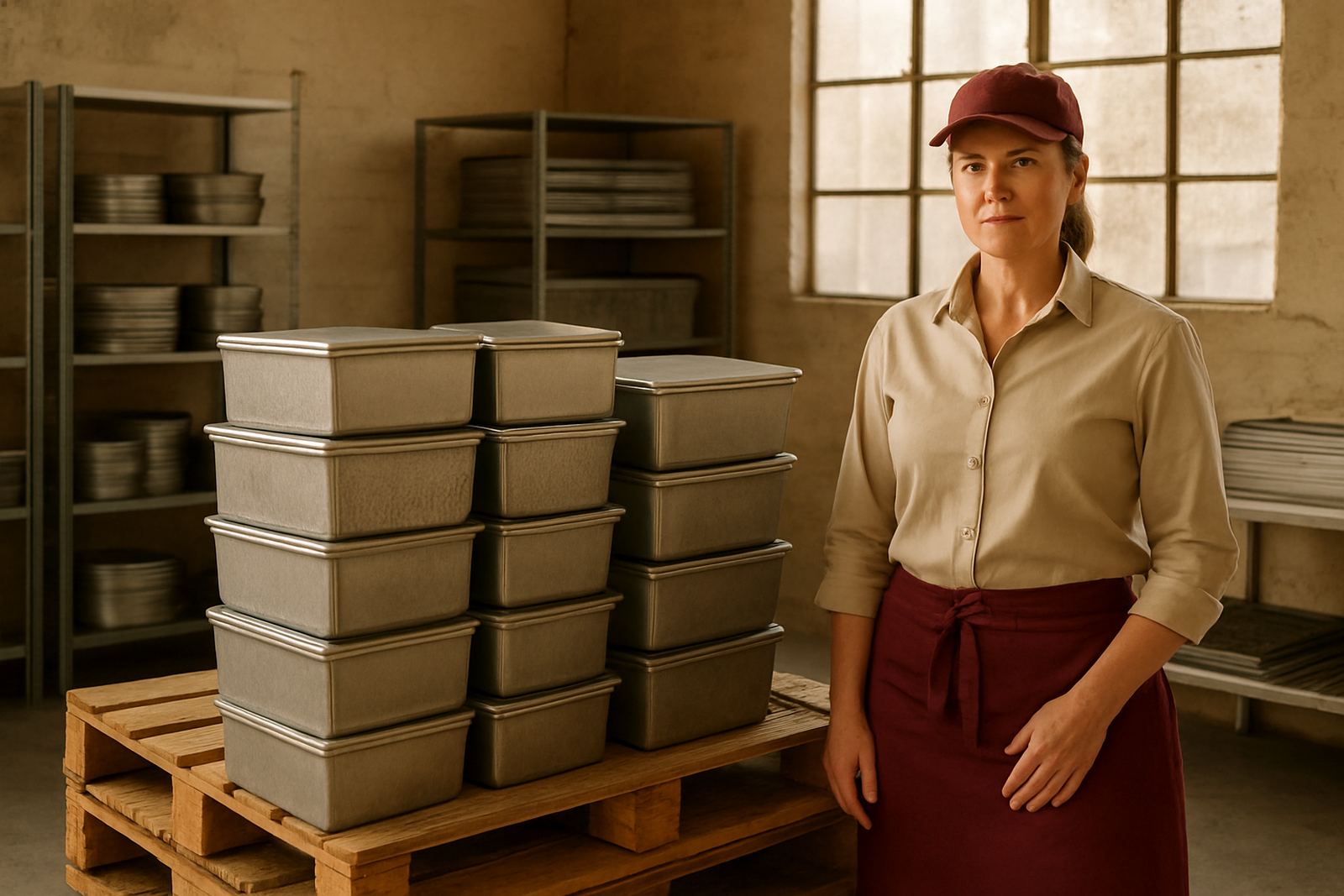
We work from Alrode in Johannesburg South and support bakeries across the region, from Germiston and Boksburg through to Midrand and Soweto. Because we manufacture bakery equipment all year, we understand the way tray wear affects daily production, especially when orders are running tight and ovens cannot sit idle. Our approach is straightforward: confirm the size, agree the pattern and return trays that fit the job properly.
Tray perforating is not only about making holes. It is about giving the bakery cleaner product handling, better airflow and fewer small failures during busy shifts. Whether you need a prototype run, a batch reorder or a replacement tray series, we can match the perforation work to the way your team actually bakes.
Key facts
| Typical tray sizes | Custom to sample or drawing, common bakery sizes accepted |
|---|---|
| Material options | Mild-steel tray bodies and formed tray frames |
| Perforation patterns | Even grid, product-specific spacing or edge-supported layouts |
| Use cases | Bread, rolls, buns, cooling and handling trays |
| Turnaround | Depends on quantity, material condition and pattern complexity |
| Area served | Alrode, Alberton, Germiston, Boksburg, Soweto, Midrand and Gauteng |