Lid fitting for pans that need a proper close
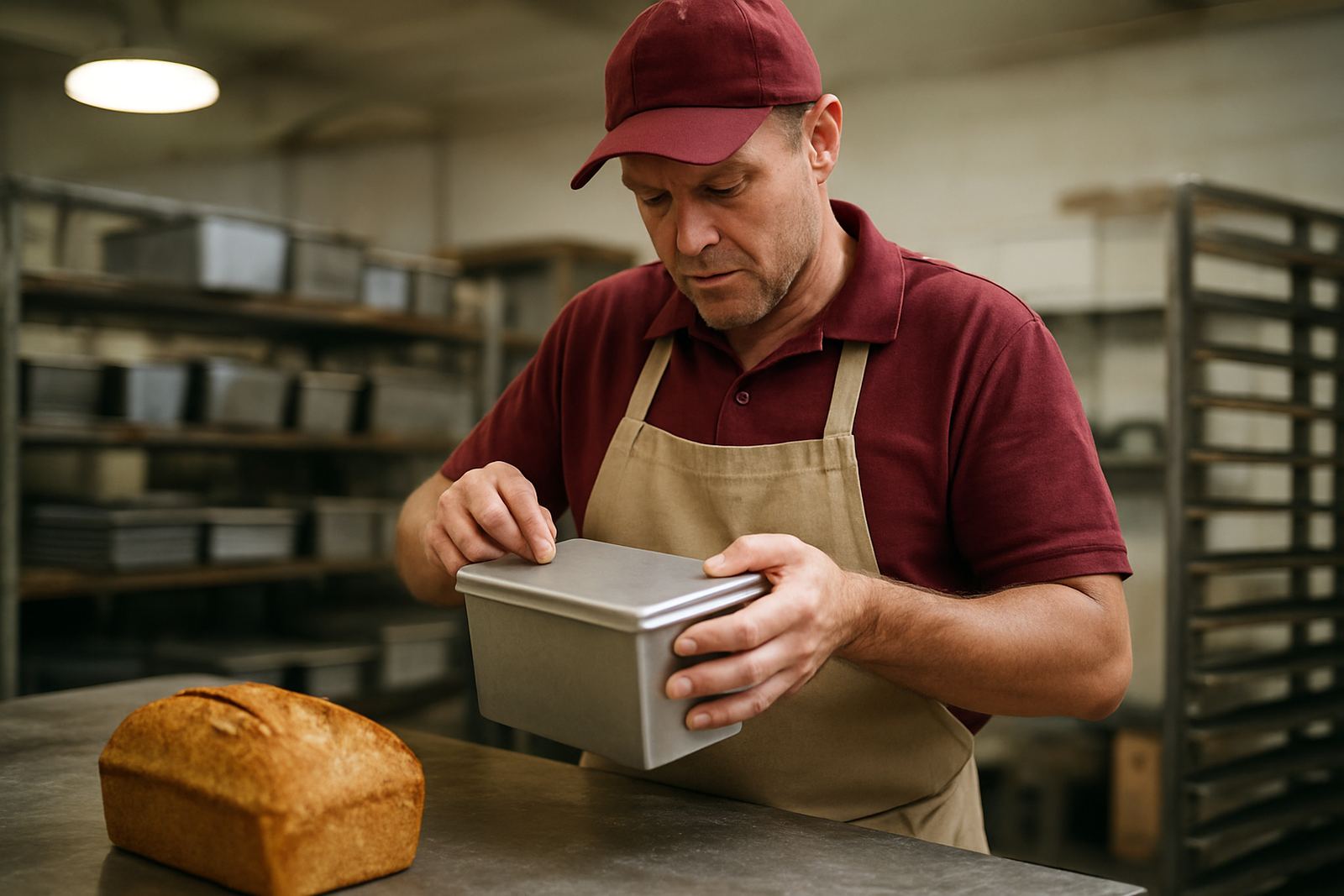
Our lid fitting service is for bakeries that need a lid to cover the pan cleanly, sit square and hold up in daily use. We make lids for standard bread pans, matched sets and special sizes where the old lid has gone missing, bent out of shape or never fitted right in the first place. Accurate lid fit matters because a loose lid can move in stacking, while one that is too tight slows down handling and can damage the pan edge.
We work with mild steel and other bakery grades used in local production, with attention to lip depth, edge return and handle placement. For bakeries in Johannesburg South and nearby industrial areas, the goal is practical: a lid that lifts easily, nests well and keeps the batch process moving. During power interruptions and hot pack-out times, a lid that lines up properly saves time at the table and in dispatch.
- Matched to existing pans by size and shape
- Suitable for BO3, BO4 and BO5 style bread pans
- Can be made for single pans or repeated batch orders
- Options for plain lids or lids with formed handles
What we measure before we cut metal
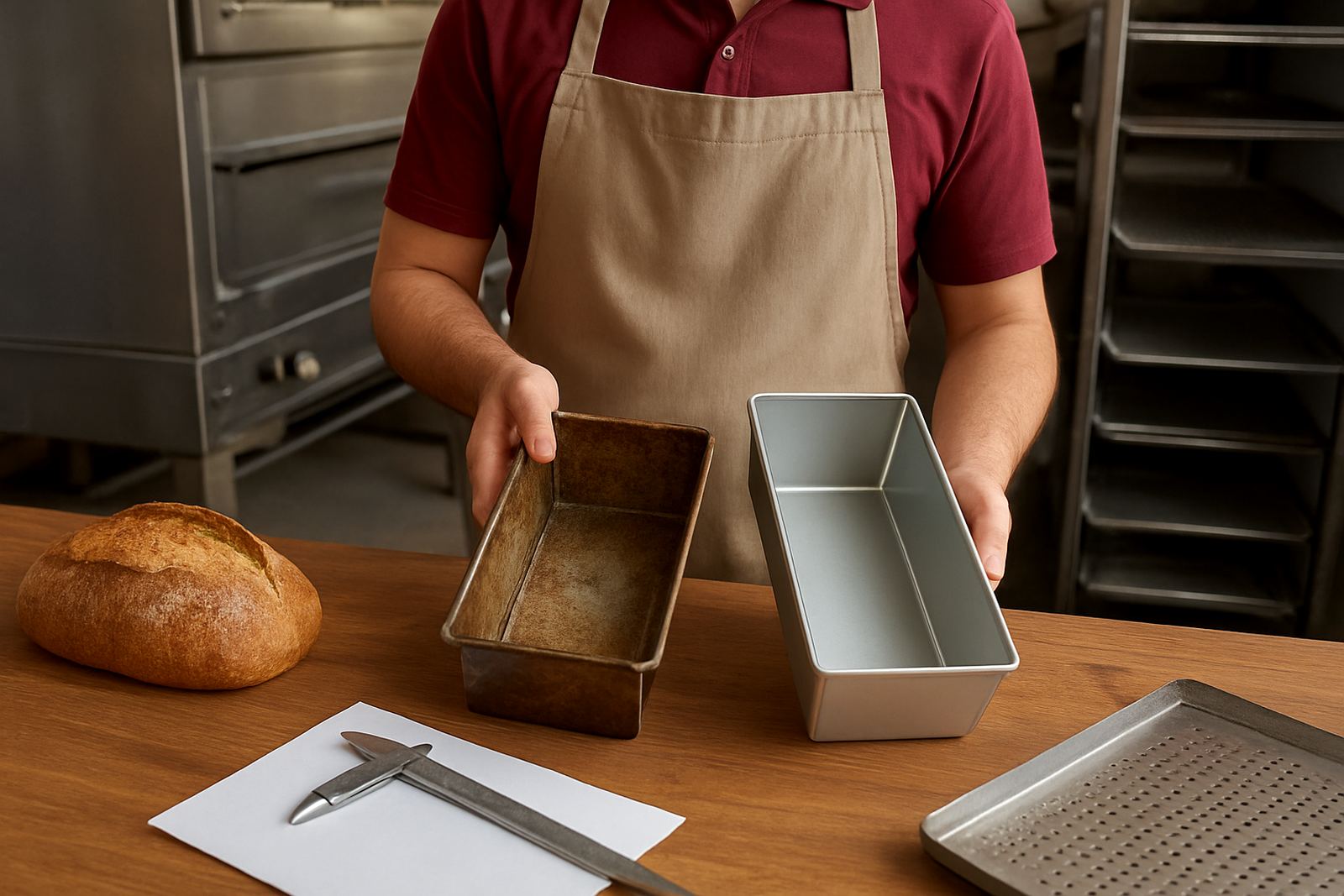
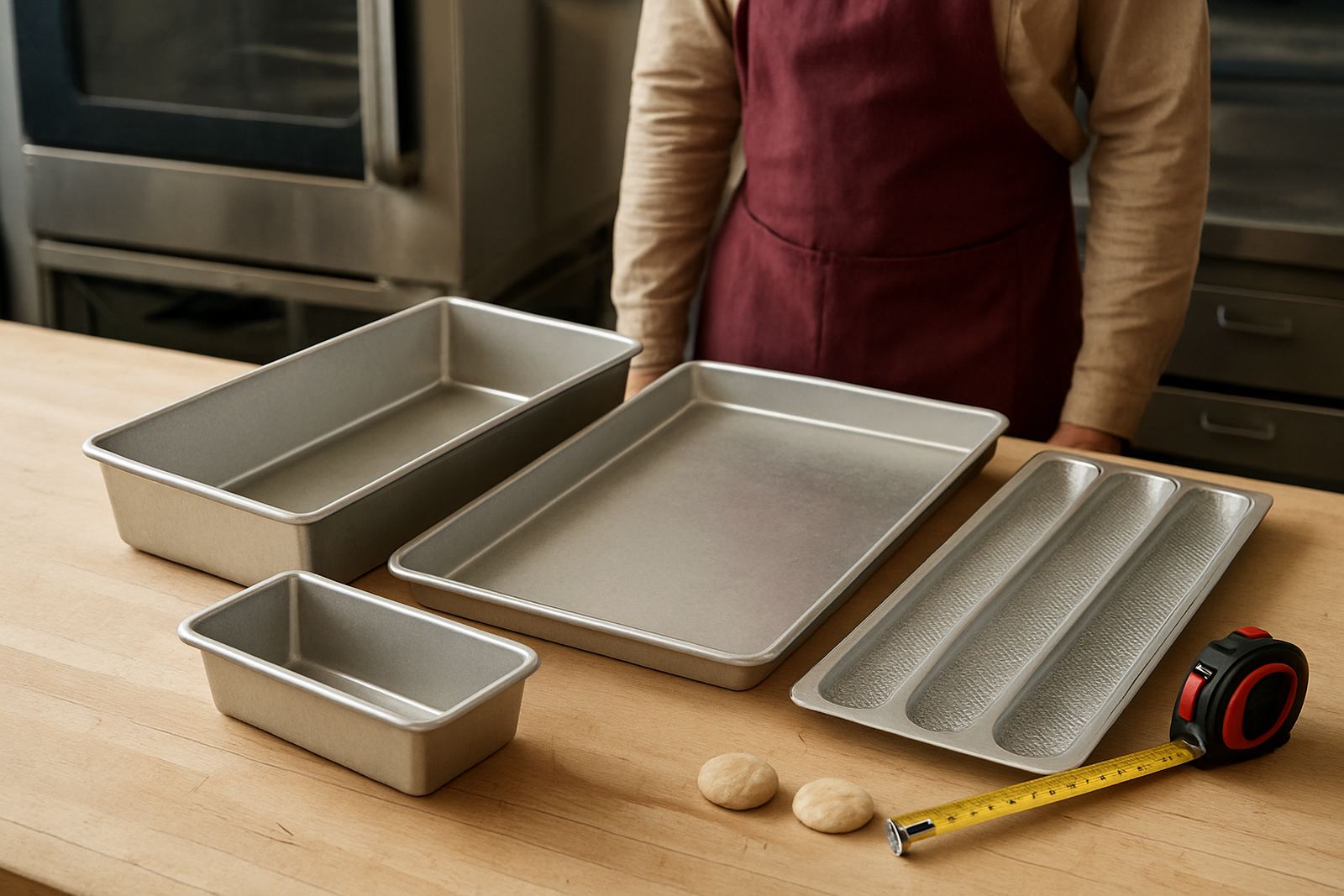
Every lid fit starts with measurements. We check the internal and external pan size, rim width, lip depth, corner shape and the area where the lid must seat. If you bring in a worn pan, we look for distortion from heat, stacking pressure or rough cleaning. That helps us decide whether the lid should match the pan exactly or allow a small correction where the pan has shifted over time.
We can work from a sample pan, an old lid, a drawing or a set of dimensions sent to orders@bakerycateringequipment.co.za. For bakeries with several branches, we often compare the best surviving pan in the set and use that as the reference. A missing millimetre or two can affect how lids sit across a full tray stack, so we check before fabrication starts.
- Pan copy checks for length, width and depth
- Rim and lip measurements for proper seating
- Handle position confirmed before final forming
- Batch matching for repeat production runs
How the lid fitting process works in our workshop
Once the measurements are confirmed, we move into cutting, forming and test fitting. The lid blank is cut to size, the edges are turned where needed and the shape is pressed or folded to suit the pan. If a handle is required, we fit it so the lid can be lifted safely without flexing too much in normal use. We then test the lid on the pan and make fine adjustments before release.
For orders coming from Alberton, Boksburg or Soweto, the process is kept practical and clear. If the lid is for a standard item we know, turnaround is quicker. If it is for an unusual pan or a heavy gauge build, we allow extra time for fit checks and any rework. We rather send out a lid that fits right than rush a job and have it come back for correction.
- Cutting and forming to the confirmed size
- Edge finishing for safer handling
- Trial fit on the pan before completion
- Final check for movement, seating and lift
Specs that suit daily bakery handling
Lid fitting is not just about covering the pan. It must suit the way staff load, move and store the bakeware. We can make lids for standard bread pans used in daily production, and we can also build to heavier gauge material where the lid gets handled often or stacked in busy bake rooms. If your bakery works through early starts, warm rooms and constant wash cycles, the material and finish need to stand up to that routine.
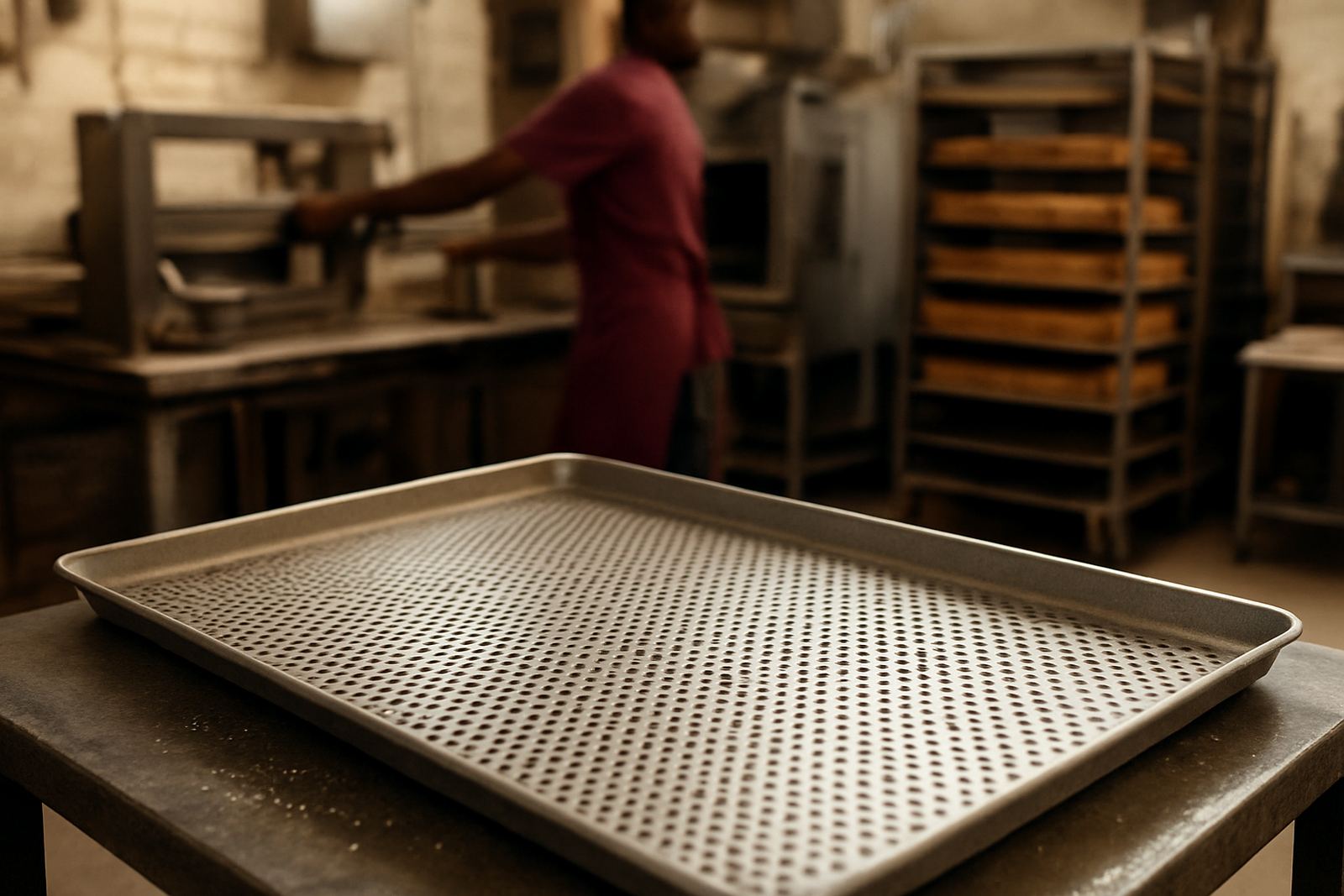
We can also advise on fitting for trays used in dough prep or proofing, where a lid may need to cover a tray without pinching the edge. In coastal humidity or in warm stores with poor airflow, the lid finish and storage method matter too. A lid that is put away wet will show wear faster, so we like to match the material and finish to the cleaning method you use on site.
- Mild steel options for standard bakery use
- Heavy gauge options for high wear sites
- Plain, reinforced or handle fitted lids
- Suitable for stacking and regular wash down
Turnaround for urgent and repeat orders
Turnaround depends on the size of the order, the condition of the sample and whether the lid is a straight replacement or a new fit. Simple repeat lids can move quickly once sizes are confirmed. More complex work, such as fitting to old stock or making a fresh pair for a pan set, takes a little longer because we check the seat carefully before dispatch. We also keep space for batch reorders, which helps bakeries that want the same lid format again later.
For customers in Gauteng, collection from Alrode can save time, and we can plan around bakery production windows where needed. If you are replacing lids after breakage or after an equipment change, let us know the deadline up front. We do our best to align the job with your bake schedule, especially where production runs are tied to retail delivery times or municipal inspection dates.
- Quickest for standard repeat sizes
- Extra time allowed for copied or worn samples
- Batch orders can be scheduled for ongoing supply
- Collection and dispatch arranged from Alrode
Pricing, care and when to replace a lid
We price lid fitting according to size, material, gauge, forming steps and quantity. A simple standard replacement costs less than a custom lid that needs detailed forming or matching to an older pan. If you need several lids at once, the unit price usually becomes more favourable because setup time is shared across the batch. We quote plainly so you know what is included before work starts.
For maintenance, inspect lids regularly for bending, loose handles, cracked welds and edge wear. In busy bakeries we usually suggest a check every 3 to 6 months, and sooner if lids are stacked hard or washed aggressively. Replace a lid when it no longer sits flat, when the handle has moved, or when the pan edge has changed shape enough to affect closure. A worn lid can slow production and create extra handling during pack-out.
Well fitted lids help protect dough, keep stacks neater and reduce the small delays that build up across a shift. If your pans are still sound, lid fitting is often the quickest way to extend their working life without replacing the whole set.
Key facts
| Material options | Mild steel, heavy gauge steel |
|---|---|
| Common fitments | BO3, BO4, BO5 bread pans |
| Finish | Plain, formed edge, handle fitted |
| Turnaround | Depends on sample condition and quantity |
| Order sizes | Single replacements to batch reorders |
| Service area | Alrode, Alberton, Germiston, Boksburg, Soweto, Midrand |