Built for harder shifts and more handling
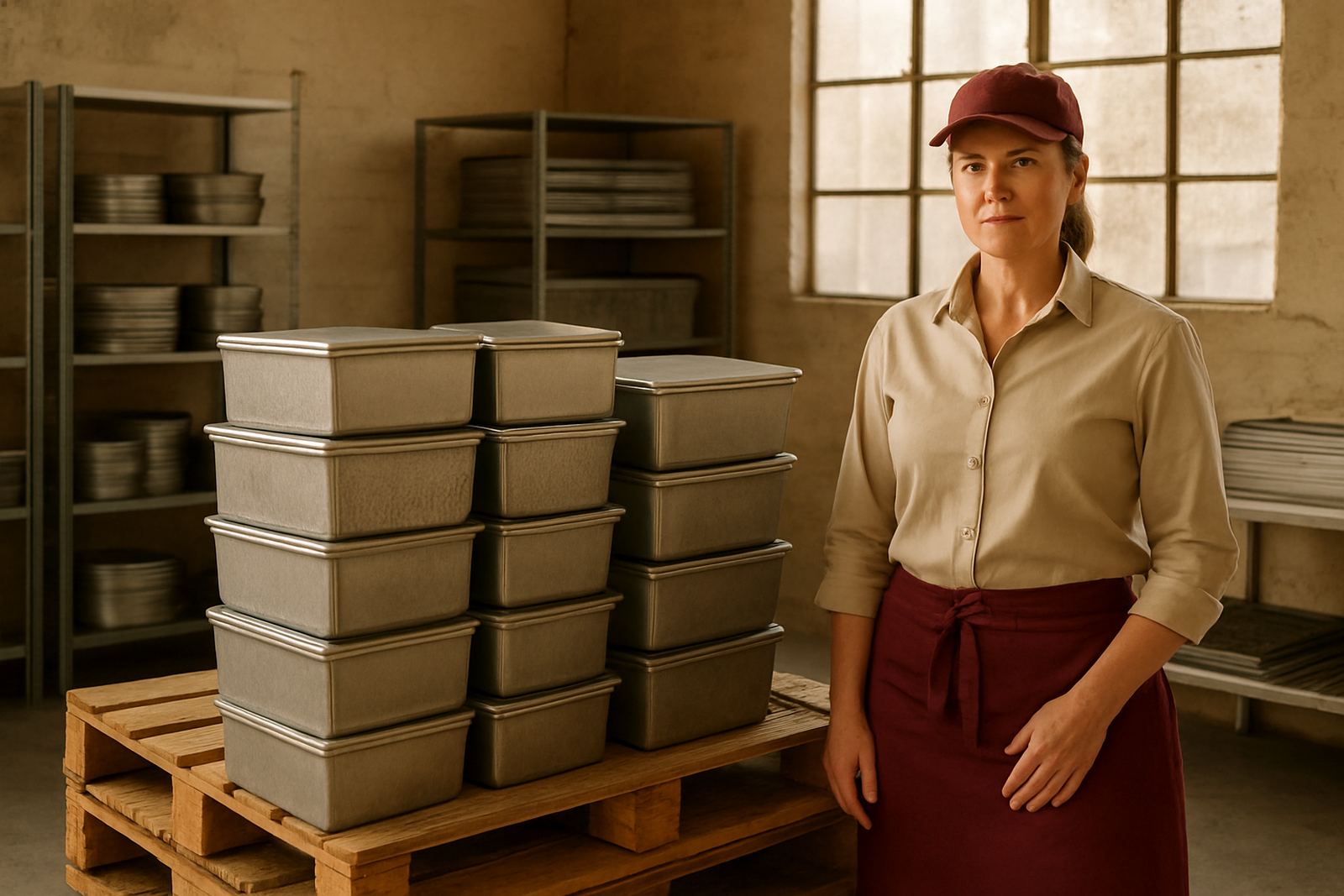
Heavy gauge builds are made for bakeries that need bakeware to keep its form through constant loading, unloading, stacking and washing. We work with thicker mild steel than standard production items, so the finished pan, tray or lid is less likely to twist at the corners, bow in the base, or spread at the sides after repeated use.
This is a practical option for bakeries in Johannesburg South, Alberton, Germiston, Boksburg, Soweto and Midrand where production often runs early, late and under pressure. It also helps where staff rotate through packing and pan movement, since thicker material handles rougher day to day use better than lighter stock.
- Stronger material for repeated handling and stacking
- Better shape control on long production runs
- Useful for bakeries with high output or busy dispatch
- Suitable for bread pans, lids, perforated trays and baguette trays
What can be made in heavier gauge
We can manufacture heavier gauge versions of common bakery items and match them to the sizes you already use. If you want to keep your existing baking process, but need the bakeware to last longer, we can copy an approved sample or build to your requested dimensions.
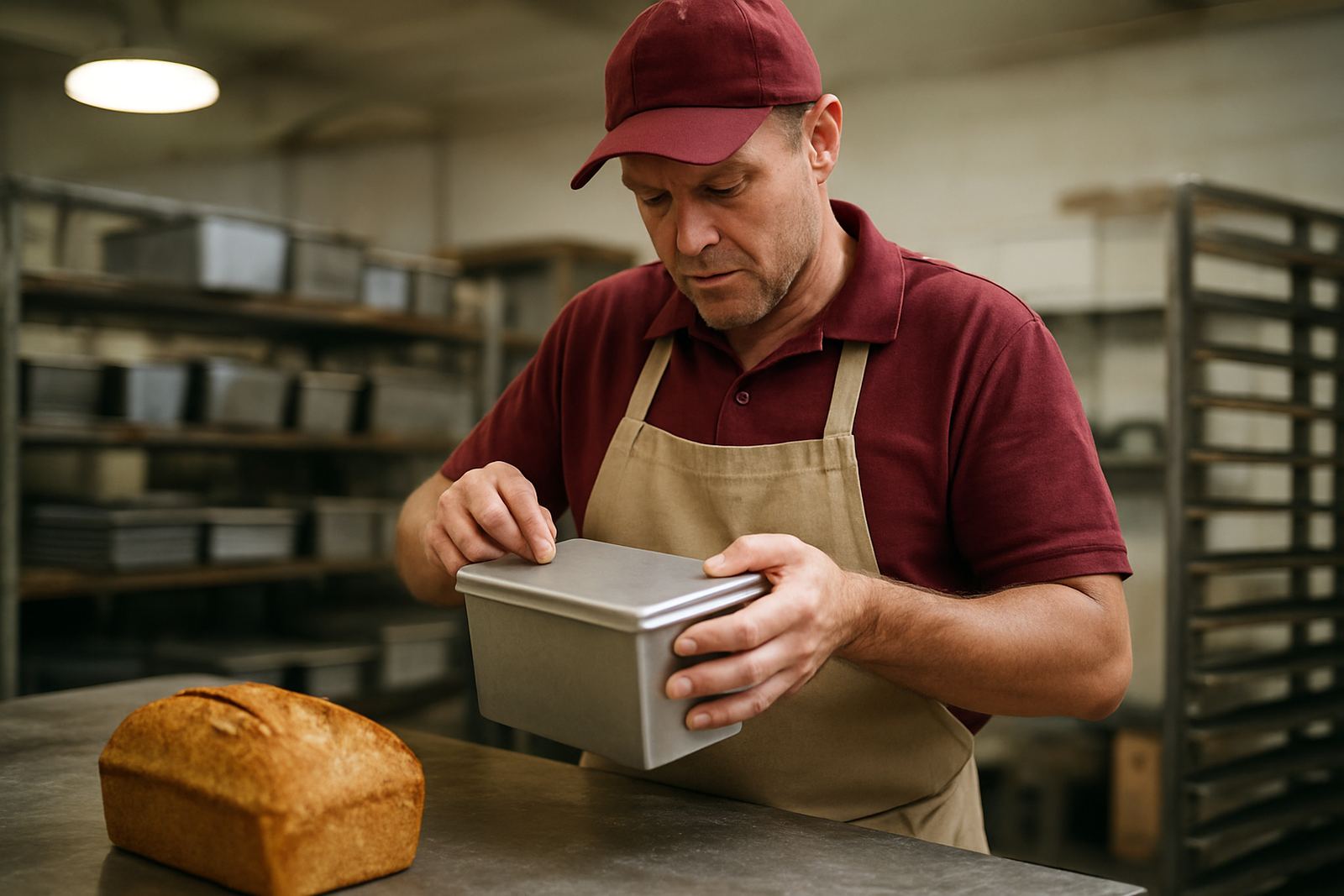
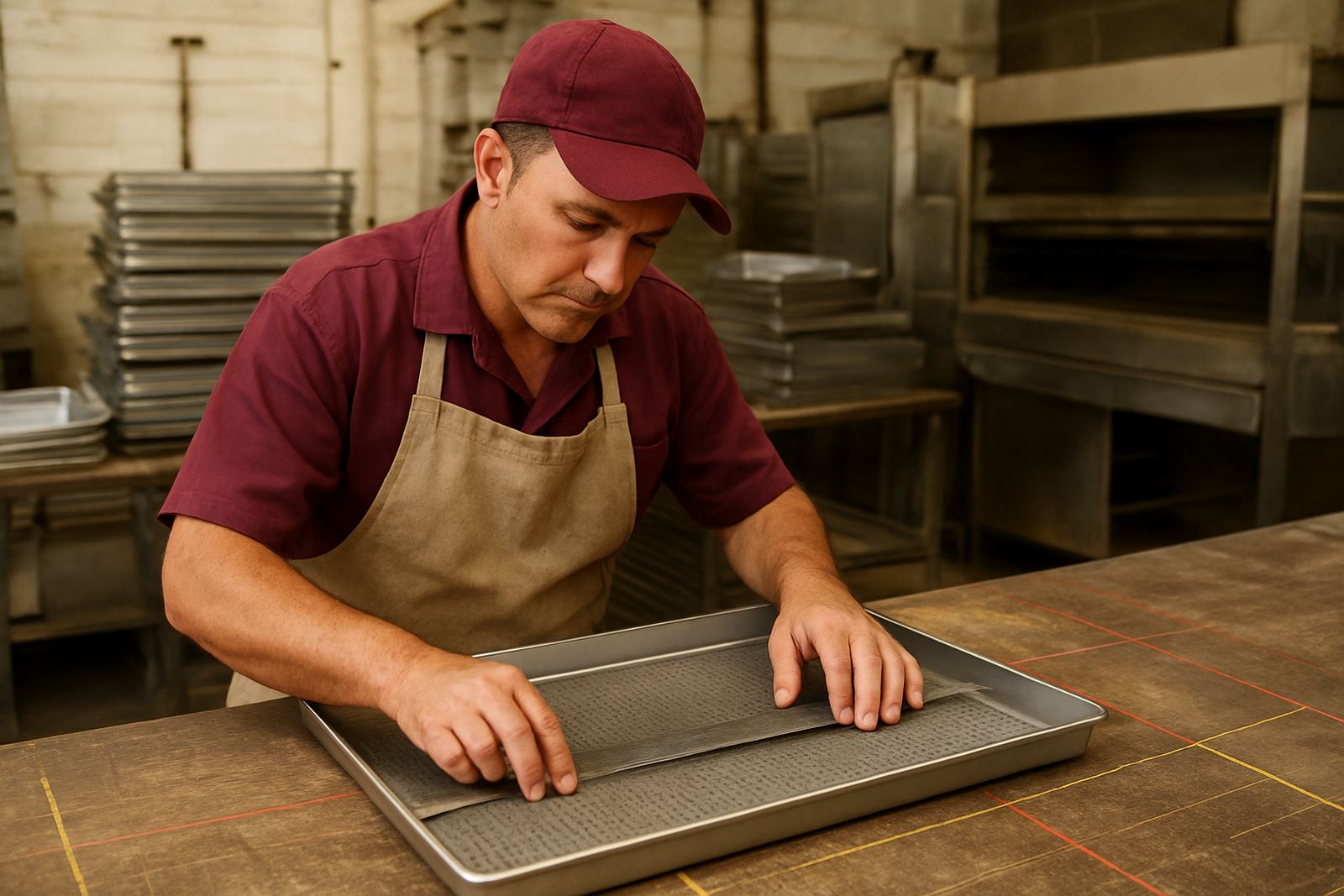
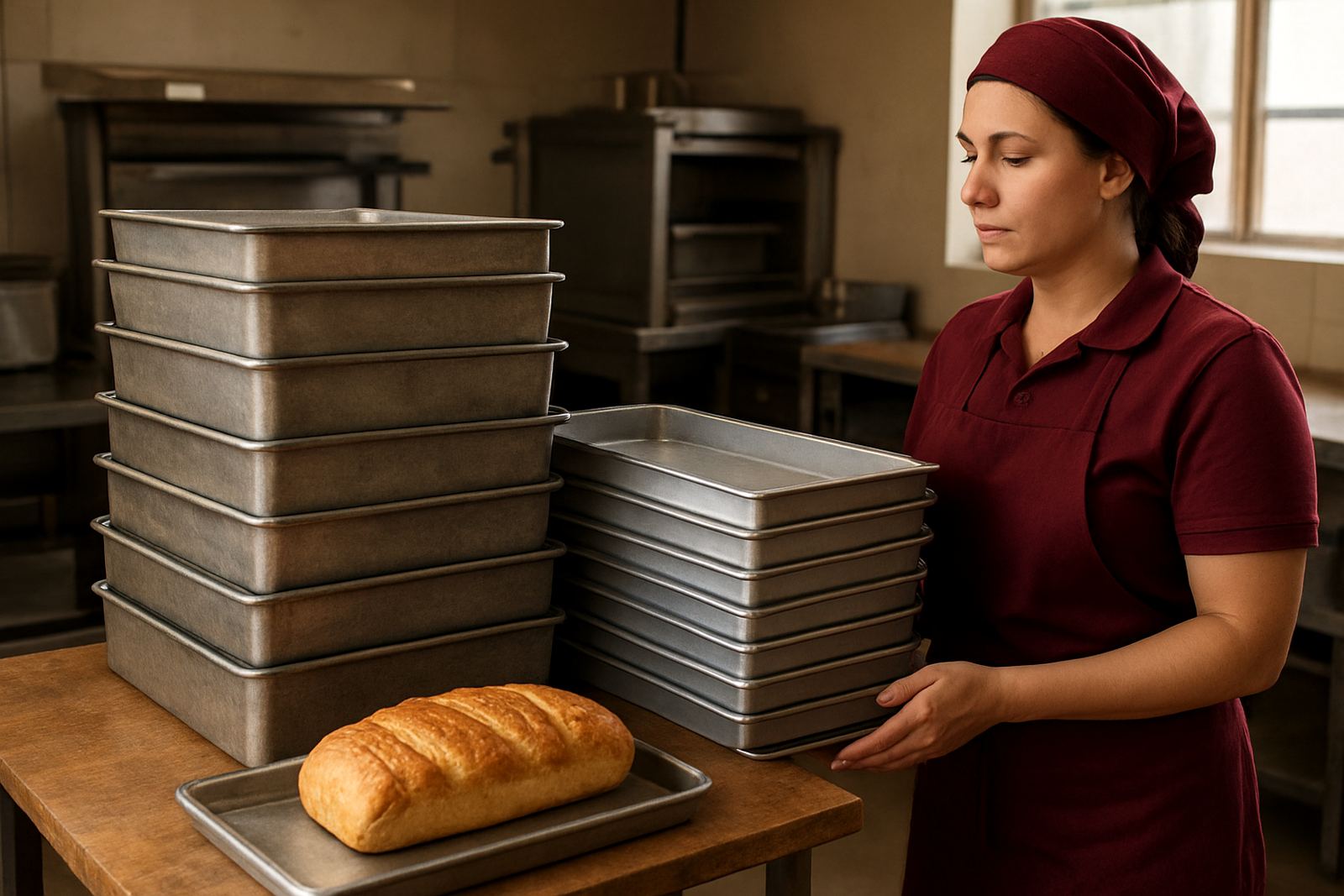
Typical heavy gauge work includes standard BO3, BO4 and BO5 bread pans, fitted lids, perforated baking trays, baguette trays and special pieces with divider inserts. We can also make deeper side walls, folded edges for extra stiffness, and reinforced corners where the pan gets lifted most often.
- Standard and custom bread pans
- Lids for fitted stacking or proofing use
- Perforated trays for better airflow and baking consistency
- Baguette trays with stronger base support
- Divider inserts and special profile work on request
How we size, copy and build the heavier item
We start by checking the item you already use or the size you want to introduce. If you have a worn sample, we measure the internal and external dimensions, wall height, return folds and corner shape. If the original is missing or too damaged, we work from your product dimensions and production needs instead.
From there we confirm the gauge, steel type and finish required for the job. In many heavy gauge builds, we also advise on lip depth, bend allowance and stack clearance so the finished item fits your handling system and oven loading process. A clean sample and clear measurements save time, and help avoid a back and forth on fit.
- Measure the sample or specification
- Confirm gauge, fold style and any reinforcement needed
- Make a prototype or first-off piece where required
- Check fit, stacking and bake performance before batch work
Materials, thickness and finish options
Heavy gauge builds are generally done in mild steel, with thickness chosen to suit the level of wear and the way the item is used. Thicker material gives better resistance to flexing, but it also adds weight, so we help you find the right balance for your team and your ovens. For some applications, a heavier base with slightly lighter side walls can work well.
We can supply plain steel finishes for bakery use, and we can also build with folded or reinforced edges where the pan gets the most abuse. If the bakeware will be used in a humid coastal store room or washed often, proper drying and storage matter just as much as thickness. That is why we discuss cleaning and handling before we sign off the final spec.
- Mild steel construction
- Heavier gauge options for longer service life
- Reinforced folds and corners where needed
- Builds suited to frequent washing and stacking
Turnaround, batch sizes and pricing approach
Turnaround depends on the item size, the gauge selected and whether a sample needs to be copied first. Smaller batch work can move faster, while larger orders or parts with folds, perforations or fitted lids take more time through the shop. We keep the process practical and let you know what can be started immediately and what needs a scheduled production slot.
Pricing is based on the material used, the amount of forming and folding, and whether the order is a repeat batch or a one-off prototype. Heavy gauge steel costs more than standard stock, so we quote clearly on the exact item rather than using a blanket rate. If you order for more than one branch or outlet, we can usually plan the batch together to keep the unit cost steadier.
- Fastest on repeat items with known sizes
- Prototype runs quoted separately from bulk batches
- Costs depend on gauge, size and forming work
- Batch reorders are easier once the spec is confirmed
Care and maintenance that keeps the build working
Even a heavier build needs sensible care if you want it to keep its shape. The main thing is to avoid soaking, hard scraping and stacking while the item is still wet. That helps limit rust marks and keeps the corners from taking unnecessary knocks. In busy bakeries, we recommend a simple check routine so damaged pieces are picked up before they affect production.
As a guide, inspect heavy use pans and trays every 4 to 8 weeks, depending on output and washing frequency. If the item is used in a high heat line or handled by several teams during the day, check more often. Look for spreading at the sides, lifted folds, bent lips, and any sharp edges caused by wear. Catching these early usually means a repair or replacement can be planned without interrupting baking.
- Dry thoroughly before stacking
- Avoid dragging across metal tables and rails
- Rotate stock on high use lines
- Inspect regularly for bent lips or worn corners
Where heavy gauge builds help most
This service suits bakeries that have outgrown lighter bakeware or need better control over replacement costs. It is also useful where pan loss happens through rough handling, frequent transport between prep and oven, or storage in warm and humid areas. If your current pans are failing too soon, a heavier build often pays for itself by reducing the number of replacements needed in a year.
We work with bakery teams across Alrode, Alberton, Germiston, Boksburg, Soweto and Midrand, and we can advise whether a full heavy gauge change is needed or only a few high wear items. Some clients switch just the most abused pans first, then move the rest of the line over once the results are proven. That is often the best route when cash flow matters and production cannot stop.
Key facts
| Material | Mild steel |
|---|---|
| Typical gauge range | Heavier than standard production stock, matched to use |
| Common products | Bread pans, lids, perforated trays, baguette trays |
| Build options | Reinforced folds, stronger corners, divider inserts |
| Order types | Prototype runs, batch reorders, copy builds |
| Service area | Johannesburg South, Gauteng and surrounding trade areas |