A bread line that was growing faster than its bakeware
The client was a small but expanding bread operation serving bakeries, spaza supply routes, and a few contract accounts in Alberton and nearby Germiston. The team had moved from mixed second-hand tins to a proper production routine, and the biggest issue was consistency. Pans were not all the same depth, lids sat differently from one tray to the next, and that made dough proving and loaf shape harder to control.
They came to us with a simple brief: supply standard bread pans and fitted lids that could be ordered again later without changing the profile. The bakery runs early morning shifts, with extra pressure on winter demand and load-shedding windows, so the equipment had to be practical, easy to stack, and quick to clean. No fancy add-ons, just pans that would hold shape and keep turning out the same loaf every time.
What the client needed from the first visit
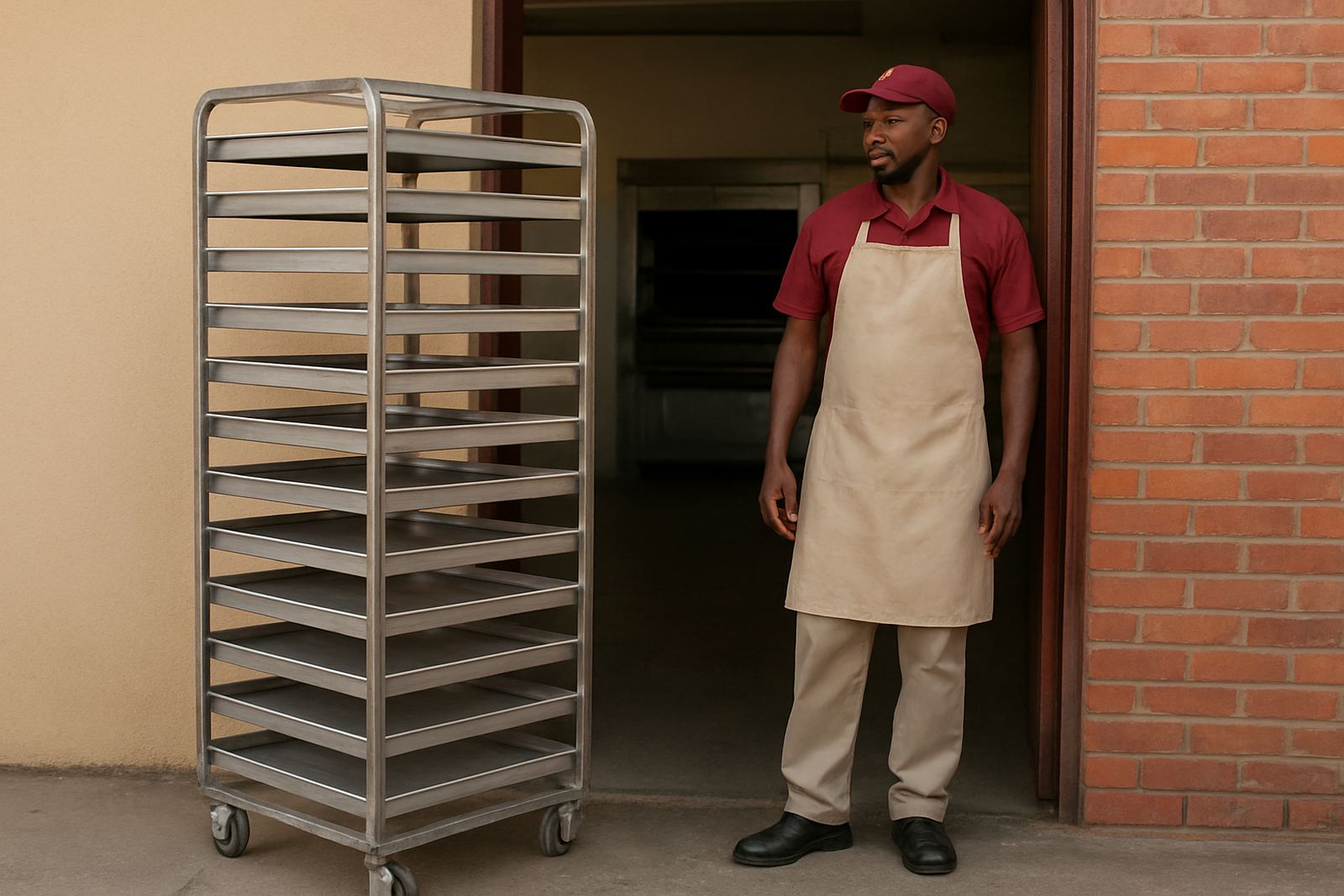
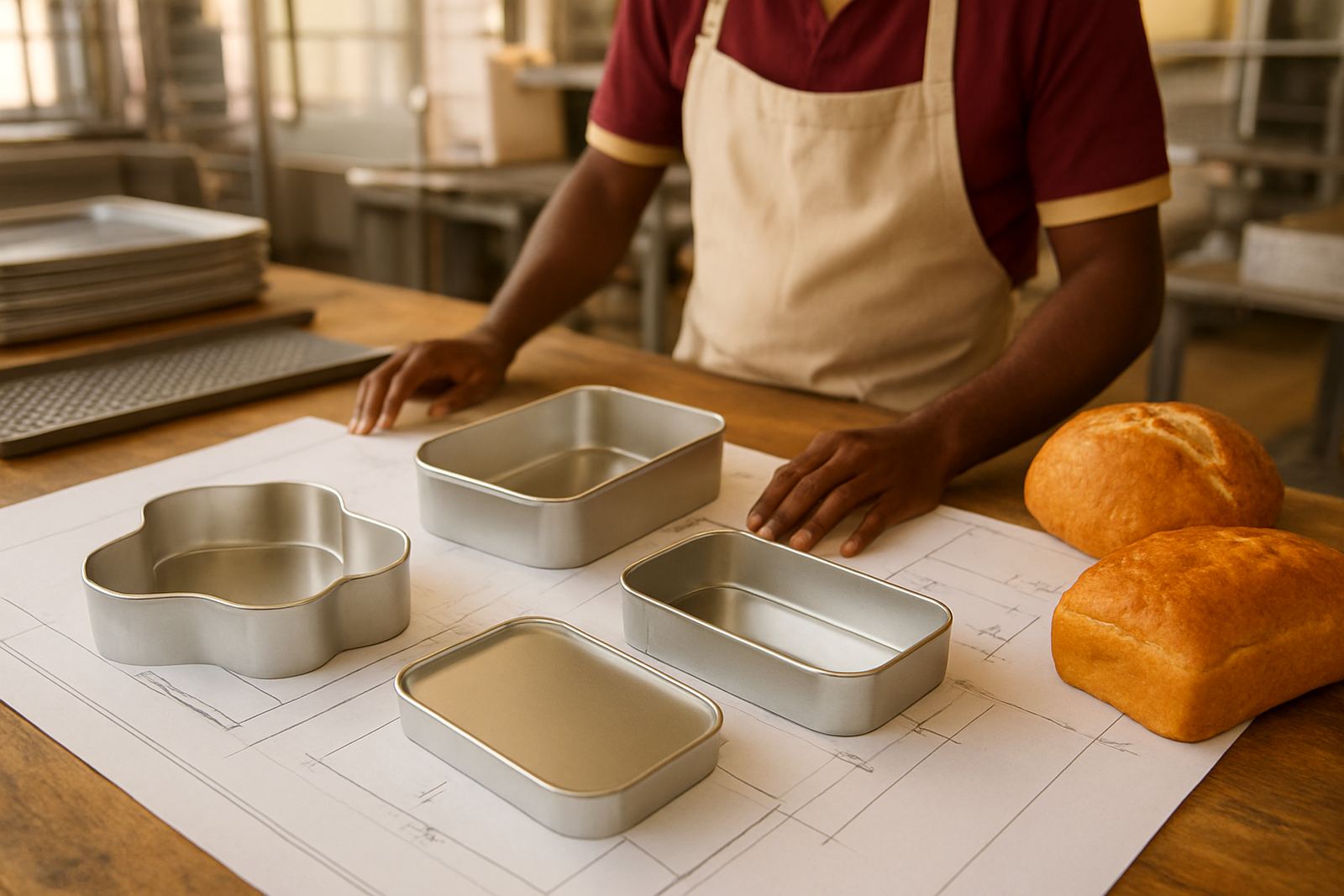
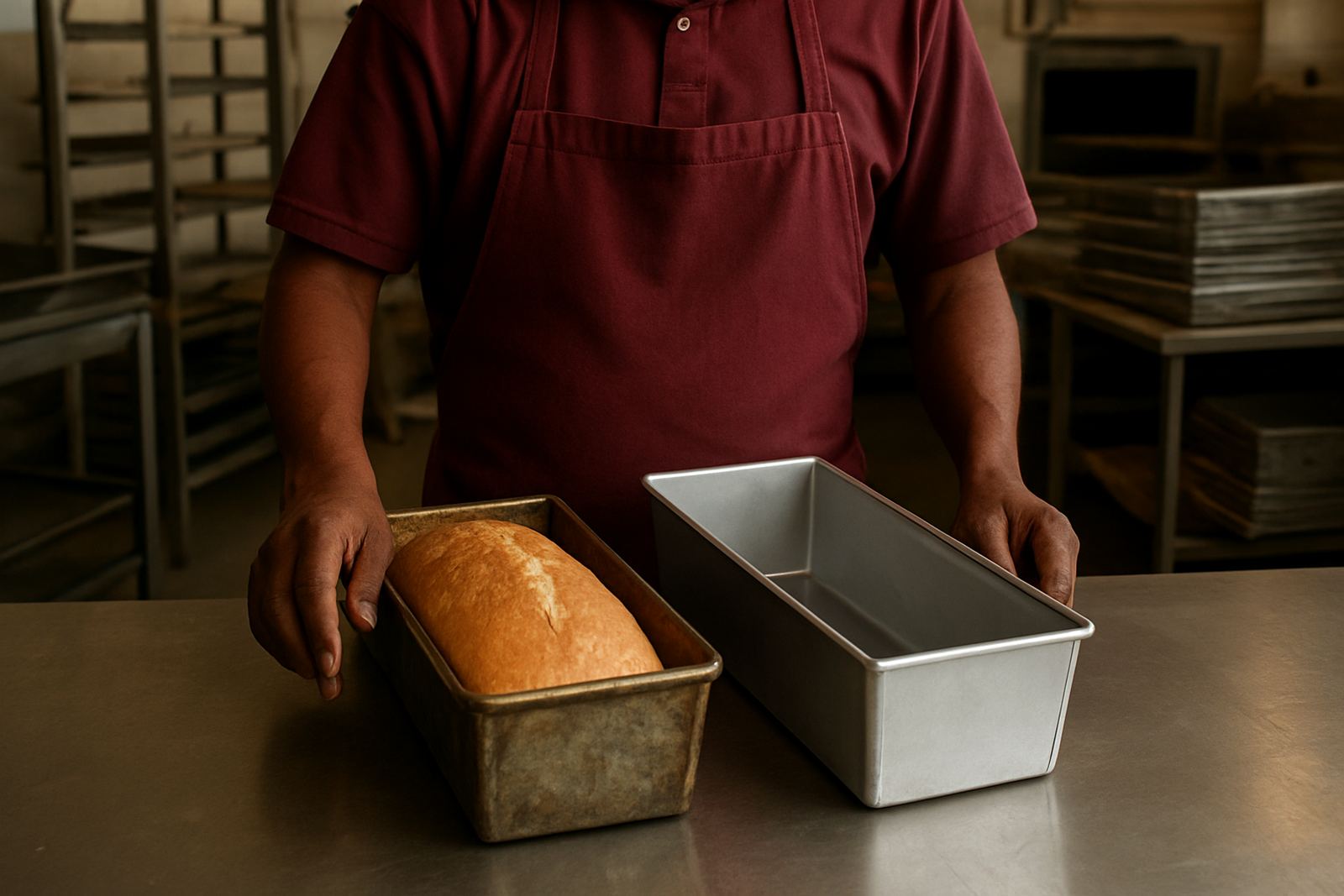
Our first job was size matching. The client brought along worn pans, a few sample loaves, and measurements taken from the existing oven racks. We checked internal length, width, lip height, and how the lids sat under heat. That let us avoid guesswork and keep the pans aligned to the oven spaces already in use.
- Standard loaf pan sizes matched to the existing oven layout
- Lids fitted for even rise and repeatable loaf tops
- Stackable form for tighter storage in a busy bake room
- Heavy gauge steel chosen for daily use and less warping
- Simple finish that could handle regular washing and handling
The brief also included batch repeatability. The bakery wanted to reorder in the same format later, without having to remeasure every time. That mattered because the site had a small receiving area and a rotating team, so anything complicated would slow things down.
Why the build spec mattered in Alberton conditions
Bakery equipment in the south of Johannesburg has to cope with heat, humidity from cleaning, and plenty of handling through the day. In this case the client was also close to a municipal service area where water downtime could affect wash-up schedules, so the pans needed to be easy to dry and not hold unnecessary grime in corners. We recommended a straightforward mild steel build with enough gauge to stay true in the oven but still move easily on racks.
The lids were made to match the pan bodies closely, with enough tolerance for regular use but not so much that they would rattle or sit unevenly. The bakery had asked about perforation on some trays as well, but for this order the focus stayed on standard loaf pans and lids. That kept the manufacturing sequence tighter and helped us finish the first batch without delays.
Because the operation was scaling up from a neighbourhood customer base, we also considered future batch reorders. If the bakery added another oven line later, the same profile could be repeated without changing the loaf format. That saved time for the bakers and kept the product line uniform from one shift to the next.
Manufacture, checking and dispatch from Alrode
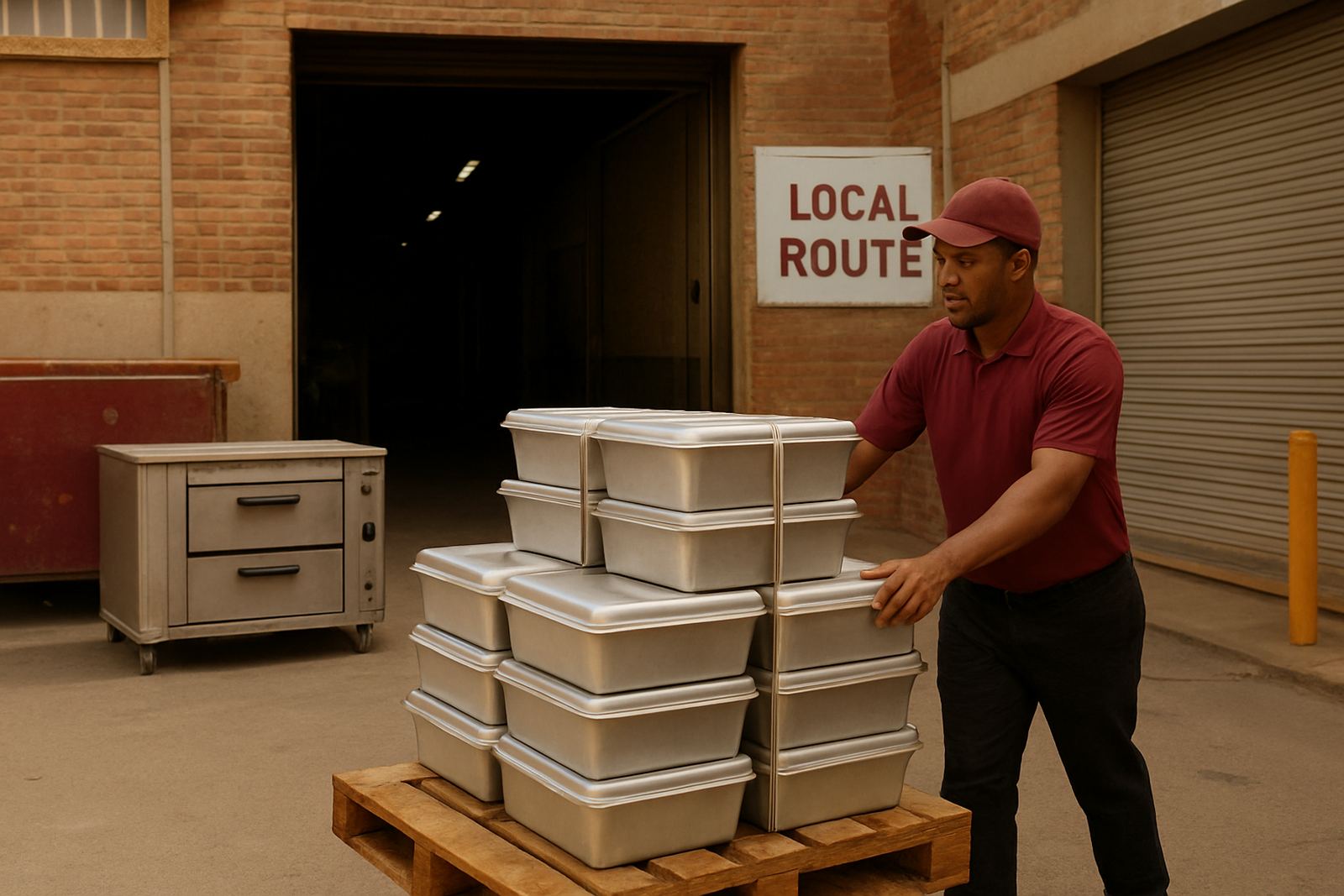
Production ran in a planned sequence over three weeks. In week one we confirmed measurements and final quantities. In week two the pans and lids were cut, formed and checked for alignment. In week three we completed finishing, packed the order and arranged dispatch from our Alrode base to Alberton.
We kept one eye on practicality throughout the process. The edges needed to be clean for handling, the body depth had to stay consistent, and the lids had to fit well enough for repeated baking without forcing or bending. Johan van Wyk and the production team checked each batch against the sample pieces before it was signed off. That avoided surprises at the bakery, which is usually where a poor fit shows up first.
- Week 1: site measurements and order confirmation
- Week 2: forming, fit checks and mid-process inspection
- Week 3: finishing, packing and delivery coordination
- Final check: pan depth, lid fit and rack compatibility
Results after the first baking cycles
Once the pans were in use, the bakery reported more even loaf shape and easier handling between prove, bake and cooling. The lids sat properly, so the tops stayed more uniform and the team had less trial-and-error with oven timing. That may sound small, but for a bread line it cuts waste and helps the shift keep moving.
The client also liked that the pans stacked neatly and cleaned down without fuss. That matters in a busy room where staff members are rotating between mixing, loading and packing. The order helped them settle into a steadier routine, and the baker in charge could keep the output consistent across weekday and weekend runs.
For a growing operation, the bigger win was confidence. They had a repeatable pan set that could be reordered in the same format, instead of chasing odd sizes from different sources. That means less downtime, less confusion and better control over the final loaf profile.
What we would repeat on the next order
If we were doing this job again for the same client, we would keep the same approach: measure from the actual oven racks, confirm the loaf size against the bread weight, and build the first batch as a matched set. That is still the best way to prevent sizing errors and avoid a situation where the pans fit the oven but not the dough programme.
We would also keep the order structure simple. For a bakery like this, a clean spec and a reliable repeat order matter more than fancy extras. If the client later adds perforated trays or baguette forming to the line, we can work those into a future batch without changing the bread pan spec. That gives the bakery room to grow without replacing the full setup.
- Keep the pan profile unchanged for repeat ordering
- Confirm lid fit against real baking temperatures
- Plan future batches around oven capacity and storage space
- Use the same drawing set for replacements and add-ons
Key facts
| Project | Alberton Loaf Order |
|---|---|
| Client type | Growing neighbourhood bread line |
| Town | Alberton, Gauteng |
| Products supplied | Standard bread pans and fitted lids |
| Material | Mild steel |
| Timeline | 3 weeks from measurement to dispatch |