What the Edenvale bakery needed
This project came from a pastry producer in Edenvale serving retail counters and regular wholesale orders into surrounding Joburg areas. Their team was working with mixed batches every day, so the tray set had to suit laminated dough, filled pastries and lighter bakes that needed even heat. They also needed trays that would hold up in a busy prep room where speed matters and there is no time for trays that bend after a few weeks.
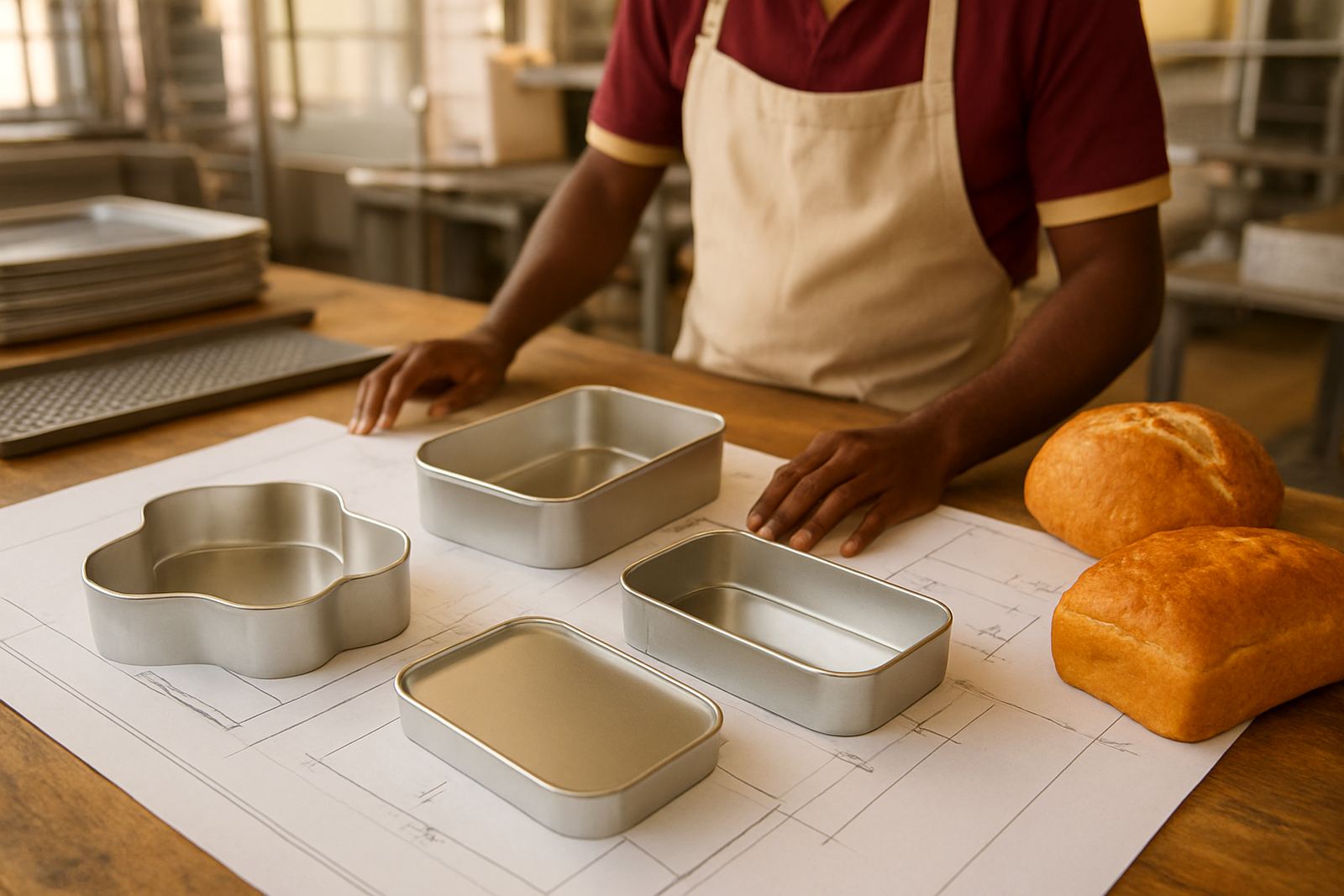
The brief was straightforward but specific. The bakery wanted flat trays for direct baking, perforated trays for better airflow under croissants and turnovers, and a consistent outside size so the trays could move between tables, proofer shelves and ovens without hand carrying each batch. They asked for something practical, easy to clean and suitable for repeated use in a warm kitchen with some coastal-style humidity from product wash-down and daily steam.
Tray sizes, materials and bake room fit
We first checked the oven rack spacing, trolley dimensions and the way the team loaded trays at peak time. That told us the tray footprint had to be kept consistent across both flat and perforated sets, with enough edge strength to prevent flex when the trays were fully loaded. The bakery also wanted edges that would not snag on gloves or scrape dough during loading.
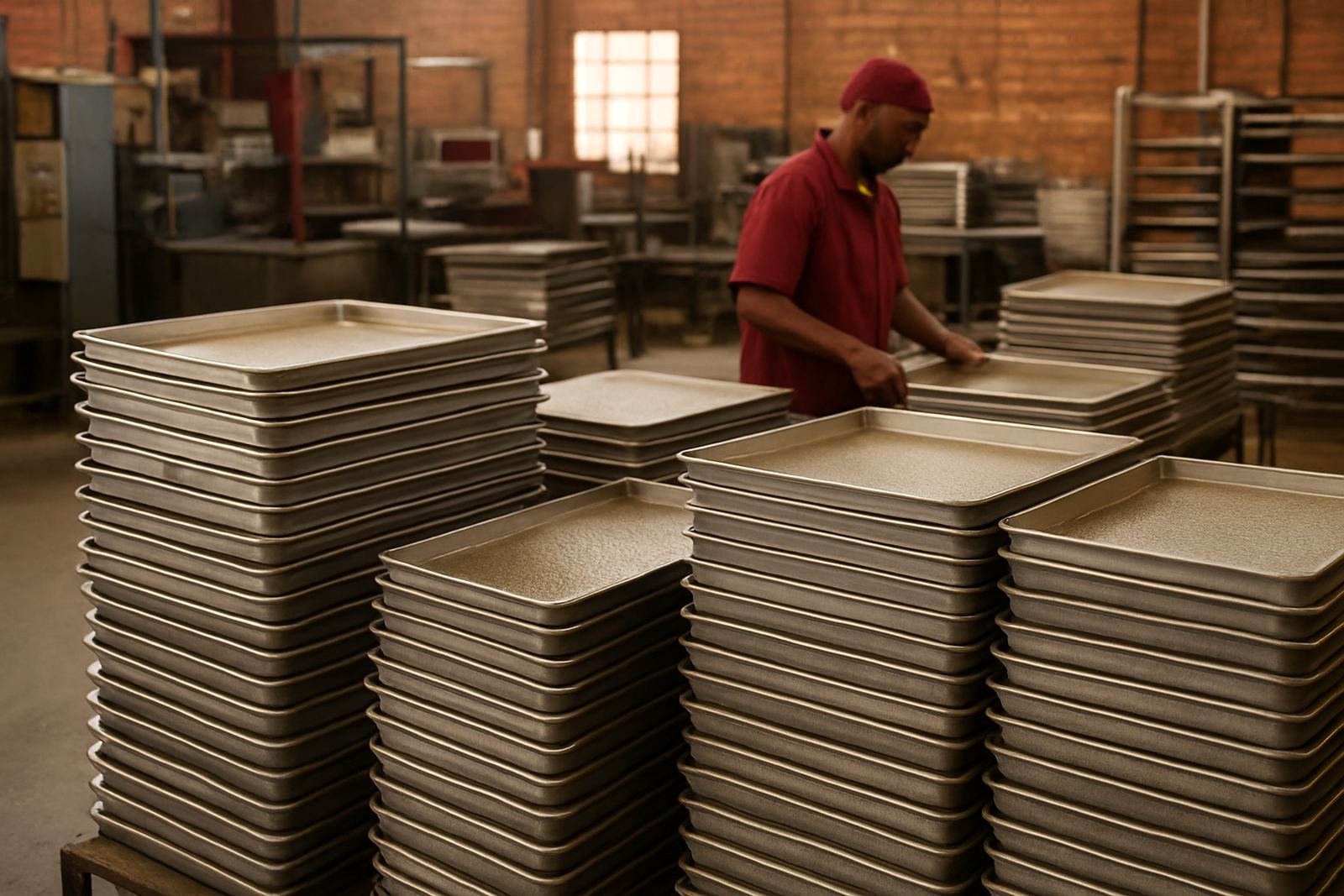
For this job we supplied mild-steel pastry trays made for repeat commercial use. The flat trays were used for Danish slices, fruit pastries and butter pastry items, while the perforated trays were used where bottom airflow was important for crisping and a cleaner bake. The perforation pattern was set to balance support and heat movement, not too open and not too fine, so the dough would stay stable through proofing and oven transfer.
- Flat pastry trays for general baked goods and glazed pastries
- Perforated pastry trays for croissants, turnovers and laminated dough
- Uniform tray footprint for rack and trolley handling
- Heavy enough gauge to reduce warping under daily heat cycles
Production notes and the changes we made
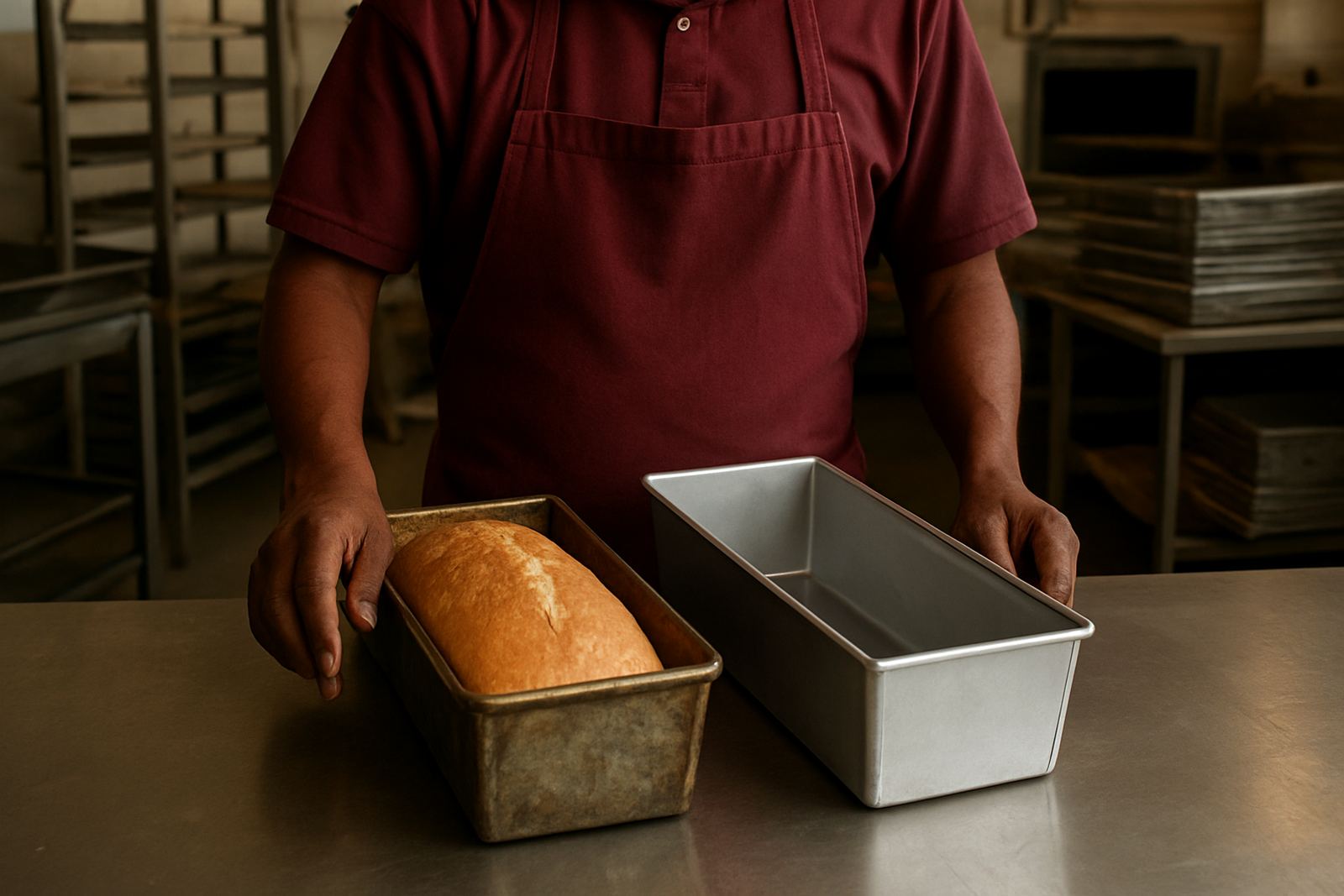
The bakery had previously used mixed tray sizes from different suppliers, which created wasted space and uneven batch handling. Some trays ran slightly out of square, so loaders had to nudge them into position on the racks. That small issue slows a production line down, and in a bakery running before sunrise every second counts. We copied the required tray profile, then adjusted the corner detail and side height so the trays sat better on their racks and stacked properly after wash-down.
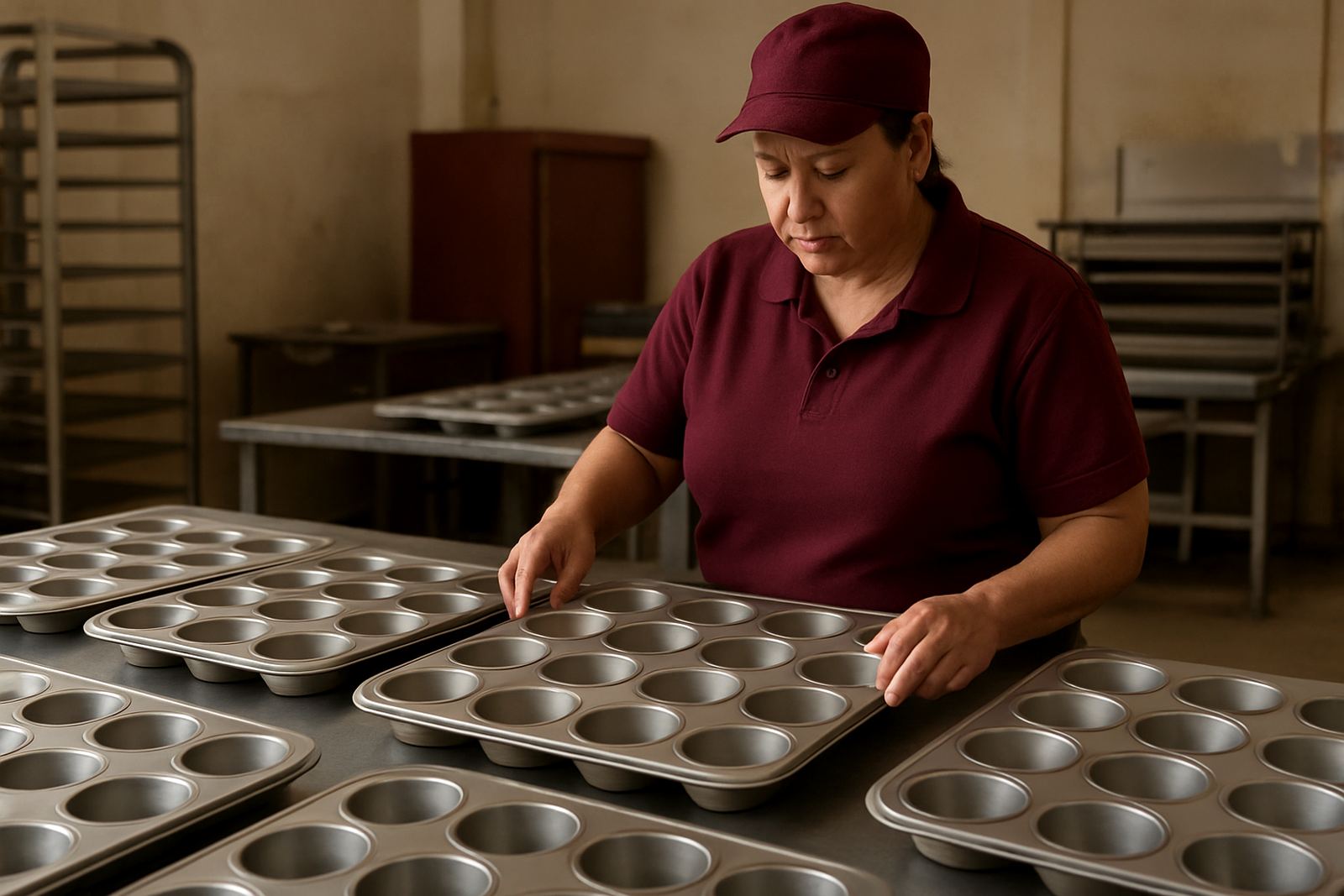
We also paid attention to the tray finish because pastry work often involves flour dust, egg wash and sticky fillings. The surfaces needed to release product cleanly but still be easy to wipe down between batches. On the perforated units, the hole layout was set to keep airflow even across the tray, especially near the centre where heavier dough can bake a bit slower.
- Copied the existing footprint and corrected minor out-of-square issues
- Adjusted edge folds for better grip and safer handling
- Matched the tray depth to the bakery's proofing and bake routine
- Used a finish suitable for daily cleaning and repeated oven cycles
Lead time and delivery into Edenvale
The full job ran over three weeks from first measure-up to final dispatch. Week one was for measurements, confirming quantities and checking the trays against their oven layout. Week two was for fabrication and fit checks. Week three covered final finishing, packing and delivery to Edenvale. That schedule suited the bakery because they could keep production moving while the new set was being made.
Dispatch was planned so the trays arrived when the team had enough space to receive them and test them in the bake room. We packed the flat and perforated trays separately to make sorting easier on arrival, and the client was able to move the new trays into use straight away. No special handling was needed, but we did recommend keeping the trays dry after washing and not stacking them while still hot, since that shortens tray life.
Results on the floor
Once the trays were in use, the bakery reported faster loading and less fiddling on the racks. The uniform size helped the team keep their batch flow steady, and the perforated trays gave a more even base colour on croissants and other laminated items. The flat trays remained the workhorse for Danish-style pastries and mixed tray bakes, where a solid base is still the better option.
The most useful outcome was consistency. Staff could switch between tray types without changing how they loaded or stacked them, which cut down on small delays during the morning rush. The bakery also found cleaning simpler because the tray set was built as a matched run rather than a mix of odd pieces. That makes a difference in a commercial kitchen, especially when the oven room is hot and the team is moving fast.
- Cleaner batch handling across daily production
- Improved tray stability on racks and trolleys
- Better airflow on perforated bakes
- Less time wasted sorting mismatched trays
What we would repeat for a similar bakery
If we were repeating this for another Edenvale or East Rand pastry bakery, we would start with the same practical checks: oven size, rack pitch, proofing shelves, wash-down routine and the weight of the dough on each tray. That is the best way to avoid buying a set that looks right on paper but creates headaches once production starts. We would also keep the tray sizes standard across both flat and perforated units so the bakery can reorder later without rebuilding their workflow.
For businesses dealing with load-shedding, we would suggest checking how long products sit in trays during stoppages and whether the tray surface and edge height suit that hold time. A tray that works well for a short proof may behave differently if product sits longer before baking. For coastal customers or bakeries with lots of steam, we would also advise drying trays properly after wash-down so corrosion does not start at the cut edges.
This is the kind of job where the detail matters more than the label. A good pastry tray should fit the oven, fit the staff movement and fit the batch size. If those three line up, the bakery gets less fuss and better output.
Key facts
| Project | Edenvale pastry trays |
|---|---|
| Client type | Commercial pastry bakery |
| Location | Edenvale, Gauteng |
| Tray types | Flat pastry trays and perforated pastry trays |
| Material | Commercial mild-steel bakeware |
| Timeline | 3 weeks from measure-up to delivery |