What the Springs bakery needed before peak trading
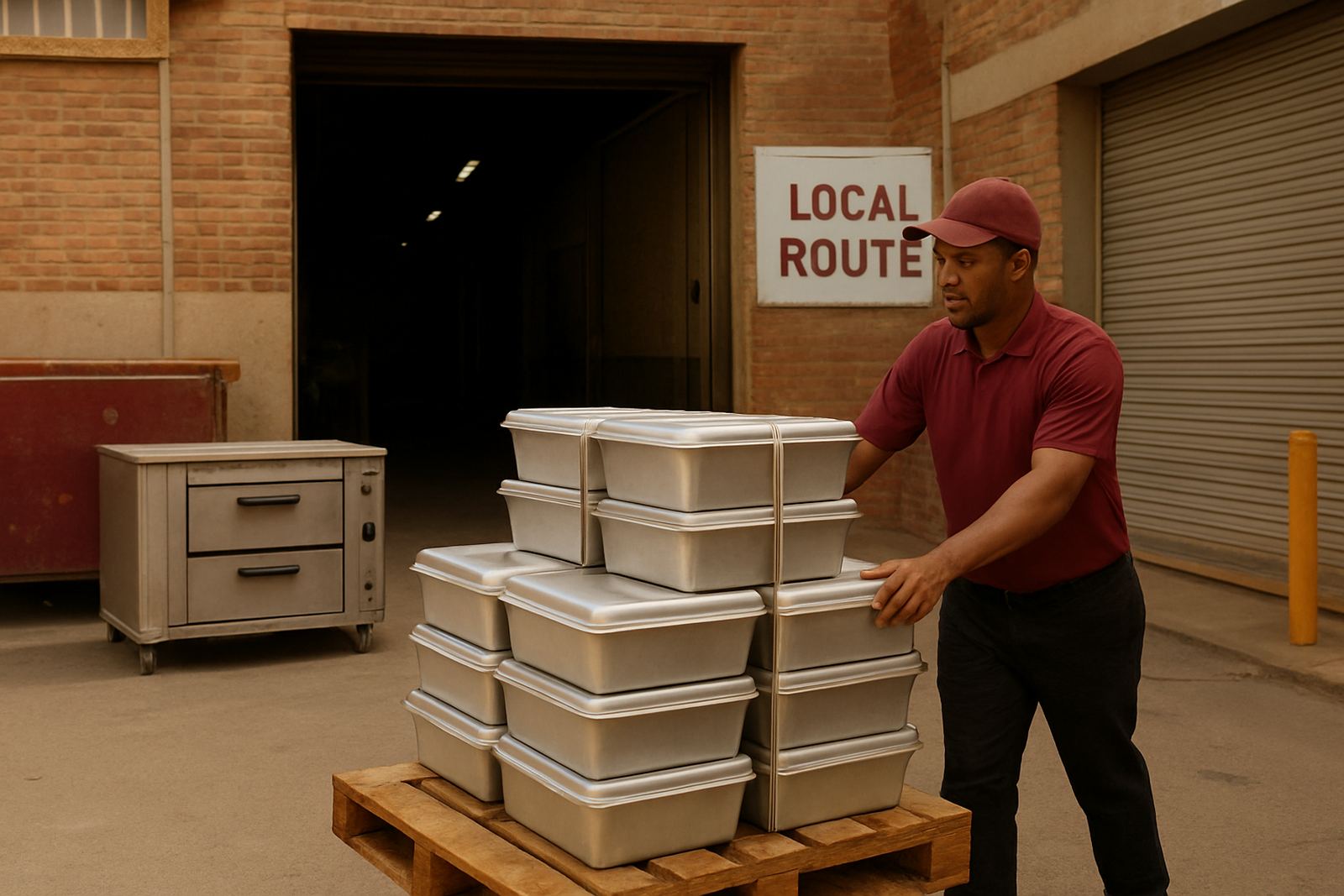
The client was a medium sized bakery in Springs supplying rolls and small buns to local shops, tuck shops and food counters. They wanted to lift output ahead of peak trading and reduce the number of trays that needed to be turned around during the day, especially when orders came in early and the ovens were already running warm by 5 am.
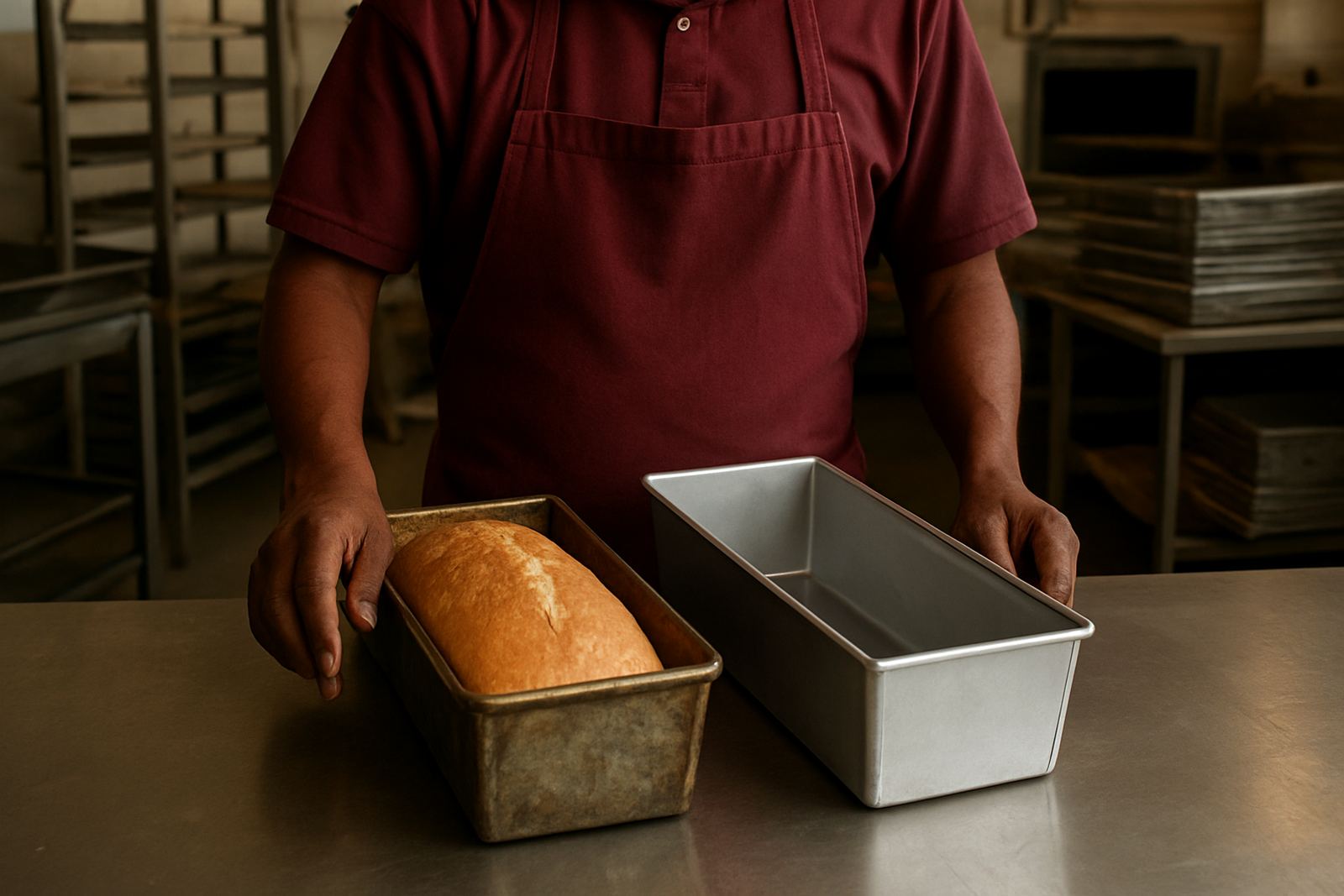
The brief was straightforward but specific: make roll trays that allowed even spacing, clean release and good airflow under the product. The bakery also wanted trays that could be stacked safely, moved quickly between prep and proofing, and still hold shape after repeated heating and washing. Their existing trays were mixed sizes, a bit tired, and not all of them matched the way the team portioned the dough.
- Town: Springs, Gauteng
- Client type: Independent bakery with wholesale and counter sales
- Goal: Increase bun and roll output before peak trading
- Main issue: Mixed tray sizes and inconsistent spacing
Practical constraints we had to build around
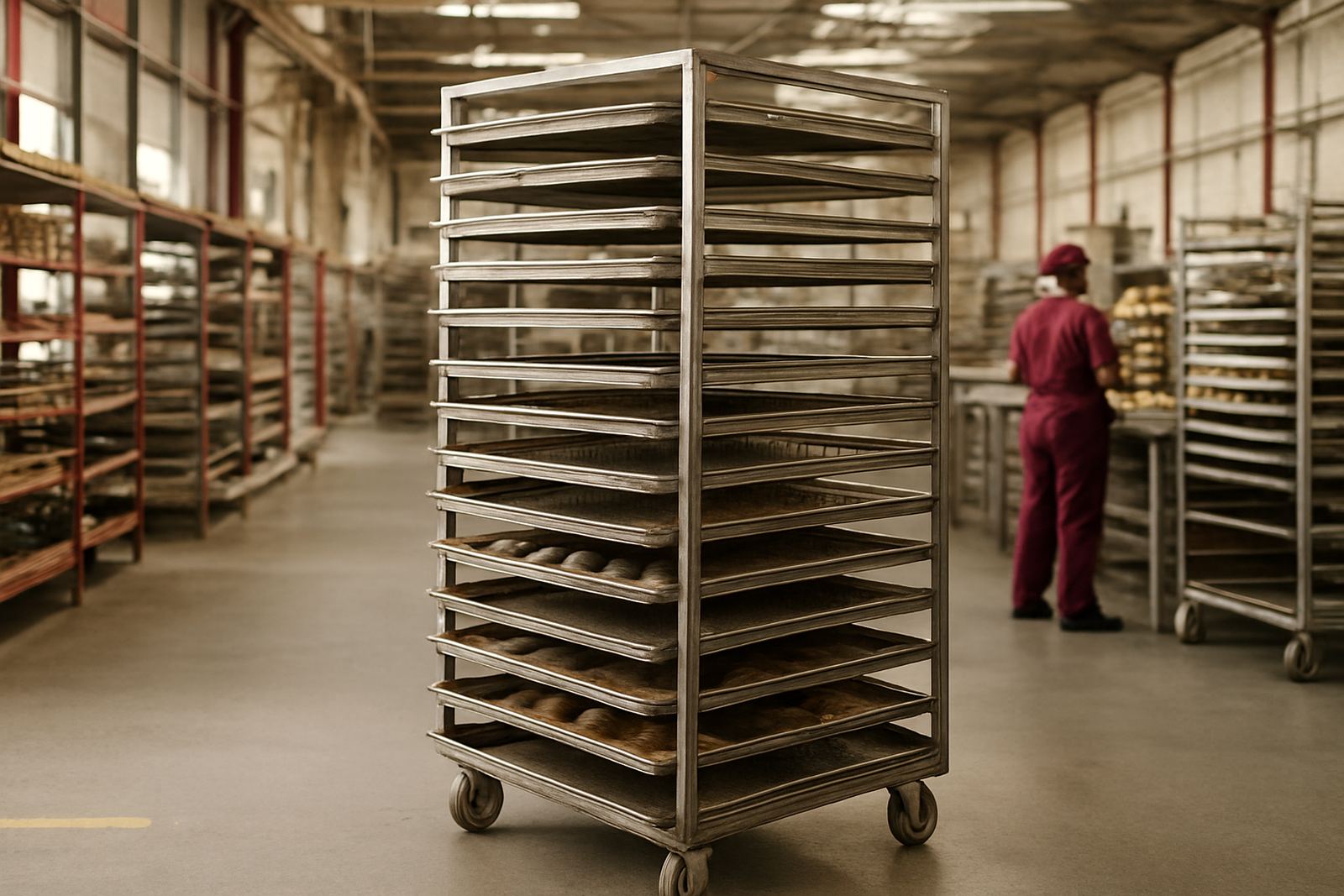
We had to work around the bakery's oven rack sizes, proofing space and handling routines. The trays needed to sit properly on existing racks without wasting shelf space, because in a busy bakery every spare metre counts. Springs also has its fair share of dust and summer heat, so the client wanted something that would clean down properly and not warp too easily in daily use.
We also kept load-shedding in mind. When power returns and the bakery is trying to catch up, equipment must be easy to manage and quick to move. The trays could not be too heavy, but they still had to be stiff enough for repeat use. That balance matters more than people think, especially when staff are moving trays all morning with hot products and limited time.
- Fit existing oven racks and prep tables
- Allow consistent tray spacing for even baking
- Keep handling weight manageable for staff
- Stand up to repeated washdowns and heat cycles
The tray specification we settled on
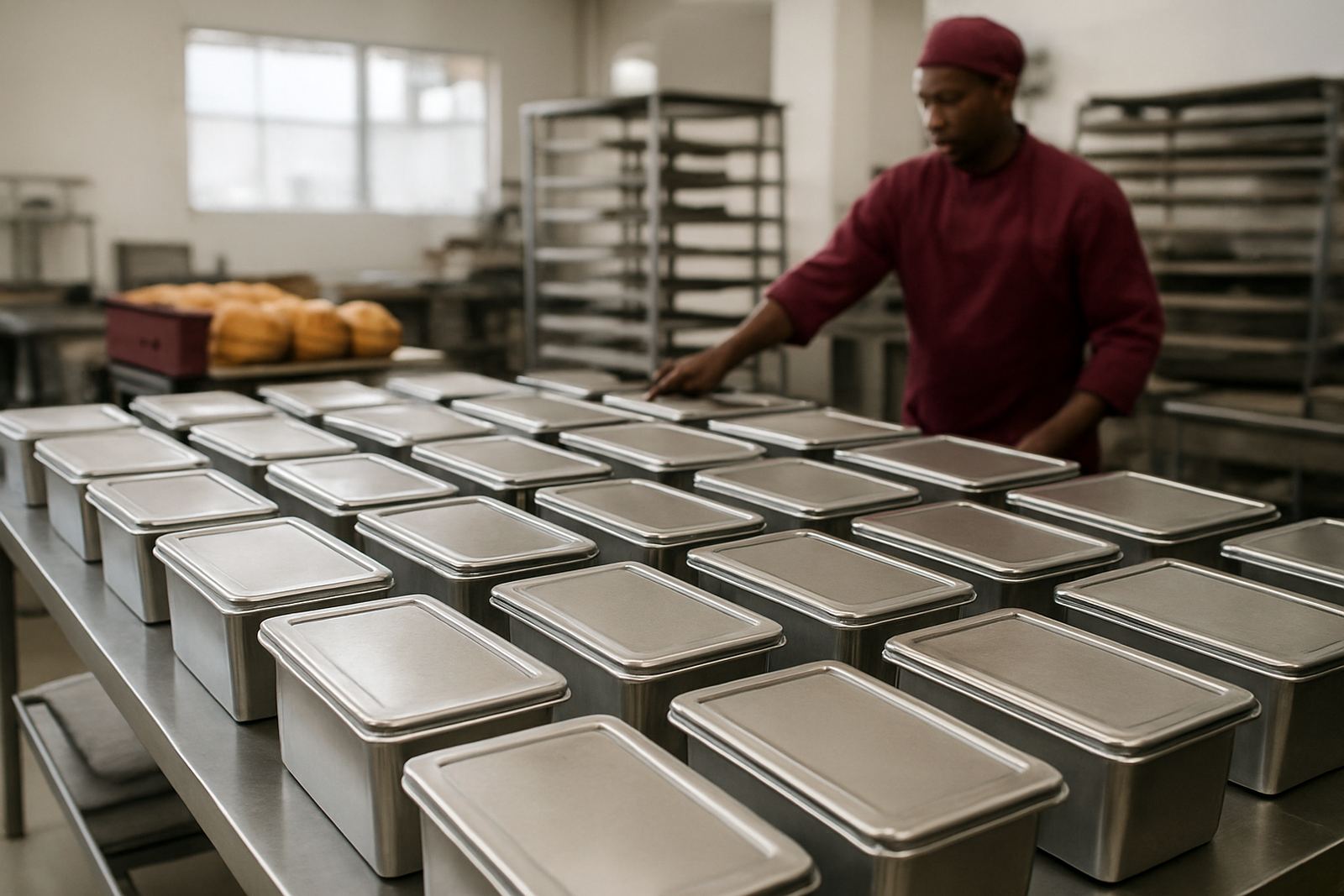
We supplied roll trays manufactured in mild steel for strength and repeat use, with dimensions matched to the bakery's rack layout. The tray pattern was set out to suit the size of the rolls they were portioning, so the dough pieces had enough room to rise without touching each other too early. That gave them cleaner sides and more even browning across the tray.
The finish was chosen for regular bakery handling and cleaning, with attention paid to edge folding and corner strength. Where required, we adjusted the lip height so trays could be lifted and stacked with less flex. For a bakery working in shifts, that made a real difference because trays were moved a lot, and a flimsy edge quickly becomes a problem.
Key build points included correct tray spacing, flatness across the base and enough clearance for airflow. We also kept the layout simple for staff, no complicated loading pattern, no awkward gaps, just a tray that supported production and did not slow the line down.
Key facts
| Product | Custom roll trays |
|---|---|
| Material | Mild steel |
| Town | Springs, Gauteng |
| Use | Bun and roll production |
| Build focus | Spacing, airflow and stacking |
| Project time | 3 weeks from confirmation to supply |