Why channel shape matters for long loaves
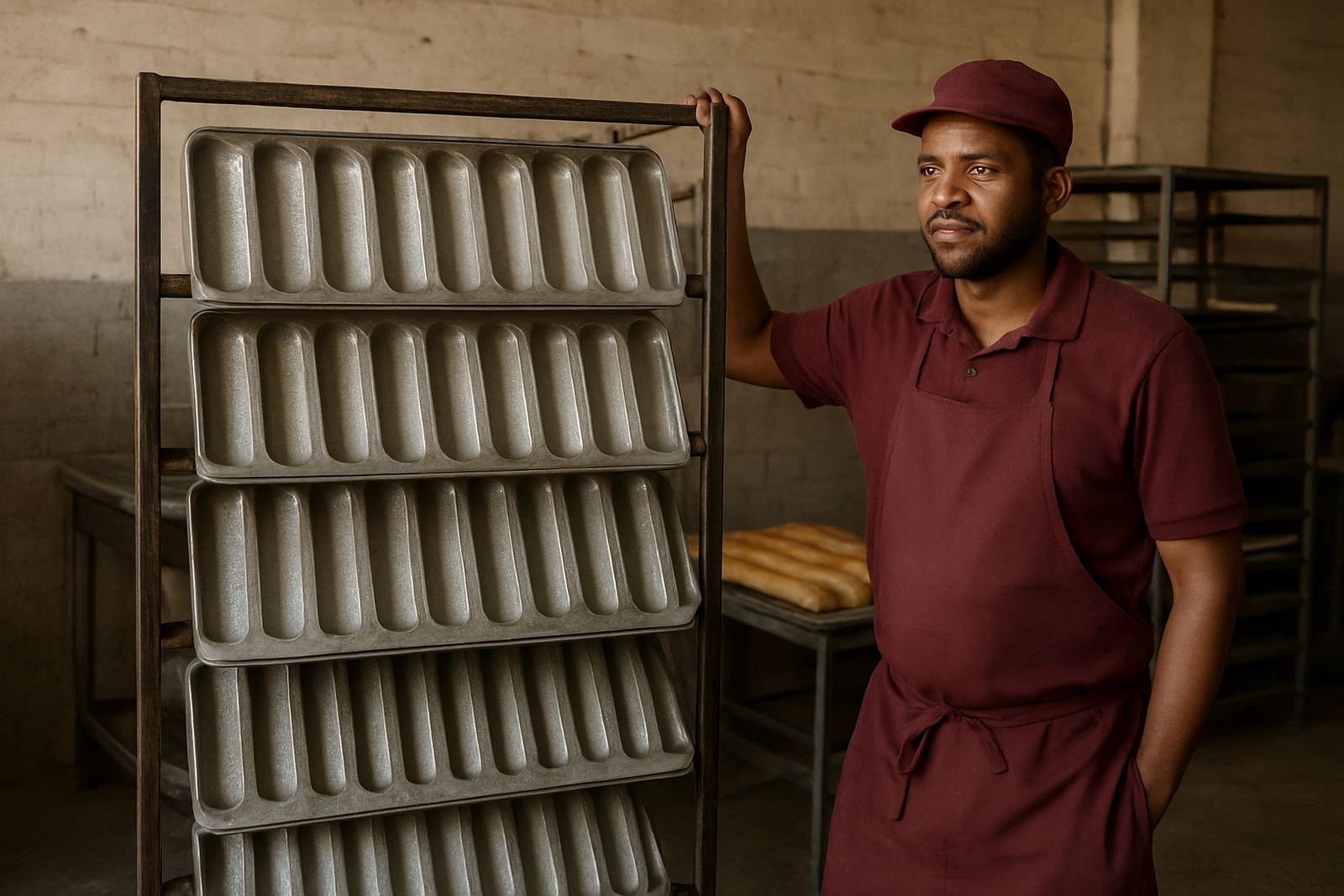
A baguette tray is built to keep each loaf in its own channel so the dough rises upward instead of spreading sideways. That simple bit of control is what gives a long loaf a neater profile, steadier bake and less waste on the rack. In a busy bakery, especially where shift timing is tight and ovens are loaded in batches, the tray has to hold its form without twisting under heat.
On the floor, tray shape affects more than the loaf itself. If the channels are too shallow, the dough can spread and touch the next piece. If they are too deep, the bottom can brown too fast or the loaf may sit damp in the base. The right tray helps the baker keep the same result from one batch to the next, which matters when you are filling orders for cafés, school tuck shops or retail counters in Alberton, Germiston and Boksburg.
- Channels that are too wide can let the dough flatten.
- Channels that are too narrow can pinch the shape and slow release.
- Even spacing helps heat move evenly across the tray.
- A steady frame keeps handling safer during loading and unloading.
Spacing, loaf count and oven rhythm
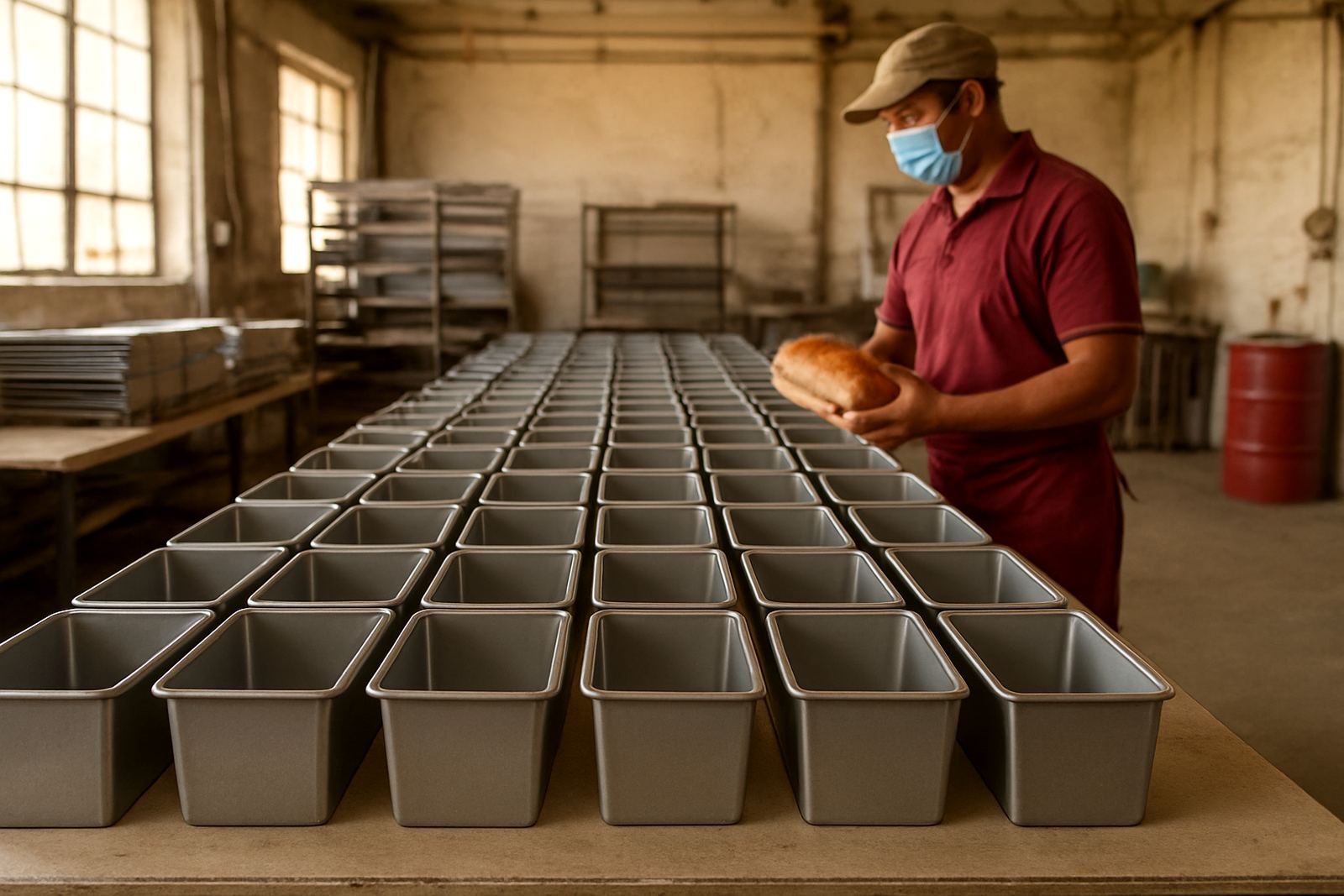
Spacing is where a lot of tray problems start. A tray must suit the loaf size, the proofing amount and the oven rhythm in the bakery. If the channels are cramped, the sides of the loaf meet too soon and the crust loses definition. If the spacing is too generous, the tray takes up more oven room than it should and you end up baking fewer loaves per load.
For bakeries in Gauteng, where electricity cuts and load-shedding can throw off the schedule, it helps to match tray layout to the oven plan very carefully. You want enough room for airflow, but not so much that the oven space is wasted. A clean tray layout can make the difference between a rushed second bake and a planned dispatch for the morning run to Soweto or Midrand.
- Measure the final dough weight before choosing channel width.
- Check whether the loaf will be proofed in the tray or transferred in after shaping.
- Allow for oven spring so the dough has room to rise without sticking.
- Keep tray sizes consistent with the oven deck or trolley layout.
Handling trays without bending the frame
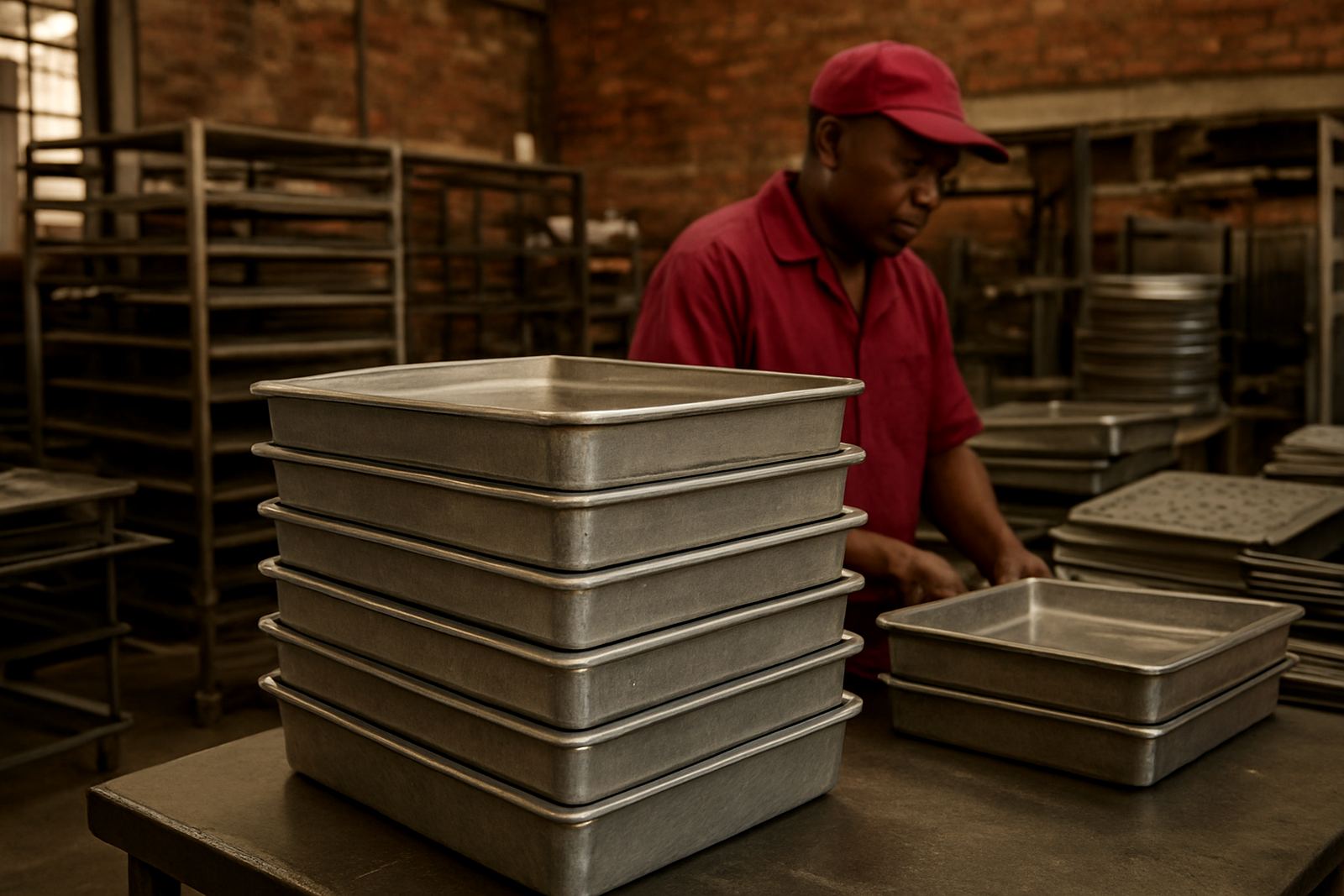
Baguette trays are handled more than many people think. They are lifted, stacked, carried to proving rooms, moved into hot ovens and cleaned after the shift. If the frame is too light for the work, it can bow in the middle and the channels stop sitting level. Once that starts, the loaves bake unevenly and the tray becomes harder to use day after day.
For a production team, good handling starts with a tray that has proper edge strength and enough support across the width. A tray should not snag gloves, catch on rack rails or flex badly when loaded with dough. At our Alrode base, we often see bakeries ask for heavier gauge builds after their first batch of trays shows wear from daily handling. It is usually a practical decision, not a fancy one, and it saves money in the long run.
- Lift from both sides instead of pulling one corner first.
- Do not stack hot trays too tightly after baking.
- Check for warped rails before a new production run.
- Use clean, dry racks to avoid slipping during transfer.
Perforation and heat flow in the oven
Many baguette trays use perforation to improve heat transfer and help moisture escape from underneath the loaf. That matters because a trapped base can leave the bread pale or soft underneath while the top is already colouring. Perforation also assists with release, which is useful when production is moving quickly and the team needs to turn trays around without delay.
The hole pattern should suit the product. Too much open area can weaken the tray and make cleaning a bit more work, while too little can trap steam and hold the crumb back. A practical tray gives enough airflow for the bake and enough metal strength for repeated use. In humid conditions, such as coastal deliveries going out from Gauteng to areas with more moisture in the air, drying and storage become even more important after washing.
- Perforation helps reduce soggy bottoms.
- Balanced hole spacing supports even browning.
- Cleaning is easier when dough residue does not sit in deep corners.
- Dry trays fully before stacking to limit corrosion.
When a tray needs copying or a size match
Not every bakery starts with a fresh tray specification. Some have an existing pattern that works well enough and just need more trays to match it. Others have older equipment that still fits the oven line, but the originals are bent, thin or no longer available in the right size. In those cases, size matching or pan copying can keep production steady without forcing the bakery to change its method.
This is common in bakeries that run mixed product lines. A team may need baguette trays for one shift and bread pans or lids for another, all while keeping the same trolleys and oven spacing. Matching the tray properly avoids awkward gaps on the rack and reduces wasted space. It also helps when a site in Germiston or Boksburg needs batch reorders after a period of higher demand, because the new trays must sit with the old ones without causing handling problems.
- Bring a sample tray, even if it is worn.
- Check the exact outside size, not just the loaf space.
- Confirm whether the tray must fit an existing rack or oven deck.
- Note any special corner folds, handles or support bars.
A local bakery example from Alrode to the counter
A bakery in Johannesburg South may bake long loaves before sunrise, cool them on the rack, then dispatch to cafés, canteens and small retailers by mid-morning. If the baguette trays are set up correctly, the baker gets better shape, fewer rejects and less time spent fixing flattened loaves. If the tray is wrong, the problem shows up quickly, usually in the first 20 minutes of the oven cycle.
One common issue is channel width that looked fine on paper but proves too tight once the dough is fully rested. Another is a tray that is sound for a few months, then starts to sag because it was too light for the daily load. In those cases, a factory consultation can help the team compare the old tray, the oven space and the actual loaf weight before another order goes out. It is a simple way to keep the bakery moving without guesswork, especially when municipal water or power interruptions already put pressure on the shift.
What to ask before you order baguette trays
Before placing an order, it helps to have a clear idea of the loaf, the oven and the handling routine. That makes the tray easier to specify and reduces back-and-forth. A good tray should suit the bakery's daily pace, not just the sample loaf on the table. If the team works early, late and through busy weekends, the tray has to cope with repeated loading, cleaning and storage without losing shape.
Useful questions to settle first:
- What is the loaf length and expected dough weight?
- Will the tray be used for proofing, baking or both?
- Does the oven need perforated bases or solid support?
- How many channels are needed per tray and per batch?
- Will the trays be stacked, trolleyed or carried by hand?
- Do you need divider inserts or a custom frame around the channels?
Once those points are clear, the tray can be made to fit the job properly. That gives the bakery a better working rhythm and fewer surprises when the order book fills up.