Why one size on the shelf beats constant measuring
When a bakery keeps to standard pans, lids and trays, the whole operation becomes simpler to manage. Staff know what goes where, orders can be repeated without back-and-forth, and production figures are easier to compare from week to week. That matters whether you are baking sandwich loaves for a spaza route in Soweto or mixing larger batches for a wholesaler in Boksburg.
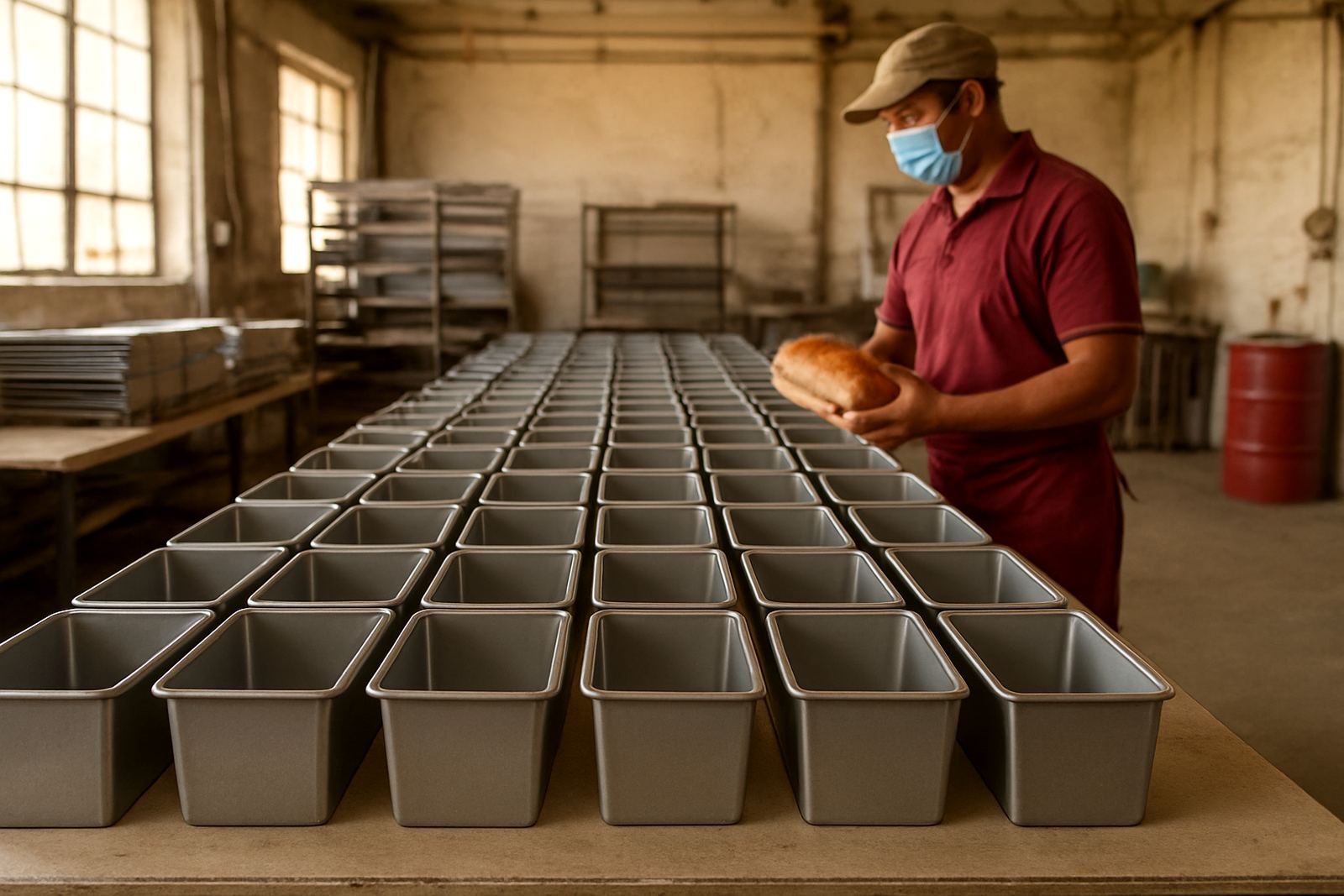
With standard lines, your team can check stock at a glance instead of measuring each item before use. It also helps with changeovers between shifts. If the same BO3, BO4 or BO5 pans are used every day, there is less confusion during early-morning starts and less chance of sending the wrong item to the oven. In a busy bakery, that small saving repeats itself all day.
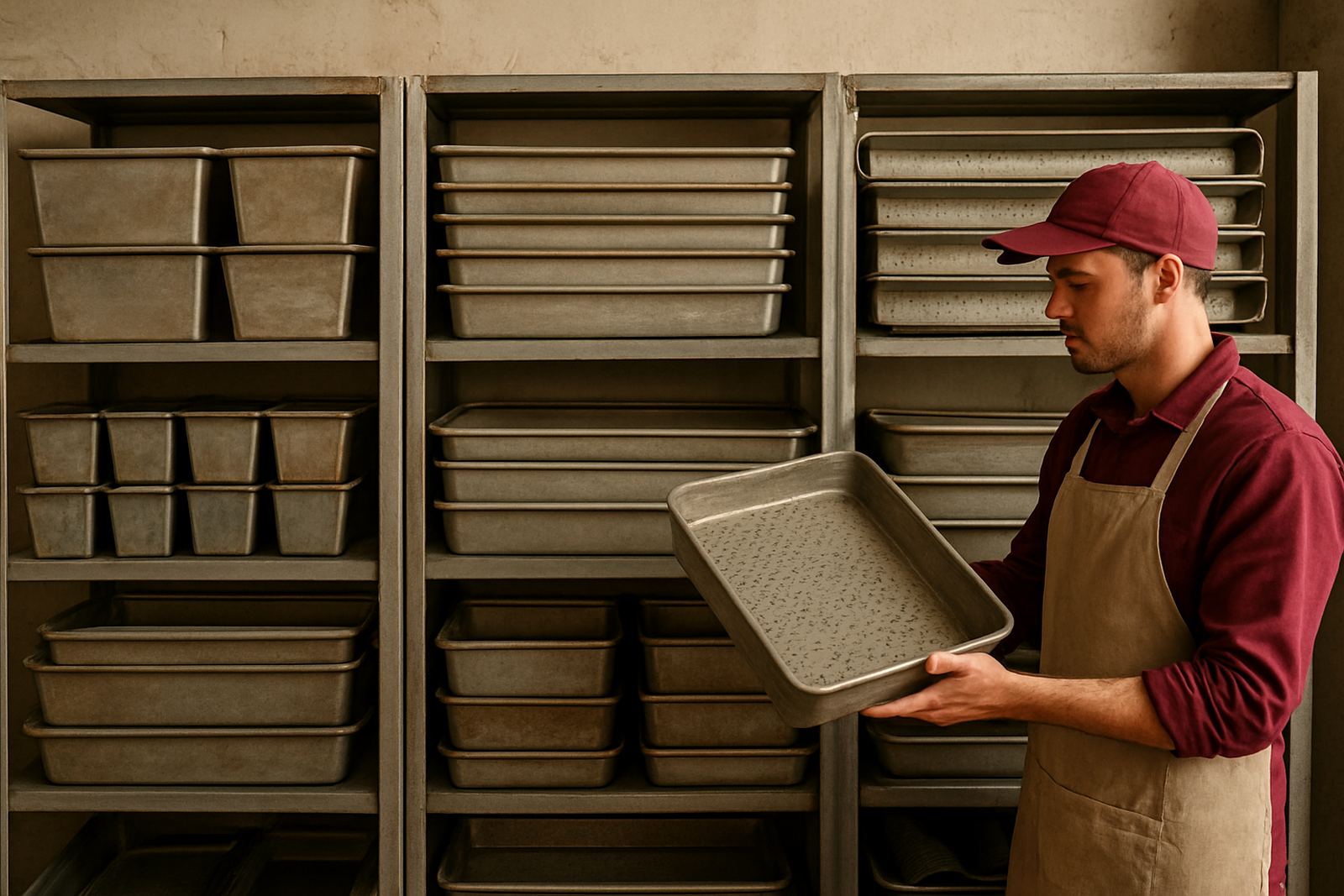
Standard sizing also gives you a clearer picture of wear and replacement. When a tray bends or a lid no longer fits properly, you can identify the issue quickly and reorder without guessing. That keeps the line moving, and it avoids the false economy of trying to make odd sizes work for too long.
Reordering is faster when the spec is already known
One of the biggest benefits of standard sizes is simple reorder control. If a bakery uses the same bread pan format every month, the office or buyer does not need to start from scratch each time. The size, lip detail, gauge and fitting style are already known, so the order can be placed with fewer errors and less wasted time.
This matters for bakeries with regular production cycles and tight delivery windows. A factory in Alrode may need a batch every few weeks, while a shop bakery in Germiston may only need replacements as stock wears out. In both cases, the same basic spec makes life easier. There is less risk of ordering pans that are too shallow, trays that sit wrong in the oven racks, or lids that do not close as they should.
- Quicker repeat orders because the item code or size is already on record
- Fewer mistakes when different staff members place orders
- Better planning for batch reorders before busy trading periods
- Cleaner comparisons on cost per pan, tray or lid over time
For a manager balancing ordering, staff absences and delivery cut-offs, that kind of simplicity is worth a lot. It also helps when power interruptions or maintenance delays disrupt the week, because you can move on to the next step without rechecking every measurement.
Standard sizes make staffing and training easier
New staff settle in faster when the bakery uses standard equipment. Instead of learning a different pan depth or tray width for every batch, they can follow one routine. That reduces errors in filling, spacing and loading, and it helps supervisors keep output more consistent across the shift.
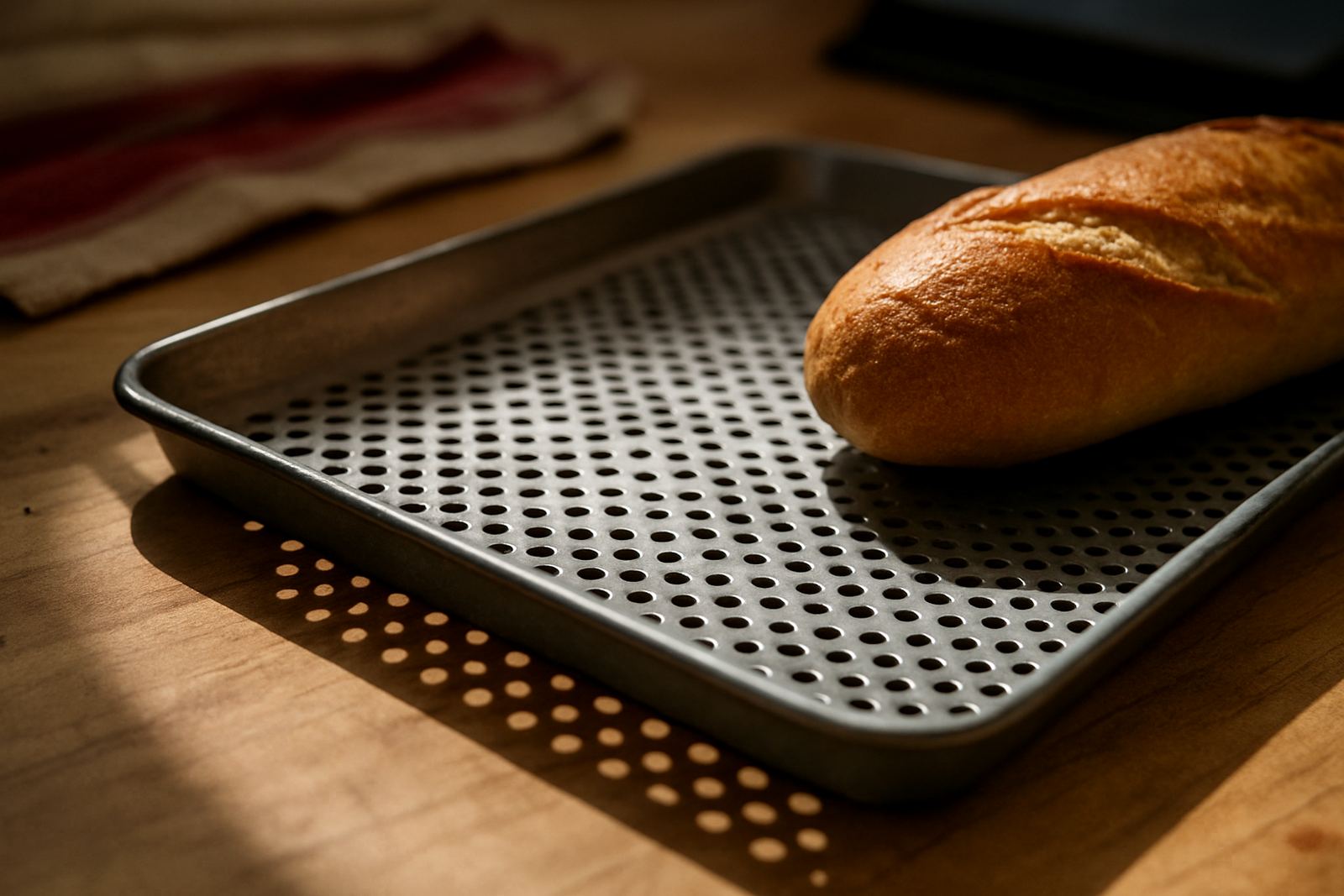
This is especially useful where teams are small and everyone wears more than one hat. In many local bakeries, the same person may mix, load and dispatch, then help with cleaning before closing. If the pans and trays are all to one pattern, training is easier and the work is less tiring. Staff do not have to keep checking whether a lid belongs to a long tin or a shorter one, or whether the baguette tray needs a different rack position.
Standardisation also supports cleaner handover between shifts. The night team can leave notes on quantities, and the morning team can pick up without wondering which special size was used yesterday. That creates steadier output, and steadier output makes it easier to promise delivery times to customers.
Output planning becomes clearer when every tray holds the same load
Bakeries live by numbers. If one tray holds six loaves and another holds seven because of a non-standard size, your planning becomes messy very quickly. Standard pans and trays let you calculate batch yield, oven space and baking times with much more confidence. You can work out how many units fit into one run, how many runs fit into the morning, and how much cooling space you need afterward.
That is useful for both small and larger operations. A production foreman in Gauteng does not want guesswork when the schedule is tight. Standard sizes make it easier to match mixer output to pan count, and to plan proofing space before the dough is mixed. It also helps with labour planning because staff can be allocated by batch rather than by chance.
- Predictable oven loading and rack usage
- More accurate batch counts for daily planning
- Better use of proofing and cooling space
- Less idle time while staff wait for the next set of pans or trays
In practical terms, this means less standing around and fewer rushed fixes. When the load is known, the shift can move at a steady pace instead of chasing problems as they come up.
A local example from a busy Gauteng production floor
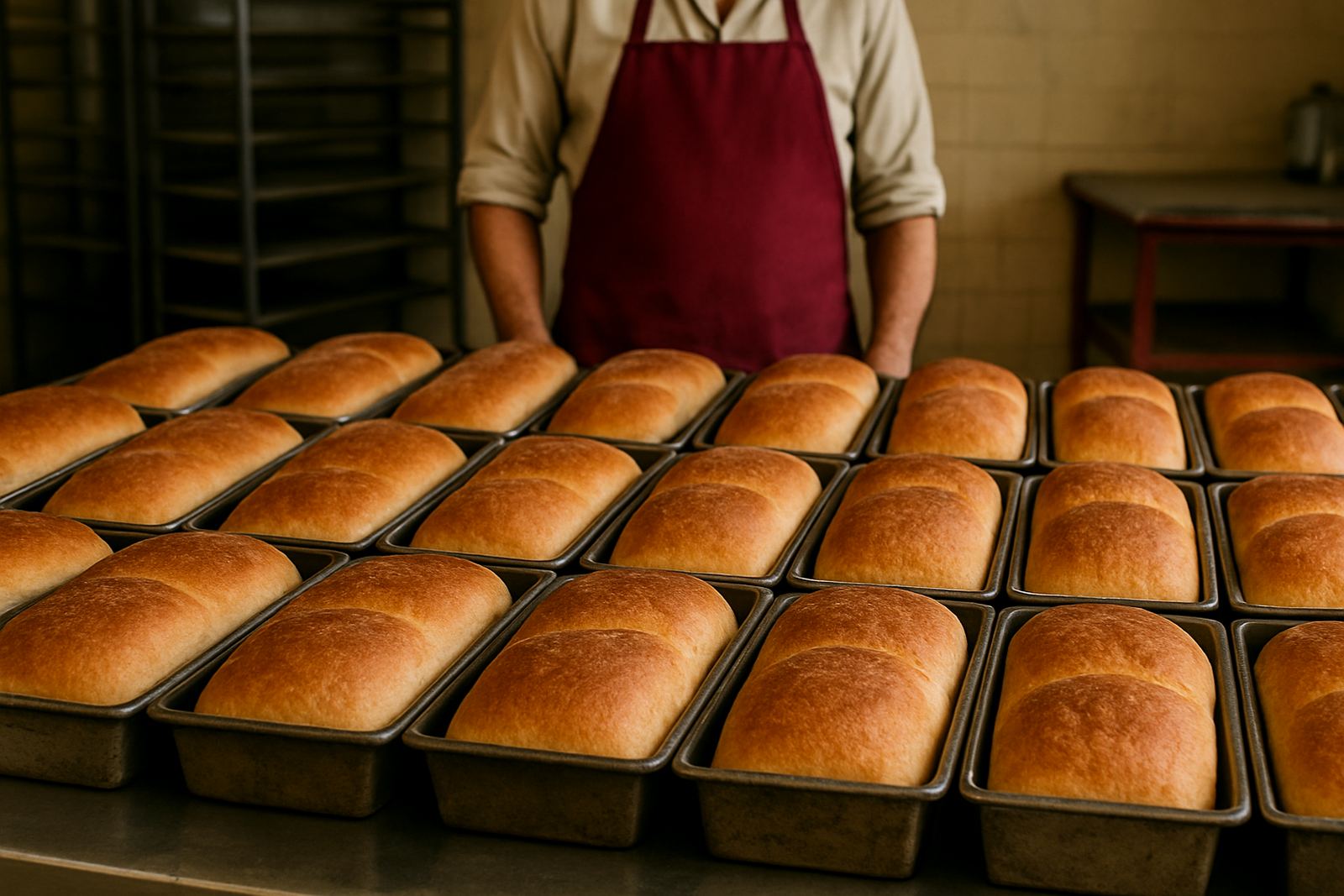
Take a bakery in Alrode supplying bread to nearby wholesalers and tuck shops. The team starts before sunrise, and the ovens are already under pressure by the time traffic builds on the R59 and surrounding routes. If the bakery uses standard BO4 pans and matching lids, the foreman can plan each batch against the same rack layout every day. That means fewer delays while staff check fitment, and less risk of mixing up one size with another during a busy morning.
Now compare that with a bakery using mixed sizes brought in over time. One set of pans may be slightly deeper, another may sit looser on the lid, and the tray count per run changes each week. The result is slower loading, more wastage, and more variation in the final loaf shape. In a market where customers notice weight, crust and slice size, that kind of inconsistency can hurt repeat trade.
With standard sizes, the business can keep a proper record of what was used, what needs replacement and what should be reordered next. It is not glamorous, but it helps the whole floor run better. Even on days when the municipal supply is not ideal or the power goes off, the team can at least keep the production method straight.
When a bakery should move beyond one-off pieces
Custom work has its place, especially for special products or older ovens, but it should not become the default for everyday production. If a bakery is always asking for odd sizes, staff spend more time adapting than baking. Standard lines are a better fit for regular bread production, batch reorders and stock control. They also make it easier to keep spare items on hand for breakdowns, busy seasons or last minute orders.
If you are reviewing your equipment list, ask a few simple questions. Are the current pans and trays still matching the rack layout? Are the lids fitting properly? Can the team explain the sizes without looking them up? If the answer is unclear, it may be time to bring the line back to standard sizes and keep the odd pieces only where they are truly needed.
For bakeries around Johannesburg South and Gauteng, the practical route is often the best one. Standard sizes keep reordering plain, staffing easier and output more predictable. That helps the business stay organised, even when the week is busy and the pressure is on.