Why a second shift changes your bakeware needs
One shift can get by with a tidy set of bread pans, a few extra trays and a bit of patience when something bends or goes missing. Once you add a second shift, the same kit has to keep moving for far longer hours with less downtime between runs.
That is where bakeries in Alrode, Germiston and Midrand often get caught out. The oven capacity may be ready, but the pans are not. If the first team is still baking while the second team starts prep, every missing lid, dented pan or warped tray slows the line. The cost is not only replacements, it is also stoppage time and uneven product.
- Count pans for both shifts, not just the oven load on one run.
- Check whether trays return in time for the next cycle.
- Allow for wash-up, cooling and stacking space.
- Keep a small buffer for breakages, scrap and urgent orders.
Start with the real output, not the roster
The first question is simple: how many loaves, rolls or baguettes must leave the floor by the end of the day? A second shift only works well when the bakeware matches the daily target, the oven turns and the dispatch window.
For example, a bakery in Boksburg may run a morning shift for standard loaves and an evening shift for retail top-up orders. If the second team also has to produce sliced bread for township shops and food service clients, the pans and lids must be matched to that volume, not to the old single-shift figure.
We usually look at the full cycle, from mixing through proofing, baking and cooling, then back to the wash bay. If the cycle time stretches too far, you do not need only more labour. You need more bakeware on hand, and sometimes a heavier gauge build so the pans keep shape under constant use.
- Map daily output by product type.
- Separate one-off orders from repeat lines.
- Allow for hot days, load-shedding and slower cooling in summer.
Where wear shows up first on the second shift
Extra hours expose weak points quickly. A pan that looked fine on a morning-only schedule can start giving trouble once it is used twice a day, every day. The usual signs are uneven baking, lid fit issues, loose corners on trays and product sticking where the surface has started to fatigue.
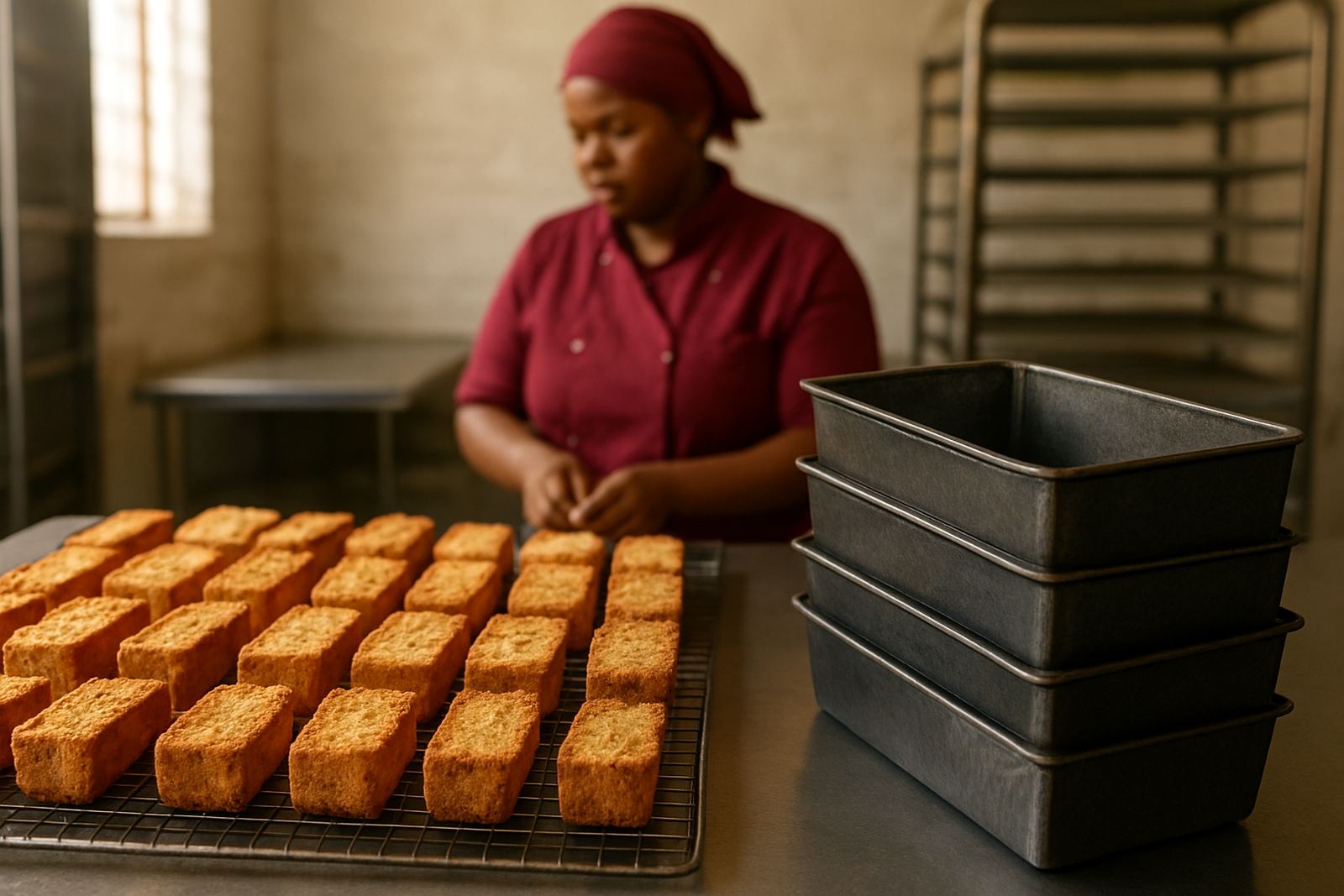
In humid coastal conditions the problem can be worse, but Gauteng bakeries still see plenty of wear from handling, stacking and hard wash cycles. If trays are stacked while still warm, or if they are scraped hard during cleaning, the surface and the edges start to move. That is why some bakeries choose heavier gauge builds for the pieces that work hardest.
- Watch for twisted trays and pans that no longer sit flat.
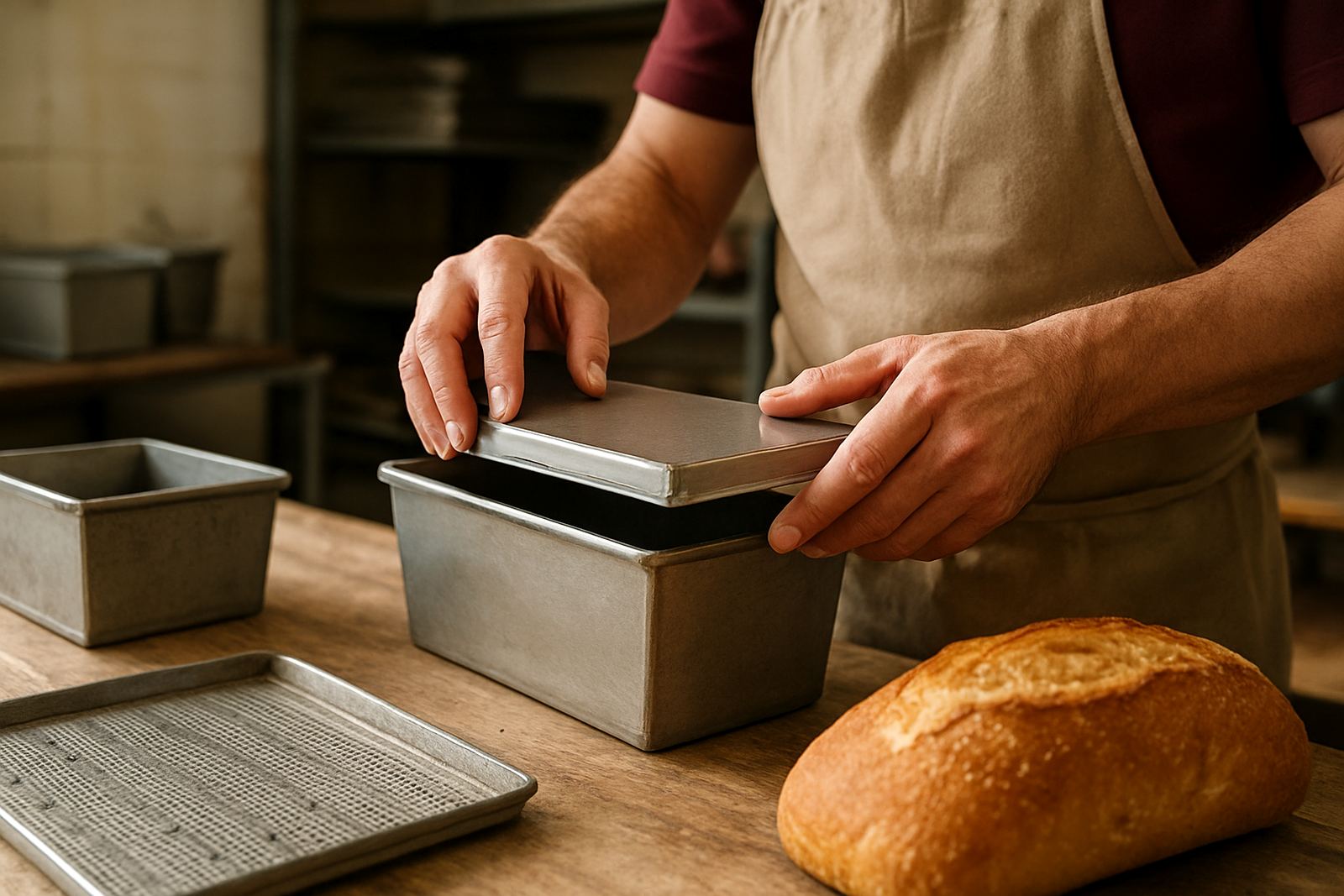
- Check lid fit after repeated use, not only on delivery.
- Inspect perforated trays for blocked or damaged holes.
- Replace the worst units before they start affecting the whole batch.
How to plan stock so both shifts keep moving
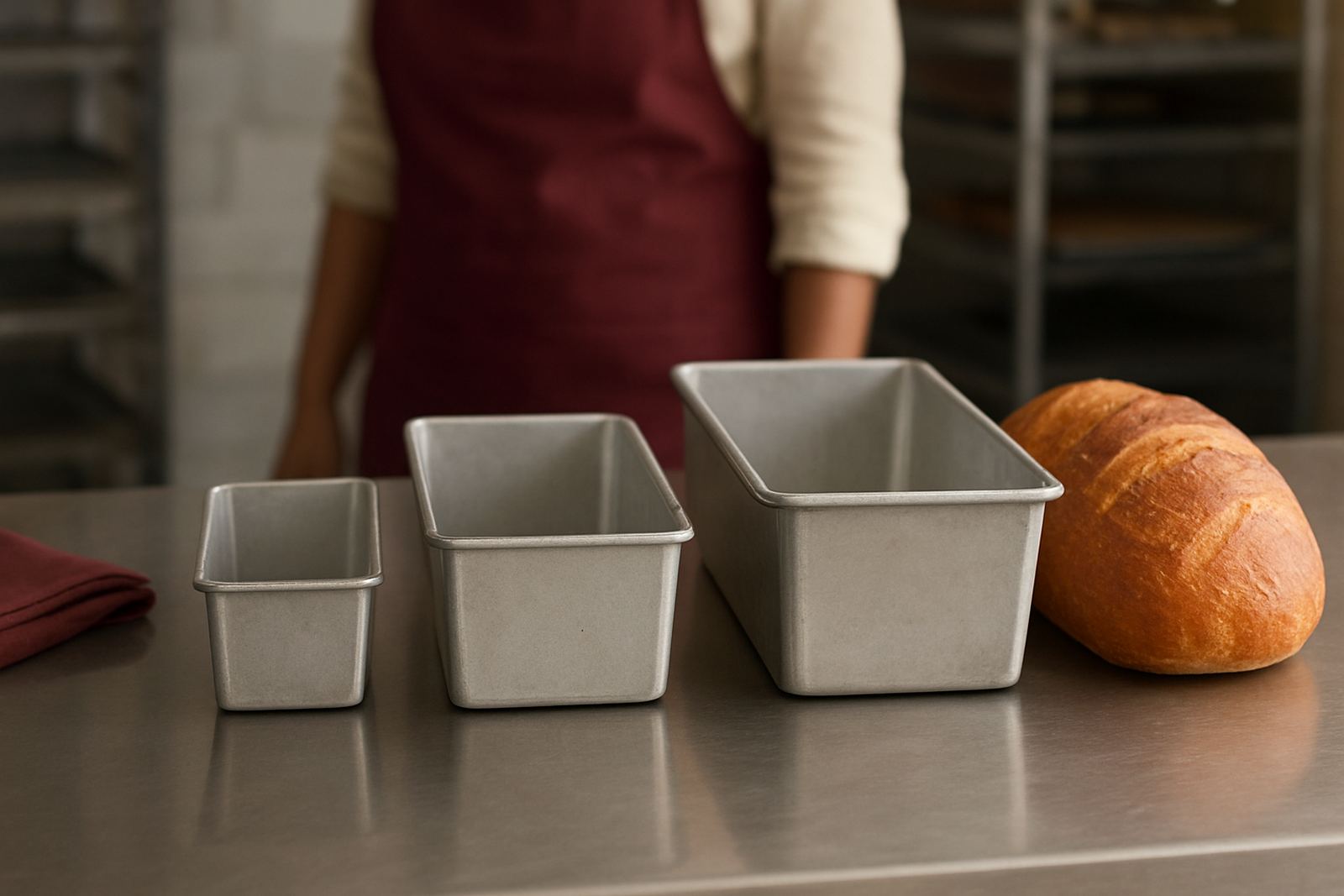
Second shift buying is really stock planning. You need enough pans and trays to cover production, washing and a safety margin. The best way is to list every item by size, then match it to the number needed per shift and per day.
For bakery managers in Soweto or Alberton, this often means separating urgent lines from slower lines. Bread pans and lids for daily loaves should be held in steady numbers, while speciality trays for baguettes or perforated items can be reordered in batches. That keeps cash flow under control without leaving the team short on a busy week.
- Hold core items in a fixed reorder quantity.
- Keep a list of the sizes that are hardest to replace.
- Order spares before the old stock is fully worn out.
- Plan for municipal collection times and dispatch cut-offs when receiving deliveries.
A local example from the southern industrial belt
A bakery on the Johannesburg South side may start with one shift, then add an evening team when retail demand grows. At first, the managers often think they only need more staff and more flour. Then the second shift starts and the practical issues show up. The wash bay fills up, the first set of pans is still hot, and the same tray comes back scratched because it was rushed through cleaning.
That is usually the point where size matching, tray copying or a few prototype runs make sense. If one pan size is causing too much handling or the lid edge is too loose, the fix is not guesswork. It is measured copying and a proper fit. A small change in depth or lip style can save time every night.
For busy bakeries in Alrode, Germiston and Boksburg, the payback is often simple: fewer stops, cleaner product release and less pressure on the team at changeover.
What to ask before you place the next order
Before you buy for a second shift, ask what must change and what can stay the same. Some bakeries need stronger pans, others need better tray flow or more consistent lid fitting. If you are producing in batches, ask whether your current set-up can cope with back-to-back use without distortion.
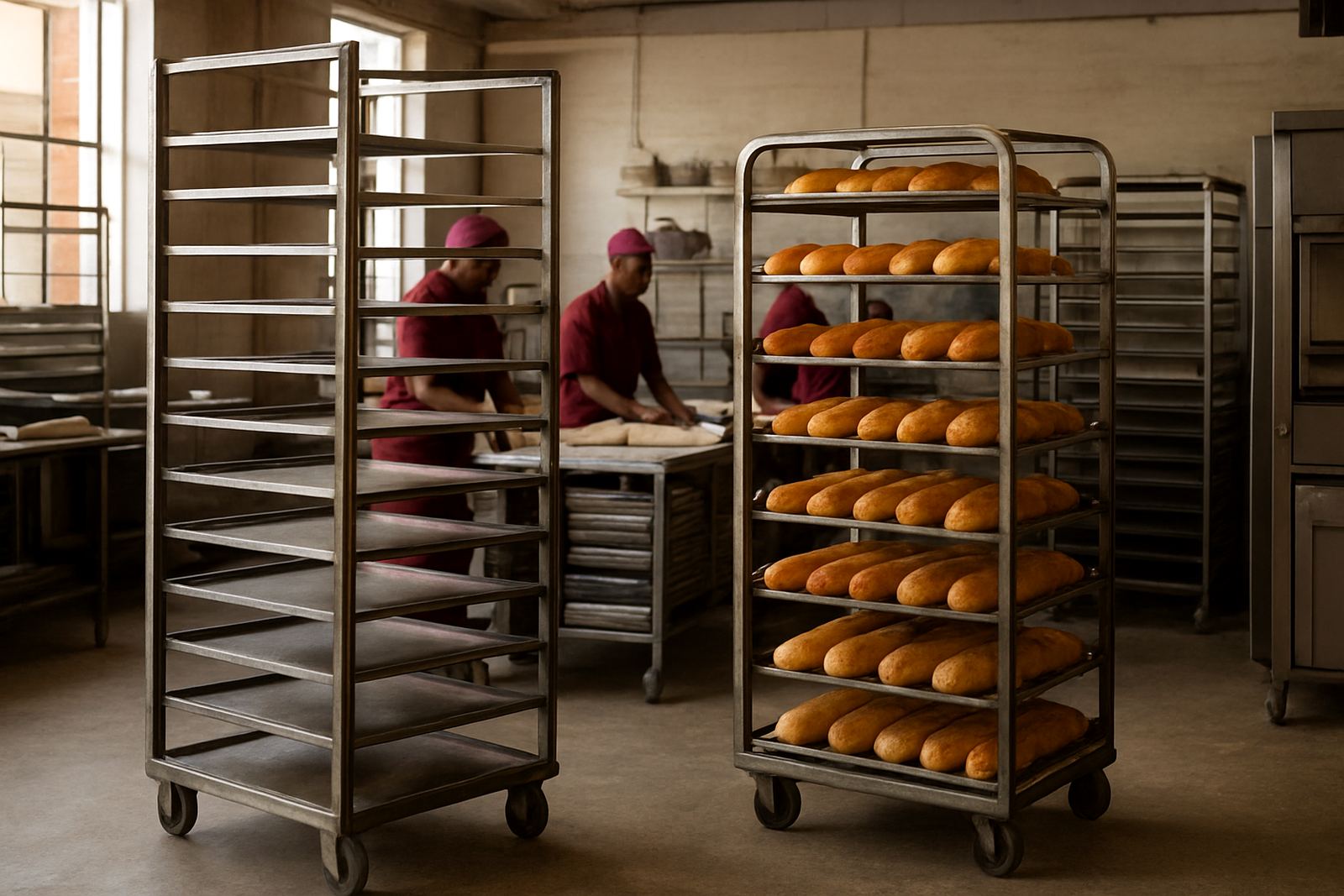
It also helps to involve production and dispatch together. A tray that works well on the floor but stacks badly in the dispatch area can create a bottleneck by 4 pm. Small details matter here, especially when orders have to leave before the evening traffic builds up.
- Does the pan or tray hold shape after repeated heating?
- Can it be cleaned and returned fast enough for shift two?
- Will the current sizes suit future batch reorders?
- Do you need divider inserts or perforated options for specific products?
Once those questions are answered, second shift buying becomes less of a rush and more of a sensible production decision.