A pan sets the loaf before the oven does
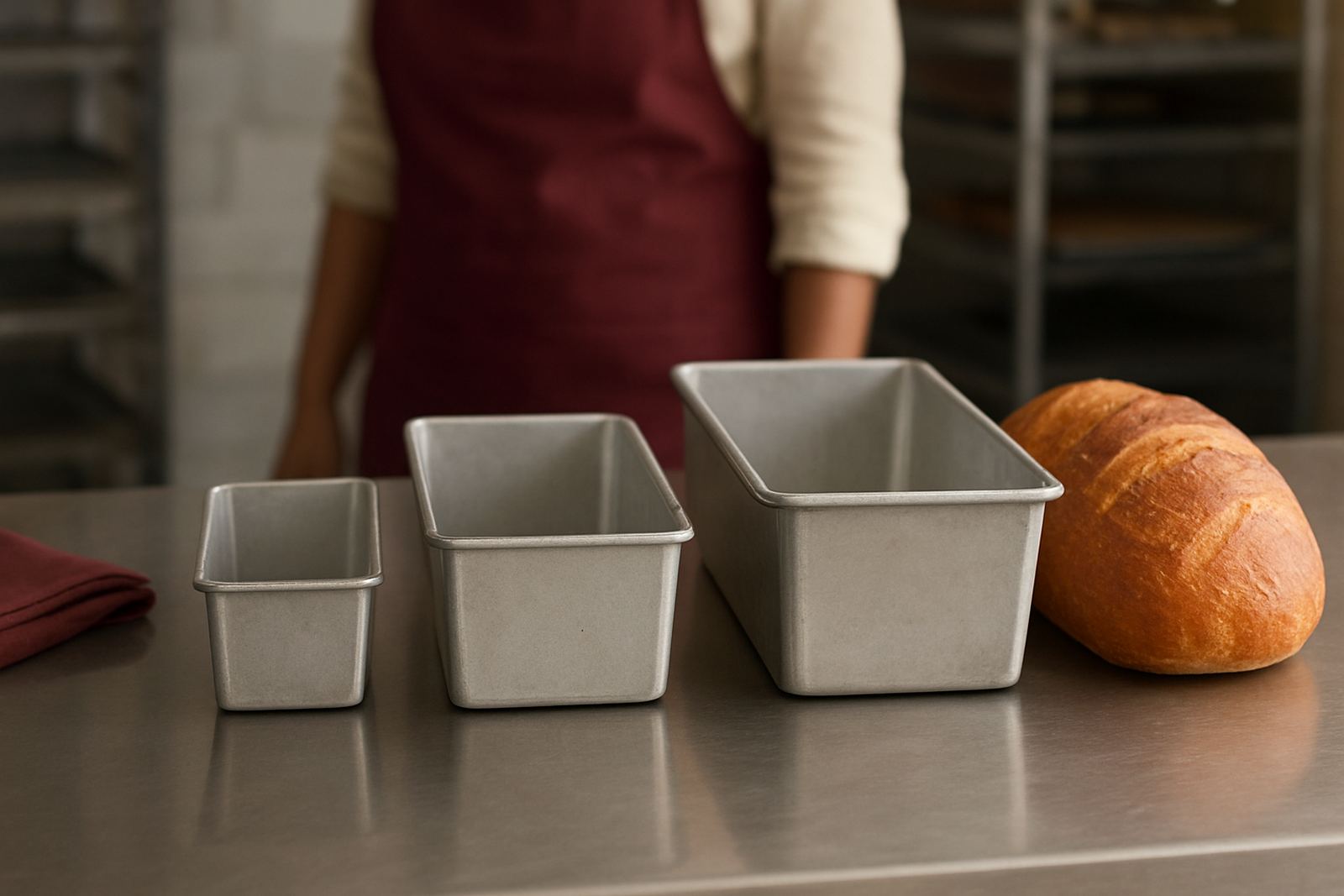
When dough goes into a pan, the pan decides the width, height and side support of the loaf. That shape affects how the dough rises, how heat reaches the centre and how the finished loaf sits on the shelf or in the slicer. If one pan is slightly wider or deeper than the rest, the result shows up in the bake almost every time.
In practice, standard sizing helps the bakery hold a consistent loaf weight and a consistent finished height. That matters whether you are baking for a corner shop in Alberton, a distributor in Germiston or a school canteen in Soweto. Customers notice when one batch slices neatly and the next batch leans, cracks or comes out with a soft top.
For many bakeries, the right pan size also saves time at dividing and moulding. Staff can work to the same portion size, the same fill level and the same proofing time. Less guesswork means less waste and fewer arguments at the end of the shift.
Standard sizes make slicing and packing more predictable
Slicing and packing are where pan size becomes money. A loaf that is too tall can compress in the slicer, while one that is too short may give poor slice count or awkward pack length. Even a small difference in pan width can change the way a loaf stands in a plastic bag or carton.
For a bakery supplying retail and food service, that consistency affects labour, packing speed and stock control. If the loaf length and crumb structure stay steady, the slicer can be set once and left alone for the shift with fewer adjustments. That helps on load-shedding days too, because every stop-start is another chance for the line to drift.
- More even slice thickness for sandwiches and toast loaves
- Better fit in standard bags, crates and display trays
- Less crushing during packing and delivery
- Cleaner counting for batch sales and daily orders
When a packer can rely on the same loaf size, the work moves faster and the product looks better on arrival. That is useful for bakeries sending bread across Gauteng where distribution routes can include potholes, heat and stop-start traffic.
Copying an existing pan helps when a line is already in use
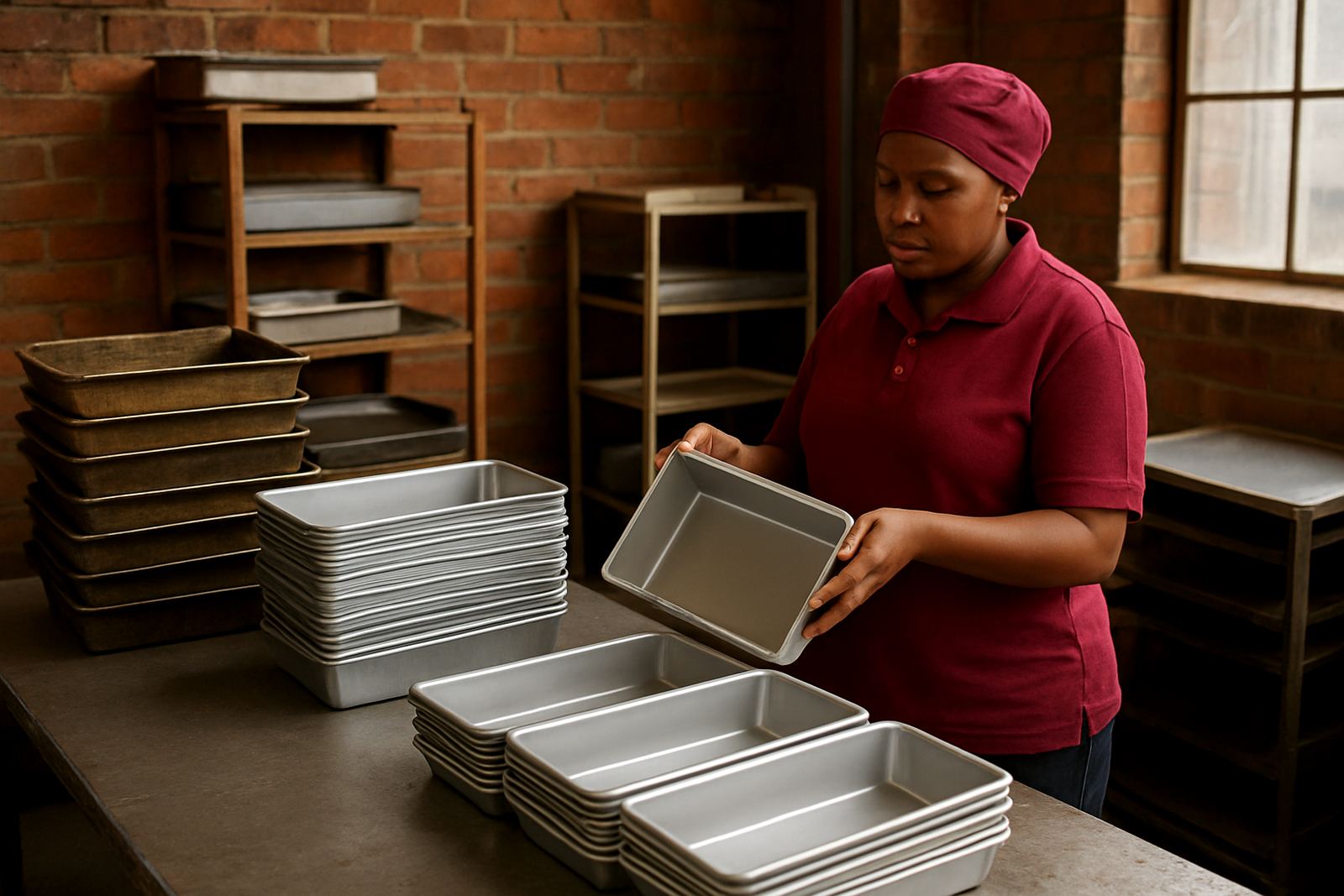
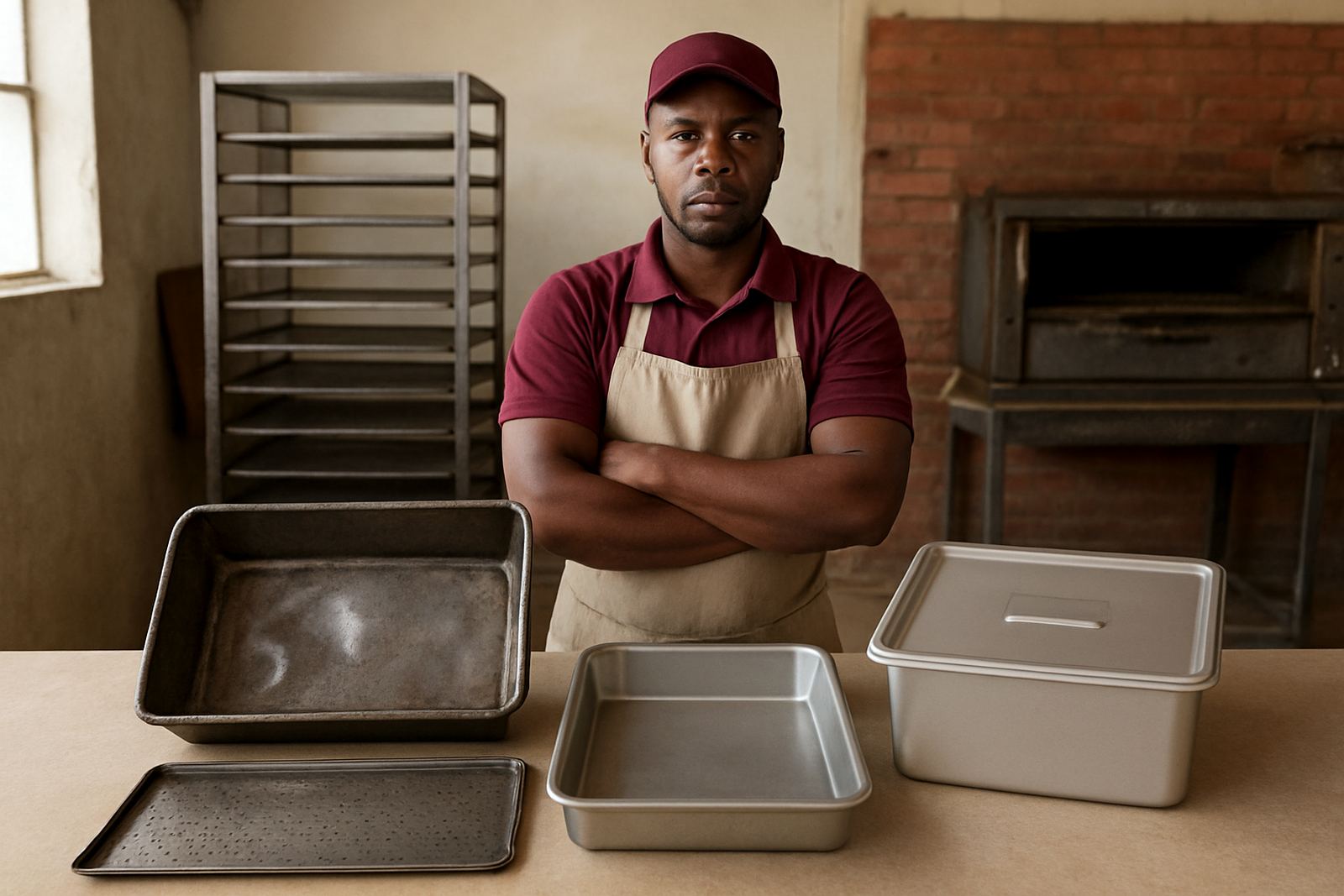
Many bakeries do not need a new concept, they need a pan that matches what is already working. Pan copying helps when an old set is worn, bent or no longer available. The aim is to keep the same bread outcome so the recipe does not have to change just because the tin changed.
That process is especially useful for batch reorders. If the bakery has a standard BO3, BO4 or BO5 pattern in use, matching the inside measurements, lip detail and side profile keeps the loaf familiar to the oven team and to customers. It also helps when the same product must be repeated across several sites.
- Check internal length, width and depth, not only the outside size
- Confirm lip style for handling and tray spacing
- Match gauge to suit the oven and the daily output
- Ask for a test fit before a full reorder
Small details matter. A pan that is only a few millimetres off can change how the loaf crowns, where it splits and how it releases after bake.
Proofing time and pan size go hand in hand
Standard sizing also helps the bakery manage proofing. Dough that is portioned correctly for a known pan size rises more evenly and reaches the correct height at the right time. If the pan is too large, the loaf may spread before it crowns. If it is too small, the dough can overfill and stick at the edges.
That balance matters in Johannesburg South where many bakeries run with limited space, mixed shifts and changing power supply. When the process is predictable, the team can plan around oven cycles and avoid rushed adjustments. It also reduces the risk of uneven tops, side collapse and poor oven spring.
In busy production, proofing is often one of the first places where sizing errors show up. Staff may think it is a recipe issue when in fact the pan dimensions are not quite right. A proper size check saves time because the bakery can fix the container before changing the formula.
A local example from Alrode shows the difference
A bakery in Alrode supplying sliced brown bread to retailers in Alberton and Boksburg had a recurring problem. Some loaves were packing tightly and others were too loose, even though the recipe had not changed. The issue turned out to be a mixed set of pans, with a few older tins sitting slightly higher and narrower than the rest.
Once the pans were measured and matched, the loaves came out more even, the slicer settings stayed in place and the packing line slowed down less often. The bakery also reported fewer damaged loaves after delivery because the pack count and loaf height were more predictable. It was not a dramatic change, just the kind that shows up in daily totals and wastage figures.
That is the point with pan size. It is not about fancy equipment, it is about making sure the bread behaves the same way every day. In a production environment, that consistency is what keeps customers coming back and keeps the dispatch team from chasing problems at 4 pm.
What to check before you order new pans
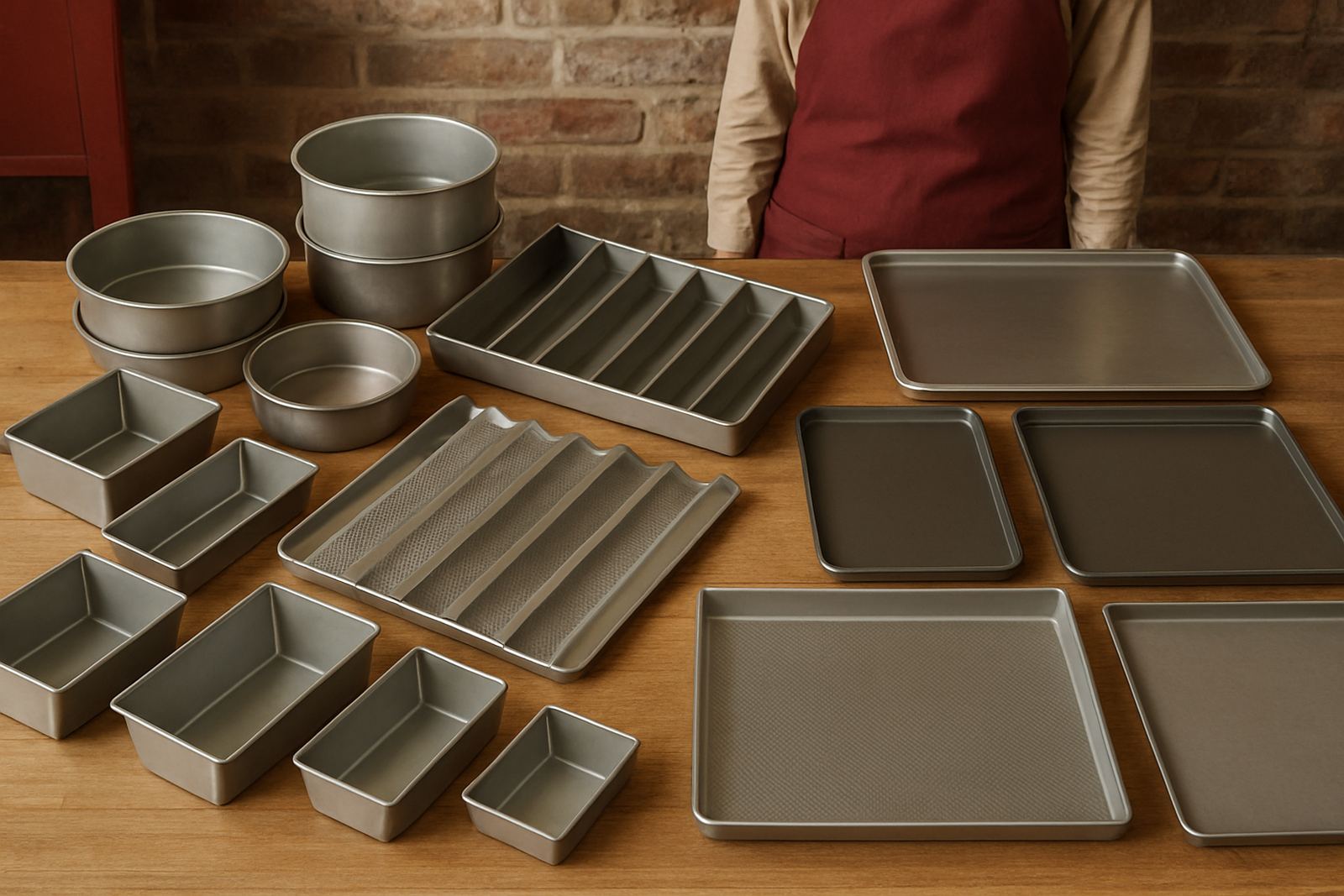
Before placing an order, measure the pans that already work well and note where they are used. A tray for baguettes, a bread pan for a sandwich loaf and a perforated tray for crisp crusts all behave differently. Matching the right format to the product can improve bake colour, airflow and release after cooling.
- Internal length, width and depth
- Steel thickness and finish
- Lid fit, if the loaf requires one
- Tray spacing for oven loading and cooling racks
- Whether the pans must suit manual handling or a production line
For bakeries in Gauteng, it helps to think beyond the oven. The pan must also suit handling in dispatch, storage at ambient temperature and regular cleaning. Coastal humidity is not the main issue inland, but moisture, oil residue and daily washing still affect wear and release. A better matched pan lasts longer and keeps its shape better under repeated use. That means fewer surprises, less rework and a steadier product on the shelf.
Why standard sizing supports better business control
Standard pan sizing gives the bakery control over output. It supports recipe control, pack count, labour planning and customer consistency. When a loaf is the same shape each day, it is easier to price, easier to slice and easier to deliver without damage.
For a factory in Midrand or a growing plant in Germiston, that control matters as volumes rise. The team needs parts that fit the process, not pans that force the process to change. With the right measurements in place, the bakery can run repeat orders with less adjustment and less waste.
In the end, pan size matters because bread is judged by what happens after the dough leaves the mixer. If the loaf looks right, slices right and packs right, the whole line works better. That is a practical advantage every day, not just on paper.