Start with the loaf you actually bake, not the size you wish you had
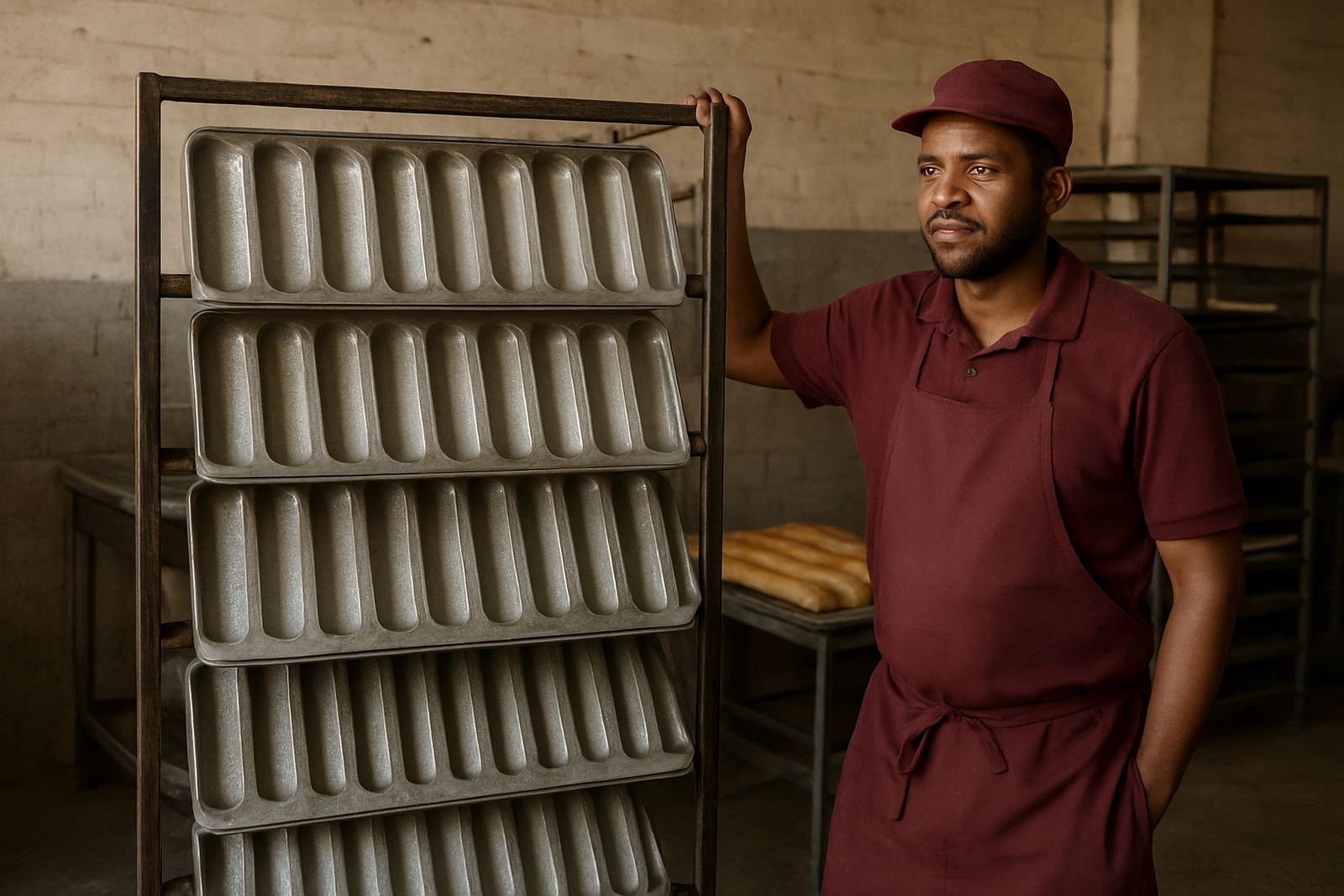
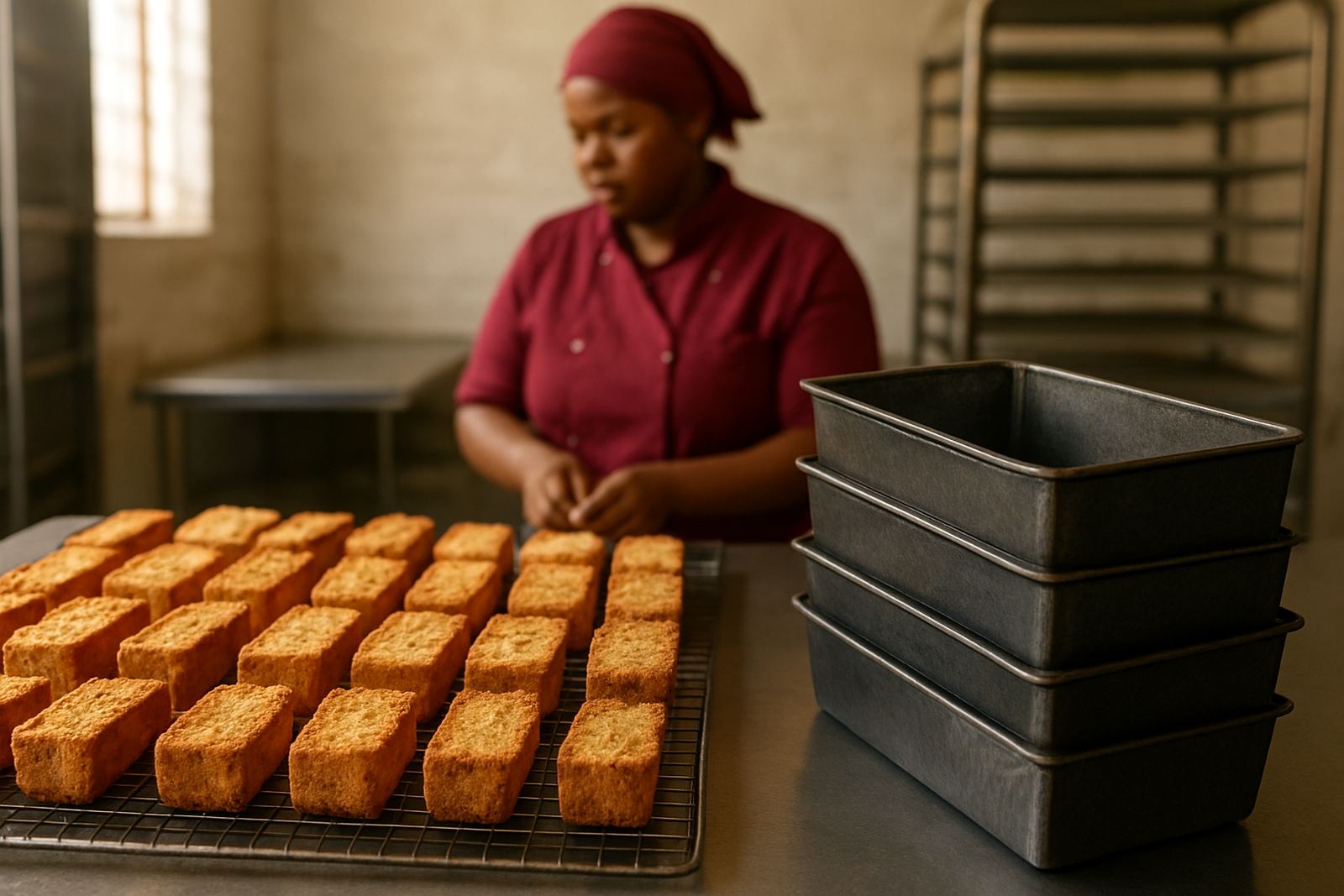
Rusk production begins with the loaf shape. A pan for a soft sandwich loaf will not always suit a heavier dough that is meant to be baked, cooled, sliced and dried. If the loaf spreads too wide, the slices can end up uneven and the drying stage becomes difficult. If the pan is too deep, the middle can stay damp while the edges colour too quickly.
For bakeries in Alrode, Germiston and Boksburg, the best starting point is the finished slice size. Measure the loaf after baking and cooling, then work backwards to the pan size. That way you can keep portion weight consistent, which matters when you are supplying shops, schools or resellers that expect the same count from each batch.
A rusk pan should also match your mixer output. If a batch fills five pans and leaves one half full, your oven load becomes uneven and so does the final bake. It is better to match the pan to the batch than force the batch to suit the pan.
Material choice affects colour, release and long-term cost
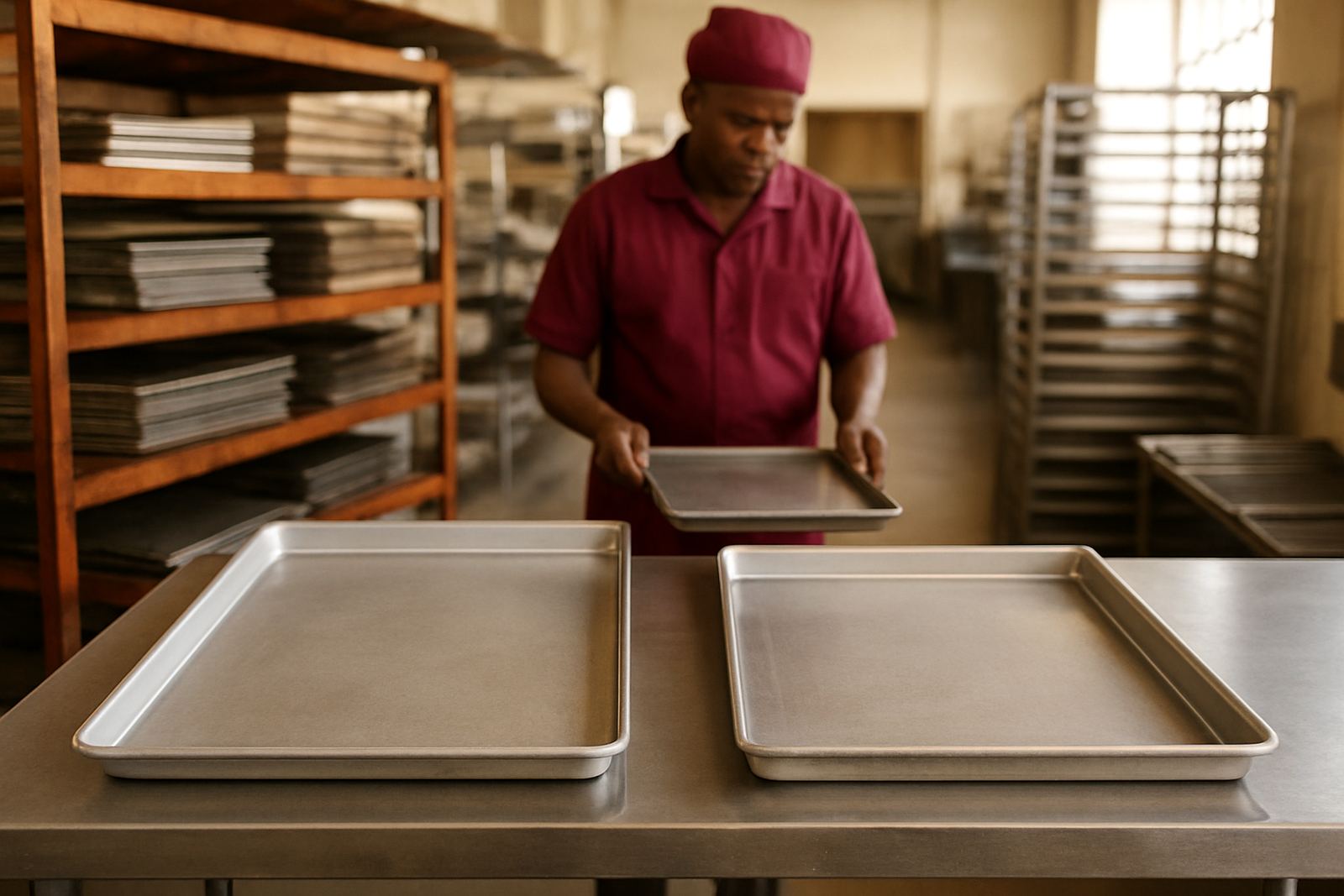
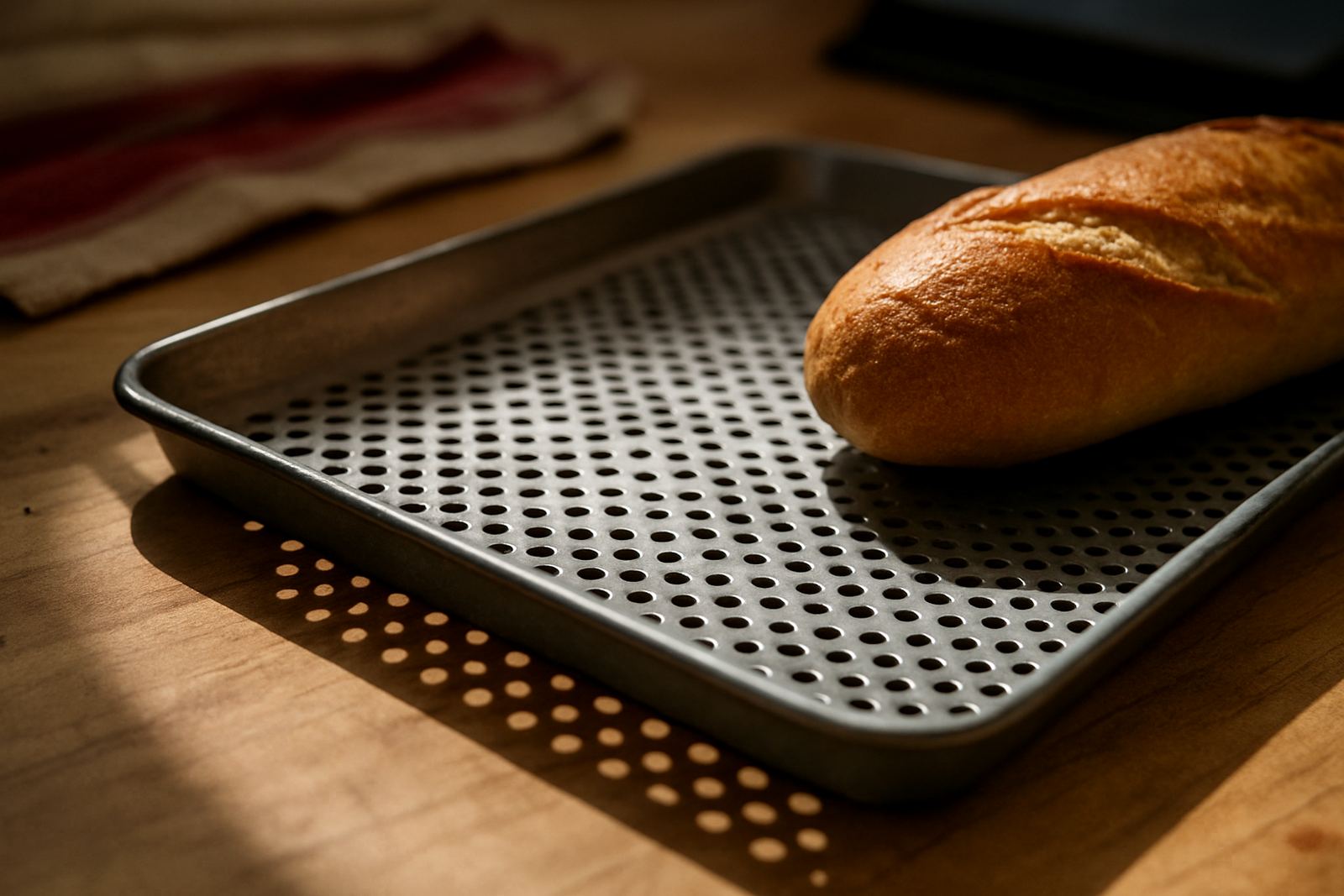
Most bakeries want a pan that heats evenly, survives repeated use and is easy to clean. Mild steel remains a practical choice for many rusk applications because it gives good heat transfer and can be formed into different sizes and depths. In a busy plant, that means the loaf sets properly before the crust hardens too fast.
Finish matters too. A smooth internal surface helps with release, but the pan still needs enough strength to hold its shape under load. Thin trays can twist after regular oven cycles, especially if they are packed hot, washed too aggressively or stored in a damp room. Near the coast, humidity can also mark the surface if pans are left wet after washing.
- Choose thickness that suits repeated use, not only the first order.
- Check whether the pan will sit in a fixed rack or travel between ovens and cooling areas.
- Ask for a finish that can be cleaned without trapping flour build-up in corners.
Depth, width and side support change the way the loaf rises
Rusk dough is often dense, and dense dough needs side support. A pan that is too wide can let the loaf spread and form a flatter top, which sounds fine until you try to slice it evenly. A pan that is too narrow can cause a raised centre and dark edges. The best result usually comes from a pan that supports the loaf from the sides while still allowing a controlled rise.
Depth also affects handling. Deeper pans can be useful where the bake needs more body, but they can slow heat movement into the centre. If the recipe contains fruit, bran or oats, the pan needs to help the bake set through without burning the top. That is where a sample run helps. One test batch can save a lot of waste later.
For factories in Midrand or Soweto that run different products in the same oven, this is especially important. A pan that works for one recipe may not suit another, so keep notes on rise, browning and slice count for each product. It sounds simple, but it helps when production gets busy and the oven schedule is tight.
Think about slicing before the bread even goes into the oven
Many rusk problems show up after baking, but they start earlier. If the loaf is not shaped for slicing, the blade will catch, tear or leave thick end pieces that dry at a different rate. Straight sides and a consistent crown make life easier for the slicing team. The pan can help create that shape from the start.
If you are producing in batches for retail or hospitality, ask yourself how the loaf will be handled once it leaves the oven. Will it cool in the pan, then be turned out onto racks, then sliced by hand or machine? Each step affects the pan design. Handles, lip height and rim strength all matter more than people expect.
- Straight, even sides make for cleaner slices.
- A stable rim helps when lifting hot pans from the oven.
- Consistent loaf height keeps drying times more predictable.
Prototype runs help before you place a full order
A factory in Alberton may have a recipe that works perfectly in one oven but not in another. That is why prototype runs are worth the time. A sample pan lets you check loaf weight, rise, crust colour and release before you commit to a full batch of pans. It also gives your team a chance to check if the pan suits their current tray trolleys and cooling racks.
When we work with bakeries, we often start with size matching or pan copying from an existing unit. Sometimes a small change in depth or lip design makes the difference between a loaf that slices neatly and one that breaks at the edges. In bread and rusk work, a few millimetres can matter.
Keep your test notes practical: oven temperature, bake time, cooling time, slice thickness and drying time. If the loaf is still soft in the middle after cooling, the pan may be holding too much mass or not spreading heat evenly.
Cleaning, storage and reordering are part of the pan decision too
Rusk pans are used hard. They get flour dust, sugar residue and heat every day, then they are stacked and moved again. If the pans are not easy to clean, the build-up can affect release and hygiene. If they are awkward to stack, they take up space in a yard or storeroom and get damaged. That is why practical details matter just as much as the bake itself.
Batch reorders should be tracked against actual wear. A good pan will last, but if a bakery in Germiston or Alrode is baking daily, the stock still needs checking for warping, denting and worn corners. Keep one spare pan from each run if possible. It helps when production is full and a unit goes out of shape.
Also consider how the pans will be stored during load-shedding. If the bakery runs on a generator or switches oven shifts, equipment may spend more time moving around the floor. Stronger handles, tidy stacking and clear labels all reduce confusion when the pressure is on.