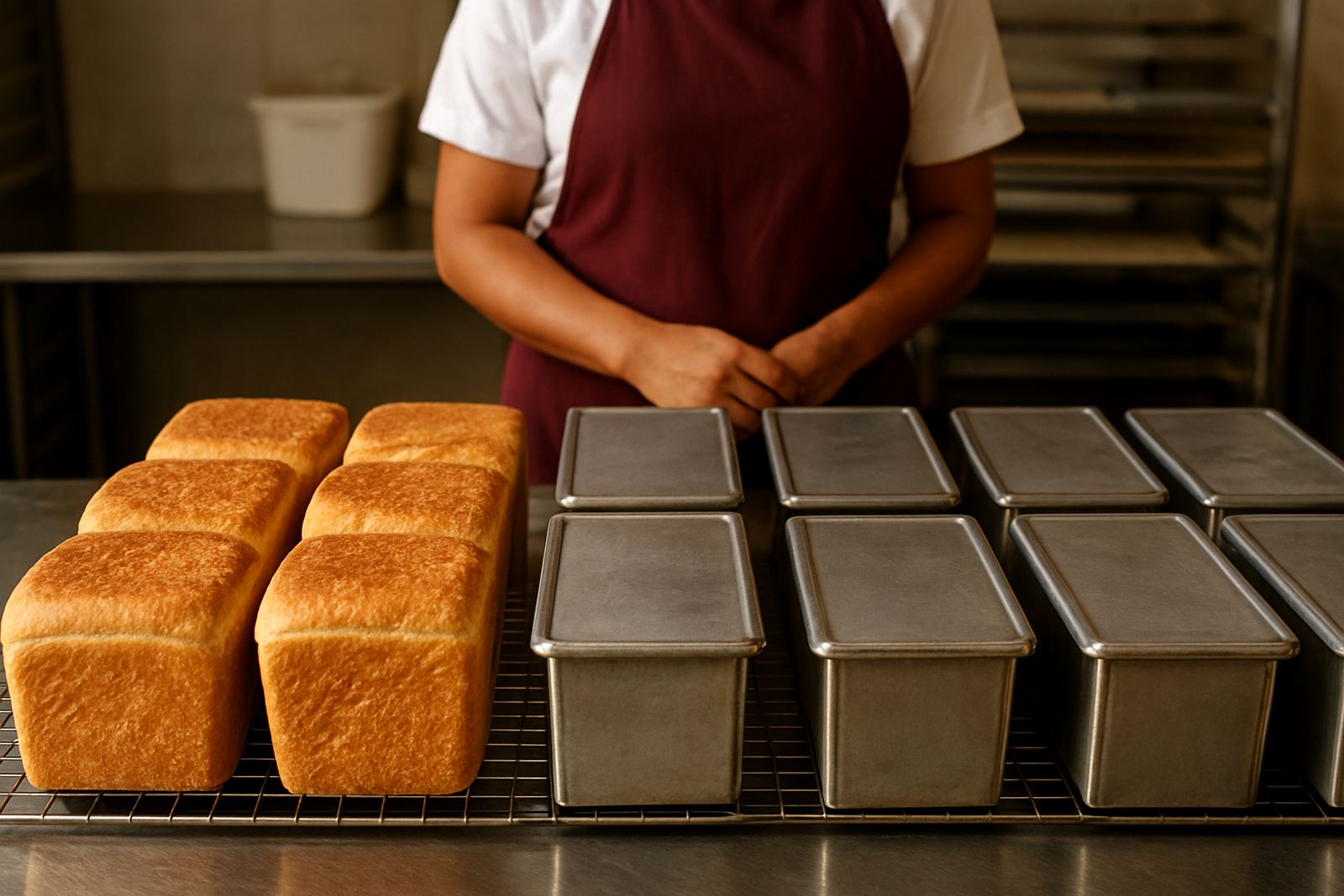
Start with the portion count, not the decoration
Before you choose between round and square tins, decide how many slices you need from one cake. A tin that looks neat in the pan may still give the wrong yield for a birthday, wedding or counter display. In practice, the size should match the service style first, then the look can be adjusted with icing, toppers or layering.
For a retail bakery in Alberton or Germiston, portion planning matters because repeat orders are often based on past sales. If your standard celebration cake must serve 12, 20 or 30 people, work backwards from that goal instead of guessing the pan size. That keeps stock control easier and cuts waste, especially when butter, flour and eggs are moving in price.
- Small round tins suit 8 to 10 portions when cut neatly.
- Medium square tins often give more slices than a round tin of the same top area.
- Deep tins are useful when you need filling layers or a taller finish for display.
Round tins and square tins behave differently
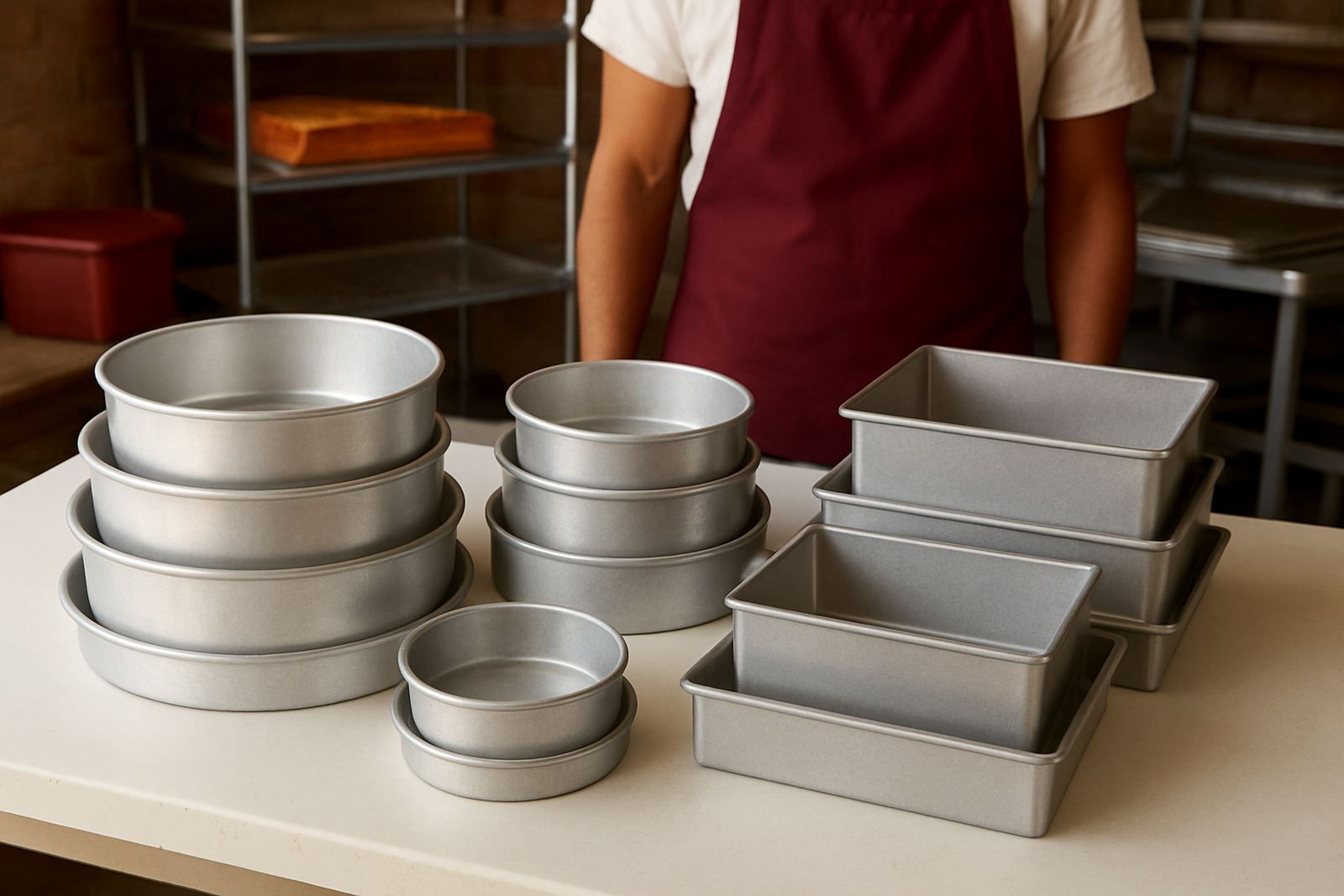
Round tins are common for birthday cakes and layered celebration cakes. They give a softer presentation and are easier to centre with drip icing, floral work or a single topper. Square tins are practical when you want clean portion lines and a modern look. A square cake can often be cut into equal pieces with less waste, which helps at catered events where servings must stretch evenly.
The shape also changes how the cake bakes. Corners in square tins can dry out faster than the middle if the oven runs hot, so lining and correct oven spacing matter. In a busy bakery, that means checking the heat after load shedding too, because generators and restored power can cause slight temperature swings. A good baker notices those small changes before they become burnt edges or a sunk centre.
- Round tins are friendlier for layered finishing and tiered cakes.
- Square tins are efficient for cutting neat slices and tray-style presentation.
- Shallow tins bake faster, but deep tins hold more filling and height.
How to match tin size to bake time and batter depth
The same batter in two different tins will not behave the same. A wider, shallower tin spreads heat faster, while a smaller and deeper tin needs longer in the oven. If you use the same recipe across multiple sites in Johannesburg South, Midrand or Boksburg, it helps to record the tin size beside the recipe so staff can repeat the result. That kind of note saves time when orders come in quickly on a Friday.
Do not fill a tin right to the top unless the recipe is designed for that depth. Most cake batters need room to rise without spilling over. As a rule, many bakers work with around two thirds to three quarters full, then adjust after testing. A slightly overfilled tin can give a domed top that looks good but causes trouble once you trim it flat. If the oven is busy and the batter is soft, the centre may still need a few extra minutes, so always test with a skewer and feel for springback.
When you are scaling recipes, keep the diameter and depth in the same note. One size can give a neat single layer, while another may require split layers for the same finish.
Display needs matter as much as yield
For shop counters, the size of the tin affects how the cake looks once boxed or placed under a cover. A tall round cake can look premium, while a wider square cake can feel generous and practical. If your customers in Soweto or Germiston prefer cakes for family gatherings, a square or rectangular style may be easier to serve at home. For weddings or formal functions, round tins often suit stacked presentation better.
Think about transport too. A cake baked in the right tin is easier to board, box and move without sliding. That matters on Gauteng roads where stops and turns can shift a poorly supported cake. If you are supplying a catering hall or church function, ask how the cake will be carried from the kitchen to the table, and choose a tin size that matches the handling plan.
- For front-of-shop display, choose a size that looks balanced on the stand.
- For catering, pick a size that cuts cleanly into equal portions.
- For transport, consider the box size and board size before the tin size.
A practical local example from Johannesburg South
A bakery in Alrode taking weekly orders for school events may need one tin size for 20 child portions and another for staff catering. The children’s cake might need a lower, easier-to-cut square tin, while the staff order may need a taller round cake for a more formal finish. That same bakery may also need a tin that stacks well on the cooling rack and fits into the dispatch area without taking over the bench.
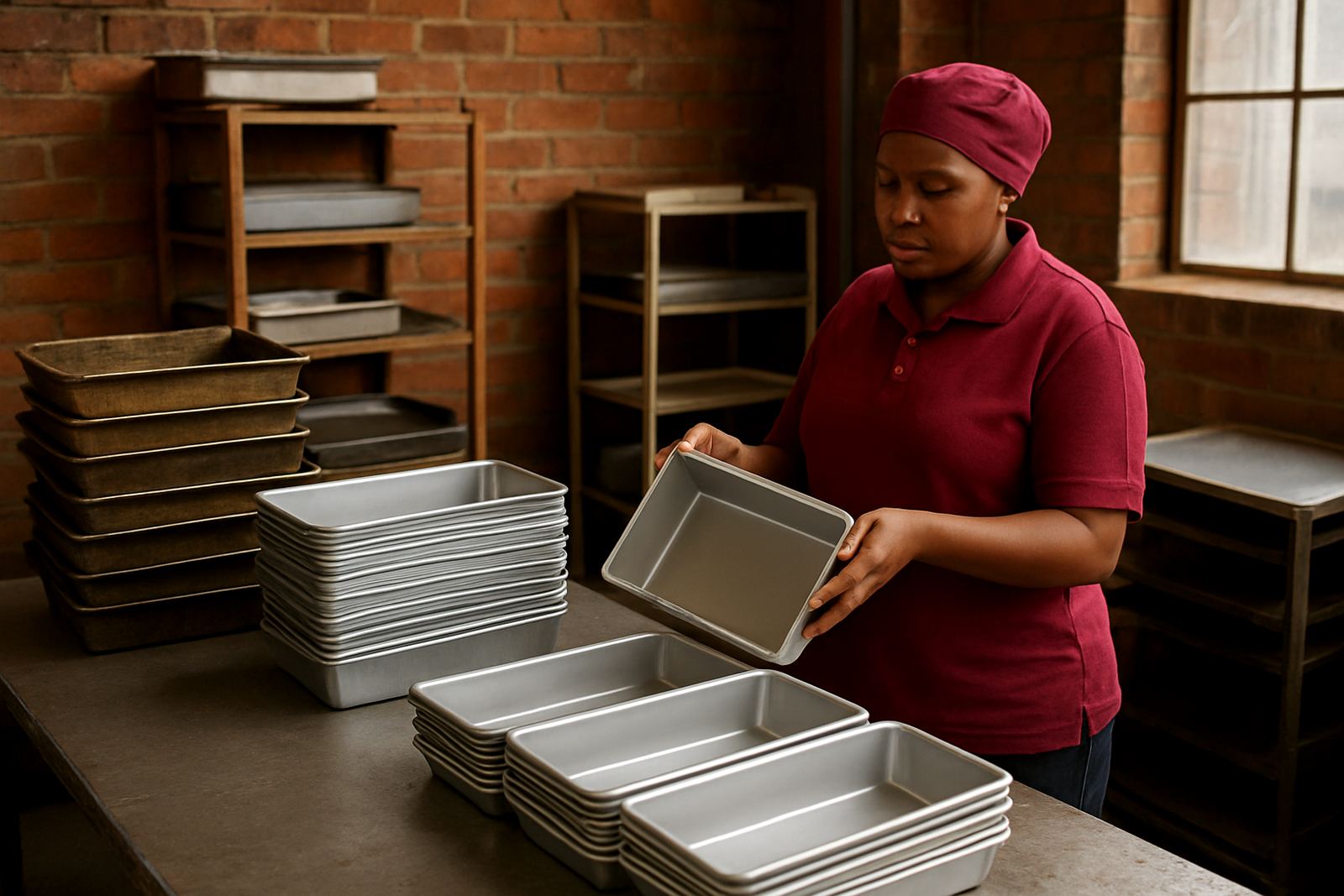
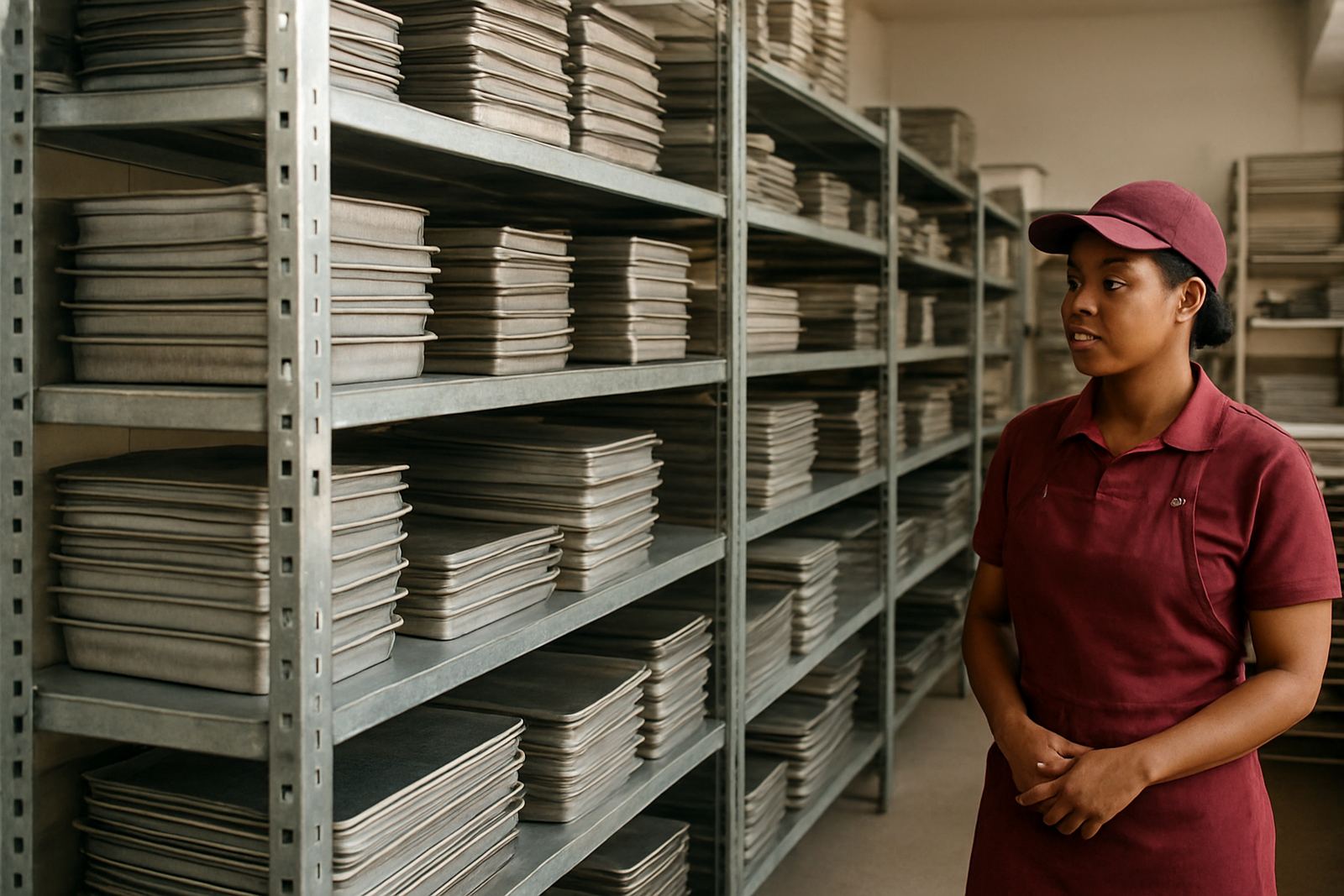
In a busy production room, Tin choice also affects cleaning and storage. Mild steel tins need proper drying after washing, especially in coastal humidity sent inland on certain seasons and in older factory kitchens with poor ventilation. If a tin is too large for the wash sink, it slows the whole shift. If it is too small for the order, the team has to split batter and reset the process, which costs labour and time.
We often see customers asking for a size that matches an old tin they already use. In that case, measuring the inside dimensions and the depth is the safest starting point. A copy of the existing tin can keep the recipe consistent and avoid trial bakes.
What to measure before you place an order
When you need cake tins made or matched, measure carefully and write the figures down before phoning or emailing. The inside size is what counts for baking, not the outside lip. If the tin has a tapered side, note that too, because the base and top can differ slightly. That detail matters when you are using cake boards, cutters or stacking layers.
- Inside diameter for round tins.
- Inside length and width for square tins.
- Depth from base to top rim.
- Whether the sides are straight or tapered.
- Any lid, insert or fitting requirement for storage or stacking.
For bakeries that reorder in batches, keeping the same sizing record helps the production foreman and the dispatch team work faster. It also helps when you need a replacement after one tin is bent in transport or damaged during a rush shift.
Keep the size system simple for the whole team
The best tin sizing system is the one your staff can use without confusion. Write the size on the recipe card, the order sheet and the storage shelf if needed. A clean system means sales, production and dispatch all speak the same language. That is especially useful when orders move between Alrode, Boksburg and Midrand in one week, or when a prototype run must be tested before the full batch is made.
Once the bakery settles on a few standard sizes, it becomes easier to plan stock, track portions and quote customers correctly. You spend less time guessing and more time baking to the right yield. For most operations, that is the real value of careful cake tin sizing.