Why the second order is usually quicker than the first
The first order often carries the most back-and-forth. You may be confirming internal dimensions, checking flange heights, matching lids to pans and making sure the tray count suits your oven layout. Once those details are set, repeat ordering becomes much simpler, because the factory is not starting from scratch every time.
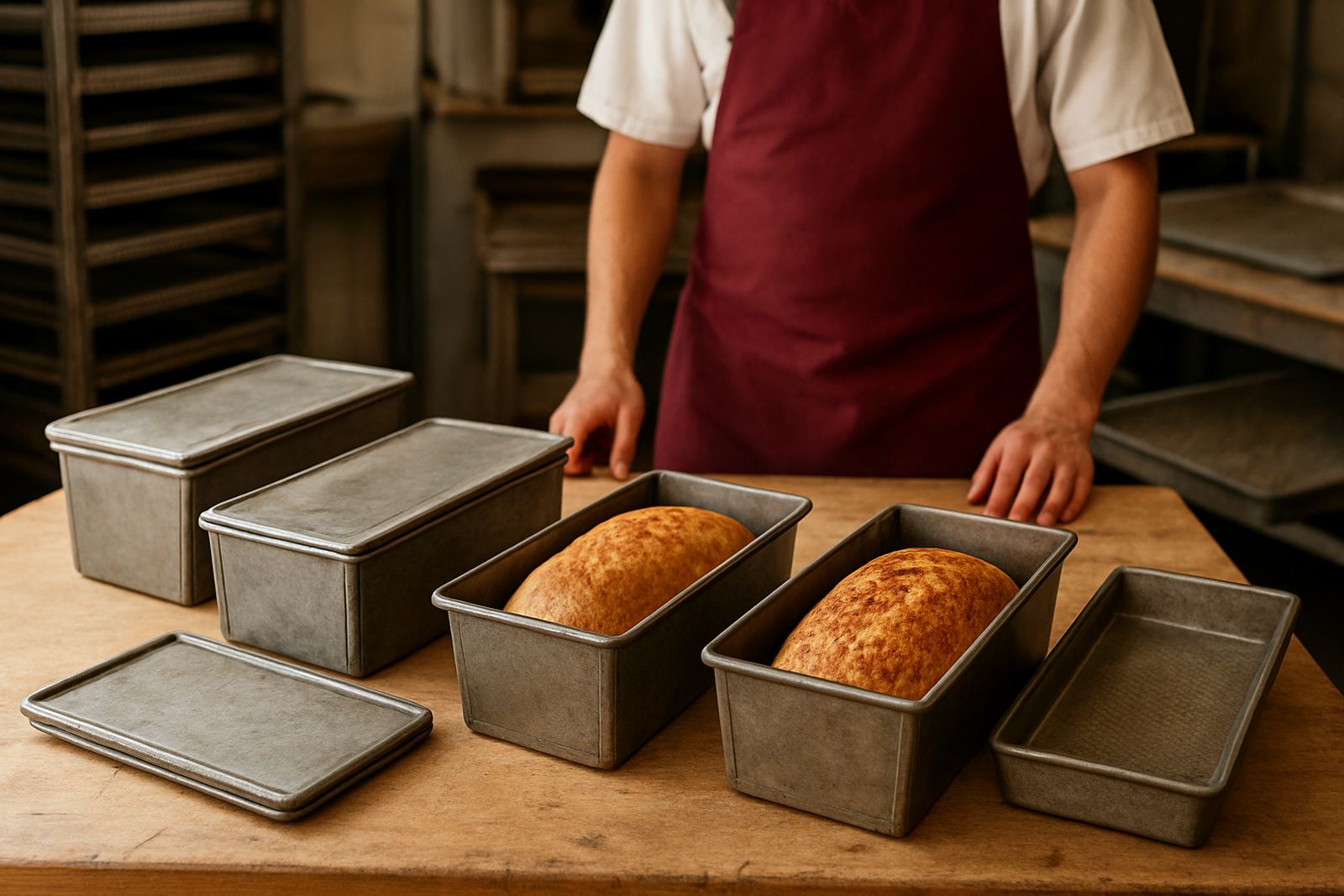
For bakeries in Alrode, Germiston or Boksburg, that time saving matters during peak production weeks. If a fresh batch of BO3, BO4 or BO5 pans is needed before a promotion or a supermarket delivery run, the repeat file helps keep the job moving. It also reduces the chance of a small change slipping in unnoticed, like a lid that fits a little too tight or a tray that does not sit properly on the rack.
Repeat specs also help when load-shedding or sudden demand puts pressure on production schedules. A clear record means less measuring, fewer approvals and fewer follow up calls. That can be the difference between dispatch on time and a late collection.
What repeated specifications protect you from
In bakeware work, small differences can create real problems. A pan that is 3 mm off in width may still look acceptable on paper, but it can affect spacing in the oven, cooling times and how easily loaves release. Repeated specifications protect against that drift.
They also help when you are ordering for more than one branch. A bakery with production in Johannesburg South and distribution into Midrand or Soweto needs trays and pans that behave the same way in each site. If the moulding, perforation pattern or divider insert changes from one order to the next, staff spend more time adjusting and less time baking.
- Correct fit for lids, racks and oven rails
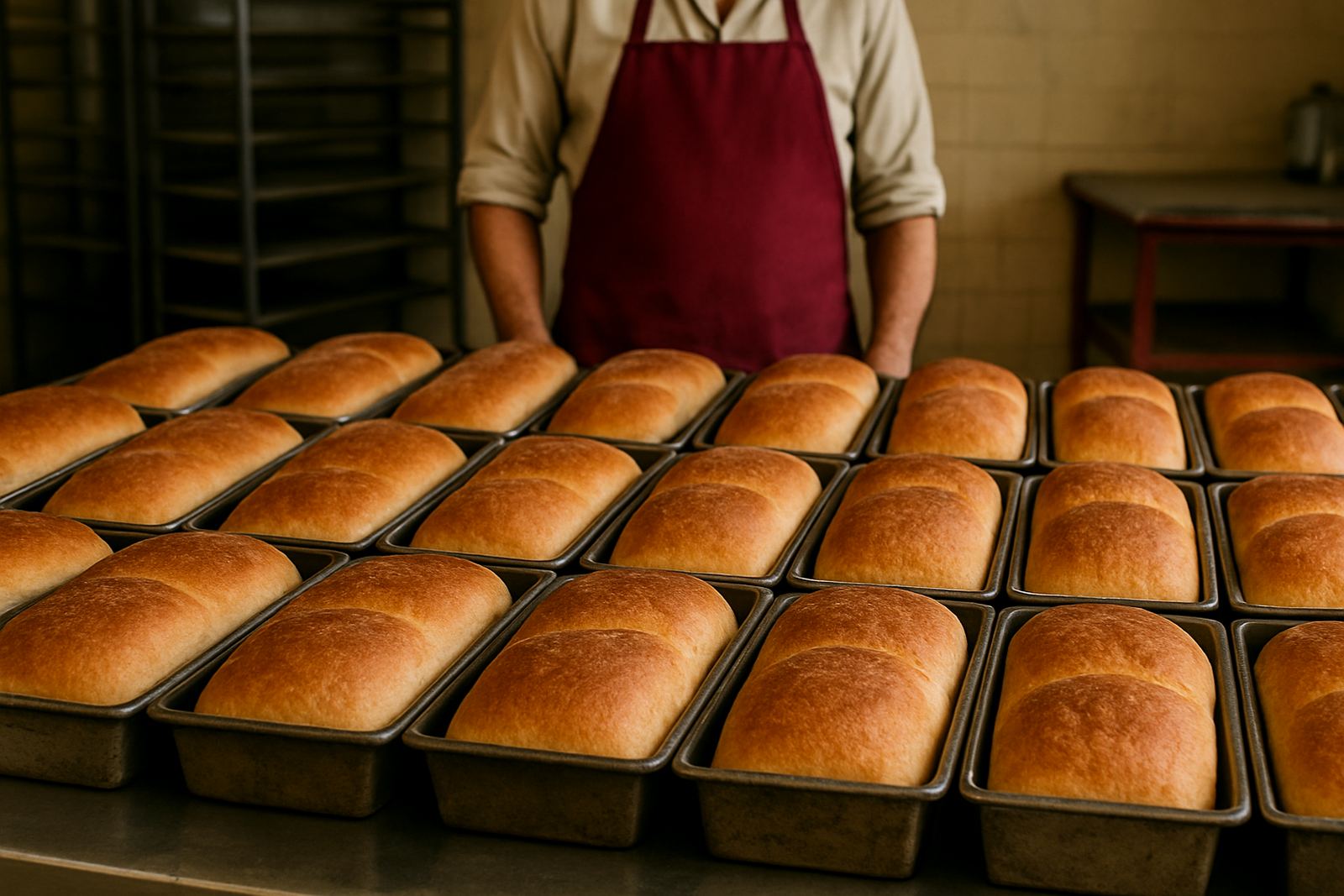
- Consistent bake results across batches
- Less waste from trial-and-error adjustments
- Faster sign-off for reorder quantities
- Better planning for spares and replacement stock
How repeat orders reduce production uncertainty
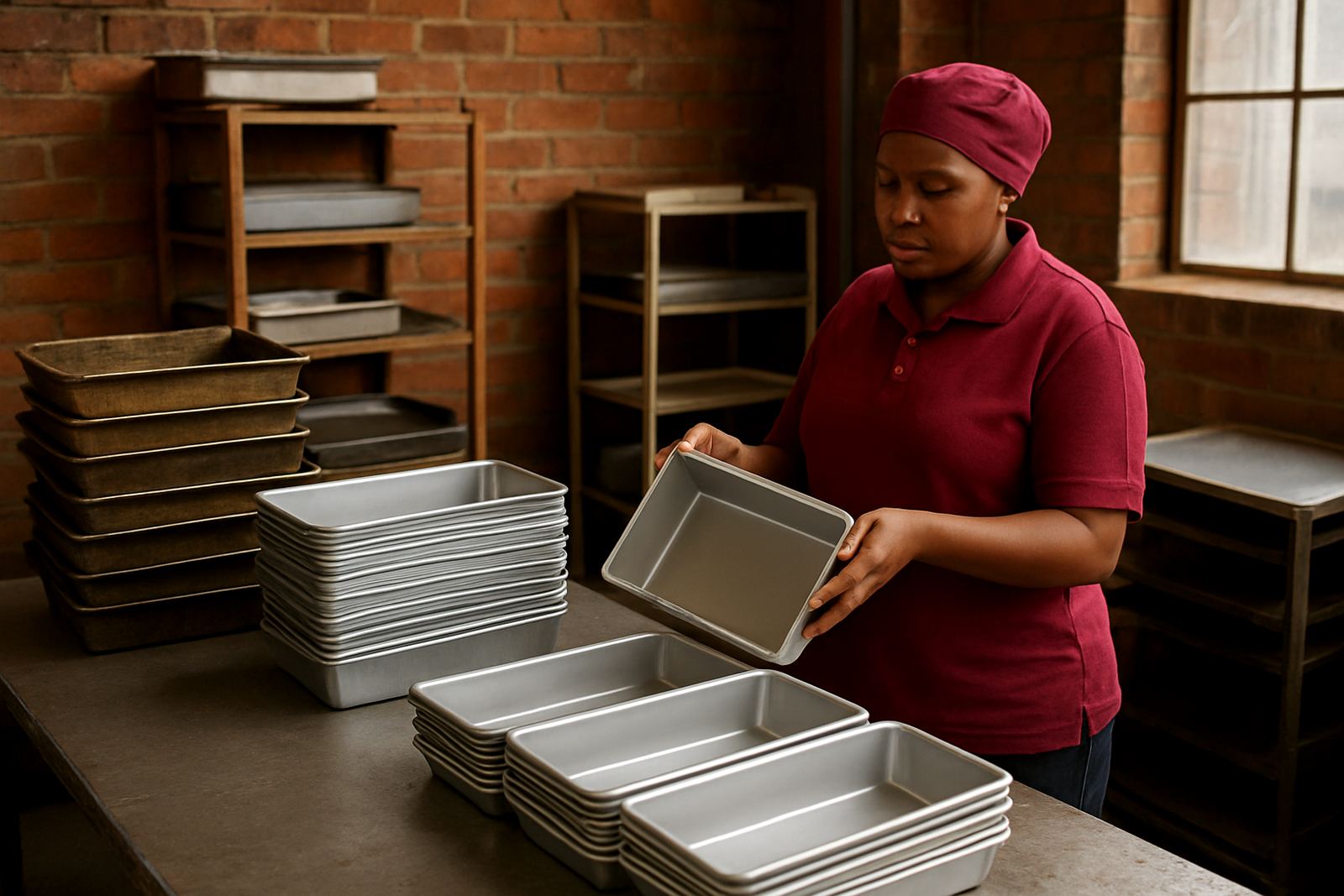
Manufacturing is easier when the job card is already familiar. If a customer has ordered the same perforated trays, baguette trays or bread pans before, the workshop can work from known measurements and construction notes. That lowers the risk of material waste and keeps production planning steadier.
From the customer side, repeat orders also make budgeting simpler. Instead of rechecking the full spec every time, the team can focus on quantity, delivery timing and any small adjustments. That is useful for bakeries that order in batches, especially when they are balancing stock against holiday demand or municipal delivery cut offs.
A repeat customer in Alberton might only need more of the same tray set every few months, while a plant in Germiston may ask for a batch reorder after expansion. In both cases, the value is in certainty. The supplier knows the build history and the customer knows what will arrive.
The file notes that save time later
Good repeat ordering depends on accurate notes. A reliable record should capture the things that usually get forgotten after a few months, like material thickness, perforation layout, handle position and whether a lid needs a tighter or looser fit. If the product has been copied from an existing pan, that copy reference should stay with the account as well.
It helps to keep one person responsible for sign-off too. When several staff members are involved, details can drift between purchasing, production and dispatch. A single contact reduces confusion and keeps the order trail clean.
- Exact measurements in millimetres
- Gauge or material thickness
- Quantity per batch and preferred reorder size
- Delivery point and collection preference
- Any changes made after the first run
A local example from a busy Gauteng bakehouse
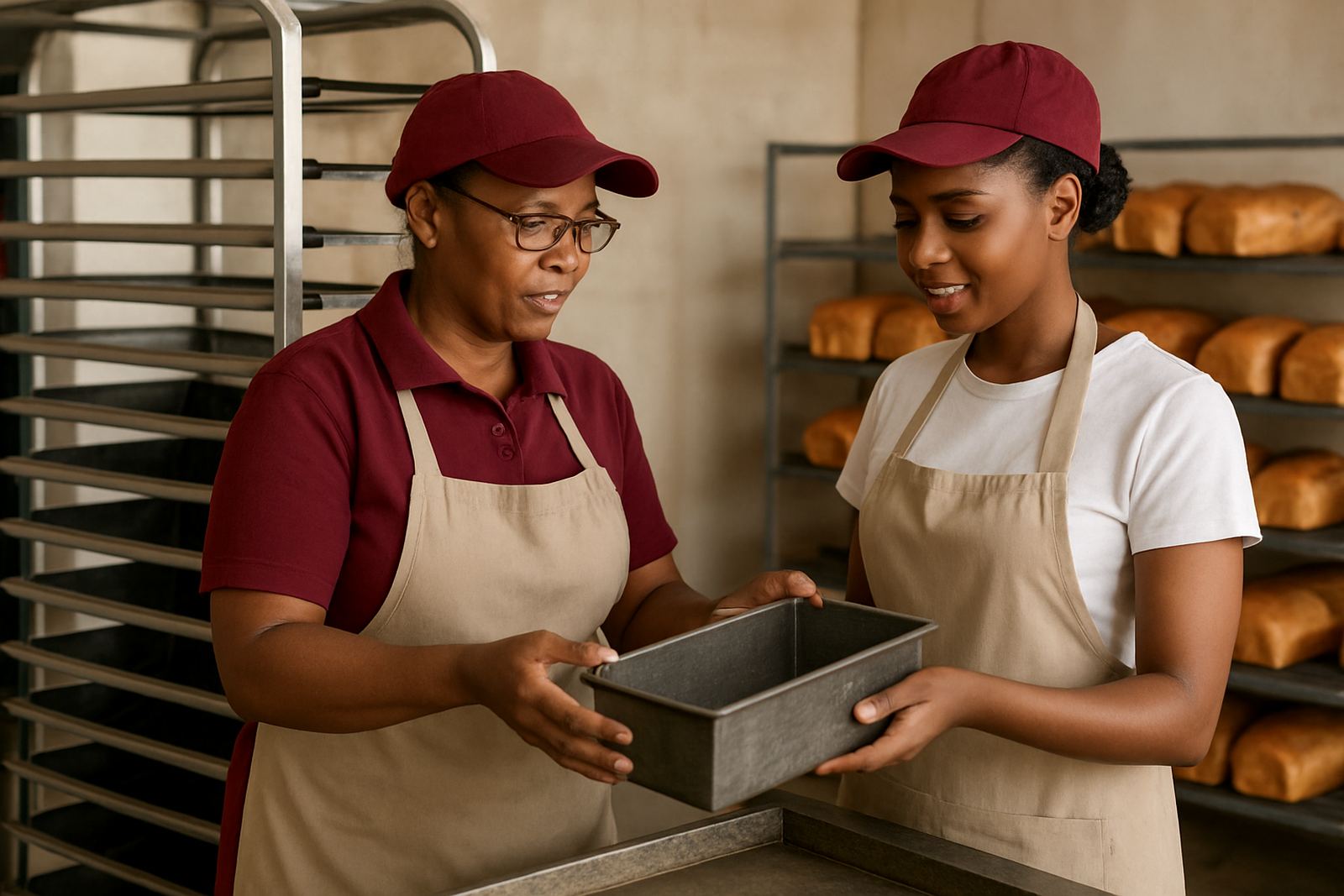
A bakery in Alrode that supplies retailers across Johannesburg South once started with a trial run of bread pans and matching lids. The first order took time, because the team wanted to compare fit, release and stacking height before committing to a larger run. After that, every reorder was simpler. The dimensions were on file, the lid fitting had already been approved and the production team knew the exact count needed for their ovens.
When business picked up and the customer added more tray capacity, the repeat file made the expansion easier to manage. There was no need to start a new measurement round from zero. That saved time for both sides and kept the bakery focused on baking rather than checking paperwork.
This is often how growth happens in real operations, one accurate order at a time. A good repeat system supports that growth without creating extra admin.
How to place a cleaner reorder next time
If you want the next order to move faster, send the original spec with any notes about what worked well and what did not. If the trays or pans were used in humid conditions near the coast, or in a hot kitchen with regular wash cycles, mention any wear points too. That helps the workshop plan the build and choose the right finish.
For customers in Boksburg, Soweto, Midrand and nearby areas, it also helps to group orders by production need. For example, split bread pans, baguette trays and perforated trays into separate lines if the quantities differ. It makes checking the order easier and keeps dispatch cleaner.
Repeat customers usually get the best results when they treat every reorder as a short update, not a brand-new enquiry. Keep the measurements steady, note the changes and confirm the delivery timing early. The rest tends to follow naturally.