Check every pan and tray before it reaches the oven
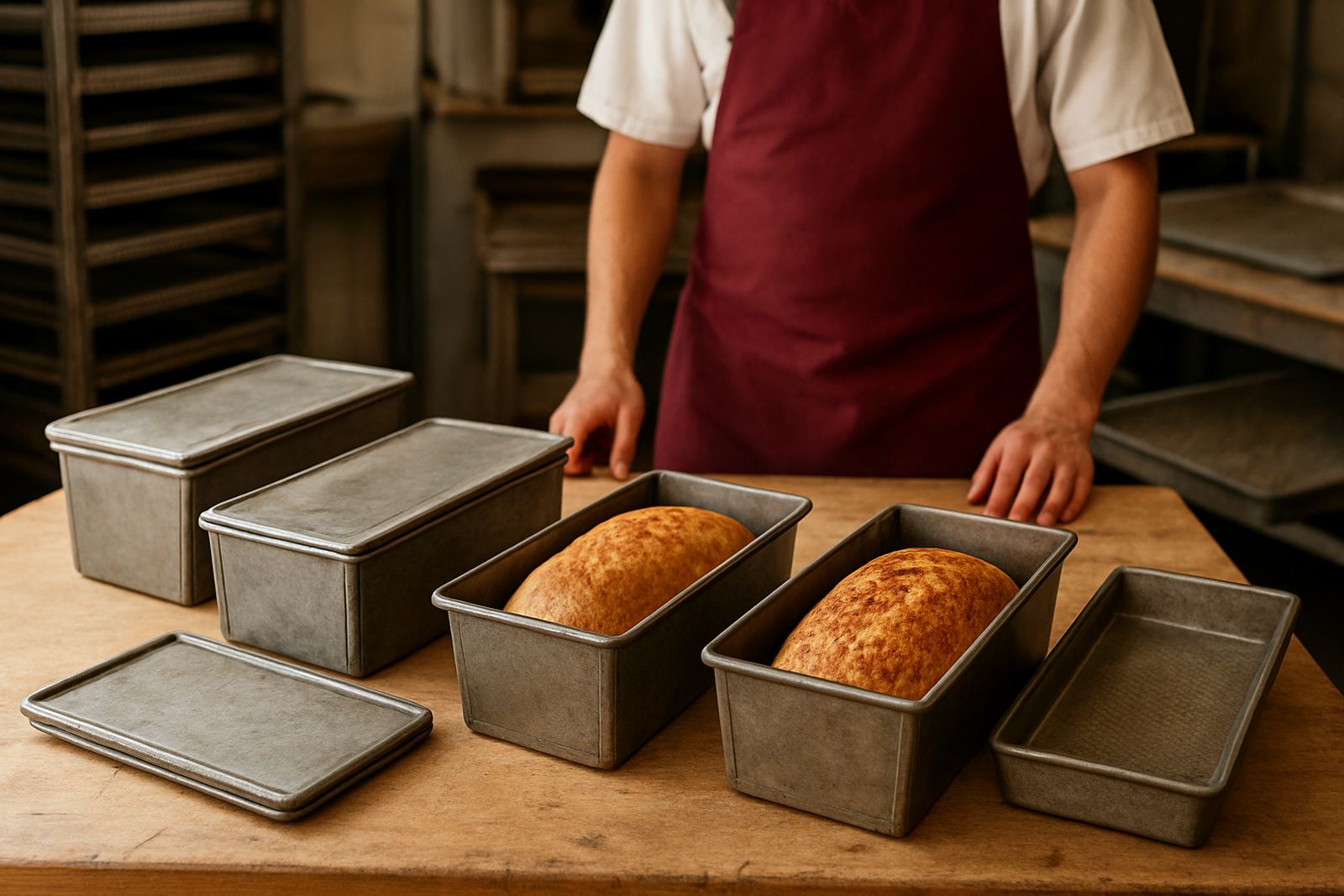
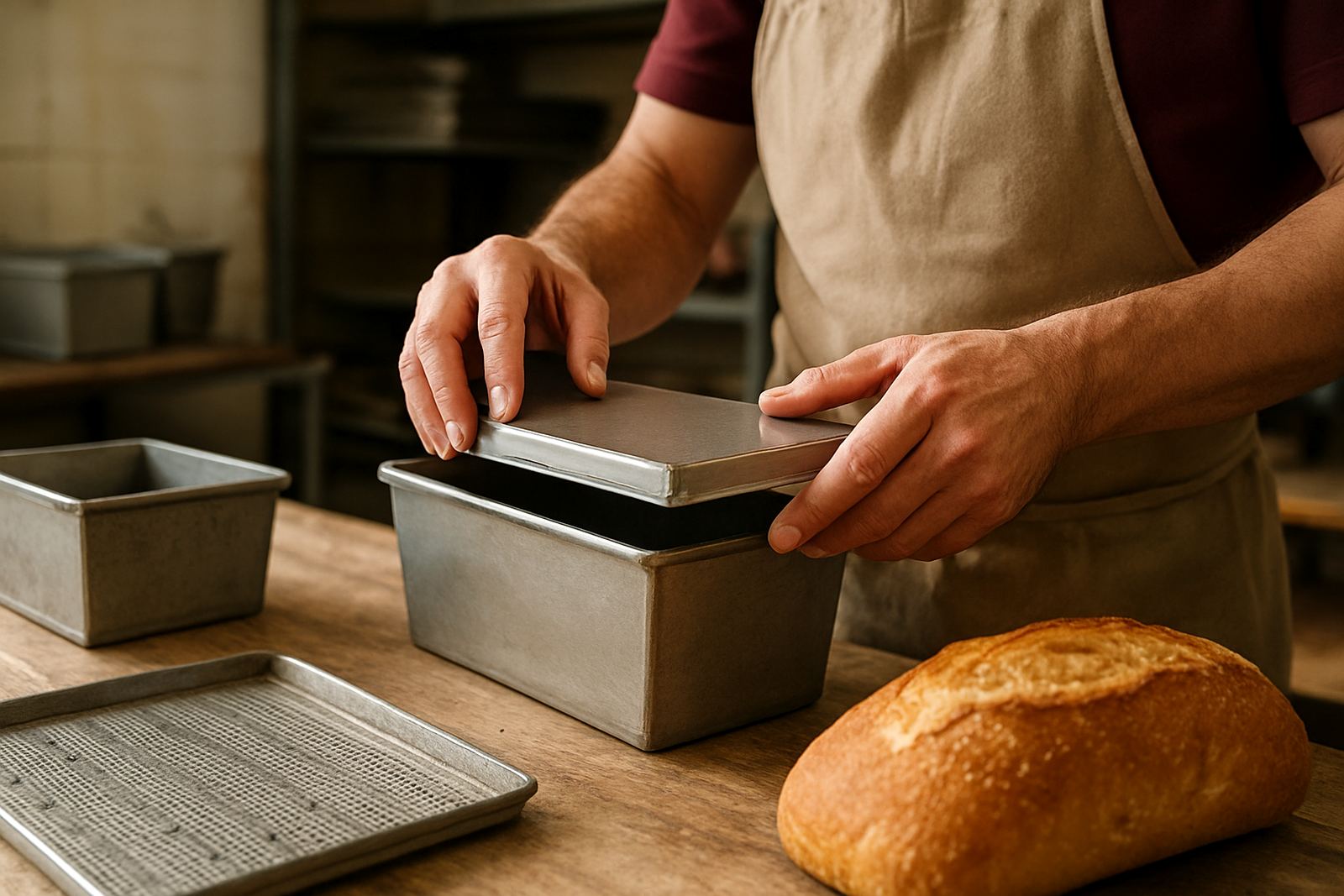
Before a new batch goes into production, set aside a few minutes for a proper check. Look for dents, sharp edges, loose welds, bent corners and any marks from transport. If a lid is part of the order, make sure it sits square and does not rock from side to side. This step matters just as much for a single tray as it does for a full trolley load.
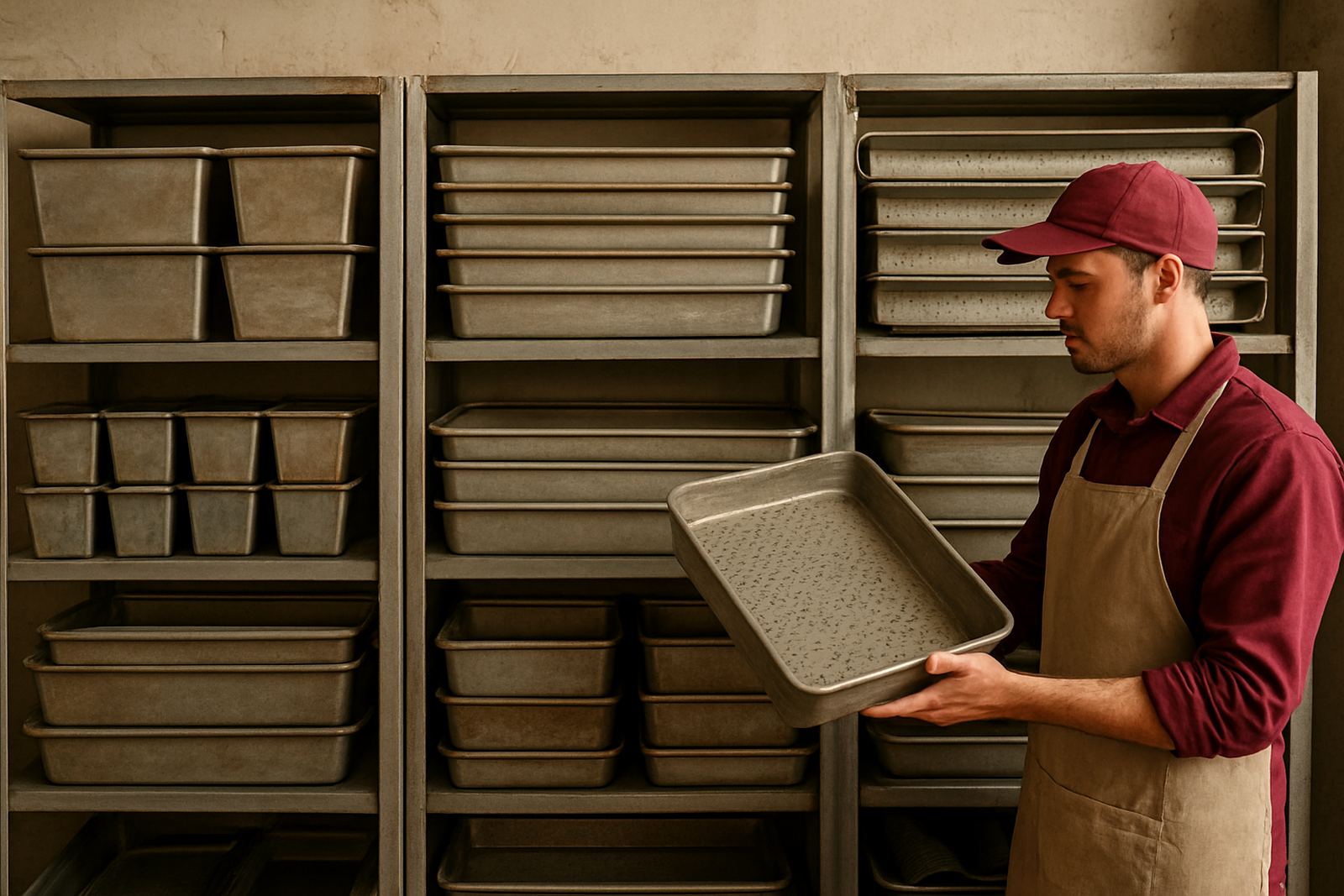
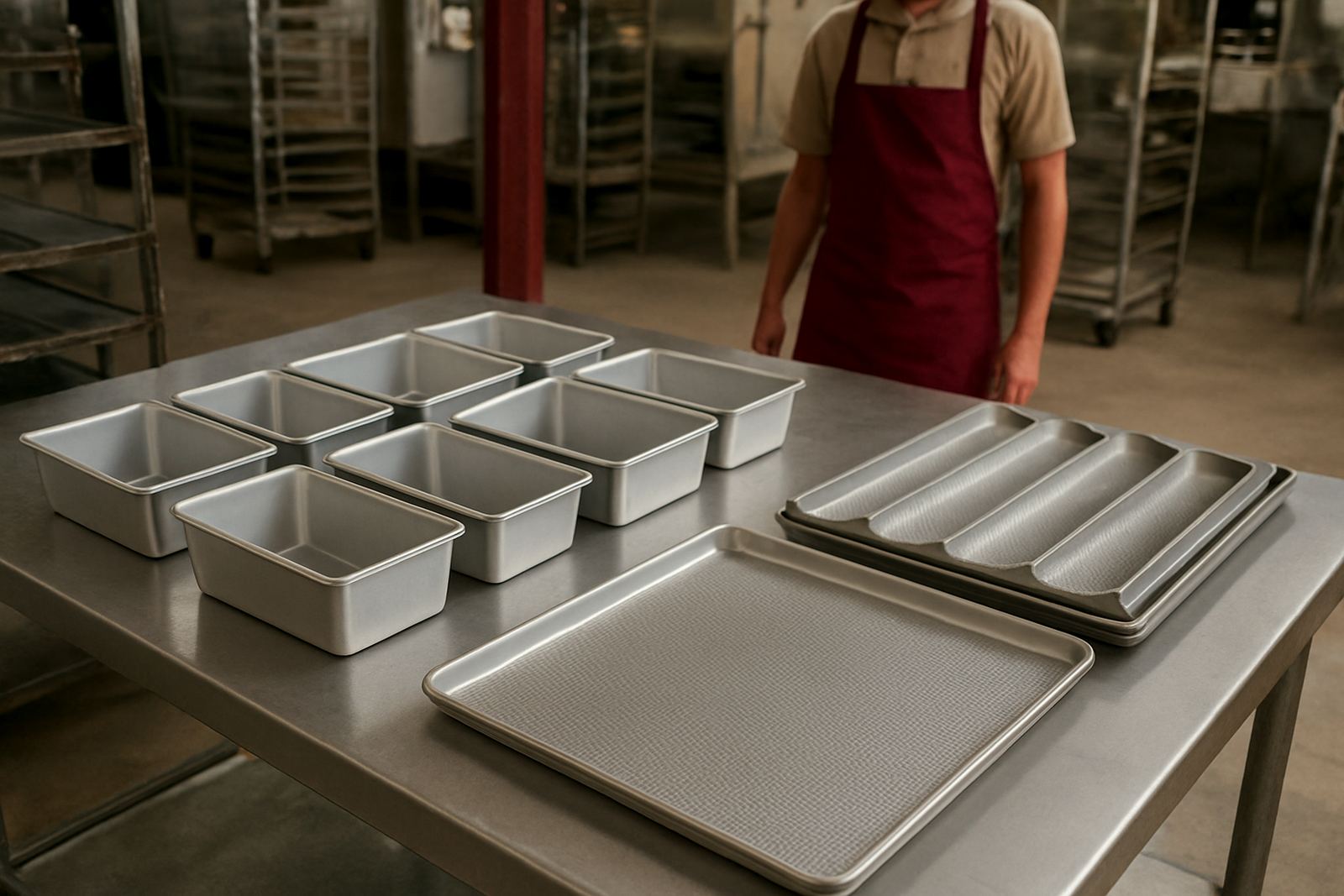
In a busy plant in Alrode or Germiston, first checks are often done in a rush, but it is better to catch a problem at the receiving point than after dough has already been loaded. On perforated trays, inspect the holes for blocked cut-outs or burrs. On baguette trays, check the channels for even shape and depth. If the tray was ordered to match an existing line, compare it with the sample or the dimensions on the purchase note.
- Check corners, rims and handles for distortion
- Confirm the size, depth and lid fit
- Look for sharp edges around perforations and seams
- Count the quantity against the delivery note
If something looks wrong, set it aside immediately and flag it before the tray enters wash-up or heat cycling.
Wash off factory residue before the first bake
New bakeware often carries light oil, dust or handling marks from fabrication and packing. Wash it before use with warm water, a mild detergent and a soft cloth or sponge. Do not use steel wool on coated or smooth surfaces, because it can leave scratches that trap flour and moisture. Rinse well and dry fully.
For bread pans used in humid coastal conditions, drying is important. If trays are left wet overnight, especially in winter or after a load-shedding stoppage, moisture can sit in corners and start early rusting on mild-steel parts. A clean dry cloth and a few minutes in a warm prep area is usually enough. Avoid harsh caustic cleaners unless the manufacturer has approved them for the finish.
- Use warm water and a mild detergent
- Rinse until no soap film remains
- Dry every corner, lip and seam
- Never store new pans while still damp
For heavy gauge trays, the cleaning step also removes fine metal dust from handling, so the first loaf or roll batch starts on a clean surface.
Season mild-steel pans so release improves from day one
Many bakeries still prefer mild-steel bread pans because they hold shape well and stand up to regular work. Before the first bake, these pans should be seasoned if the surface finish calls for it. The aim is to build a light protective film that helps release and reduces early sticking. Use a thin, even coat of approved baking fat or oil, then heat the pans as part of the first production cycle or as instructed by your production manager.
Do not flood the pan with oil. Too much leaves a sticky build-up that catches crumbs and slows down cleaning. A light coating is enough. If the pans are new copies of an existing profile, test one or two units first so your team can see how the loaf releases. In a Johannesburg South plant, that trial batch can save a full shift of wasted dough if the coating process was too heavy or too light.
For coated or special-finish trays, follow the cleaning and first-bake instructions that suit that finish. The main rule is simple: keep the first treatment light, even and consistent.
Match the tray to the product before you load the oven
Before a line starts, confirm that each tray suits the product going into it. Bread pans should be matched to dough weight, pan depth and lid style. Baguette trays should give enough support without crowding the dough. Perforated trays should be used where airflow and crisp bases matter. If divider inserts were supplied, fit them properly before loading so each piece bakes to the same size.
This is where size matching and pan copying help the most. A tray can be well made but still fail on the line if the loaf is too large, the lid sits too low, or the cavity is too shallow. Ask the oven supervisor to run a short test with real product, not just by measuring the metal. In bakeries from Soweto to Boksburg, the practical test is the one that shows whether the crust, rise and release are right.
- Check dough weight against cavity size
- Confirm lid clearance before proofing
- Keep perforated trays for products that need airflow
- Use divider inserts only when the spacing suits the recipe
Small mismatches can waste heat, time and ingredients, so the first load should always be treated as a test run.
Set up your first production run with care
The first production run is not the time to push speed. Start with a short batch and inspect the result after the first oven cycle. Watch for sticking, uneven colouring, weak release, corner burn marks and any sign that the tray is flexing under load. If the product is proving or baking unevenly, the cause may be in the tray fit rather than the recipe.
Also look at how the pans move on the line. If they are too tight in the rack, too loose on the trolley rails, or too wide for the oven shelf, staff will waste time nudging them into place. That becomes a problem during a long shift, especially when the bakery is dealing with load-shedding and every minute of oven time counts. Good first-use checks reduce those little stoppages that build up over a week.
Record what happened in the first batch, including release, colour and any cleaning issue. A note in the production book helps the next shift, and it saves repeating the same trial later.
Look after new bakeware after the first shift
Once the first use is complete, clean the pans and trays promptly while residue is still fresh. Starch and sugar become hard when left overnight, and that makes the next clean more difficult. Dry everything before stacking, and separate trays with cardboard or spacing strips if they need air flow between shifts.
For bakeries near industrial areas or along the coast, a little extra care prevents early corrosion. Store bakeware off the floor, away from open doors and damp walls. If a tray will not be used again for a few days, keep it lightly oiled if that suits the finish. Don’t leave flour dust sitting in corners, it holds moisture and shortens service life.
- Clean soon after use
- Dry fully before stacking
- Store in a dry, covered area
- Recheck lids, inserts and tray shape before the next run
A good first-use routine is not complicated. It is just careful work done early, so the pans last longer and the product comes out right.