Why pan depth changes the final loaf
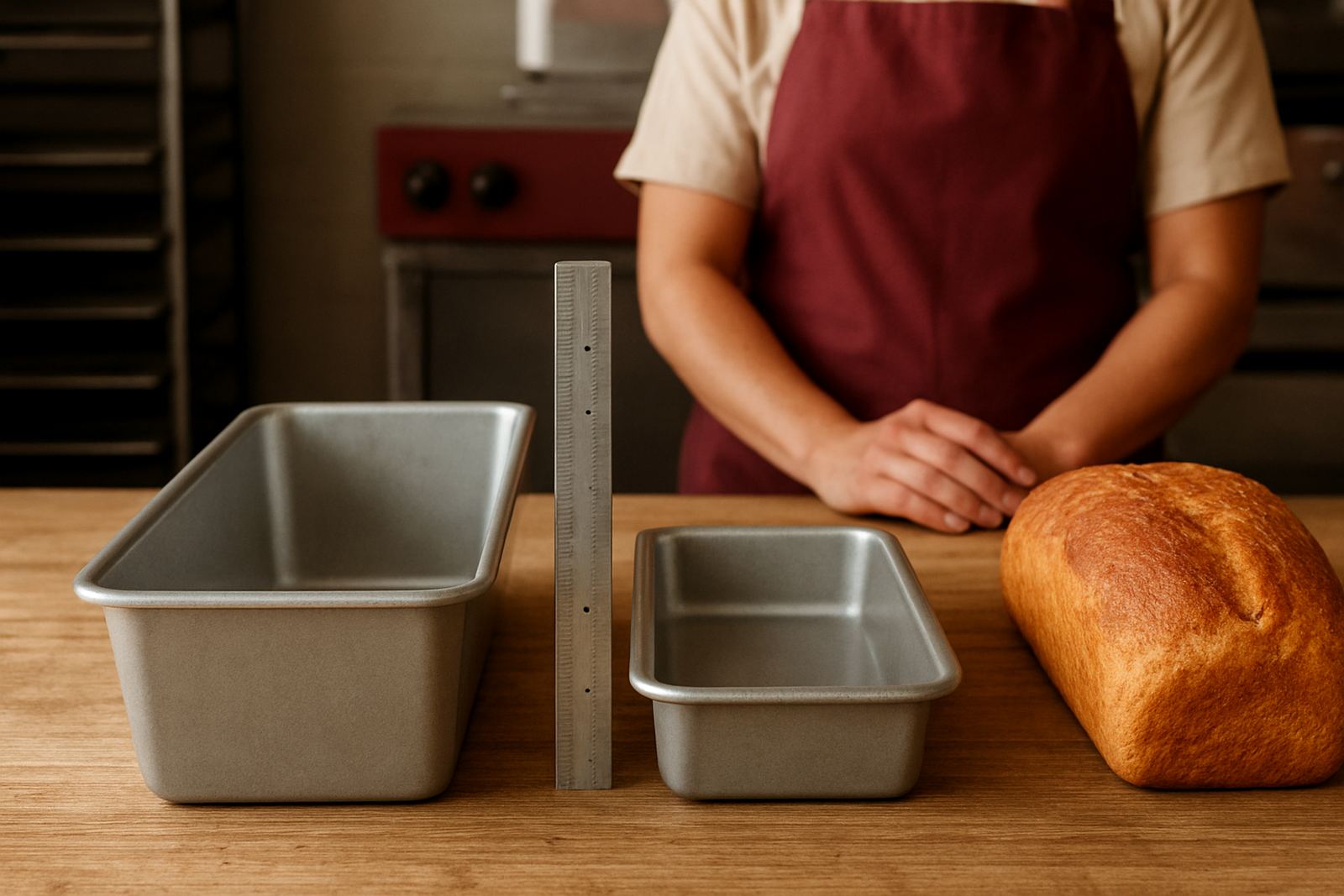
When bakers talk about pan size, width and length get most of the attention, but depth does a lot of the work. A shallow pan gives you a loaf that spreads sooner, so the crumb is often lighter and the top colours faster. A deeper pan holds the dough up for longer, which helps with height and slice count, but it can also leave the centre underbaked if the bake time is not adjusted.
For a bakery in Alrode or Germiston, that matters on a weekday run when ovens are full and the dispatch window is tight. If a loaf comes out too low, you lose saleable volume. If it is too deep for the recipe, you may get doming, a split top, or a pale centre that does not keep well on the shelf.
Depth also affects how dough behaves during proofing. In a deeper tin, the dough has more vertical support and can rise more evenly. In a shallower pan, the same mix may spread sideways instead of climbing, especially where the dough is a little soft from summer humidity or a higher water content recipe.
Choosing depth for different loaf styles
There is no one depth that suits every bakery. Sandwich loaves, heavy malt loaves and soft white bread all perform differently in the same pan profile. The right choice depends on the dough strength, the oven set-up and the slice size your customers expect.
- Shallow pans suit lighter loaves that need a flatter top and quicker colour.
- Medium depth pans work well for standard sandwich bread and general daily production.
- Deeper pans help with taller loaves, richer doughs and higher yield per unit.
- Extra depth can assist where a baker wants a stronger, more upright slice for catering packs.
If your bakery supplies schools, cafés or canteens around Midrand or Soweto, the depth often needs to be matched to the portion size on the order sheet. A caterer may want a loaf that gives more usable slices per pan, while a retailer may prefer a neat, even top that packs well into display baskets. One size does not suit every customer and thats where careful matching saves time.
How depth affects bake time and crust colour
A deeper pan usually needs longer in the oven because heat has further to travel to reach the centre. That extra time can help the loaf set properly, but it also changes how the crust develops. A shallow pan may finish with a darker top before the middle has fully baked, while a deeper one can hold moisture longer and give a softer crust.
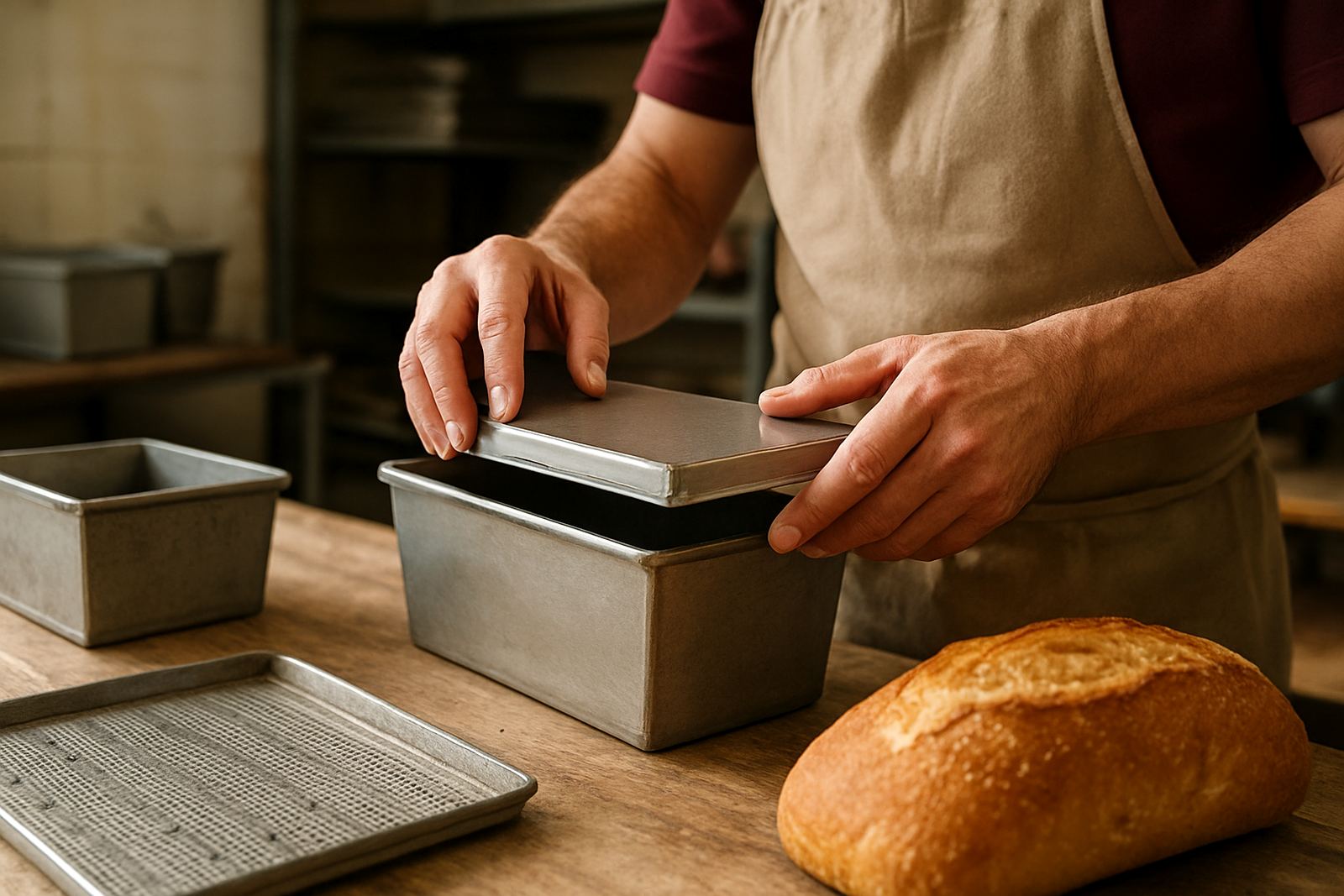
In practice, the oven setting, tray spacing and pan material all matter as much as depth. Mild steel will transfer heat differently from heavier gauge builds, and perforated trays will behave differently from closed bread pans. In a production kitchen running through load-shedding backup cycles, even a small shift in oven temperature can show up quickly in the crumb structure.
Watch for these signs that depth and bake time are not matched:
- The top colours too fast but the centre stays damp.
- The loaf collapses slightly after cooling.
- The sides are pale and the base is soft.
- The loaf lifts unevenly on one side.
When that happens, it is usually better to adjust pan depth and not keep chasing the problem with more heat. Too much oven time can dry the crust before the loaf has finished rising inside.
Yield, slice count and stock control
Depth has a direct effect on yield. A deeper pan may allow a baker to use a slightly larger dough piece, which can improve output without increasing the number of tins on the rack. For bakeries working on tight margins, that extra slice count matters. It changes how much bread goes into a delivery round and how much waste is left at the end of the day.
It also affects stock planning. If your standard loaf tin produces 12 neat slices but a deeper version gives 14, your packaging, labels and sales targets all need to line up. The baking team must know the expected dough weight and proofing height, otherwise batch reorders become guesswork. That is where consistent pan depth helps. Once the depth is fixed, it becomes easier to repeat the same loaf from Monday to Friday.
For bakeries in Johannesburg South or Boksburg, consistent depth also helps with transport. Loaves that rise too high in the pan can mark the lid or get damaged in stack handling. A properly chosen depth reduces that risk and keeps the bread presentable by the time it reaches the shop floor.
Matching depth to dough strength and bakeware material
Not every dough can support the same depth. Soft enriched doughs often need a pan that guides the rise, while stronger doughs can handle more depth and still hold shape. If the dough is weak, a very deep pan may just create a tall loaf with a dense base. If the dough is strong, a shallow pan may force sideways spread and a poor top line.
Material makes a difference too. A lighter pan heats fast and can suit daily bread where speed matters. A heavier gauge pan holds shape better under repeated use and works well for busy bakeries that want fewer dents and less flex. In humid coastal areas the finish on the pan also matters because corrosion can start early if equipment is not cared for properly, though Gauteng bakeries usually fight more dust and handling wear than sea air.
Useful checks before choosing depth:
- Recipe water level and dough strength
- Required slice height and customer pack size
- Oven type and heat recovery time
- How often the pans will be moved, stacked or washed
A Johannesburg South example from the floor
A bakery in Alrode that supplies standard white loaves to Alberton shops changed from a shallow tin to a slightly deeper one after noticing poor slice count. The dough was sound, but the loaf kept spreading out rather than up. The team did not need a new recipe, only a better fit between the mix and the pan.
After the change, the loaves held a cleaner top, sliced more evenly and gave a steadier count per tray. Bake time needed a small adjustment, maybe a few minutes extra, but the end result was more consistent. The dispatch team also found that the loaves packed better for morning deliveries to Germiston and Boksburg because the tops were less likely to flatten in transit.
That is the point many bakeries miss. Pan depth is not just a hardware detail. It changes how the dough behaves from the first proof to the last slice, so the right depth can reduce waste and improve the day’s output without altering the product people already know.
When to ask for a custom depth
If you keep adjusting bake time and still do not get the loaf shape you want, the pan may be the wrong depth. A custom build is worth considering when the recipe is fixed, the oven is already set up and the only thing not matching is the finish in the tin. In those cases, size matching or pan copying can save a lot of trial runs.
Custom depth is also useful when a bakery needs to standardise across multiple branches or wants the same loaf result from more than one oven. Once the pans are matched properly, production becomes easier to repeat and the staff spend less time correcting batches. For a bakery with orders leaving Alrode for Soweto, Midrand and the wider Gauteng area, that consistency is worth more than a quick fix.
Good pan depth is about giving the dough enough room to rise, but not so much that it loses control. Get that balance right and the loaf looks better, bakes better and sells better.