Why a worn sample can still guide the next build
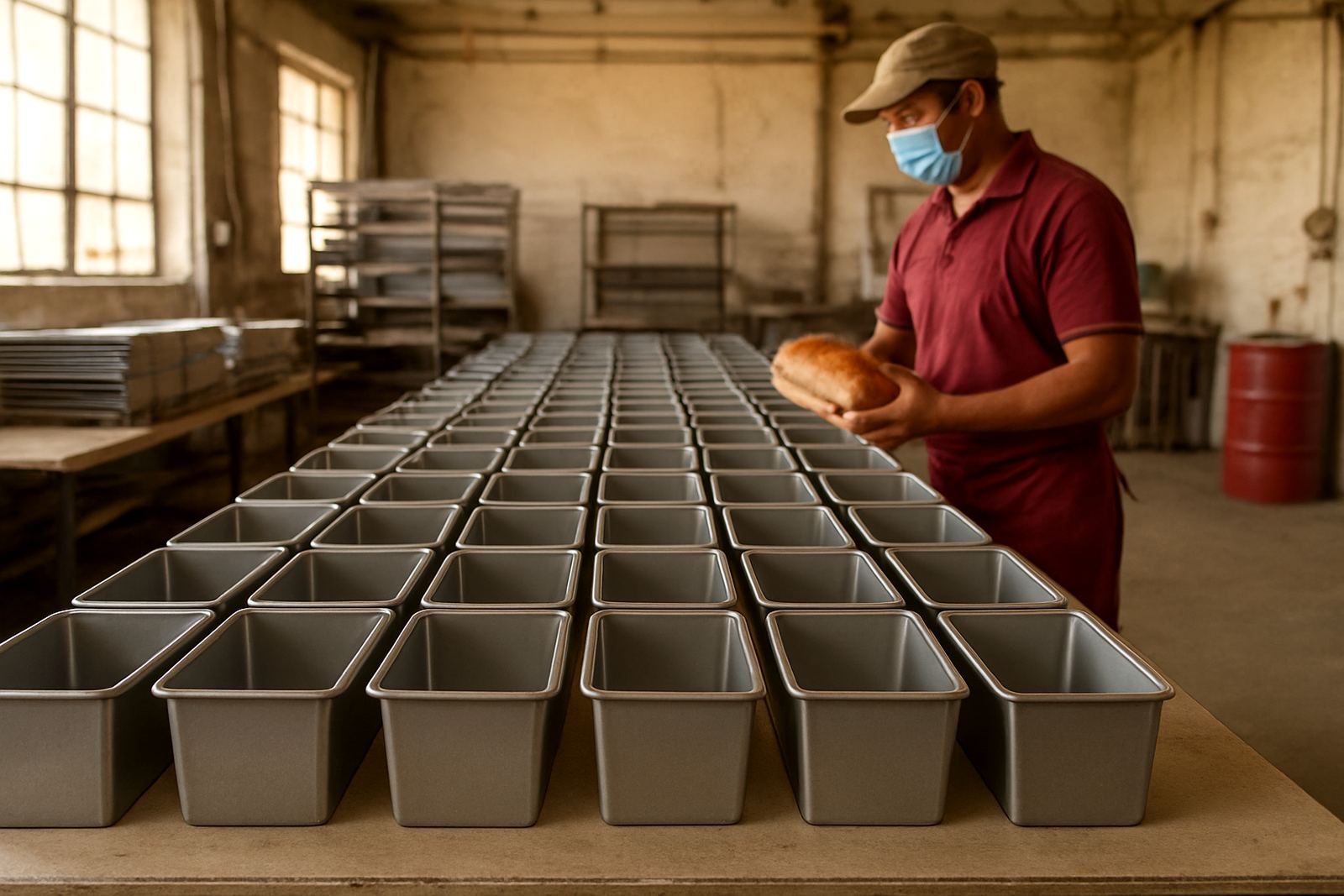
In bakery work, the old pan is often the only reference left when a tray or loaf pan must be replaced quickly. That is common in busy plants around Alrode, Germiston and Boksburg where pans run hard every day, then come back dented, twisted or thinned by years of heat and washing.
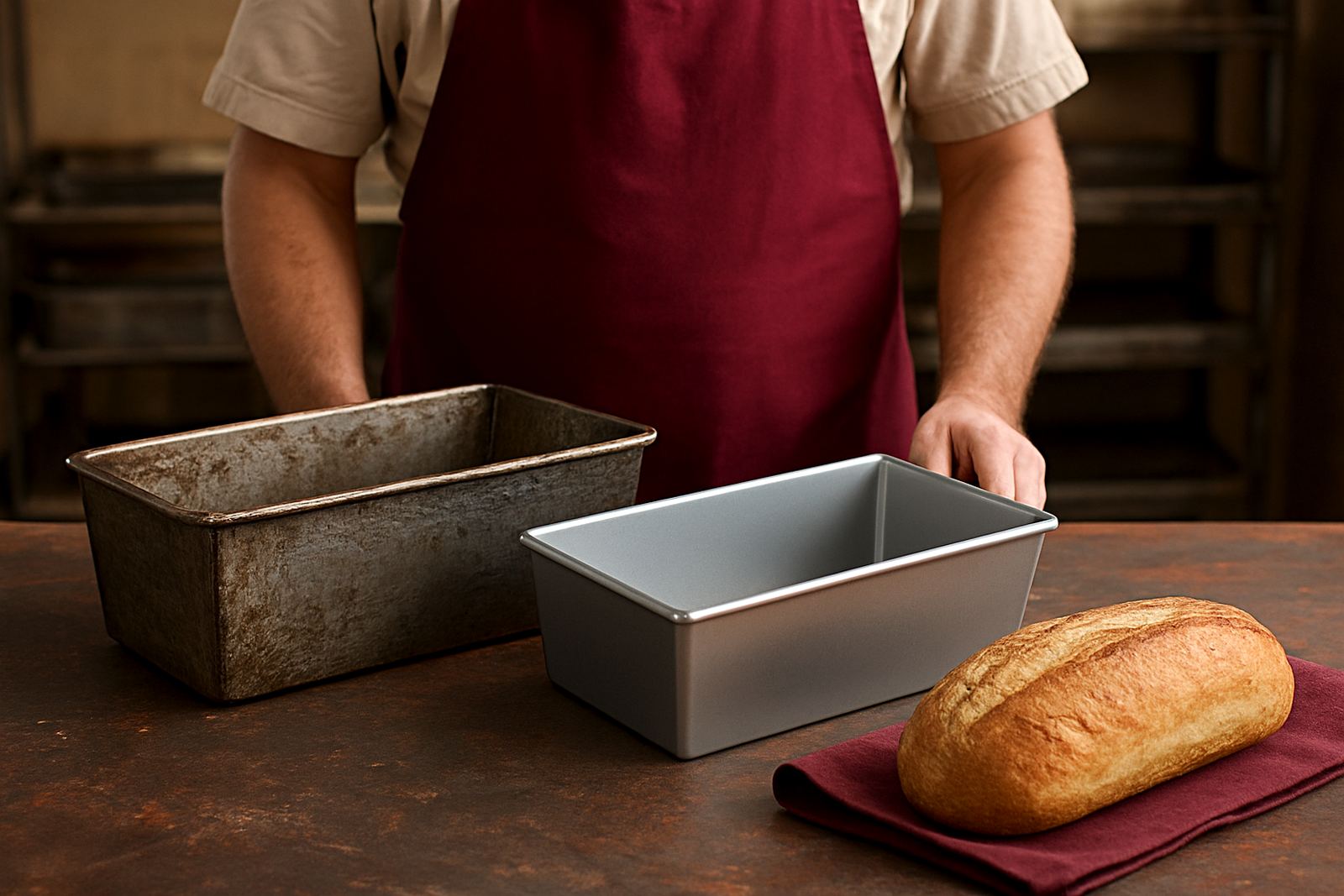
A worn sample can still tell us the original length, width, depth, corner shape and handle detail. What it cannot always tell us is how much the metal has moved over time. A pan that has been knocked against racking or stacked while still hot may no longer be square, so the first step is to check what is true and what is only damage.
For bakeries near the coast or in humid storage areas, rust and pitting can also hide the real edge line. That is why a careful copy is not a simple trace job, it is a measured rebuild based on the usable parts of the sample.
What to bring when you send in an old pan
The more complete the sample, the better the copy. One pan is usually enough for straight replacement work, but if you have a second unit in better condition, bring it too. That helps with size checks, lid fitment and the small details that matter when pans must stack correctly in the oven or proof room.
- The worn sample or tray, cleaned if possible but not scrubbed back to bare metal if that changes the shape
- Any matching lid, insert or divider that must fit the same pan
- Photos of the pan in use, especially where it sits on racks or in tins
- The loaf size, batch size or product weight the pan carries
- Any problems you want fixed, such as weak corners, sticking or poor release
If the old item is badly bent, send a note saying where the damage happened. A pan that only looks short because one end has folded inward should not be copied from the damaged edge. That is how replacement sets end up too small.
How we check the sample before making a copy
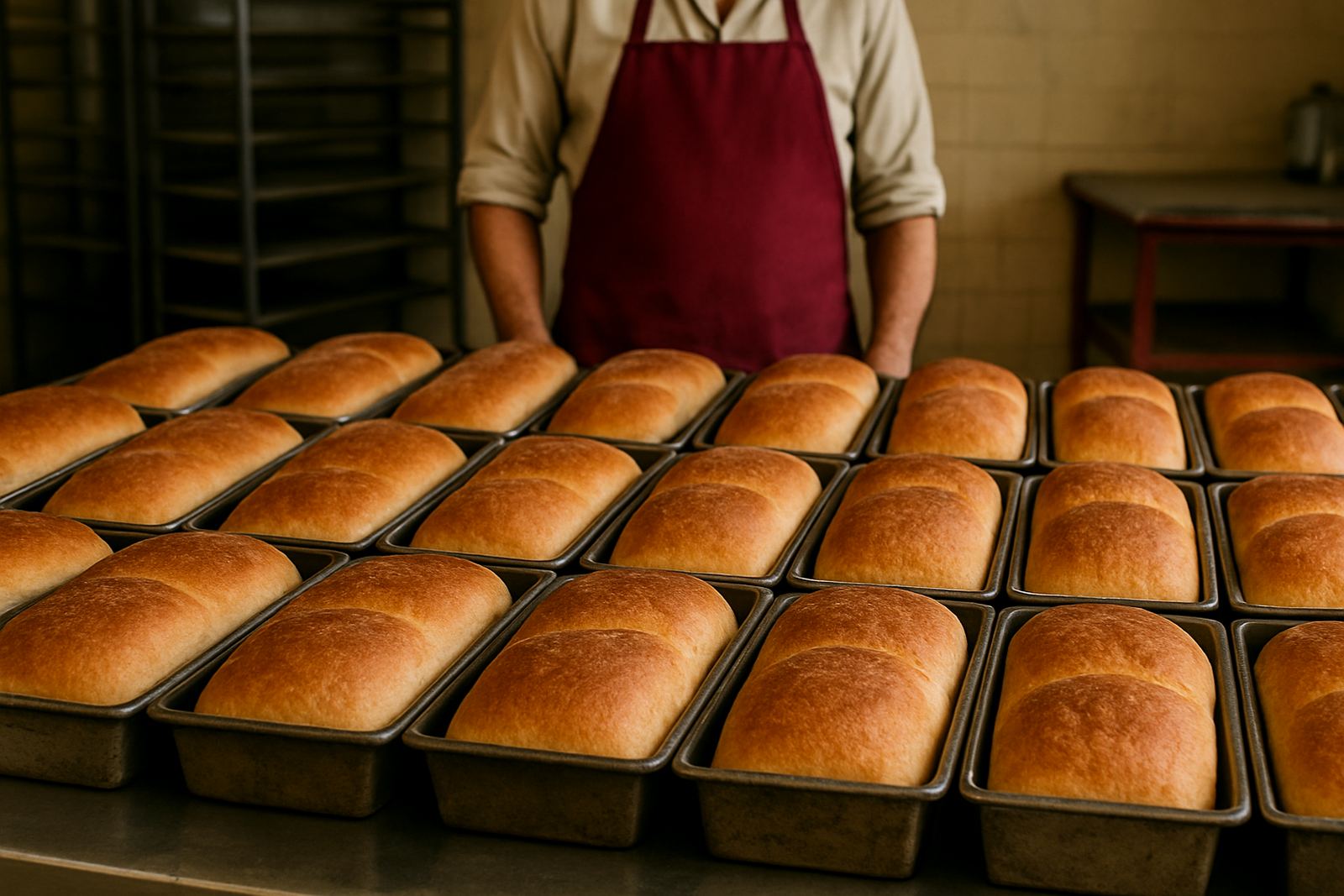
Before any cutting or forming starts, the sample is measured in more than one place. Bread pans can vary by a few millimetres after long service, and those small changes matter when a bakery runs hundreds of loaves a shift. We check the top opening, base size, wall depth, corner radius and lip or flange detail.
We also look at the material itself. Some old pans were made lighter than what the site now needs, especially where trays have been carrying dense dough, frozen dough or repeated hot loading. In those cases a straight copy may not be the best answer. A heavier gauge build can last longer and hold shape better through repeated use.
If the original pan has a lid, we test the lid fit separately because a lid that is only slightly out can cause lifting, steam escape or poor loaf shape. In one case for a plant supplying shops through Soweto and Midrand, the pan was correct but the lid had become bellied from heat. Copying the pan without checking the lid would have meant another round of complaints.
When copying is right, and when a fresh redraw is better
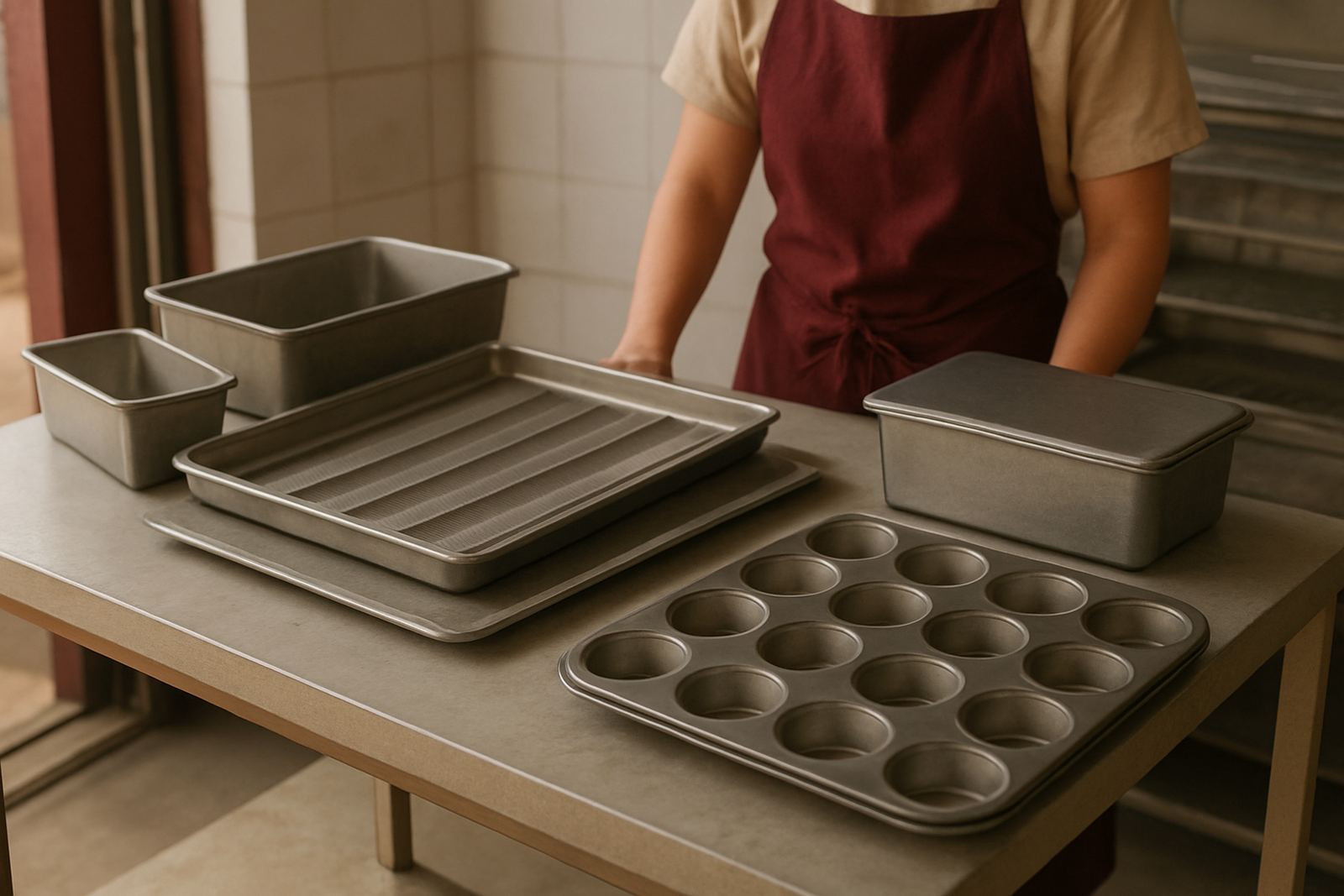
Copying an old pan works best when the original shape is proven and the bakery wants the same result again. It is a sensible option for standard bread pans, perforated trays, baguette trays and special bakeware that already suits the oven, rack and product line.
Sometimes though, the old sample has too much wear for a direct copy. If the pan has split seams, severe rust, or warped sides from overheating, we may recommend copying the working dimensions and then improving the build. That could mean stronger corners, better support ribs, or thicker material where the load is highest.
- Choose a straight copy when the existing pan still bakes well and only needs replacement
- Choose a corrected copy when the sample is worn but the bakery wants the same size with better durability
- Choose a new pattern when the old unit no longer matches the oven, rack or product target
Good copying is not about preserving faults. It is about keeping what works and leaving out the damage.
A local example from a busy Gauteng bakery
A bakery in the Alrode area came to us with a bread pan that had been used so long the corners had gone thin and one side was no longer straight. They were running batch reorders and could not afford a change in loaf size, because the packaging and slicing setup had already been set for that pan.
We measured the best sections, checked the lid fit, and compared the old pan against the oven rack spacing. The result was a replacement that matched the working size but had cleaner edges and a stronger body for the next production cycle. The team kept the same loading routine and did not need to adjust the tray stack, which saved time during load-shedding windows when every minute in the plant mattered.
That is often the real value of copying an old pan: less disruption. The bakery keeps baking while the replacement goes in quietly and fits the line the way the old one used to, before years of heat and handling took their toll.
Simple checks that protect your next batch
Before you approve a copied pan, make sure the practical points are covered. A neat drawing is useful, but the real test is whether the pan works on the line, in the oven and during cleaning.
- Check stackability so pans do not bind on the racks
- Confirm release and cleaning access if the pan will be washed daily
- Match the tray or pan depth to the loaf or product weight
- Ask for perforation or divider details if airflow or portioning matters
- Confirm whether the build should suit humid storage, rough handling or repeated transport
If your bakery is in Alberton, Germiston, Boksburg or Soweto, it is worth planning the replacement before the last usable pan is gone. Once the sample disappears, the job becomes a guess and nobody wants that in a production bakery.
Careful copying is a practical way to keep standard bakeware in service without changing the product your customers already know.